
 5 hours ago
13
5 hours ago
13
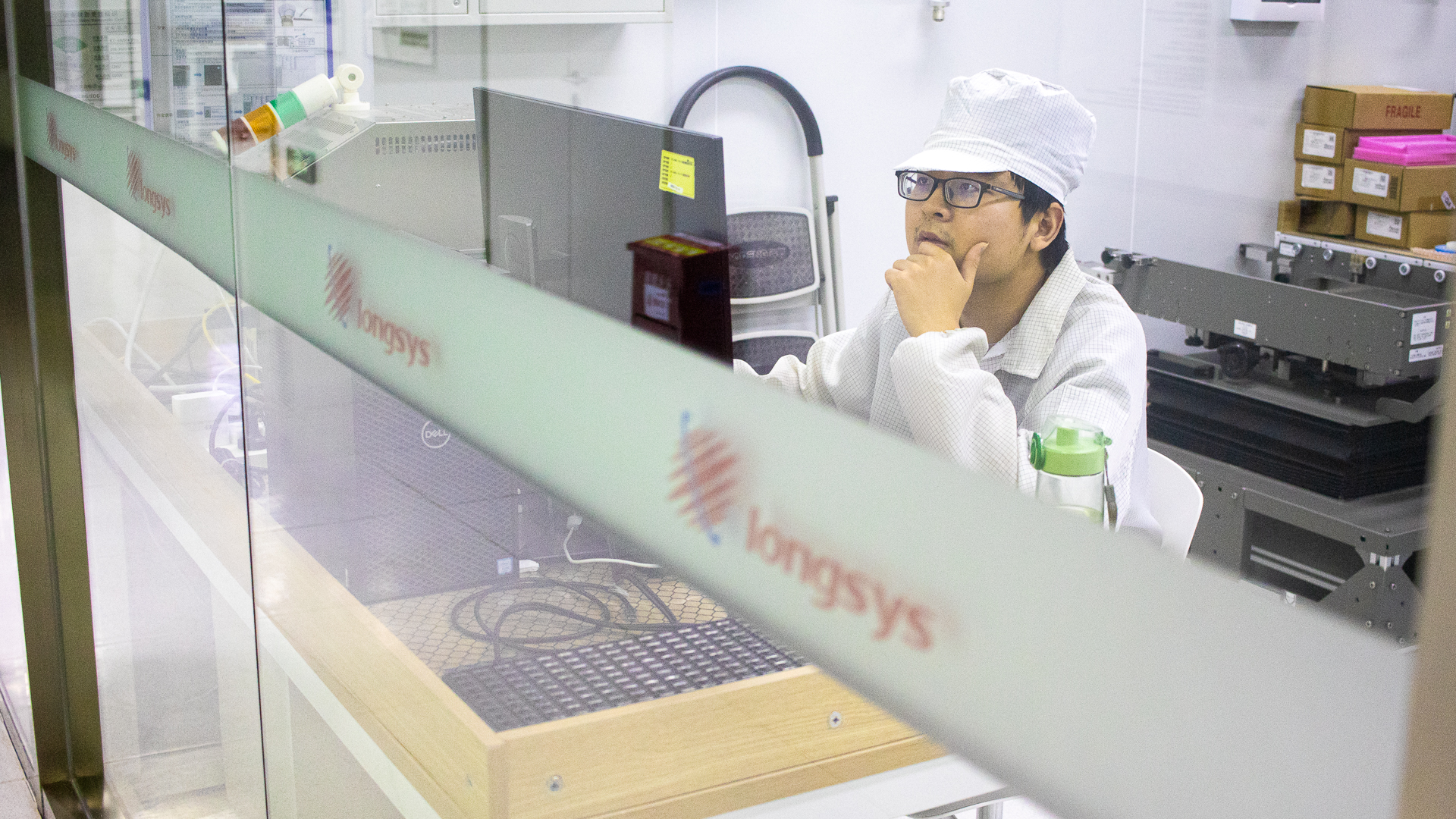
Shenzhen Longsys Electronics, the Chinese parent company of Lexar, announced that it’s expecting a net profit of $1.36 to $1.62 billion (or 9.2 to 11 billion yuan) for the first half of 2026, smashing its year-ago profit of just $2.2 million. This represents an incredible jump of 61,818% to 73,636%, and it comes on revenue forecasts of $3.24 to $3.68 billion (22 to 25 billion yuan) — more than double the $1.5 billion it achieved last year, according to the South China Morning Post (SCMP).
This massive growth is attributed to the increased demand for—you guessed it— memory and storage chips due to the global AI infrastructure buildout, and all that demand is competing for limited memory wafer capacity. Longsys says that it has signed long-term agreements and memoranda of understanding with global memory wafer suppliers to ensure supply stability.
The company did not specifically say which memory and storage chip suppliers it has contracted with, but many Chinese memory brands have been ditching the three mainstream suppliers — Micron, Samsung, and SK hynix — for CXMT and YMTC silicon. U.S. manufacturers like Corsair, Dell, and HP, have started considering chips from these suppliers, despite being labeled as Chinese military companies by the Pentagon. Even Apple, which used to have massive sway on its suppliers, has started lobbying Washington for access to CXMT chips as Samsung and SK hynix say that the AI-driven shortages could last until 2027 or even longer.
Longsys’ unprecedented growth has resulted in a 12.5% jump on its stock price in the Shenzhen Stock Exchange over the weekend, which has more than doubled from its lowest point just three months ago. Aside from its record earnings, the company also received the go-ahead from Chinese regulators to raise up to $544 million (3.7 billion yuan) through a private share placement. This would allow it to directly offer shares to select investors and fund research and development on high-end memory products, including AI-focused storage solutions, storage and memory controllers, among others.
The memory and chip shortage is hurting PC makers and consumers, with the PC market expected to shrink by 14% this year. As the market becomes desperate for alternative sources to mainstream manufacturers, Chinese firms CXMT and YMTC, as well as other downstream suppliers like Longsys and Biwin, are taking the opportunity to challenge established Western brands.

Follow Tom's Hardware on Google News, or add us as a preferred source, to get our latest news, analysis, & reviews in your feeds.





 English (US) ·