
 3 weeks ago
49
3 weeks ago
49
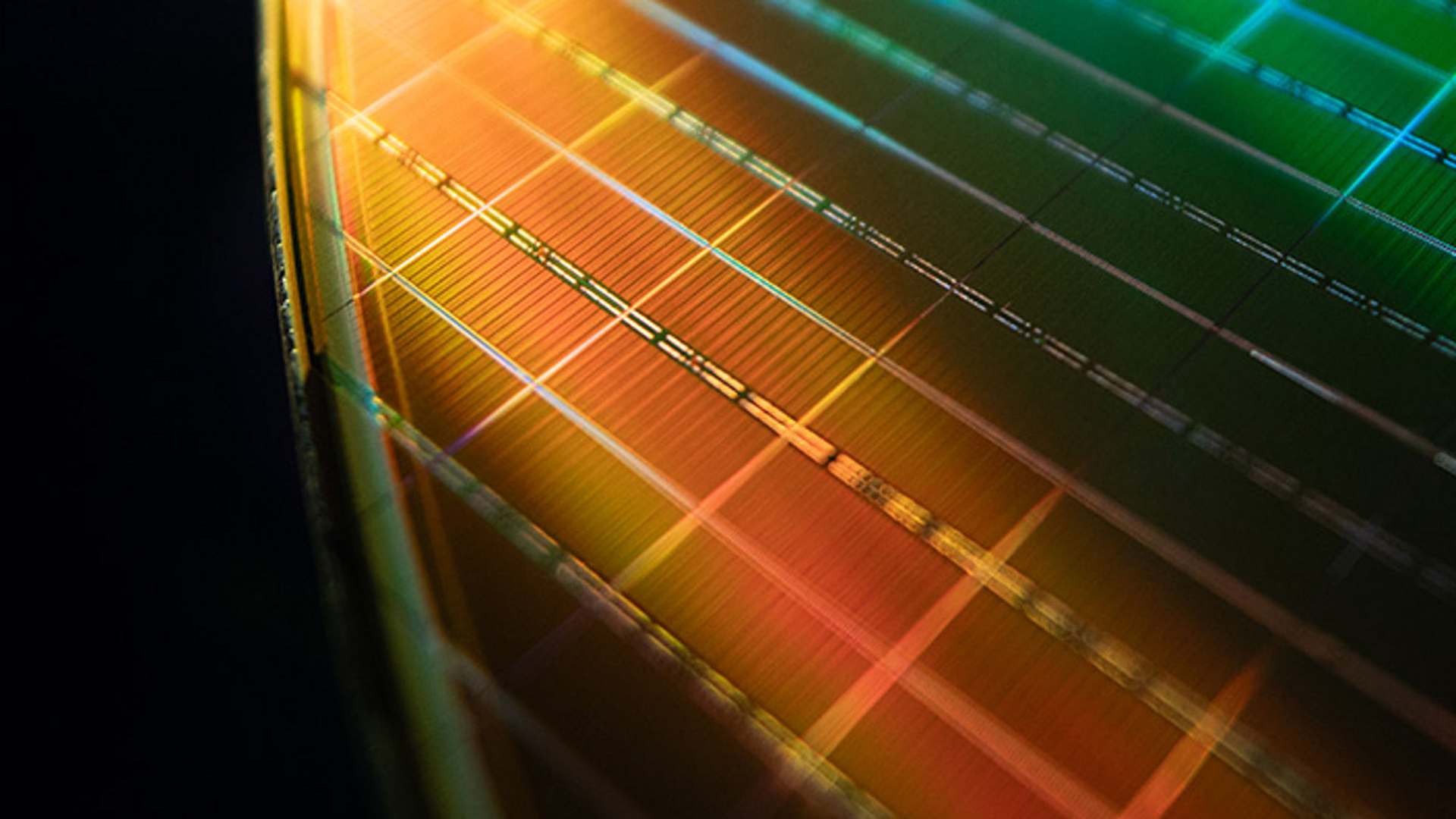
ChangXin Memory Technologies (CXMT) has announced in a social media post that it has started mass production of LPDDR6 memory for a Xiaomi smartphone, Reuters reports. This is not entirely unexpected given the general LPDDR6 mass-production timeline, but the announcement is still surprising because two China-based companies are ahead of industry announcements. Yet, there are caveats.
Go deeper with TH Premium: Memory
LPDDR6 is perhaps the most substantial upgrade to the GDDR-class memory ever. Firstly, it uses PAM3 signaling, which encodes 3 bits of information across two symbols, compared with the NRZ signaling used by LPDDR5/LPDDR5X. Second, the data transfer rate increases to 43.2 GT/s. Third, the reduced I/O width from 32 bits to 24 bits requires rework at both the hardware and software levels.
Given the differences between LPDDR5 and LPDDR6, the most important factor here is not exactly LPDDR6 manufacturing, but a broader view.
On the one hand, CXMT reached mass production of LPDDR6 roughly at the same time as the established DRAM leaders, meaning it is on par with them, if not ahead. This marks a substantial change from earlier generations, when Chinese DRAM technology generally lagged considerably behind Samsung, SK hynix, and Micron.
On the other hand, reaching mass production does not necessarily mean that CXMT has achieved full technological or manufacturing parity with its larger rivals. The official announcement covers only one smartphone maker and one model, meaning CXMT's LPDD6 still has to pass validation for other handsets and other makers.
Still, the significance of CXMT's announcement is hard to understate. CXMT is no longer merely catching up by introducing a new memory generation years after its international competitors. With LPDDR6, CXMT is entering the market during the standard's initial commercialization, which means the technology gap between China's leading DRAM producer and the industry's established players has narrowed considerably.
Which brings us to the question of whether CXMT can maintain this pace. Developing a competitive LPDDR6 device is one thing, producing it at high yields and in sufficient volumes to supply major customers is another. For now, we are talking about a niche smartphone with memory operating at undisclosed performance.
If CXMT can mass-produce LPDDR6 for the whole market and manufacturers, we may well have seen the change of the industry leader. Yet, given one niche device, we certainly cannot say so for now.

Follow Tom's Hardware on Google News, or add us as a preferred source, to get our latest news, analysis, & reviews in your feeds.







 English (US) ·