
 3 weeks ago
48
3 weeks ago
48
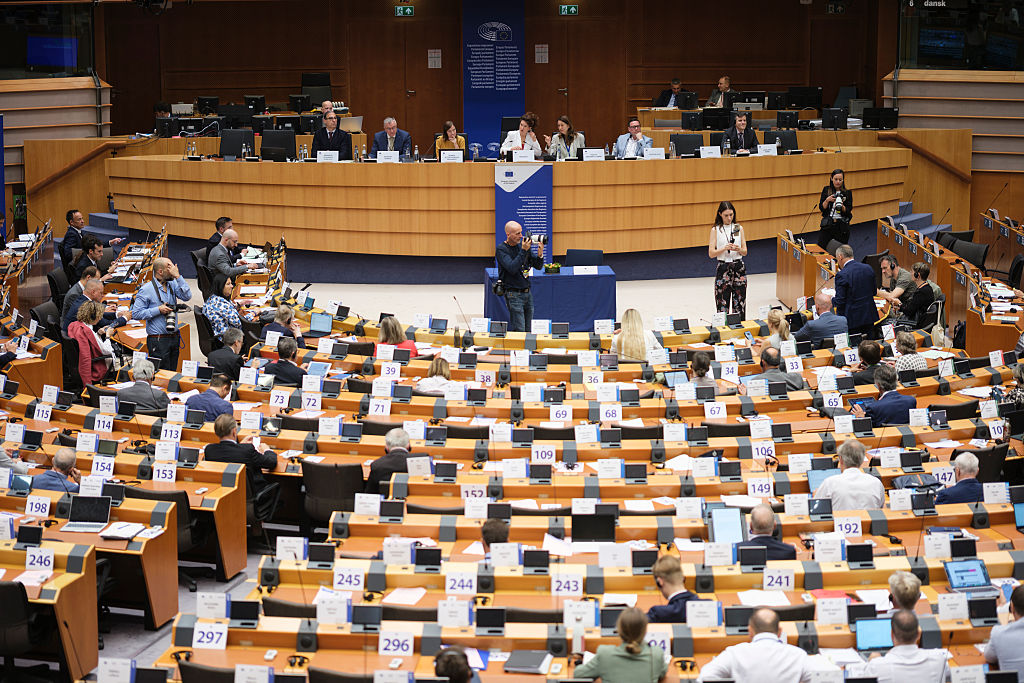
The Chat Control 1.0 law that enables warrantless mass scanning of digital communications has been voted against multiple times by the EU Parliament. And yet, just like a movie zombie, it keeps getting resurrected by various legal sleight-of-hand moves. Yesterday, one of those tricks worked, as Chat Control 1.0 passed (or rather, was not rejected) in a forced re-vote that required an absolute majority (50% + 1) for active refusal. This brings back the law until 2028, and sets a different stage for September's upcoming discussion on Chat Control 2.0.
After the impending publication in the EU Official Journal, online direct-communication platforms will be allowed to mass-scan their users' data without the need for a warrant, under the guise of looking for child sexual abuse material (CSAM).
The scanning is not mandatory, but big tech firms will have a legal mechanism to rifle through user data. EU firms have historically refrained from doing so, presenting privacy and data sovereignty as selling points, but the legal door is nevertheless now officially open.
Go deeper with TH Premium: Taiwan, trade, and tariffs
The obvious platforms where monitoring can now take place will be e-mail and chat services. Immediate examples include Gmail, iCloud, Hotmail, Discord, Instagram, Slack, Teams, Snapchat, Xbox, and Google Chat.
Although the law's scope is for "interpersonal communications services," the legal mechanism might hypothetically extend to some gray areas like Google Drive, where sending someone a link to a cloud file could be within the scope of the law.
It's worth noting that "direct communication" isn't restricted to one-to-one chats, as it includes group chats; just not public or undirected communications. Additionally, EU law enforcement is still beholden to the same warrant requirement as before — Chat Control 1.0 does not grant a blank pass to authorities to mass-scan user data, or request companies to do so without a targeted warrant.
Thanks to two amendments in yesterday's vote, end-to-end-encrypted (E2EE) communications means (ex: WhatsApp) stay exempt. That means that for now, Chat Control 1.0 isn't a commandment to break encryption, something that has been regularly suggested by lawmakers around the world.
It's as good a time as any to remind people that Instagram messages are no longer E2EE as of May, and that although WhatsApp's messages are encrypted, the service leaks out every single bit of metadata about them — sender, recipient, time, size, etc. As always, Signal is recommended as a privacy-focused communications app.
This latest development in the EU parliament is eliciting widespread public outcry due to the nature of the law itself, but also due to the manner in which it happened. Critics and opponents of the rule are suggesting this move is unprecedented.
Chat Control 1.0 has already been shot down repeatedly, most recently in March. However, European Parliament President Roberta Metsola forced a second reading of the law, and invoked Rule 163's "urgent procedure" mechanism. This had many effects, including bringing up a law that was voted against for discussion yet again; turning the decision into a denial vote (vote-to-deny, not vote-to-pass); exploiting the second-reading requirement that demands an absolute majority vote (50% + 1); and letting the President herself set the schedule. Metsola scheduled the second reading to the very last day before the European Parliament summer recess.
The result was that out of 720 representatives, only 607 actually cast a vote. Of those, 315 (over half) voted against Chat Control 1.0. That figure did not meet the supermajority threshold of 361, which was calculated against a full chamber.
Opponents to Chat Control have posted resources at the Fight Chat Control website, including a breakdown of member-state and individual representative voting positions and contact information.

Follow Tom's Hardware on Google News, or add us as a preferred source, to get our latest news, analysis, & reviews in your feeds.








 English (US) ·