
 1 month ago
28
1 month ago
28
Generative AI in videogame development, despite the looming potentiality of a bubble popping, has continued to be a hot-button topic pelted at developers during earning calls, despite most of them recognising that there's not much use for it beyond mundane busywork.
Sure, it's being used commonly, but rarely for the actual making of the videogame itself. Filling in the roles that procedural generation might or, like, resizing shoulderpads—or for "user preference analysis". Not exactly the kind of stuff that revolutionises an industry, and certainly not enough to justify reducing labour en masse.
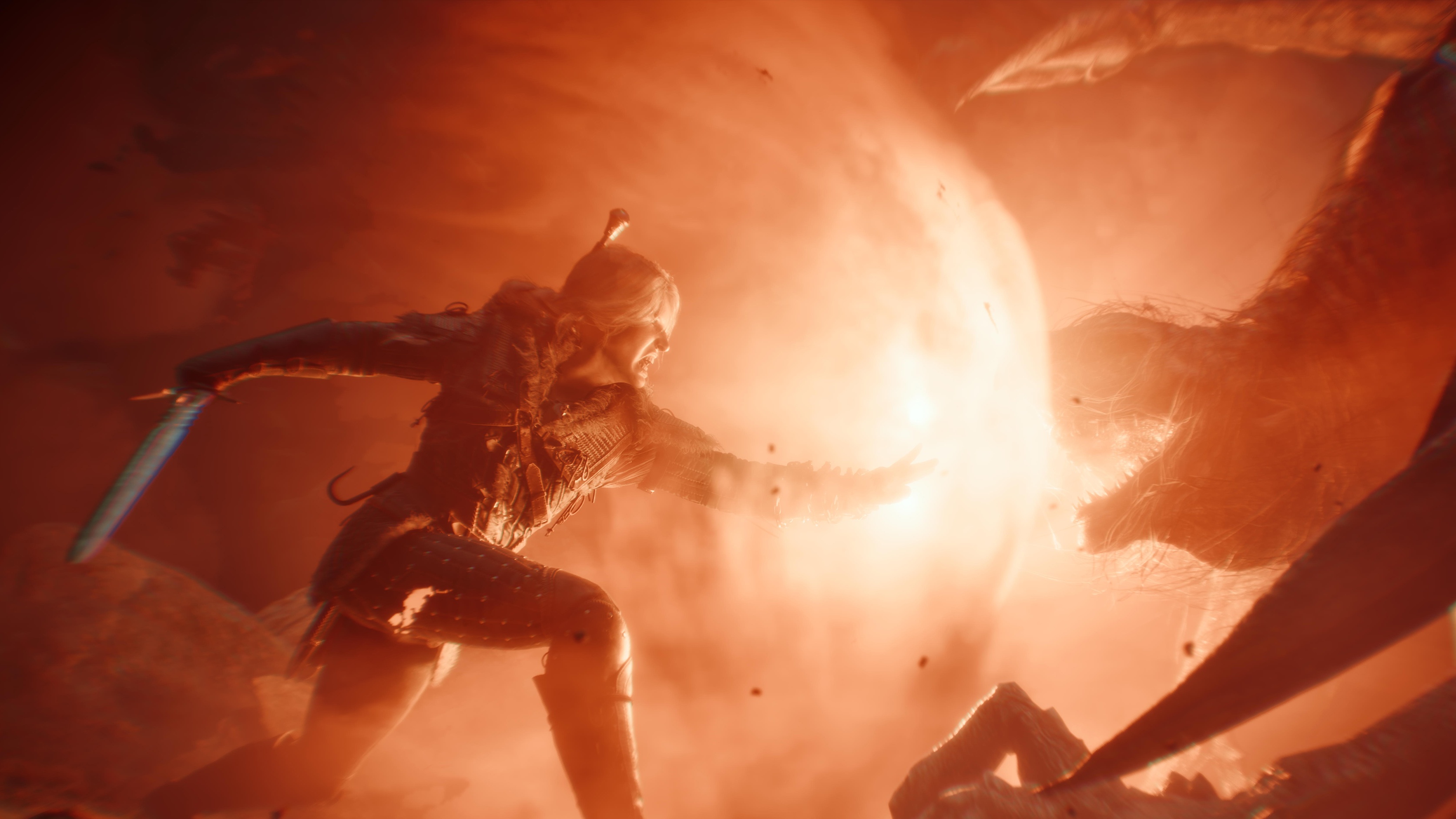
This also seems to be the view of joint CD Projekt Red CEO Michał Nowakowski, who was asked such a question during an earnings conference yesterday, and once more found himself required to emphasise that they're using people to make videogames like The Witcher 4: "AI is definitely becoming a thing in games development as well. We are still predominantly using people and this is our plan—to make games where we're not walking away from that."
That's not to say that AI tools aren't being experimented with, they're just nowhere near a focal or vital part of development for the studio: "AI, if anything, is a tool like many others that's helping in places that can maybe become more helpful in the future but we're not planning to rely on AI making complete games."
Part of that, Nowakowski emphasises, is because the kind of games they make are so complex that it wouldn't make a lick of sense to leave the careful craftsmanship of them up to an LLM or vibe coding: "especially with very complex games like ours, I don't even think this is the right or ethical path to follow.
"So whether this is true for the whole industry, I'm not the person to make those statements. I think everybody has to make those judgments on their own."
Even if you scrap the general distaste for AI slop, it's not like going all-in on the tech is risk free. From a legal standpoint, anti-AI clauses are quickly becoming boilerplate for videogame publishers, at least when it comes to the creative work you'd need to prove you own in a court of law.





 English (US) ·