

Published Oct 1, 2026, 9:00 AM EDT
Jordan is the Senior Editor for Movies & TV News at Screen Rant. She graduated from the University of Oregon with a B.A. in Psychology and a minor in Media Studies. An editor, writer, and digital media specialist based in New York City, you can also find her bylines on Business Insider.
Jordan originally hails from Washington State, giving her an undying loyalty to any Seattle sports team, though she's also spent time in Virginia, Oregon, and New Orleans. She runs on coffee and classic movies, taking pride in having seen every film on AFI's 100 Greatest Films list and every Best Picture Oscar winner.
Mike Flanagan has earned the right to not be questioned about why he’s “remaking” a classic horror story. When he adapted The Haunting of Hill House for Netflix in 2018, Shirley Jackson’s 1959 novel had already been adapted twice to varying acclaim. He later tackled the oft-adapted The Turn of the Screw by Henry James and The Fall of the House of Usher by Edgar Allan Poe in TV format, both releasing to widespread praise. Yet, when Flanagan announced he’d be adapting Stephen King’s Carrie as a TV series for the first time, many voiced doubts.
As the very first King movie adaptation, Brian De Palma’s Carrie (1976) remains one of the most iconic horror movies of all time 50 years later. Consequently, questions abounded about the necessity of another adaptation and whether it could hold up to De Palma’s iteration when modernized. However, as the horror auteur has done before, Mike Flanagan’s timely Carrie TV series not only justifies its existence, but compellingly transforms King’s themes and characters into an even more realized, nuanced portrait of the complex intersection of fear, anger, and compassion in society.
Carrie’s Brilliant Modernization & Book Expansions Completely Justify Adapting Stephen King’s Story Again
Stephen King’s Carrie is already a relatively short novel, making the task of spreading it into eight installments of hour-long episodes without dragging a hefty challenge. But, as he has with past adaptations, Flanagan goes far beyond the source material to fill in much more about the town of Chamberlain, the White family home, the family lives of other students, and the stories of other women with supernatural gifts.
Flanagan carefully places King’s horror characters under a magnifying glass like never before, ultimately bringing to life a brand-new Carrie White. With eight episodes, the depth in which he’s able to get to the heart of who these people are, why they make these flawed choices, and how the larger societal and systemic failures at hand could culminate in such an astounding disaster is enthralling from start to end.
Though the story drags slightly in the middle, at times feeling repetitive, Flanagan proves through the final two episodes that every detail on the page and every extra second we get with Carrie’s characters have a greater purpose in making the ending’s themes more poignant. That said, there's a new story departure from King’s novel with Rita Desjardins and another teacher that I wasn’t entirely sold on, but it still ultimately pays off to develop the high school staff taking a much more active role in the overall arc through prom night.
Carrie's prom night is undoubtedly one of the greatest achievements in Flanagan's career thus far.
Carrie becomes more of a slow burn under Flanagan’s lens, but the end justifies the means when we reach the climax. The ambitious prom sequence is top-tier Flanagan, rivaling the scale and compelling, horrifying qualities of his famous climaxes like the final ghostly reunion of Hill House or the vampiric takeover in Midnight Mass's ending. With such an epic scale and visually striking execution, Carrie's prom night is undoubtedly one of the greatest achievements in Flanagan's career thus far.
Flanagan takes an age-old societal struggle of bullying, cruelty, fear, anger, and control overtaking compassion and trust, applying to both teenagers and adults, and takes it to difficult-to-watch modern extremes. Social media and smartphones didn’t exist during Stephen King or Brian De Palma’s Carrie, and while the underlying themes of the original story remain, these elements are fundamental to the context and wider extent of the terror and fear that lead up to prom night authentically landing with today’s audiences.
A modern Carrie doesn’t work without significantly integrating today’s technology and the ease of worldwide interconnectedness and instant exposure, and Flanagan manages to hammer home these themes even more by making some crucial changes to Carrie’s sheltered backstory. It isn’t just her high school, classmates, and powers that are new to Carrie; she’s simultaneously learning about the intricacies of societal norms, phones, social media, and the internet as they exacerbate the adolescent conflicts she never even knew to prepare for.
In addition to expanding the source material with story modernizations and deeper character explorations, Flanagan also takes some bold swings as he integrates certain book elements rarely seen in previous adaptations. Flanagan not only includes a wider narrative for Carrie’s telekinetic powers finally becoming stronger, more controlled, and externally noticed, but he also boldly features more themes and elements of the larger Stephen King universe through some intriguing series-original characters.
A more spoiler-filled subplot is filled with nods and references for avid Stephen King and Mike Flanagan fans, and is responsible for some of the most twisted, terrifying moments in the series. With Carrie’s horror largely lying in psychological terror until the climax, it’s this side-story that allows more trademark Flanagan horror touches to emerge earlier on.
Though the subplot feels underdeveloped by the season's final moments, Flanagan has his eyes set on a much larger payoff if Prime Video grants him Carrie season 2. Still, by hinging some of the most important moments of Carrie's finale on set-up for another season with an original story, the strength and effectiveness of this narrative's ending are undermined, leaving the last moments with a weaker punch than other Flanagan shows.
Carrie’s Nuanced Character Work & Tragic Storytelling Are Top-Tier Mike Flanagan
 Credit: Robert Falconer/Prime
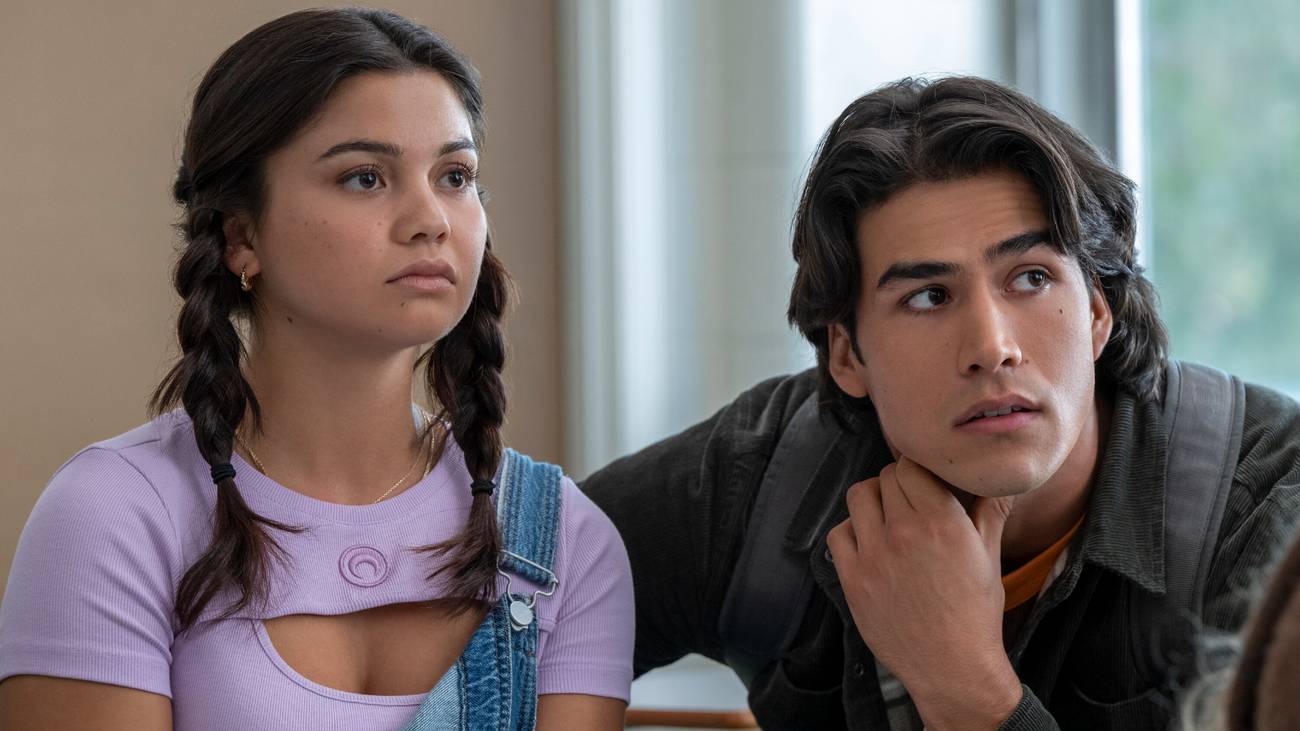
As is the case with the majority of Mike Flanagan’s TV shows, Carrie excels the most in extensive and nuanced character building. Flanagan takes the outlines of these characters that King created 50 years ago and, while giving them modern, timely touches, fleshes them out to make the main players multidimensional, realized figures. King’s shorter novel left some key figures more archetypal in the grander scheme of the story, and Flanagan essentially offers another 300–400 pages to craft the intimate human sides of them.
The Carrie White of King’s novel is not the Carrie White of Flanagan’s series, with Margaret White and Chris Hargensen perhaps receiving the greatest benefits of a serialization. Margaret and Chris are, in simpler terms, the primary villains of the story: Carrie has been the victim of Margaret at home throughout her life, and Carrie becomes the victim of Chris at school. However, rather than simply painting Margaret as an abusive, hateful zealot or Chris as a cruel monster, Flanagan masterfully creates new, complex layers in their personas.
Chris’s behavior can’t be excused, but Flanagan finally turns her into a well-rounded human: she’s an angry, sad, neglected kid who’s been failed by the adults and systems around her. As for Margaret, who receives the most profound and effective changes, her abuse, manipulations, and selfishness are driven by intense love, fear, and isolated naïveté rather than pure hatred and zealotry.
Flanagan also expands upon relatively minor characters like Tommy Ross and Billy Nolan to drive home the contrast between compassion and cruelty. Meanwhile, staff such as Rita Desjardins and Principal Grayle allow the showrunner to expand on the cause and effect the adults have on these conflicts and the ways in which they do or don’t realistically fail or help these kids.
Carrie largely hits the same story beats and character arcs as Stephen King’s classic book, but the context of how these events transpire and why they happen is often fundamentally changed. Through these adjustments and Flanagan’s elaborate character work, the intense final act and transformation of Carrie White become far more tragic and emotionally compelling than I’ve seen in any other iteration.
Summer H. Howell & Samantha Sloyan’s Performances Completely Redefine Carrie & Margaret White
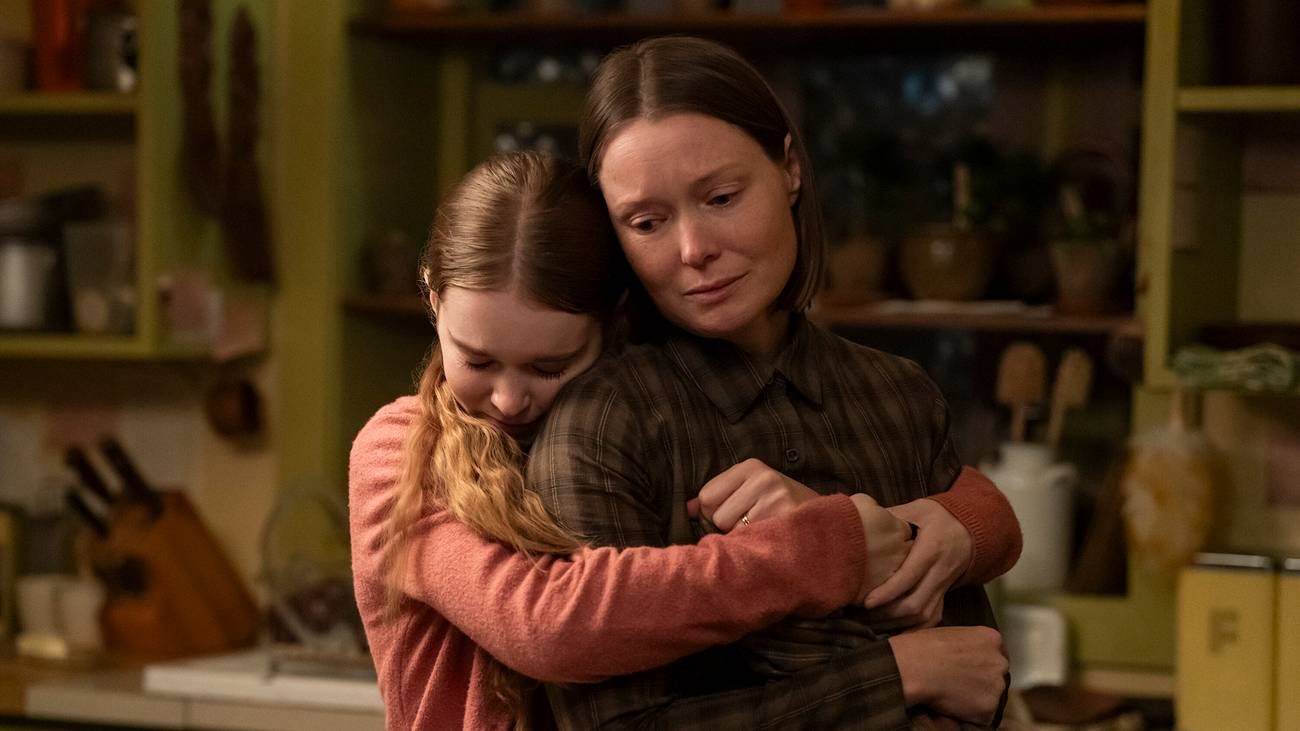
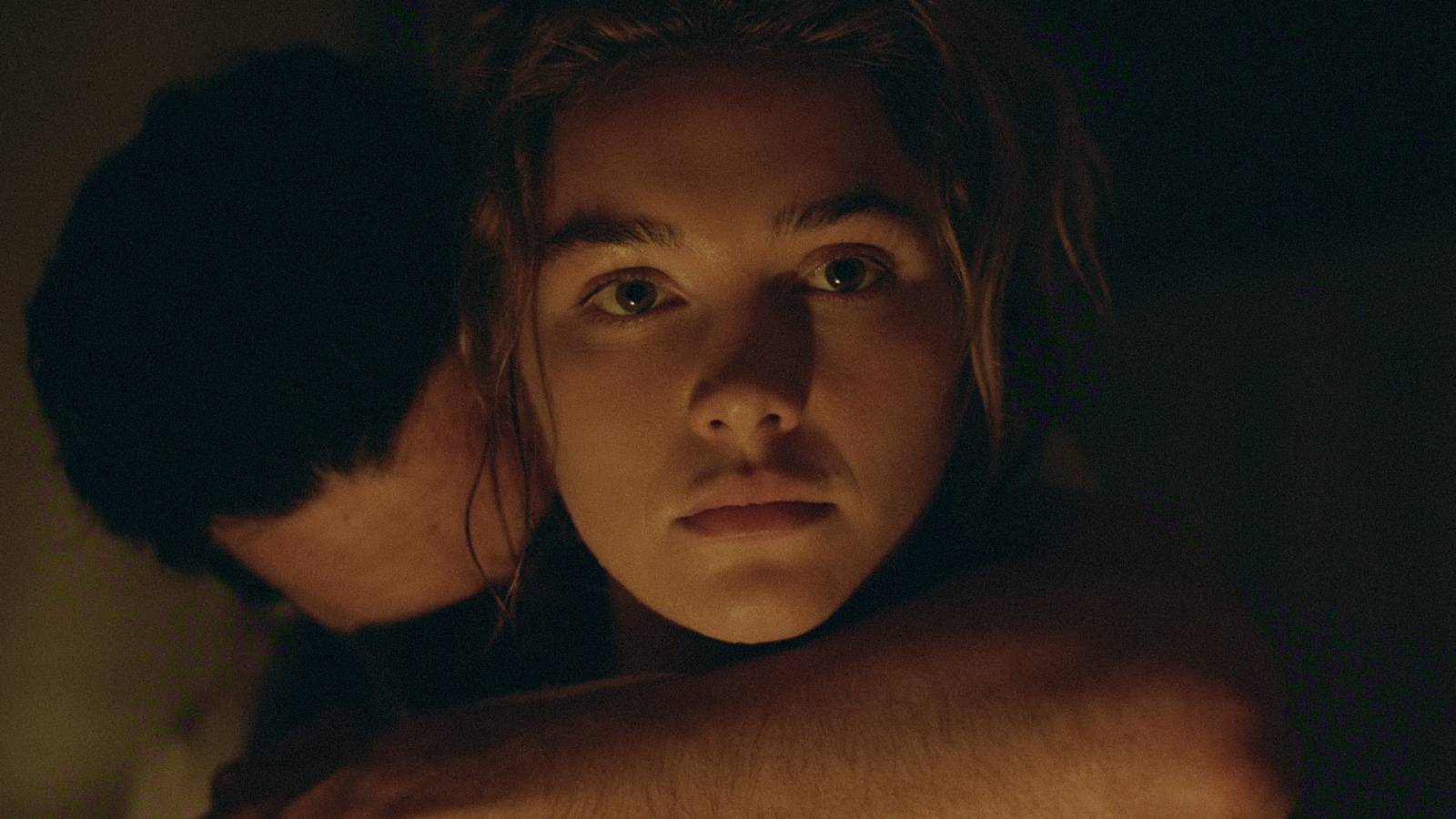
At its core, Carrie is held together by the masterful performances of Summer H. Howell as Carrie White and Samantha Sloyan as Margaret White. Beyond appearing like great fits on the surface, they deliver much more with the unexpected left turns that Flanagan takes with these characters, allowing Howell and Sloyan to remarkably elevate the source material and these iconic horror figures for a new generation.
When it was announced that Carrie was going to be adapted, Mike Flanagan's frequent collaborator Samantha Sloyan was instantly the most popular fancast. She had recently given an Emmy-deserving turn in Midnight Mass as the villainous religious zealot Bev Keane, who drew numerous comparisons to King and De Palma’s iterations of Margaret White.
Rather than Sloyan playing the same character again, she goes much deeper with Carrie by miraculously making Margaret more sympathetic. She remains an antagonist, but the tragedy of her character is far more complex through Sloyan’s quiet mannerisms and ability to showcase Margaret's deeply human desperation, impressively oscillating between an unforgivable, small-minded manipulator and fearful, desperate mother.
After Carrie, Summer H. Howell has undeniably cemented a place in the new generation of scream queens.
After Carrie, Summer H. Howell has undeniably cemented a place in the new generation of scream queens. Her Carrie is consistently compelling amid the sharp turns her performance takes; captivatingly growing from a quiet, innocent, deeply likable yet strange, sheltered kid into a well-rounded, flawed, angry yet still compassionate teenager finally taking control of her life. With the emotional depth and complexity Howell gives to Carrie, it’s no wonder Flanagan made the (possibly controversial) changes to her ending that he did.
By the final two episodes, Carrie becomes the strongest example of Mike Flanagan’s deep understanding of Stephen King’s work and what makes it so compelling beyond the horror. Character work has always been Flanagan’s greatest strength, and he blends his unique touch on horror to enhance the ominousness, fear, and cruelty that define this story.
There’s a striking nuance and confidence to Carrie that feels like the most realized version of Flanagan’s take on a King story after Doctor Sleep, Gerald’s Game, and The Life of Chuck. There are more echoes of the most compelling aspects of his character work and writing in Hill House and Midnight Mass in this series, and Carrie only puts more faith in his pending adaptations of The Mist and The Dark Tower.
All eight episodes of Carrie release October 7, 2026 on Prime Video.

Release Date October 7, 2026
Network Prime Video
Episodes 8
Pros & Cons
- Excellent performances, especially with Summer H. Howell
- The TV series format allows for more character depth
- Modernization strengthens the original story's themes
- The Prom sequence is at its best
- The story drags at times
- The final moments feel underdeveloped


 English (US) ·