
With all the talk of superchips driving AI inference in the data center and the likes of the Spark RTX architecture bringing Windows AI capabilities to unprecedented heights, it’s easy to overlook how much room there is for improvement in some of the most challenging device classes when it comes to power management: IoT and wearables.
For products like environmental sensors that may have to relay information from remote areas, a battery life measured in years can be essential since. On the other hand, small wearables such as rings, watches, and pendants require smaller batteries while their biomarker monitoring functions
Two of the largest SoC vendors, however, have taken aim at one of these markets with major upgrades to their product lines aimed at them.
Genio gears up for physical AI
Mediatek has long targeted the IoT market, which includes a mélange of applications such as digital signage, smart city sensors, retail, and industrial robotics. The last of those is increasingly turning to physical AI, where the intelligence of the machines can match their ability to lift and move items.
The company seeks to accelerate the market with its new Genio Pro 5100 IoT chip, which is built on a state-of-the-art 3 nm process, combines CPU performance that rivals that of Intel’s Core chips, ARM’s Immortalis GPU architecture, and a powerful NPU.
With many IoT applications focused on analyzing images, the chip can support up to 16 full HD camera inputs or or two 4K inputs (both at 30 frames per second) as well as Vision Langauge Models optimized for the platform.
Robotics is one of the fastest growing applications for these kinds of chips. MediaTek is supporting both Linux and the ROS (Robotics Operating System) for applications in factory automation, transportation and logistics, and hospitality and intends to support the line for seven to 12 years.
While the Genio Pro doesn’t integrate wireless connectivity, modules are available for Wi-Fi and Bluetooth as well as cellular, including low-power 5G RedCap.
A new breed of wearables
Qualcomm has been active in the wearables market for years (and even once released its own smartwatch called Toq, although that was intended more to highlight its since-abandoned Mirasol display technology).
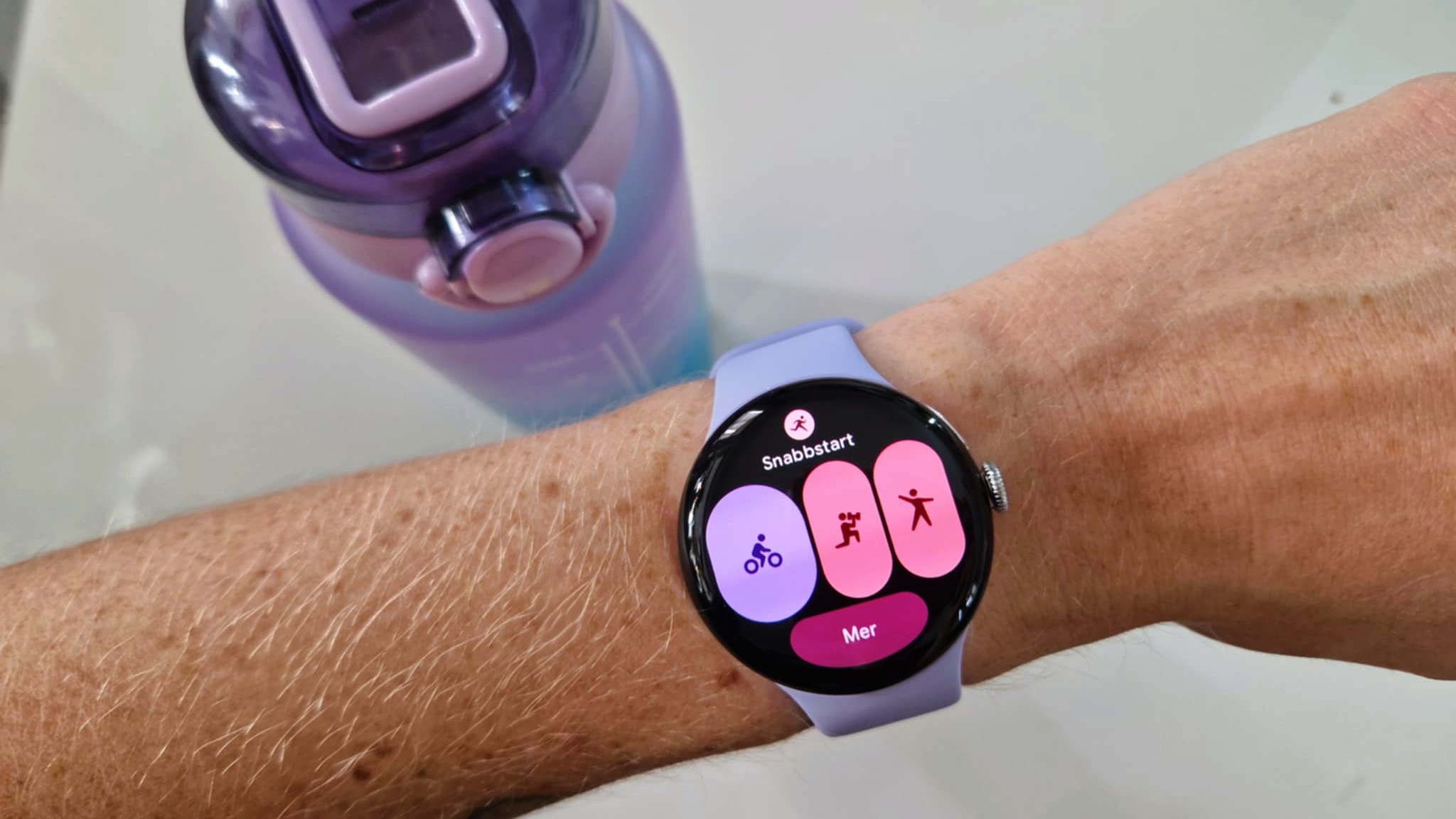
Variants of its W5 chip have powered the last few generations of Pixel watches. The company’s new Snapdragon Elite represents a significant jump in performance from the previous W5, which, like MediaTek’s current-generation Genio IoT chip, will stay in the market for more cost-sensitive devices.
The new SoC, which like the Genio Pro is based on a 3 nm process node, boasts improvements in four main areas: micropower connectivity, low-power islands, performance, and user experience. With wearables expected to instantly apply AI processing to inputs that surround us, Qualcomm has implemented a dual-NPU architecture.
The main NPU can handle the same level of token processing as a two-year-old smartphone (about 18 to 20 tokens per second for a roughly 1-billion parameter model). However, a new eNPU is designed to take on tasks that require fast responses like voice activation and active noise cancellation while allowing for days of usage between charges.
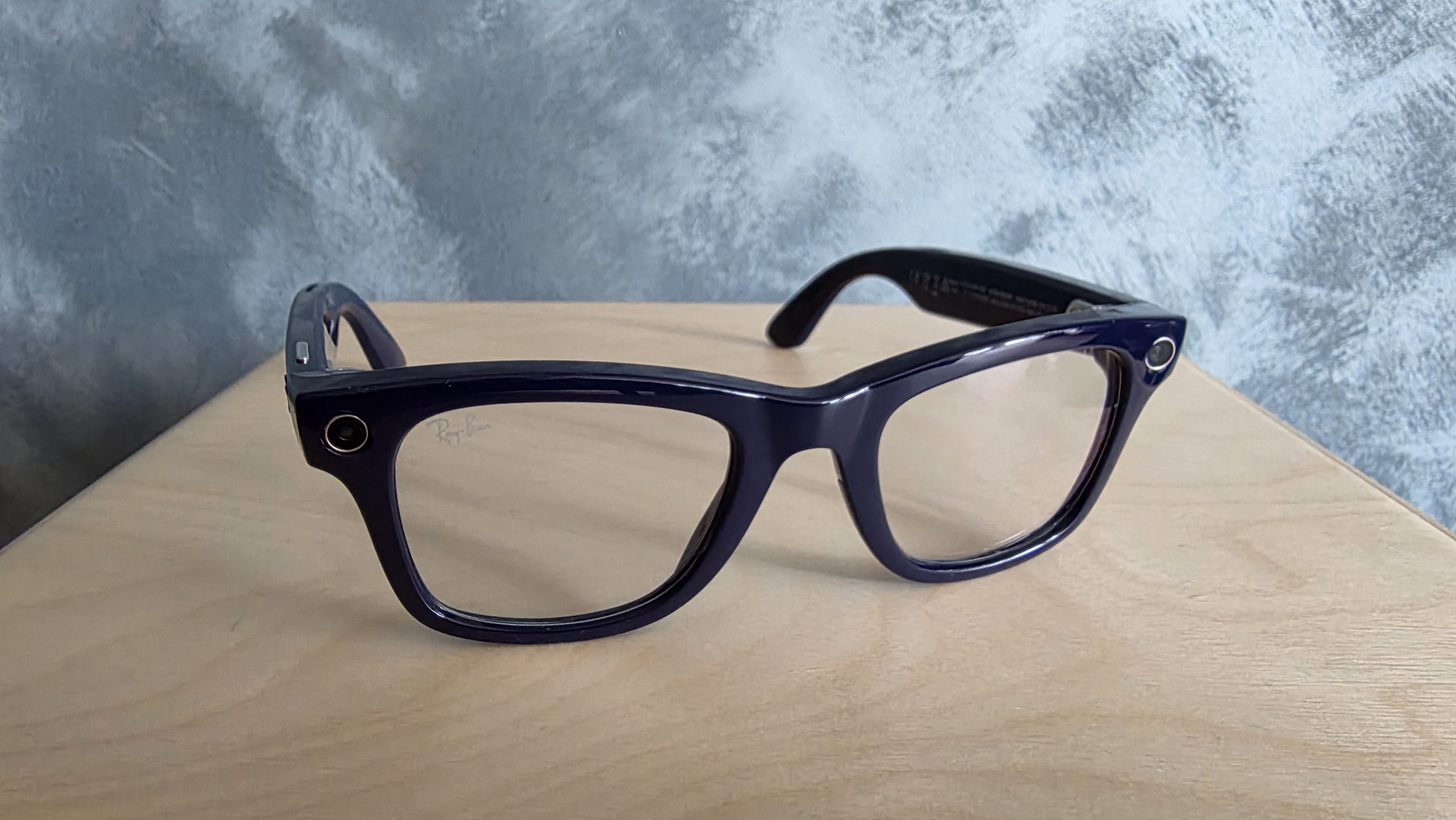
The new chip also supports Qualcomm’s micropower Wi-Fi (which uses 80% lower power than the previous generation) as well as the low-power 5G RedCap cellular standard and satellite connectivity.
This flexibility is intended to help drive the next wave of wearable applications such as health and fitness coaching, lifeblogging, on-device translation, and USB-based authentication using standards such as Aliro, a sister standard of Matter.
At Mobile World Congress, Samsung, Motorola, and Google announced support for the Snapdragon Wear Elite, with the first noting that the new chip will be used in at least one version of the Galaxy Watch 9.
However, we should see far more devices based on both company’s leaps in 2027 and beyond, bringing new levels of intelligence to products that are constantly with us and many that work invisibly on our behalf.
Ray-Ban Meta (Gen 2) review: still the smart glasses to beat, but there's room to grow - YouTube







 English (US) ·