
 2 weeks ago
47
2 weeks ago
47
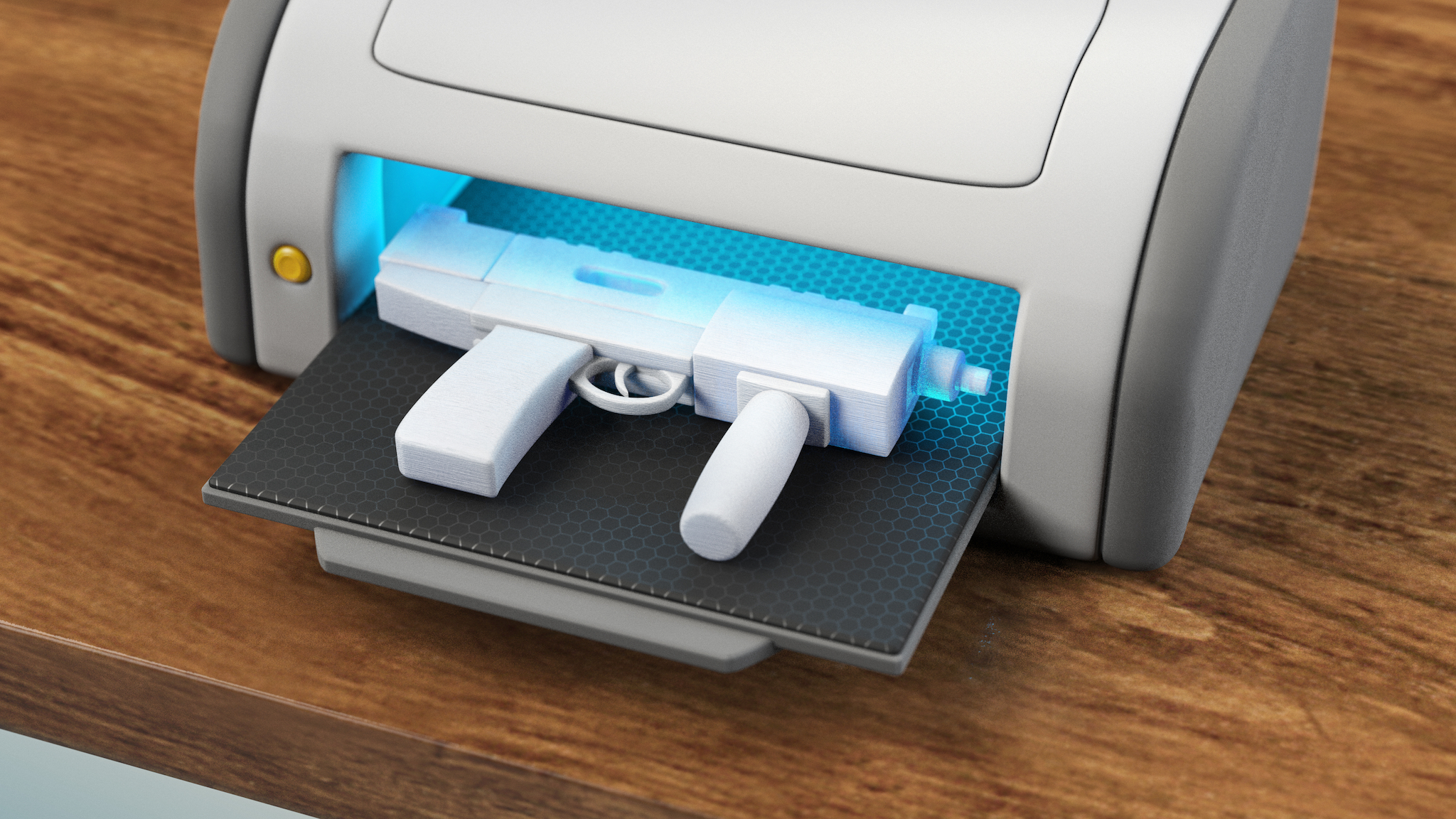
California's Assembly has passed AB 2047, the California Firearm Printing Prevention Act, sending the amended bill to the state Senate after it was amended on May 18 and ordered to a third reading the following day. The proposal would require every 3D printer sold in the state to ship with "firearm blocking technology" that screens a design file before a print job can begin, and it goes further than parallel bills in New York, Washington, and Colorado by making it a misdemeanor for owners to disable or circumvent that system, a provision the Electronic Frontier Foundation argues would effectively criminalize third-party open-source firmware.
Introduced in February by Assembly Member Rebecca Bauer-Kahan, the bill would add a new title to the state's Civil Code and lean heavily on the California Department of Justice. The agency would investigate existing firearm blueprint detection algorithms and publish performance standards by January 1, 2028.
Printer makers would then file a sworn attestation for each model by July 1, 2028, with false statements punishable as perjury, and the DOJ would publish a list of compliant models by September 1, 2028. From March 1, 2029, selling a non-compliant printer in the state would carry a civil penalty of up to $25,000 per violation.
The anti-circumvention clause distinguishes AB 2047 from other efforts by states like Washington and Colorado. In its published analysis, the EFF described the bill as mandating "censorware" on every 3D printer and warned that blocking users from modifying their own machines would lock them into manufacturer ecosystems, mirroring the consumable lock-in and planned obsolescence seen in 2D inkjet printers. Authors Cliff Braun and Rory Mir wrote that reselling a printer dropped from the state's compliant list could expose the seller to misdemeanor charges, something that has already mobilized the maker community, which relies on open firmware such as Marlin and Klipper, that the clause would put at risk.
AB 2047 doesn’t require a perfect detection rate, and its performance standards must account for both false positives and false negatives. Opponents note that firearm components share geometry with ordinary mechanical parts, that minor edits to a file change its digital signature, and that analysis capable of catching either may exceed the compute available on consumer printers, pushing checks to remote servers and raising privacy and connectivity questions.
Supporters, meanwhile, argue that the measure closes a huge gap in enforcement; Assemblymember Bauer-Kahan's office, in announcing the legislation, cited a Santa Rosa seizure of three printers and 167 firearms, 150 of which had obliterated serial numbers, and highlighted an Everytown for Gun Safety report finding that recoveries of 3D-printed guns rose 1,000% across 20 cities between 2020 and 2024.
The bill exempts printers sold to licensed firearms manufacturers, law enforcement, and propmaking studios, but not consumer machines in schools, libraries, or makerspaces. It now moves to the state Senate for consideration.
Follow Tom's Hardware on Google News, or add us as a preferred source, to get our latest news, analysis, & reviews in your feeds.





 English (US) ·