
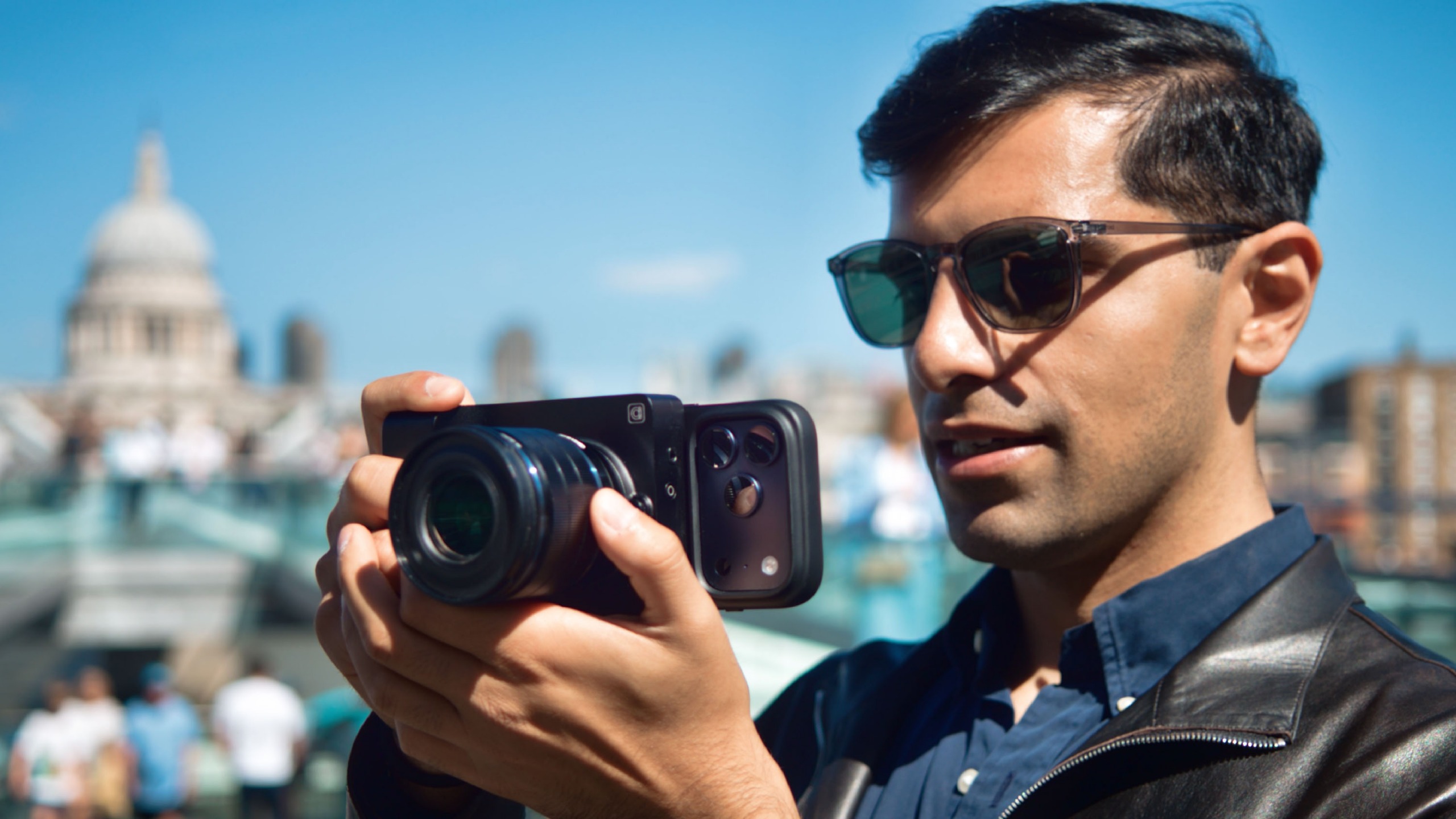
- Caira is adding generative video editing powered by Google’s Gemini Omni 1.1 Flash and Runway’s Aleph 2.0
- The feature can relight, reframe and extend captured footage or add simulated camera movements using natural-language instructions
- Every edit must start with footage shot on Caira, while AI-generated results are saved separately and marked using Google’s SynthID
Camera Intelligence, the AI camera startup that created Caira, an AI-native Micro Four Thirds mirrorless camera, today announced Generative Video Editing is being added to the existing Caira camera system. Camera Intelligence claims it is the first company to integrate video-generation models into a mirrorless camera system.
Generative Video Editing works through the Caira app with footage captured on the existing Caira device — it can’t generate its own AI video. A private beta opens for current Caira customers, before becoming part of the paid Caira Studio software package in Autumn 2026. Pricing hasn’t been announced.
"Last year we were the first mirrorless camera to edit photographs with generative AI, and we learned a great deal from the conversation that followed," said Vishal Kumar, CEO and co-founder of Camera Intelligence. "This year, after shipping Caira a large majority of our surveyed backers said generative editing for video would be useful to them - a clear impetus to bring these ideas to life.”
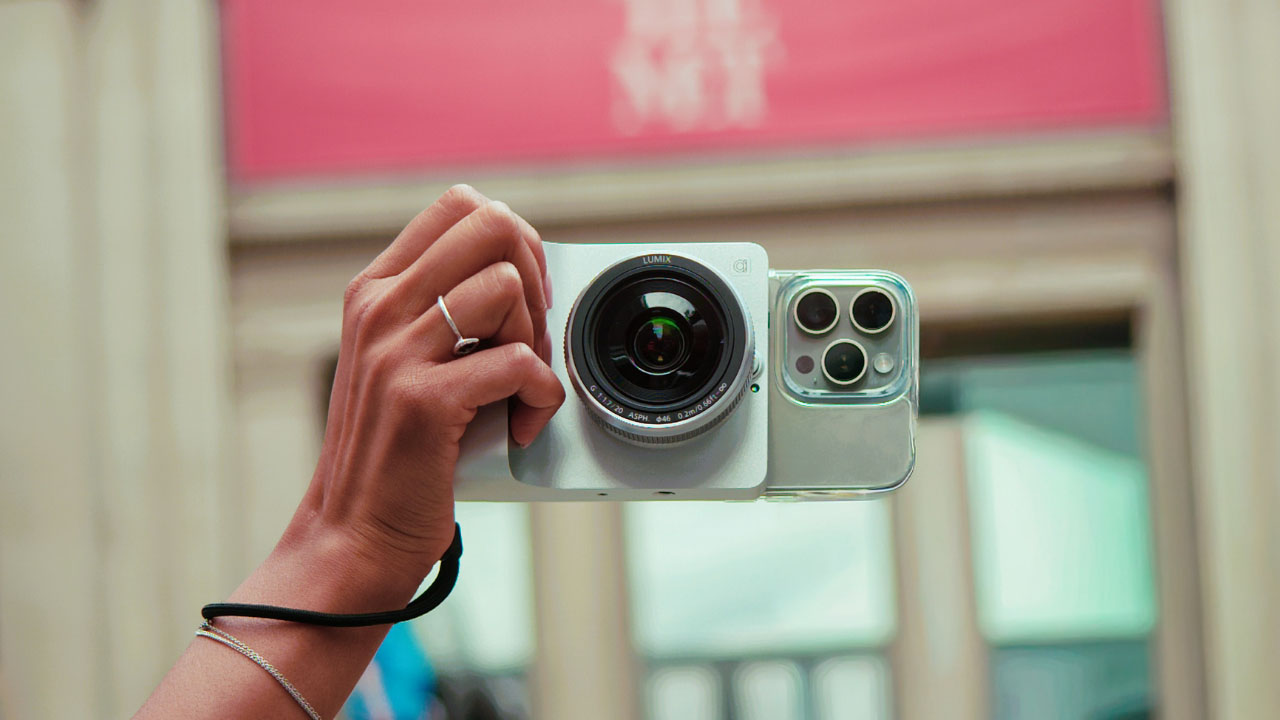
Powered by Google’s Gemini Omni and Runway’s Aleph 2.0
Powered by Google's Gemini Omni 1.1 Flash and Runway's Aleph 2.0, Camera Intelligence is the first company to embed video generation models directly into a mirrorless camera system.
Through the Caira app, you can apply visual and camera-motion effects in-the-moment to footage you have already captured with Caira via a series of templates guided by natural language.
We first reviewed the Caira camera last year. It combined a proper Micro Four Thirds hardware with the simplicity of a smartphone (the Caira snaps onto your iPhone using MagSafe) into a weird but impressive hybrid.
Under the hood it’s running a proper Micro Four Thirds sensor, powered by Qualcomm and Google silicon but its real party trick is Google’s ‘Nano Banana’ generative AI — a powerful on-device editor paywalled for $7p/m, which also unleashes smart voice control, and edits are rapid and impressive, meaning you can edit on the camera, without ever needing to open a laptop.
Staying rooted in photography
Video editing will work through a curated library of templates which can perform color grading or simulate drone-style sweeps and other complex camera paths. At launch the new system will contain Relight, Reframe, Camera Motion and Set Extension template. You can further refine them with conversational editing. Output will be in 720p and 1080p with it taking one to three minutes to generate depending on the resolution.
Since there is no text-to-video functionality every edit has to begin with footage you’ve captured with Caira. When you generate a video it is saved as a separate file from the original and watermarked with Google’s SynthID so it is clearly marked as AI-generated content.
This new Generative Video Editing feature forms part of the Caira Studio app, launching in Autumn 2026. The app will contain the already existing Image Editing feature together with one more, as yet unannounced feature. The private beta opens today and existing Caira customers can register their interest to join.
With the new Generative Video Editing features if feels like Camera Intelligence wants to put generative AI as close as possible to the act of filming while reassuring filmmakers that it isn’t trying to make filming unnecessary. That requirement keeps Caira rooted in photography: whatever the AI adds afterwards, the creative process begins with someone behind a camera choosing what to shoot.

Follow TechRadar on Google News and add us as a preferred source to get our expert news, reviews, and opinion in your feeds.





 English (US) ·