
 ©Miramax Films/Courtesy Everett Collection

Published Feb 9, 2026, 6:14 PM EST
Betty Robertson is a Contributor at ScreenRant. She's new to Entertainment Journalism, starting her career with it in 2026. Prior to joining Valnet, she was a full time Writer and Narrative Designers for Games like Assassin's Creed, Alien: Rogue Incursion, Lovelink, and Poppy Playtime.
Jennifer loves TV, especially science fiction. She also loves late-night talk shows, due to her insomnia. Alien: Earth is definitely one of her favorite shows, and she jumps on any chance she gets to write about it. Even on her days off, she will claim an Alien Earth article if one is available.
She is an award-winning screenwriter, a member of BAFTA, and a contributor to UBC's Game Writing Program.
When she's not writing she's playing sports (soccer, softball, basketball, and pickleball), watching travel shows, or walking her dog, Banana.
Pulp Fiction is heading off of Netflix this March, and unlike Bruce Willis in that iconic scene, it probably won't be returning with a katana any time soon.
The film was originally conceived by director, Quentin Tarantino, and writing partner, Roger Avary. The pair worked together on other films: True Romance (directed by Tony Scott), and Reservoir Dogs while working together at Video Archives in Southern California. In fact, the legendary opening featuring Christopher Walken and a watch was originally written for the latter.
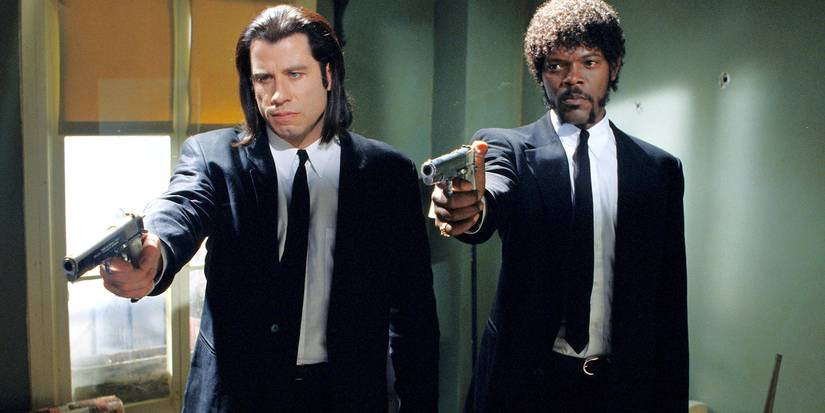
It's no hyperbole to say that 1994's Pulp Fiction changed the film landscape forever. From video stores to dorm room walls, the iconic poster to the iconic film is as recognizable as Star Wars or Fight Club. It was many viewers' first forays into nonlinear storytelling and currently sits at 92% on Rotten Tomatoes, the highest of any Tarantino movie.
Bruce Willis stars as Butch Cassidy, a boxer, in one of the three stories entangled into a nonlinear narrative. The role of Cassidy almost went to Tarantino collaborator, Tim Roth, who ended up playing one half of the couple robbing the diner in the beginning of the film instead.
Pulp Fiction was the first film ever fully funded by Miramax. The Weinsteins fell in love with the film after reading the script and acted fast, expecting a bidding war. However, the violent subject matter turned other production companies, like Orion and Columbia TriStar, off the project. Much to their chagrin, as Pulp Fiction won the Palm D'Or at Cannes.
Action movie mainstays like Christopher McQuarrie, Doug Liman, and Guy Ritchie were all inspired by Pulp Fiction and would go on to direct their own imitators. Indeed, the film began the crime movie boom of the 90's-00's. Suddenly sleek suits, surfer rock, and conversational dialogue were in vogue.
The use of non-linear storytelling opened the door for other mind-bending crime films like Christopher Nolan's debut feature, Memento, and Alejandro González Iñárritu's 21 Grams. With Pulp Fiction's success, films could be more experimental with the order in which a story was told.
Later films like Satoshi Kon's Paprika would benefit from the acceptable levels of nonlinearity Pulp Fiction made accessible to viewers. There's a reason it's often one of the first films played on film studies courses.
Pulp Fiction has been referenced in many adult cartoons, includingThe Simpsons, Family Guy, and even in the reference-heavy iconic opening of Chainsaw Man.
Tarantino's own star was rising with Pulp Fiction, and the film's critical and audience success skyrocketed him into stardom. From there he went on to collaborate with Robert Rodriguez on From Dusk Till Dawn, and to write and direct 1997's Jackie Brown.
Pulp Fiction has had a relatively short tenure on Netflix, only being available on the streaming app since December 2025. It's likely due to licensing, as Paramount holds 49% of a stake in the IP and likely wants to have it on its own streaming platform, Paramount+.
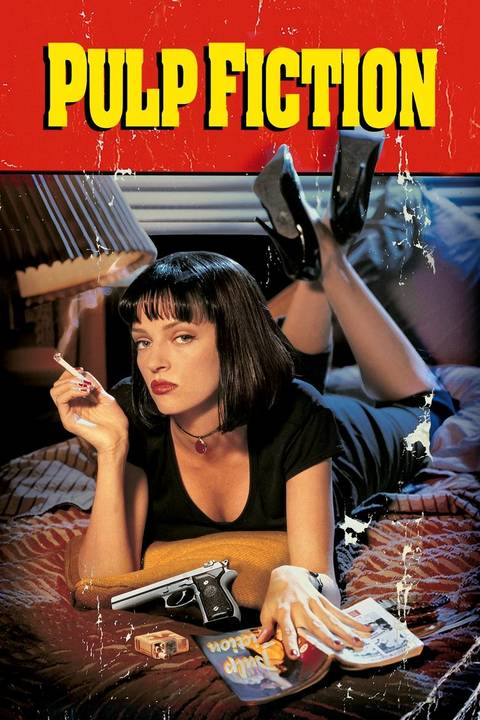
Release Date September 10, 1994
Runtime 154 minutes







:quality(85):upscale()/2026/02/02/940/n/1922153/tmp_2bS324_5518251436641b44_Photo_Grid_3_Up_-_Burgundy_Green-2-Photo_Grid_4up_Main_-_Green_Burgundy_1_.jpeg)
 English (US) ·