


Published Mar 15, 2026, 8:00 AM EDT
Ben Sherlock is a Tomatometer-approved film and TV critic who runs the massively underrated YouTube channel I Got Touched at the Cinema. Before working at Screen Rant, Ben wrote for Game Rant, Taste of Cinema, Comic Book Resources, and BabbleTop. He's also an indie filmmaker, a standup comedian, and an alumnus of the School of Rock.
The explosive series finale of Breaking Bad made it look surprisingly easy to give a hit show a satisfying ending. Most series finales make the opposite case. The final episodes of shows like Dexter and Game of Thrones and How I Met Your Mother have made it look impossible to end a popular, long-running series in a way that satisfies fans.
But Breaking Bad’s final episode, written and directed by series creator Vince Gilligan, is testament to the idea that sometimes the simplest solution is the right one. He didn’t try to subvert anyone’s expectations with the Breaking Bad finale; he gave them the ending he’d been promising from the very beginning. Gilligan simply stayed true to the story he was telling, and delivered a perfect finale.
It’s almost impossible to pull off a satisfying series finale, especially for a show like Breaking Bad that’s been barreling toward its endgame from the very start. But Gilligan made it look surprisingly straightforward.
Breaking Bad's Formula For Finale Success Was Surprisingly Simple
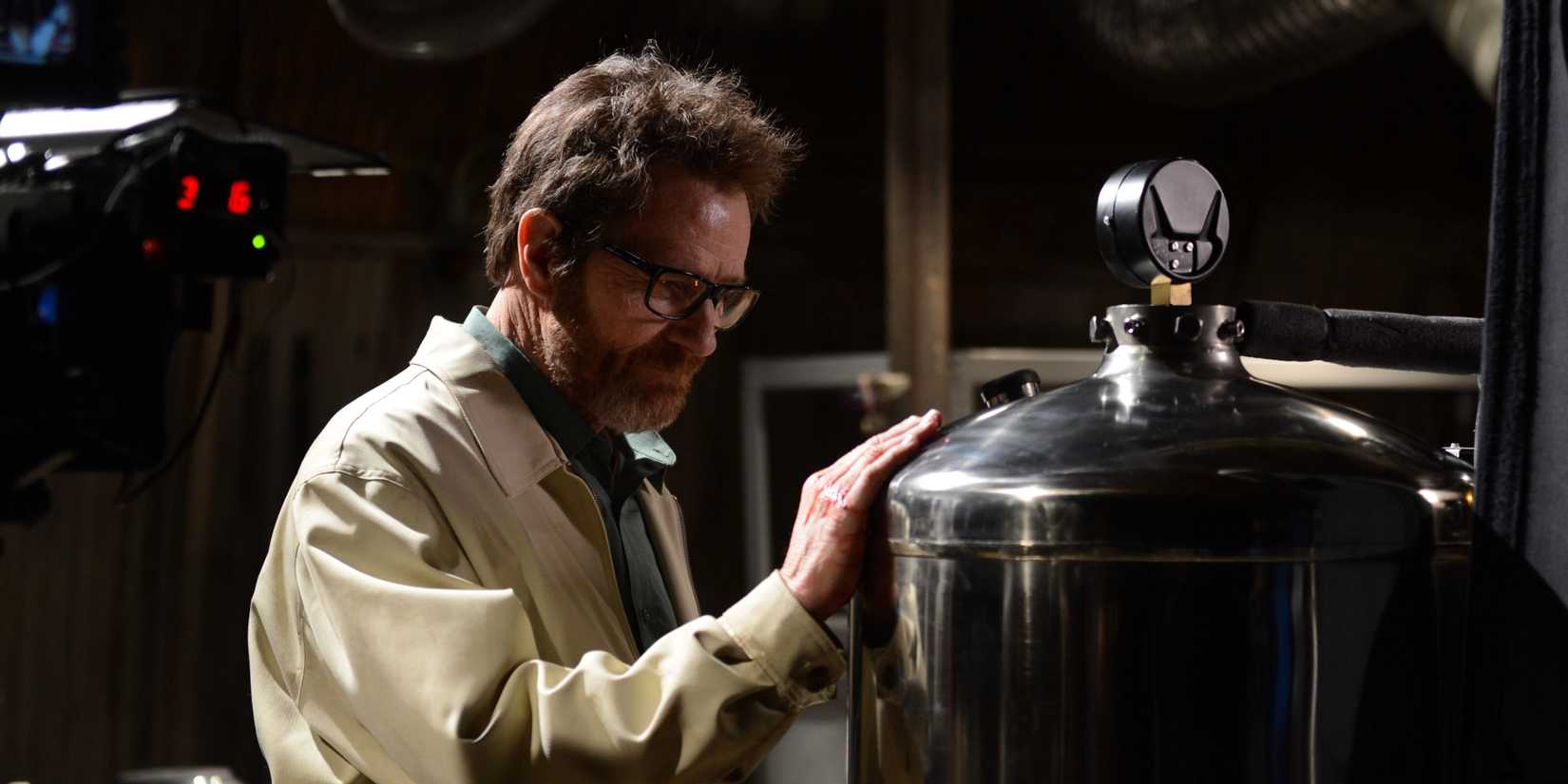
Gilligan made a lot of smart moves with the final season of Breaking Bad that set up the finale to succeed. He didn’t hold off on the climactic action until the last episode — he put the climax of the series in the third-to-last episode, “Ozymandias” — so the finale could focus on being a sort of epilogue wrapping everything up in a neat bow.
The penultimate episode of Breaking Bad ends with Walt coming out of hiding, turning himself in, and waiting for the cops to arrest him. But when he sees his old business partners admonishing him on Charlie Rose, he decides he’s not quite ready to go down and heads back to Albuquerque to settle some old scores.
This set the stage for the finale perfectly. It planted Walt firmly at the end of his road, ready to give up everything, and set him up with a clear goal: kill all his enemies, and brute-force his remaining cash into his family’s lives.
The strength of Breaking Bad’s final episode is that it doesn’t try too hard to subvert your expectations with shocking twists. It just takes each character to their logical conclusion and ties up all the loose ends, while ramping up the stakes and intensity for one last showdown.
Although we were long past the point of empathizing with Walt at this point, the finale got us to root for him one last time. After everything Jack and his gang did to Jesse, it was immensely satisfying to see Walt use his scientific know-how to massacre them all in cold blood.
But it’s not just an action-packed shoot-‘em-up; the episode also has perfectly judged final moments between Walt and Skyler, and Walt and Jesse. It brings the entire saga to a natural stopping point, and ends the tale of Walter White on an appropriately bittersweet note.
Better Call Saul's Finale Succeeded Using The Same Formula
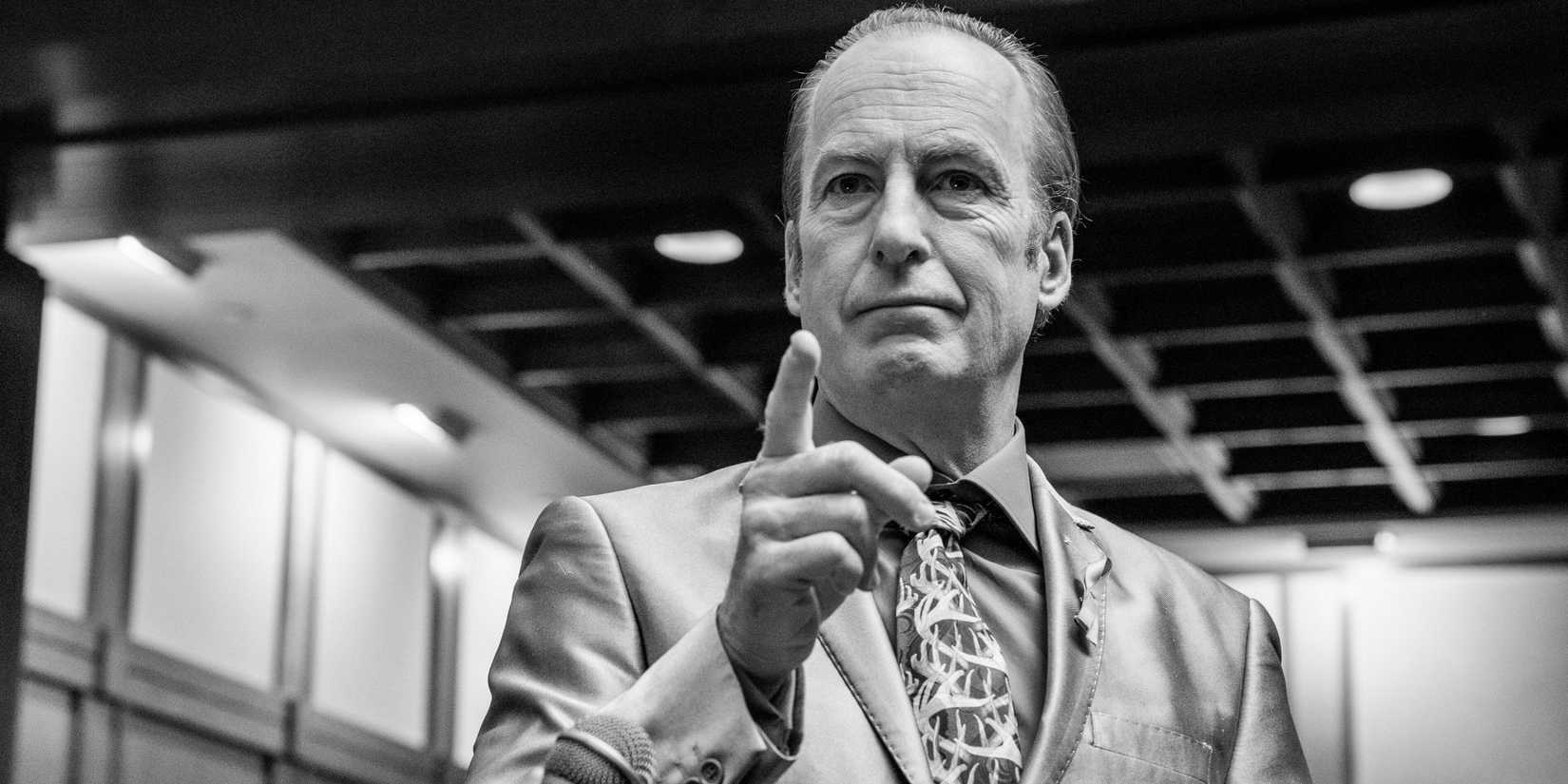
When it came time to wrap up Better Call Saul in 2022, Gilligan’s co-creator Peter Gould capitalized on the same finale formula that made Breaking Bad’s swansong so effective. Better Call Saul’s final episode, “Saul Gone,” isn’t trying to shock its audience; it’s just trying to bring this sprawling, complicated story to its organic conclusion — and, in doing so, delivers another perfect finale.
Much like Breaking Bad, Better Call Saul reached its climax a couple of episodes before the finale, so the finale felt like a postscript. It’s not the most unexpected setup for the finale; it seemed likely that Jimmy would get caught, and that he would somehow be brought back into a courtroom for the very public nadir of his slippery lawyering. But it worked, because it was true to the story.
Having Jimmy talk his way down to a slap on the wrist, then throw out his own deal and face full accountability for his crimes, was a poetic conclusion to the series. Making him a celebrity in prison, and implying a reconciliation between Jimmy and Kim, gave Better Call Saul’s final episode the same bittersweetness that made Breaking Bad’s ending so affecting.
Breaking Bad Now Has 3 Different Finales, And They're All Great

After the final episode of Breaking Bad, the final episode of Better Call Saul, and the spinoff movie El Camino, the Breaking Bad franchise now has three different endings, and they’re all great. Each of these finales focuses on the fate of a different character — Walt in Breaking Bad, Jimmy in Better Call Saul, and Jesse in El Camino — and they each meet a very different fate based on the severity of their sins.
Walt was a murderous monster, so he died by his own hand. Jimmy was an unscrupulous lawyer who broke the law but ultimately had a good heart, so he ended up serving a life sentence surrounded by adoring fans. Jesse was a good kid swept up in the wrong crowd and manipulated by the wrong chemistry teacher, so he deserved the most hopeful ending, escaping to a new life in Alaska, free from the New Mexico drug trade.
Endings are the toughest thing to pull off in any narrative format, but especially in movies and TV shows. So, it’s impressive that out of two long-running TV shows and one spinoff movie, the Breaking Bad universe still hasn’t delivered an ending that was less than great. The only negative thing you could say about Breaking Bad’s ending — that Jesse’s fate is left too ambiguous — was rectified in El Camino’s ending.
Other Iconic Shows Haven't Learned From Breaking Bad's Finale

Even though Breaking Bad rolled out the perfect formula for a satisfying series finale, and its own spinoffs have proven that the formula is repeatable, other iconic shows still haven’t learned the right lessons from Gilligan’s work. Just look at Stranger Things; it was so preoccupied with subverting the fan theories that it lost sight of its own dramatic intentions.
When the Duffer brothers were gearing up to release the final season of Stranger Things, the discourse was more about avoiding Game of Thrones’ mistakes than learning from Breaking Bad’s success. But the lessons are clear: don’t overcomplicate the plot, keep the focus on character, and stay true to the story you’ve been telling.



 English (US) ·