Of course, there's a downside to kicking up the power and skill level of Brouto and his peers. The more the Naruto franchise has to raise the bar for action and intensity, the more the franchise's power scaling swings out of control. After all, Naruto Shippuden ended things off by throwing powerful deities into the mix. Boruto took that idea further, and Two Blue Vortex has no choice but to break through the ceiling.
Boruto: Two Blue Vortex Destroys Naruto's Already Fragile Power Scaling
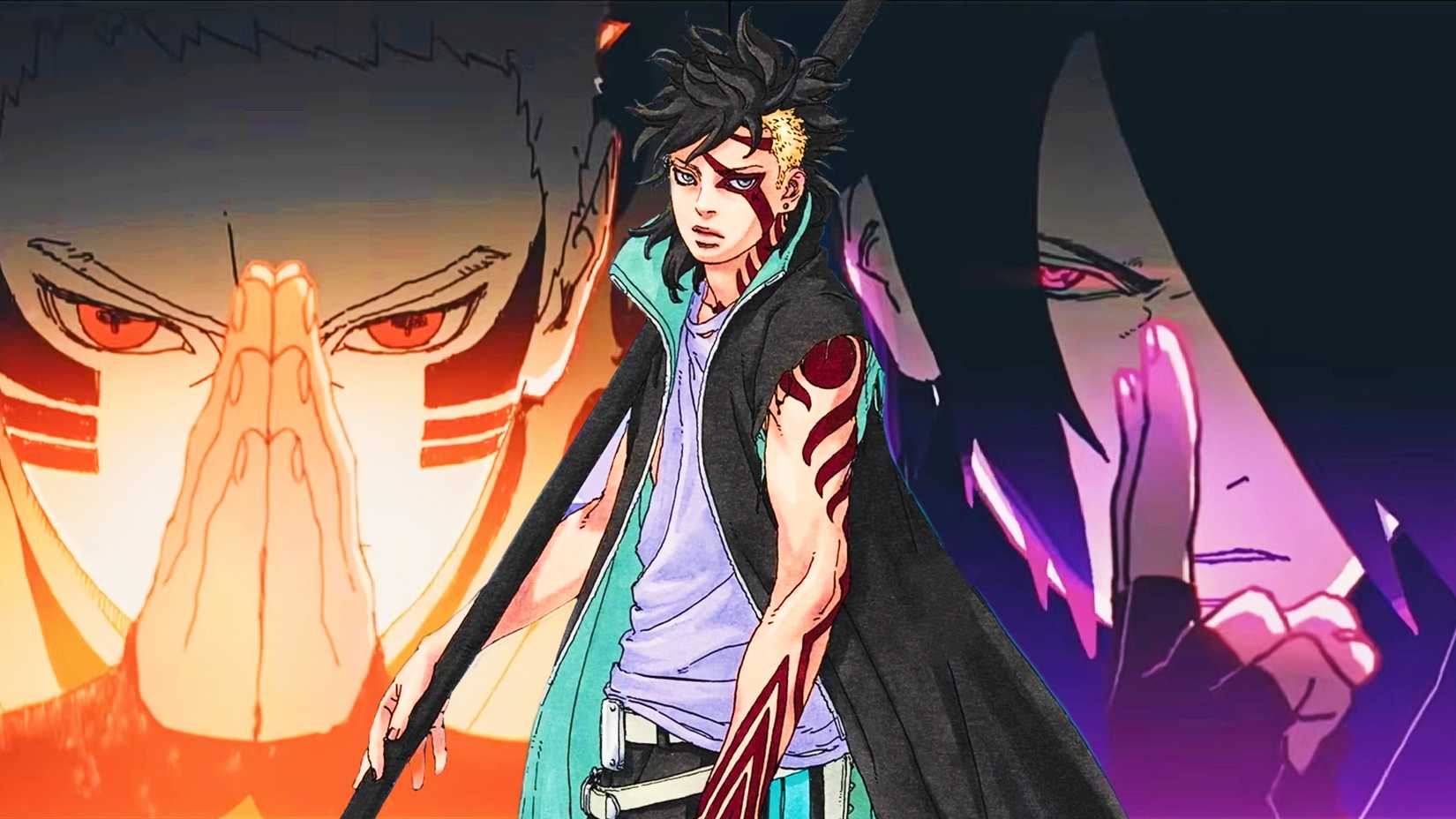
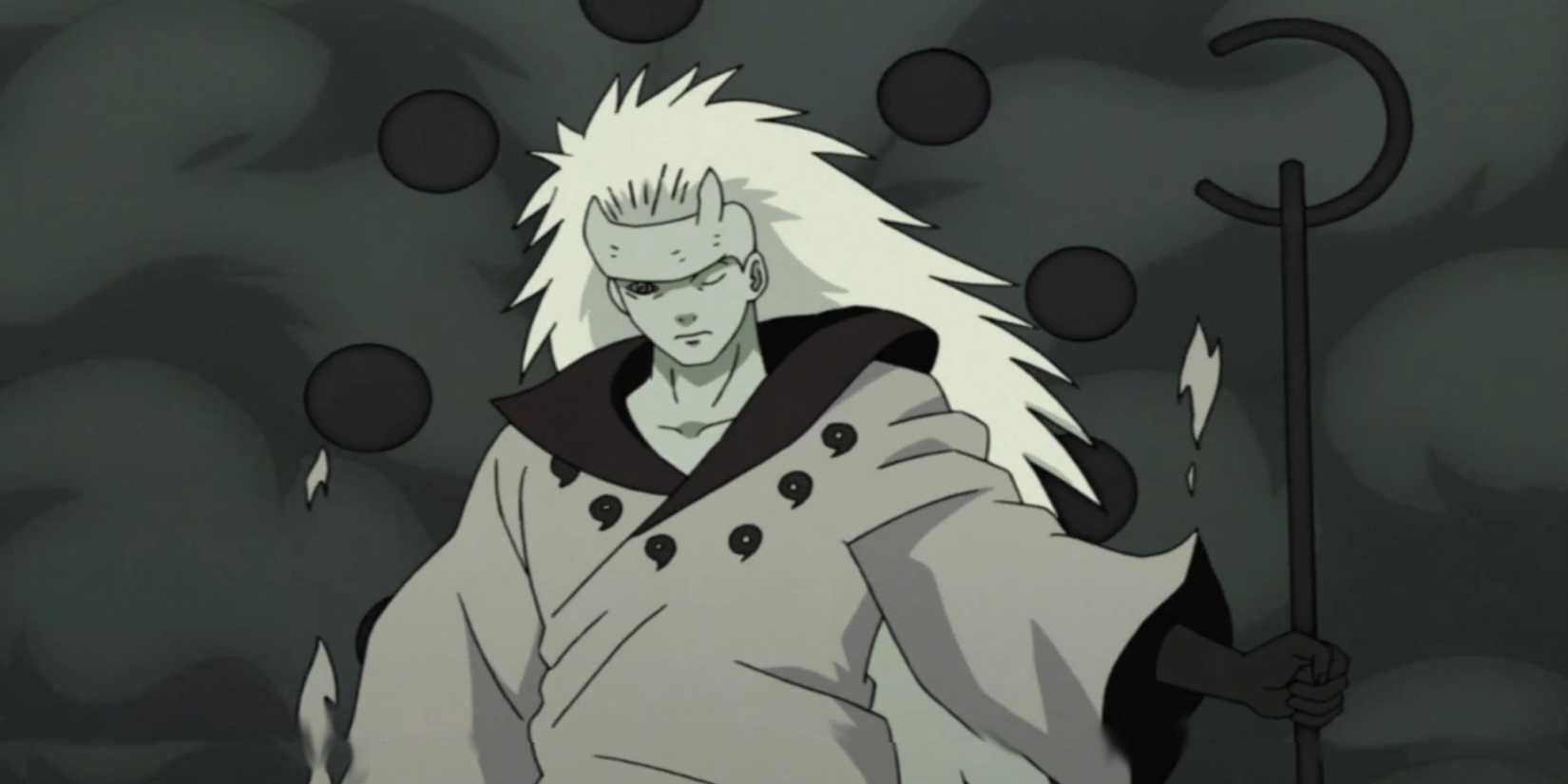
The Boruto: Two Blue Vortex manga has already shown us just how out-of-this-world the power scale is going to be in the anime. A prime example is the introduction of Omnipotence. This shinjutsu goes beyond anything we ever saw from the original Naruto's most powerful villains, including Itachi, Madara, or even Kaguya. Omnipotence is similar to other uses of genjutsu and plays off the idea of the Infinite Tsukuyomi, but it can be used on a global scale, replacing and manipulating the memories of every living being on the planet.
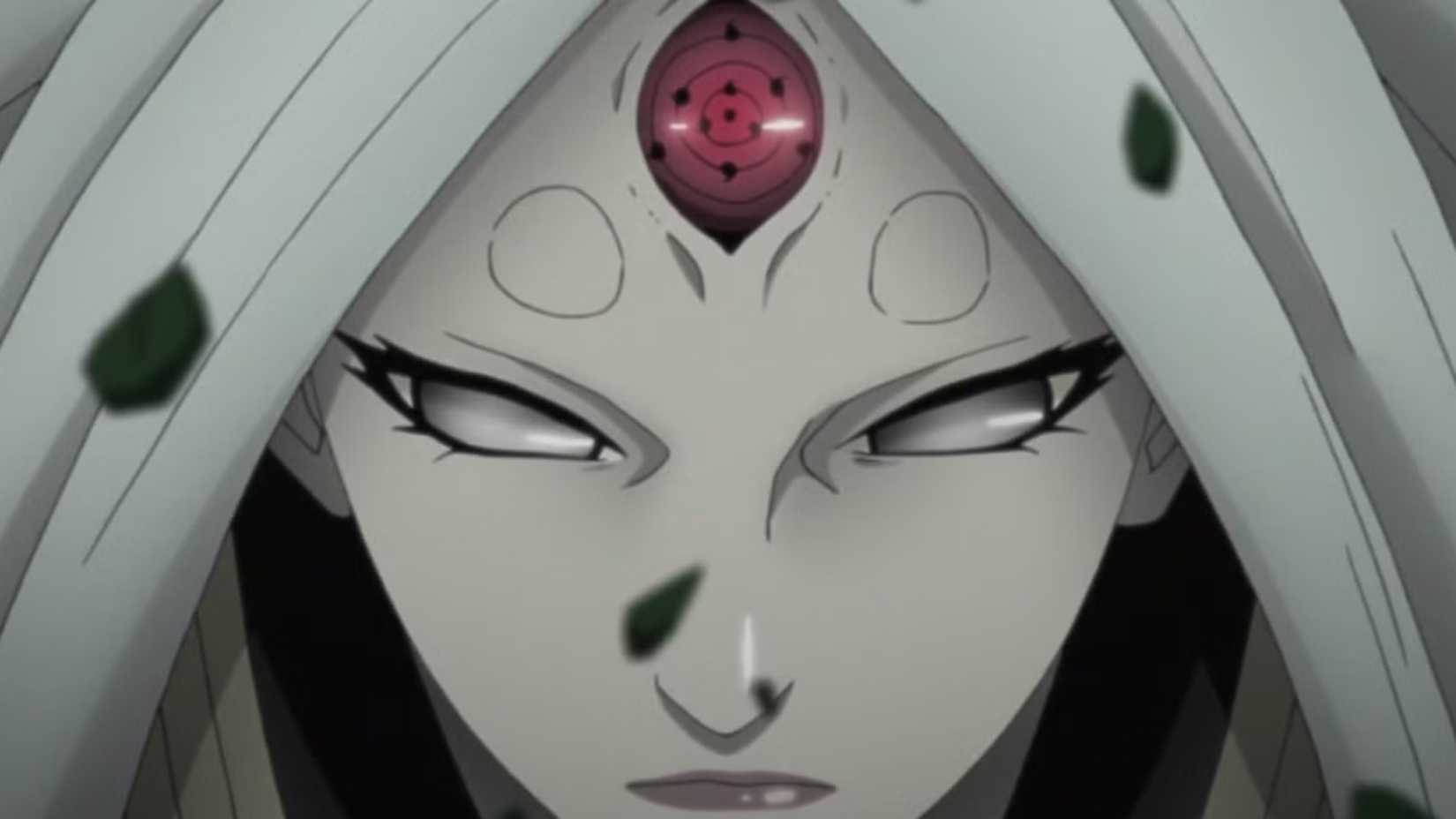
We saw Omnipotence at the end of Boruto: Naruto Next Generation, but as Two Blue Vortex dives into the technique's implications, other characters' abilities will rise to appropriately counter the overall concept. It means that the bar set by Shippuden's ending is almost laughable. The power scaling was already made rather fragile by the introduction of Kaguya, who essentially tossed Madara's power and threat right out the window. Now, even that Ōtsutsuki seems dwarfed by the now unlimited possibilities of Omnipotence and Boruto: Two Blue Vortex as a whole.
Why Power Scaling Isn't A Problem For Boruto: Two Blue Vortex
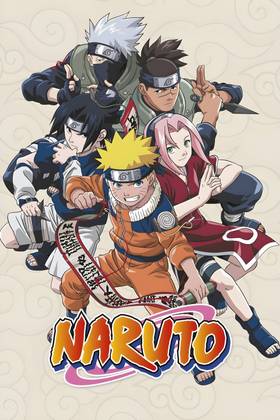
While Boruto: Two Blue Vortex will officially destroy the power scaling for the larger franchise, it won't be as massive a transition as it might have been if Naruto Next Generation hadn't already set the stage with that first wild power-jump. Back in the original Naruto anime, the young Team 7 struggled to hold off against a villain like Zabuza without losing their lives. Even Kakashi struggled. In Naruto Next Generation, Team 7 was put up against aliens before they even concluded the Chunin exams. Our understanding of the Naruto universe's power scale has clearly changed.
Had Kaguya Ōtsutsuki been a one-off, the Naruto power scale might have been salvageable. However, once Naruto Next Generation brought in her alien clan as the series' central antagonists, all bets were off. There's no putting the toothpaste back in the tube, as it were.
That jump in the power scale in Naruto Next Generation essentially means that Two Blue Vortex won't have any problems leaning into Omnipotence and the powers to combat it in the narrative sense. Viewers can sit back and accept the shift for what it is, and the show itself won't suffer (just as the manga hasn't, so far). However, the trouble really comes in when looking at the franchise as a whole. After all, Naruto presented those earlier villains as the most powerful things this universe had seen in centuries. Now, they don't pack the same sort of punch.
The Naruto Universe's Power Levels Changed Too Much Too Fast
There's no doubt that the immense power levels of the villains and heroes of Boruto: Two Blue Vortex will be a lot of fun. The manga has already been spectacular, and bringing all that excitement to the screen with modern animation will easily revitalize the franchise and fandom. Still, there's something to be said about continuity here, as well as the longevity of the larger franchise.
Naruto and Naruto Shippuden were already criticized for their power scaling issues, but there is at least a more logical path of growth here. The story took advantage of the time gap to really kick up Naruto, Sakura, and Sasuke's abilities, and everyone else did a lot of growing as well. The trouble came as Shippuden entered into its final arcs. The Fourth Great Ninja War was when the characters really hit the ceiling, officially dwarfing any previous big displays of power (Pain who?). Boruto then ran that ball forward, rapidly accelerating those power-level changes beyond normal shonen standards.
The rapid destruction of the Naruto power scale means that Boruto: Two Blue Vortex may need to be the franchise's last installment. The manga is only really just beginning, and by the time it comes to a close, it's difficult even to imagine what the power level of this universe's characters will look like. Villains and heroes alike will be beyond god-level without some sort of major reset. Then, even if the story manages to bring things back to traditional, tactical shinobi combat, there's no guarantee that readers or viewers will be interested in going backward.
Said and done, there's a lot to look forward to as the Naruto franchise continues into the Two Blue Vortex anime. We're all suckers for those big displays of power and the repeated underdog victories. With a broken power scale, the franchise can have a bit of outrageous and limitless fun. If this really is the limit of what the Naruto franchise can give us, there's nothing to do but enjoy every second of it.
-
Writer
Masashi Kishimoto
Writers
Masashi Kishimoto
Penciler(s)
Mikio Ikemoto
Inker(s)
Mikio Ikemoto
Colorist(s)
Mikio Ikemoto
Publisher(s)
Viz Media
Years after fleeing his village with Sasuke, Boruto returns to confront the dark changes that have occurred. With memories altered and Kawaki now seen as the hero, Boruto faces a world where he is the outcast. The two rivals must settle their differences as their Otsutsuki powers grow more dangerous.
-
First Film
Naruto the Movie: Ninja Clash in the Land of Snow
Latest Film
Boruto: Naruto the Movie
First TV Show
Naruto
Latest TV Show
Boruto: Naruto Next Generations
First Episode Air Date
October 3, 2002
Cast
Junko Takeuchi, Maile Flanagan, Noriaki Sugiyama, Chie Nakamura, Kazuhiko Inoue, Nana Mizuki, Hideo Ishikawa, Yûko Sanpei
Naruto is a franchise spawned from the manga series penned by Masashi Kishimoto that began in 1999. Generating several tv series, games, movies, and more, Naruto follows the exploits of a young outcast ninja harboring the spirit of a demon fox who seeks to become the Hokage, the leader of his ninja village, to break the stigma against him. Upon the conclusion of the initial series, Naruto expanded into Boruto, following many series protagonists' children and returning faces.







 English (US) ·