
Serving tech enthusiasts for over 25 years.
TechSpot means tech analysis and advice you can trust.
Sounding off: BMW is putting a Spider-Man animation on the center screens of compatible cars as part of a movie promotion, drawing criticism because the campaign clashes with the company's earlier claim that the display is a private space. The campaign effectively turns a car's main screen into a branded advertising surface, which is precisely the kind of use BMW previously said it would not pursue.
The promotion began on July 27, 2026, and is scheduled to run through August 10 across more than 70 markets. On supported vehicles, starting the car brings up a banner on the Control Display, and tapping it launches a full-screen Spider-Man animation with music and ambient lighting effects. BMW says the feature is available on suitably equipped cars built after July 2020 and running BMW Operating System 7, 8, 8.5, 9, or X.
The ad is being pitched as a tie-in to Spider-Man: Brand New Day, rather than a permanent change to the car. BMW told The Autopian that the in-car animation is part of a broader brand partnership with the film. The company also noted that some BMW vehicles appear in the movie and that a special iX3 was shown at the Los Angeles premiere.
The reaction has been sharp because the ad appears inside a product customers have already bought. BMW is not selling a streaming subscription or offering a free app here; it is placing commercial content on the dashboard screen that drivers use every time they start the vehicle. That is where the private-space argument comes in: the car's cabin is supposed to feel personal, not like a billboard.
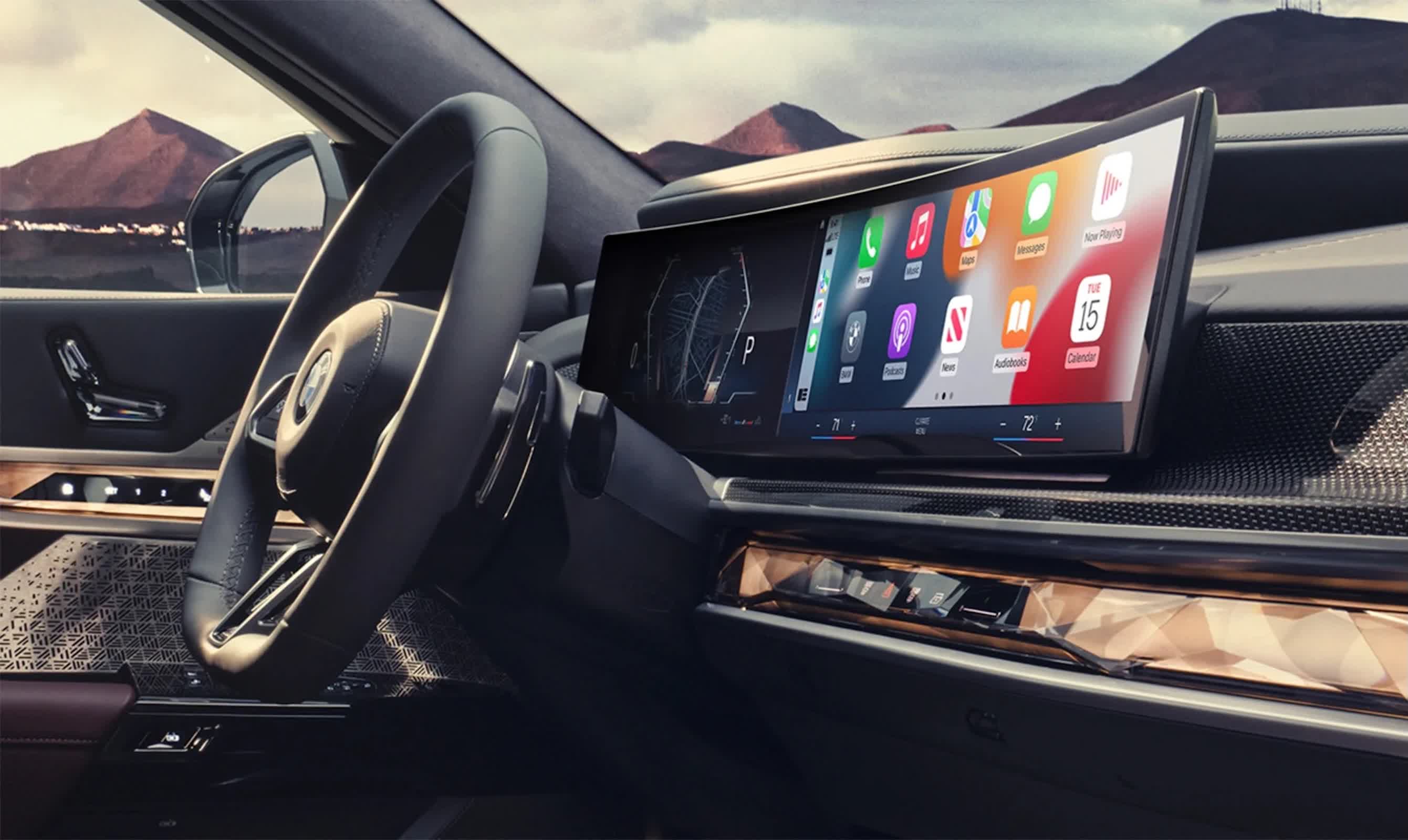
BMW's past comments make the backlash easier to understand. In December 2023, Stephan Durach, BMW Group's senior vice president for connected company development, said during an industry roundtable, "To say I'm selling the screen to play a commercial. I don't see it. It's a private space."
The company's earlier heated-seat subscription still hangs over the issue. BMW charged drivers to activate heated seats that were already installed in their cars, then dropped the subscription in 2023 following criticism. That episode was part of a broader trend around "functions on demand," in which hardware already installed in a vehicle is monetized later through software and recurring fees.
The Spider-Man campaign is not the same as charging for heated seats, but it fits into the same broader strategy: using software, connected services, and the in-car interface to create revenue after the sale. The difference is that, this time, the product being sold is attention rather than access to a physical feature.
BMW has not said that it has changed its position on in-car advertising, at least not publicly. What is clear is that the company has framed this as a limited film partnership rather than a broader advertising policy, which may explain how the campaign went from idea to rollout. That still leaves the basic tension in place: a branded message is now appearing where BMW once said no commercial should appear.
One reason this type of promotion may be becoming more common is that connected cars give automakers a direct path to the driver's screen. Another is that partnerships with movie studios can be packaged as marketing collaborations rather than advertisements, even when the result looks and feels like an ad to the driver.
In this case, the evidence points to a one-off campaign tied to a film launch, but it also shows how software-defined vehicles are turning the dashboard into a place where automakers can monetize drivers' attention in new ways.







 English (US) ·