
 5 hours ago
4
5 hours ago
4

Published Apr 8, 2026, 10:30 AM EDT
The “pirate Game of Thrones" show is about to leave Netflix. Here's why it's worth watching.
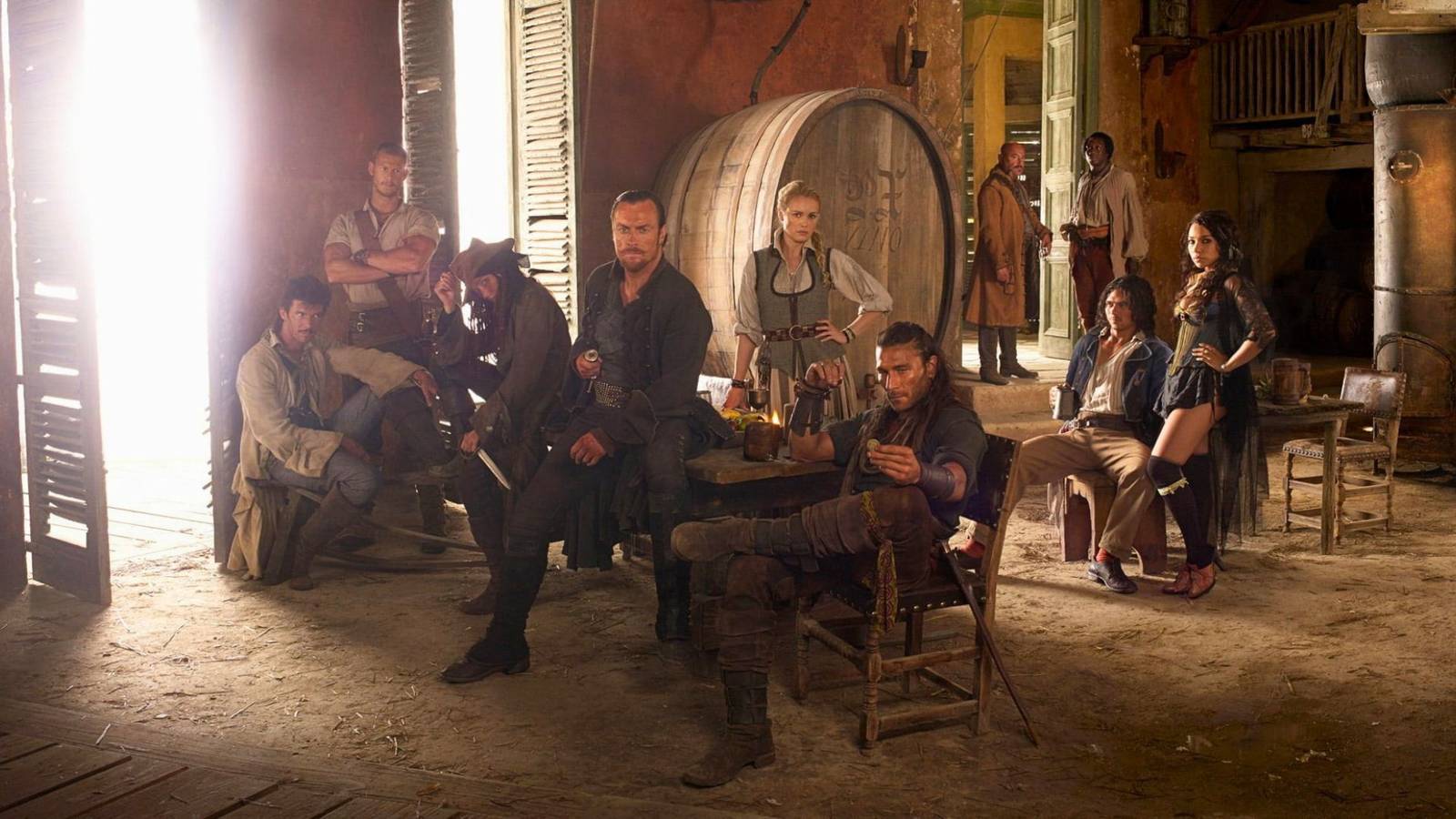 Image: Starz
Robert Louis Stevenson’s Treasure Island makes one thing abundantly clear: Captain Flint is a legendary villain. His ghost haunts the 1883 novel, and his name is spoken with both fear and reverence. Black Sails, a historical action-adventure TV series by Jonathan E. Steinberg and Robert Levine that aired on Starz from 2014 to 2017, aims to explore why. In doing so, the show adds a compelling narrative twist that makes Captain Flint more complex, further enriched by actor Toby Stephens’ captivating performance and the real-life historical battle between civilization and piracy.
Black Sails is streaming on Netflix, but it leaves the service on April 17, making now the perfect time to get acquainted with Captain Flint. (And even after April 17, you'll still be able to watch it on Starz, and a host of other free-with-ads streamers.)
[Ed. note. This article contains spoilers for Black Sails seasons 1 and 2]
 Image: Starz
Black Sails opens with a foreboding message:
"1715 West Indies. The Pirates of New Providence Island threaten maritime trade in the region. The laws of every civilized nation declare them hostis humani generis. Enemies of all mankind. In response, the pirates adhere to a doctrine of their own... War against the world."
In depicting the real-life historical clash between civilization and piracy, the first season of Black Sails provides context for Captain Flint’s depraved and intimidating reputation. We follow Flint as he and other rival crews search for the Urca de Lima, a Spanish treasure galleon (which, as you might have guessed, contains the treasure from Treasure Island). The hunt pushes Flint to his limits, and we see a man who is willing to manipulate, swindle, and murder anyone or anything that gets in his way. This is felt particularly in the very first episode, where Flint responds to a challenge to his captaincy by appealing to his crew. When that doesn’t work, he enacts unimaginable violence in retaliation.
Yet, as sordid as Flint may be, he fits in well thanks to Steinberg and Levine’s incorporation of real-life historical pirates who also inhabit the island of New Providence, such as Captain Charles Vane, Jack Rackham, and Anne Bonny. The mishmash of fictional and historical elements allows the first season to explore the intersection of piracy, violence, sex, and freedom in a way that garnered Black Sails its reputation as a “pirate Game of Thrones.”
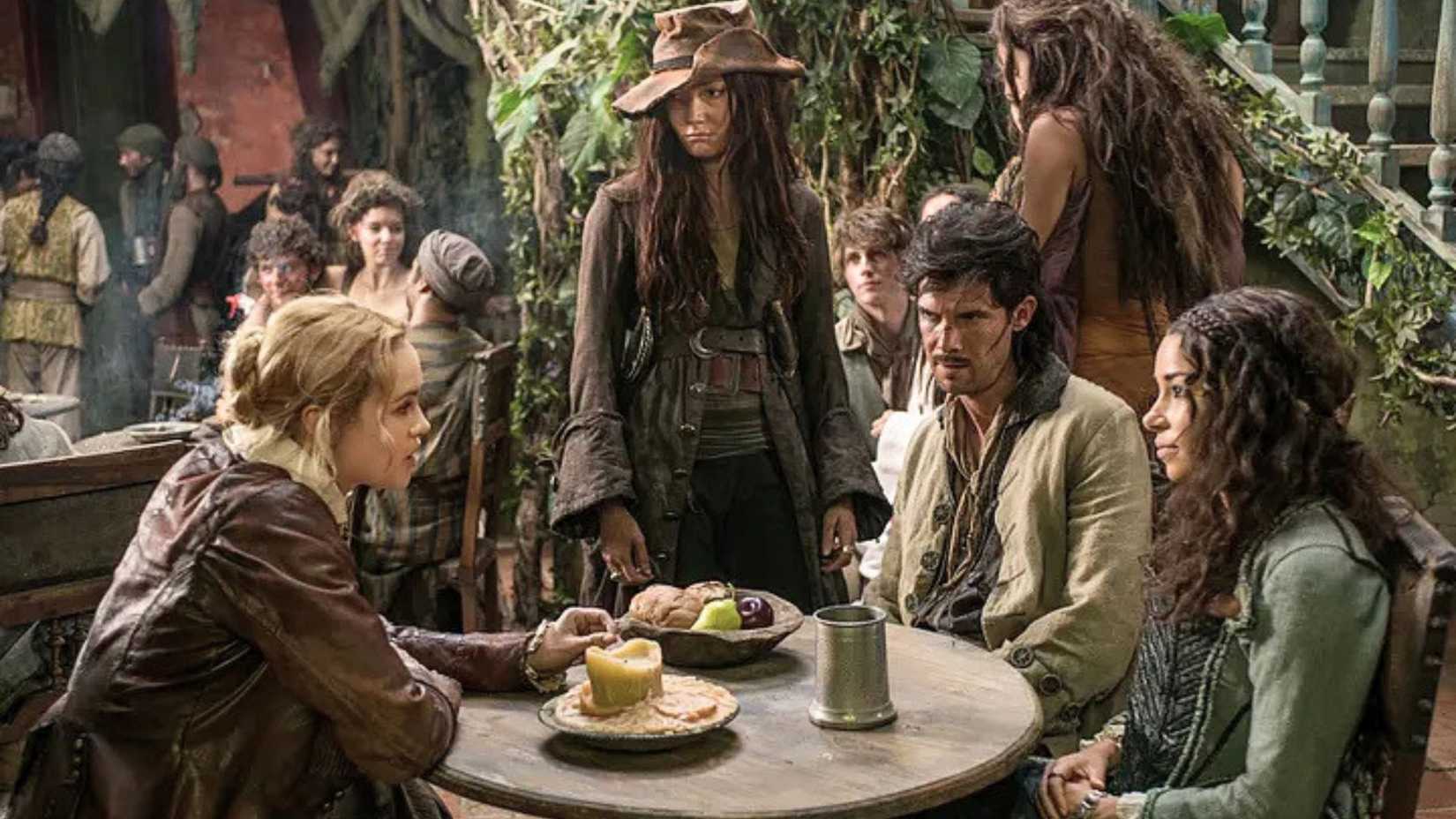 Image: Starz
However, by the time season 2 arrives, Black Sails takes everything you thought you knew about Treasure Island — the treasure, Flint’s desire to ransom it, and most importantly, Flint himself — and throws it overboard. In its first season, Black Sails shows Flint's unflinching capacity for violence while also hinting at a softer side. In front of his men, he is ruthless and calculating. However, his relationship with Miranda Barlow (Louise Barnes), a mysterious woman whom Flint keeps safe in a private house in the countryside, reveals his more romantic side Miranda urges Flint to be more than just a ruthless dictator.
This pretense persists until the middle of season 2, when we discover Flint was a Royal Navy officer from London, and that Miranda is an aristocrat married to Thomas Hamilton, a governor. As details from both seasons intertwine, Steinberg and Levine subtly suggest to the audience the reason behind Flint and Miranda abandoning their luxurious former lives: a scandalous affair.
 Image: Starz
The truth is even more shocking. While an affair drove Flint to declare war on society through piracy, it was not between Flint and Miranda, but between Flint and Thomas Hamilton, with Miranda supporting both and trying to keep their love hidden. This doesn’t work out, and they’re forced to escape England.
It’s a twist to the classic pirate story that many — myself included — did not see coming. While Flint being ostracized for loving a woman above his station would be a devastating blow, Black Sails sheds light on how, in that century, queer love between two men was considered a loathsome crime, punishable by death.
In reframing Flint as a queer man whose violence and rage against civilization comes not just from being forced to leave behind the society he grew up in, but from being told he and what he feels is wrong, he becomes a more sympathetic figure. Despite knowing the tragic endings for many pirates between the 18th and 19th centuries, as well as Stevenson’s Treasure Island, you can’t help but root for him.
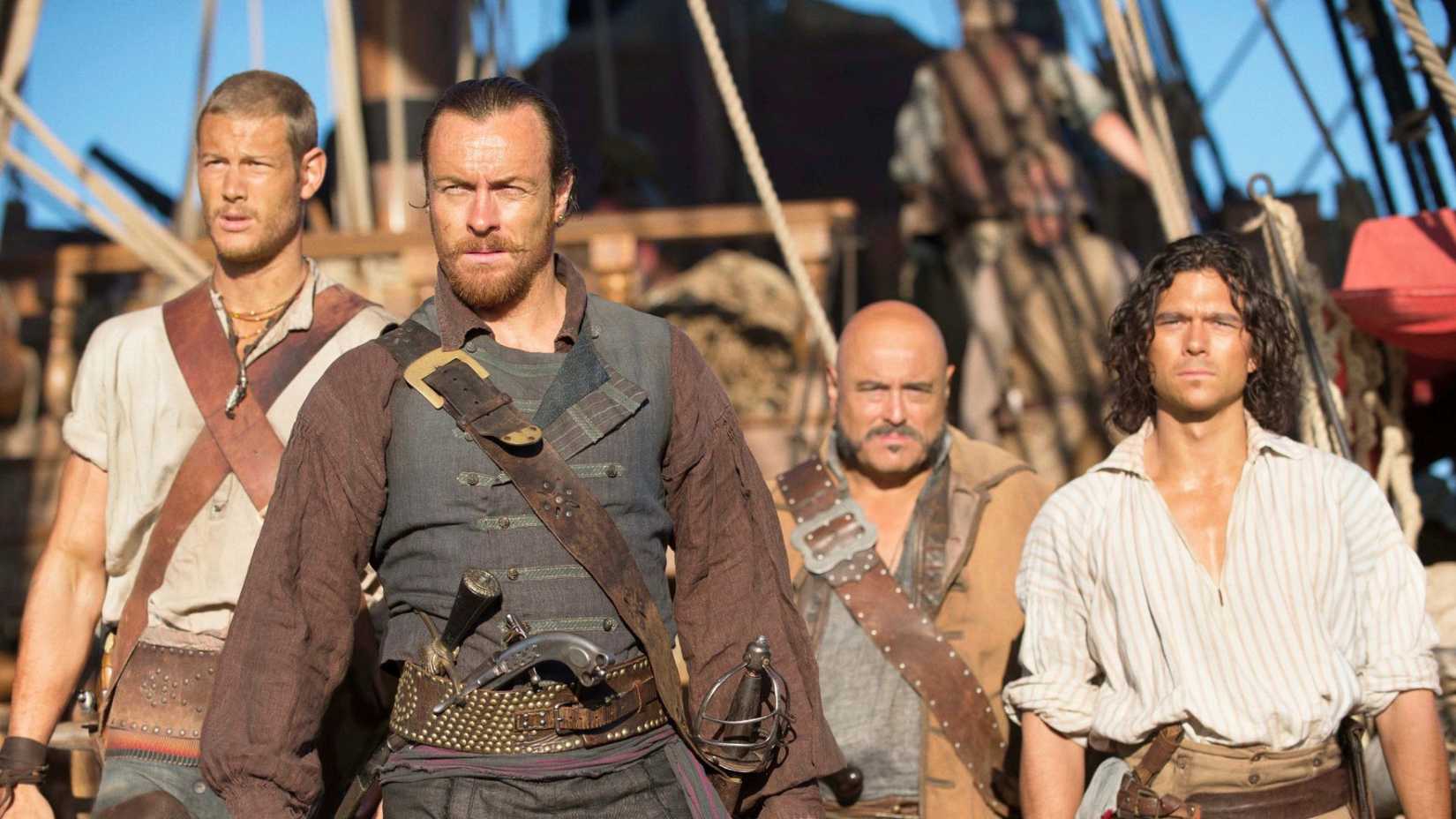 Image: Starz
Flint’s war against civilization is deeply personal, but it serves as a thematic message that every character — minor or major — can relate to. Not all of what the characters are fighting for is treated equally, but it all comes down to wanting to be free to make your own choices and not be damned for them. It is a war that Treasure Island dictates will end in tragedy — but the journey to that destination reimagines one of the most legendary villains of all time, and for that, it deserves your attention.
It's rare for a prequel to deepen the original — especially when that original came out centuries before — but Black Sails does so with ease. In fact, if you haven't read Treasure Island already, I say don't. Watch Black Sails first. Only then will you fully appreciate the complexity of a character and a people who history has made out to be just monsters.
Black Sails leaves Netflix on April 17. It's also streaming on Starz, the Roku Channel, and Plex.







 English (US) ·