


Published Apr 11, 2026, 12:00 PM EDT
Ben Sherlock is a Tomatometer-approved film and TV critic who runs the massively underrated YouTube channel I Got Touched at the Cinema. Before working at Screen Rant, Ben wrote for Game Rant, Taste of Cinema, Comic Book Resources, and BabbleTop. He's also an indie filmmaker, a standup comedian, and an alumnus of the School of Rock.
Across the past 15 years, Black Mirror has aired seven seasons split across two different networks (two different platforms entirely, actually). It started off as a little British production for Channel 4 — a modern-day Twilight Zone satirizing the dangers of an overtechnified society — but, after two seasons, it was picked up by Netflix and became a global phenomenon. That sensational success has been a double-edged sword; it’s afforded Charlie Brooker the money and resources of a studio blockbuster, but it’s also turned Black Mirror into yet another franchise that Netflix won’t let die.
Black Mirror has been on the air for so long now that the dystopian near-future it depicted in its early seasons has become its own present. In 2013, Black Mirror had an episode where a cartoon character ran for office and became a serious political candidate. In 2026, that episode is practically a documentary.
Even after seven seasons, Black Mirror is still turning out bangers like “Eulogy” and “Common People,” touching on our current tech fears in increasingly inventive ways. But, as with almost any anthology series, it’s a mixed bag. The show is a frustrating mix of a handful of masterpieces, a bunch of solid but forgettable entries, a few half-baked ideas, and a couple of genuine duds. But when it works, it really works. Classic Black Mirror episodes like “White Bear” still feel just as timely as ever, because their themes resonate beyond their initial allegorical meaning.
The National Anthem
Season 1, Episode 1
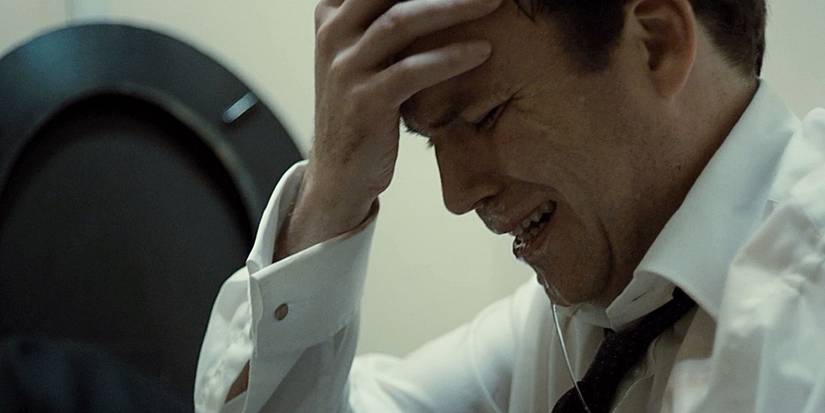
The very first episode of Black Mirror proved to be hauntingly prescient. At the beginning of “The National Anthem,” a princess is kidnapped, and rather than demanding a ransom in exchange for her release, the kidnapper demands that the British prime minister have sex with a pig on live television. This episode aired in 2011, and in 2015, “Piggate” happened. A biography alleged that Prime Minister David Cameron had sex with a dead pig as part of an initiation ritual at university. This juicy bit of political news only made the Black Mirror pilot more powerful.
Shut Up And Dance
Season 3, Episode 3
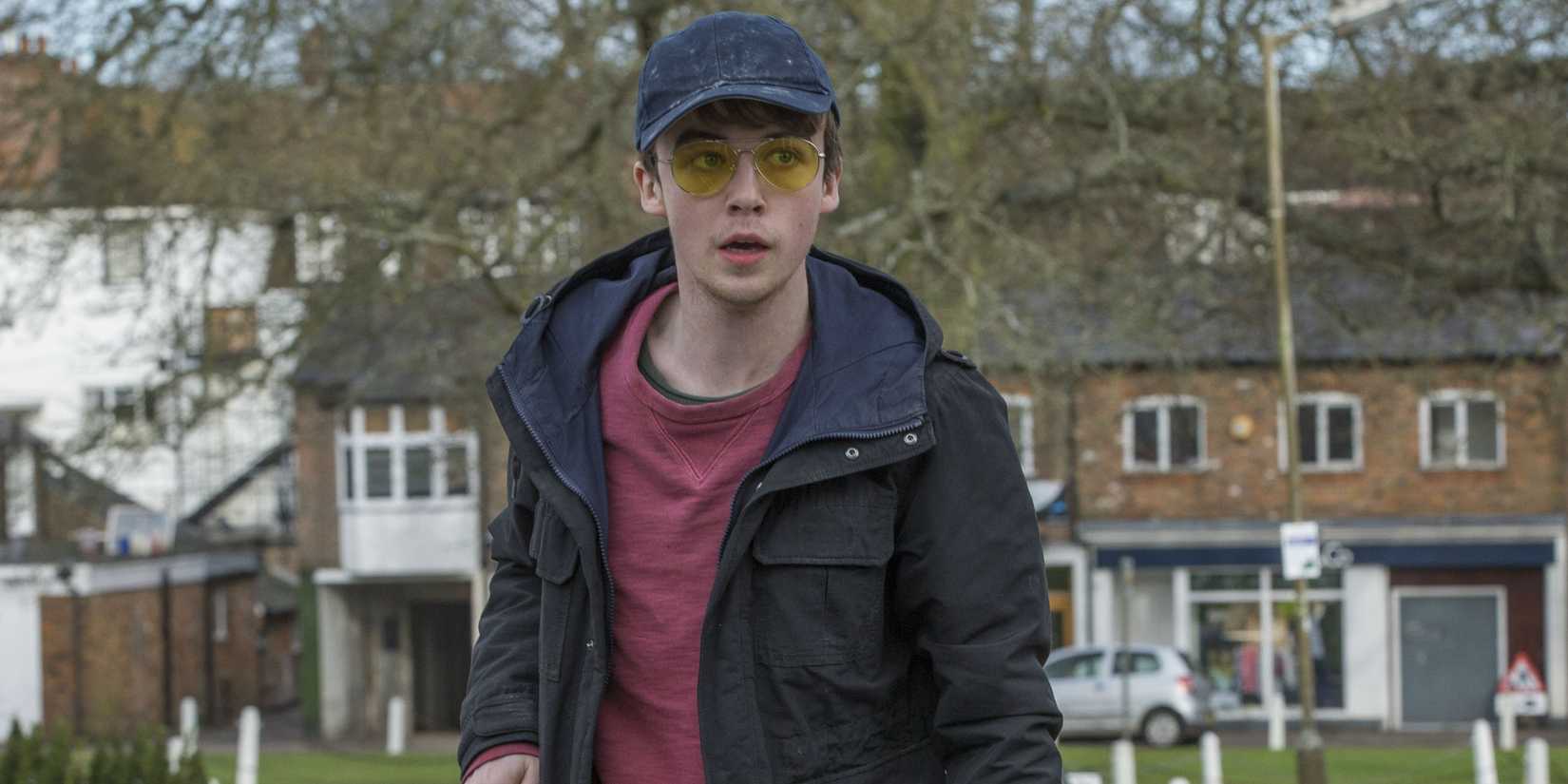
“Shut Up and Dance” might be the most grounded episode of Black Mirror. Most of the show’s storylines take place in a dystopian near-future where technologies beyond our wildest imagination have already been invented. But “Shut Up and Dance” is set today, in the here and now. The plot is totally plausible — it could really happen, with current technology — and that’s what makes it even more chilling than the average Black Mirror episode. The race against time builds to quite possibly the darkest twist in the entire series (and that’s saying a lot).
Be Right Back
Season 2, Episode 1
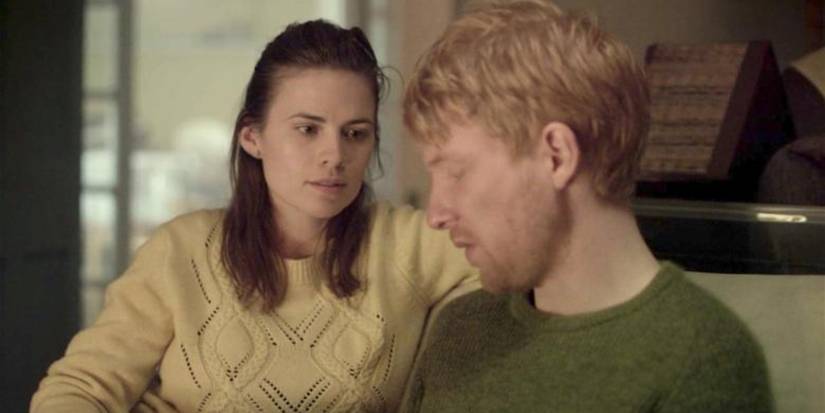
“Be Right Back” is one of the episodes that have unfortunately predicted the future. Black Mirror is supposed to be a cautionary tale, but a lot of tech bros are using it more like a how-to guide for the end of civilization. In this season 2 premiere, there’s a company resurrecting the dead with A.I., using a deceased person’s social profiles to recreate a digital approximation of their personality. We’re not quite at the stage where we can fully replicate the person with an indistinguishable robot body — right now, it’s more of a chatbot — but it’s only a matter of time until one of these mad scientists comes up with that, too.
The Entire History Of You
Season 1, Episode 3
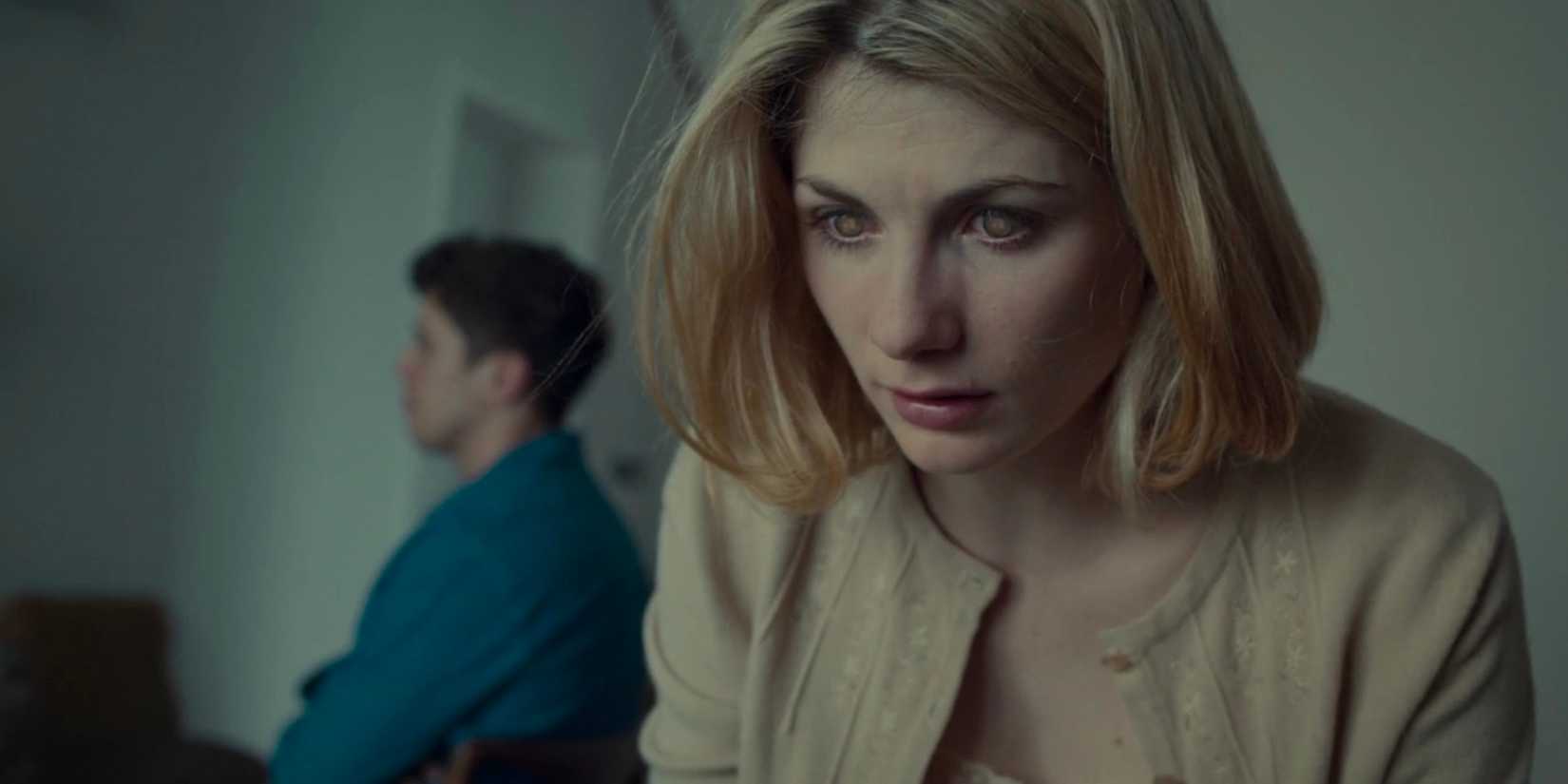
The season 1 finale “The Entire History of You” takes place in a world where everyone is recording everything they see at all times, and we follow a couple who use their recording devices to pull up evidence during their arguments. What makes this episode so timeless is that the commentary is about more than just technology; it’s about the universal insecurities that everyone feels in a long-term relationship: the doubts, the jealousy, the possessiveness. It’s a tragic love story dressed up as a Black Mirror tech parable.
Hated In The Nation
Season 3, Episode 6

Cancel culture was still a relatively new phenomenon when Black Mirror aired its season 3 finale, “Hated in the Nation,” but the episode’s commentary has only proven to be truer and truer as time has gone on. “Hated in the Nation” revolves around a trending hashtag and an army of robotic bees that kill disgraced celebrities on command. It perfectly captures the mob mentality of cancel culture, and shows just how quickly the public can turn on someone. The court of public opinion is gaining more and more power, and it’s only making “Hated in the Nation” feel more pertinent.
Nosedive
Season 3, Episode 1

People’s status and self-worth are increasingly tangled up in their likes and comments, so Black Mirror’s season 3 premiere “Nosedive” just keeps getting more and more relevant. As Bryce Dallas Howard’s brilliant portrayal of the crumbling Instagram facade highlights, all that posturing can have the opposite effect, where the phoniness shines through. There are even some parts of the world that have tried to introduce social credits as a new form of currency, as we see in this episode, but thankfully, it hasn’t caught on yet. “Nosedive” remains one of the definitive satires of the sorry state of society in the age of social media.
Season 4, Episode 5

Season 4’s “Metalhead” is one of Black Mirror’s most intense episodes. It’s a relentless cat-and-mouse chase between a scrappy human survivor and one of the A.I. attack dogs that have seemingly wiped out the Earth’s population and taken over the world. It’s a bleak, brutal, pulse-pounding thriller set in a grimy used future and shot in rough, scratchy black-and-white. There’s a minimalism to “Metalhead” that makes it one of the most rewatchable Black Mirror episodes. It doesn’t get lost in lofty ambition like “Bête Noire.” It just follows an unstoppable force of death as it mercilessly hunts down an everywoman protagonist.
San Junipero
Season 3, Episode 4
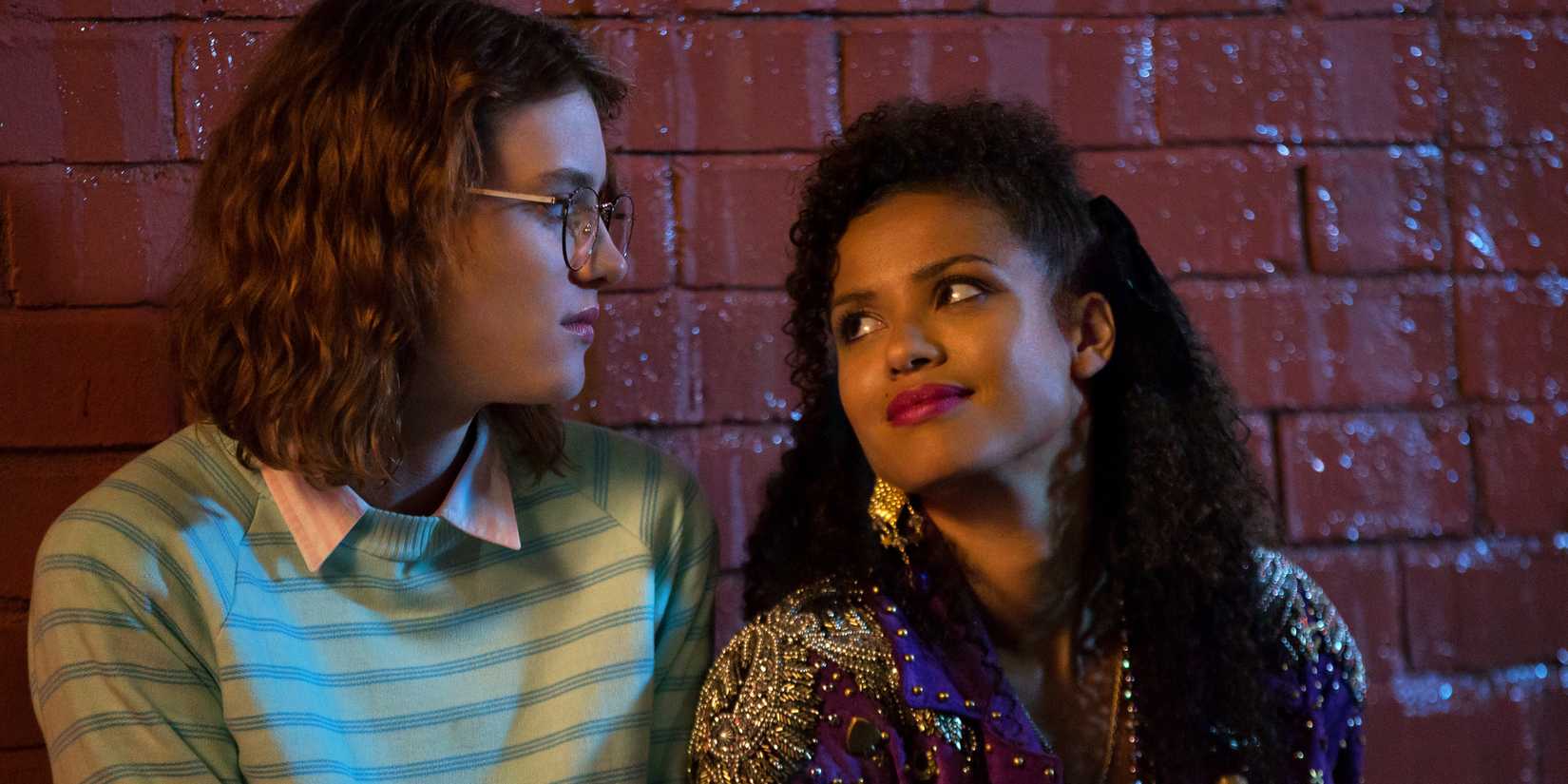
By the time it got to its third season, Black Mirror had created certain expectations. Audiences went into every new episode expecting to be disturbed and horrified by a series of cold-blooded twists. But “San Junipero” subverted those expectations and did the exact opposite. It’s a sweet, heartfelt love story with a happy, hopeful ending. The more you revisit “San Junipero,” the better it gets. It’s the only episode of Black Mirror that puts a big smile on your face and leaves it there.
USS Callister
Season 4, Episode 1
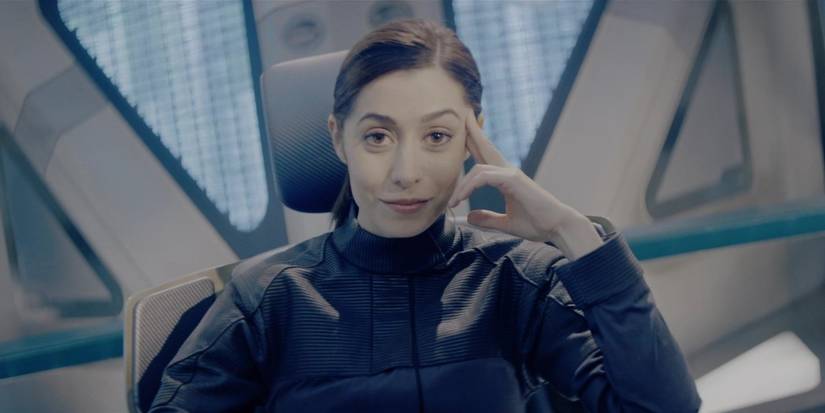
Black Mirror’s Star Trek homage is, frankly, still better than most of the official Star Trek stuff getting pumped out by Paramount of late. “USS Callister” mixed the pulpy aesthetic of a Star Trek space adventure with the very real horrors of incel behavior, played in typically chilling fashion by standout guest star Jesse Plemons. It tells the haunting tale of an angry loner with the technological know-how to make everyone else suffer in his own twisted virtual reality, which sadly feels just as timely today as it did a decade ago.
White Bear
Season 2, Episode 2
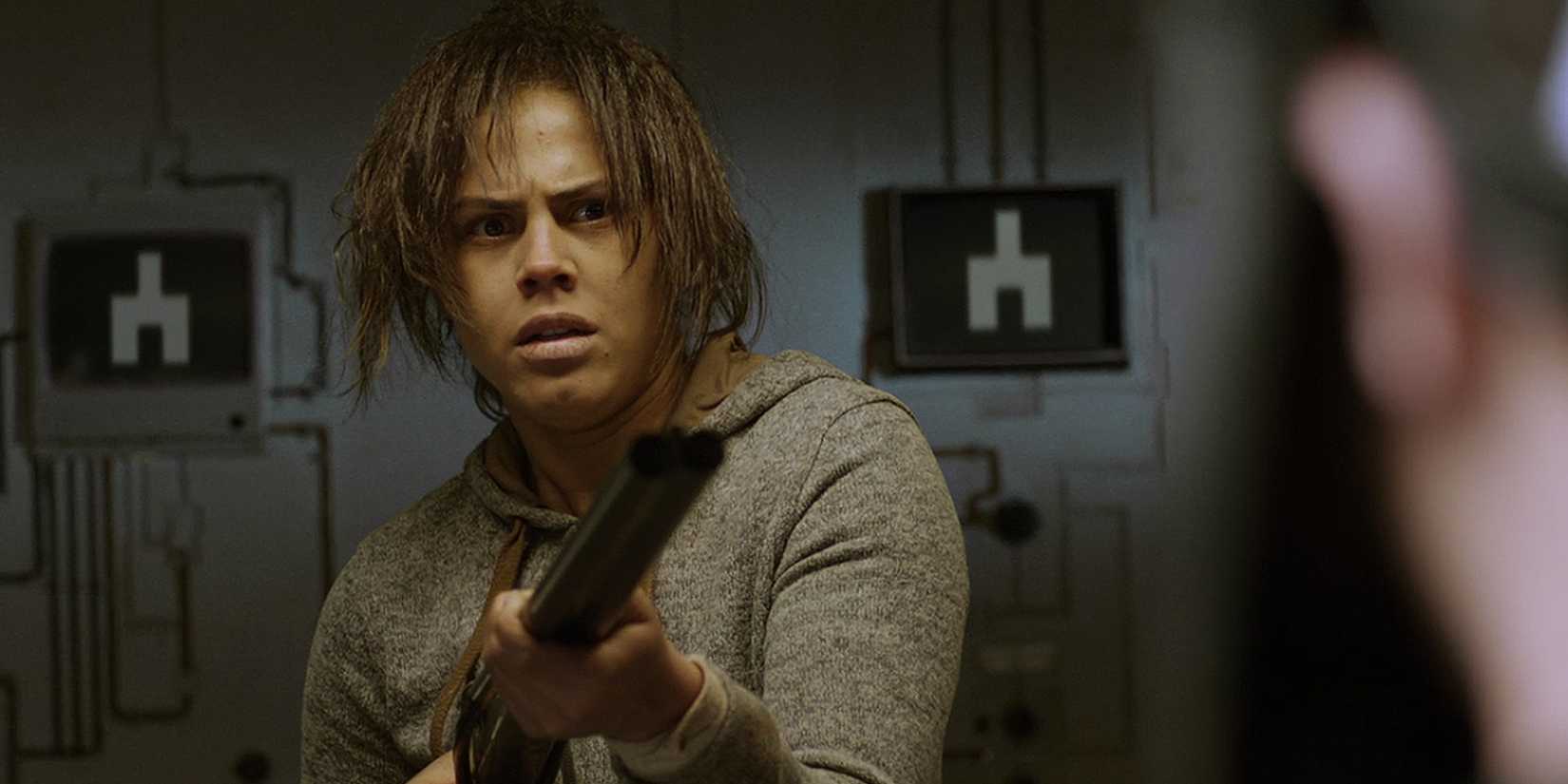
One of Black Mirror’s earliest episodes is still its most terrifying. For most of its runtime, “White Bear” keeps the audience in the dark; the viewer is just as clueless and confused as the protagonist they’re following. On the first viewing, the twist ending of “White Bear” blows you away. But this twisted tale of eye-for-an-eye punishment only gets better on a rewatch, because you can pick up on all the little hints you missed the first time, and the inevitability of the rug-pull creates a palpable sense of dread.




 English (US) ·