


Published Mar 3, 2026, 8:45 PM EST
After joining Screen Rant in January 2025, Guy became a Senior Features Writer in March of the same year, and now specializes in features about classic TV shows. With several years' experience writing for and editing TV, film and music publications, his areas of expertise include a wide range of genres, from comedies, animated series, and crime dramas, to Westerns and political thrillers.
Sign in to your ScreenRant account
The majority of spinoff shows don’t manage one season worthy of comparison with their parent series, but Breaking Bad’s sequel Better Call Saul broke the mold in this sense, as well as in countless other ways. Across its six seasons, the series is virtually flawless, and somehow elevates Vince Gilligan’s greatest screen achievement to even greater heights.
The best episodes of Better Call Saul are masterpieces which belong in the pantheon of all-time TV greats. The show’s uncanny ability to humanize its dangerous and difficult characters with bucketloads of humor and heart earns our empathy beyond levels that even Walter White at his most persuasive is able to achieve in Breaking Bad.
Of course, as with any TV series more than a couple of years old, there are certain harsh realities to rewatching Better Call Saul. The first two seasons of the show are something of a slow burn, before Jimmy McGill’s duplicitous approach to life finally takes him decisively to the dark side.
It’s season 4 by the time Gus Fring and Lalo Salamanca eventually take things up a notch. But Better Call Saul isn’t supposed to be an all-action thrill ride. Instead, it’s the kind of character study that few other TV shows have ever come close to, giving us a truly moving picture of Saul Goodman.
Every Season Of Better Call Saul Is Flawless
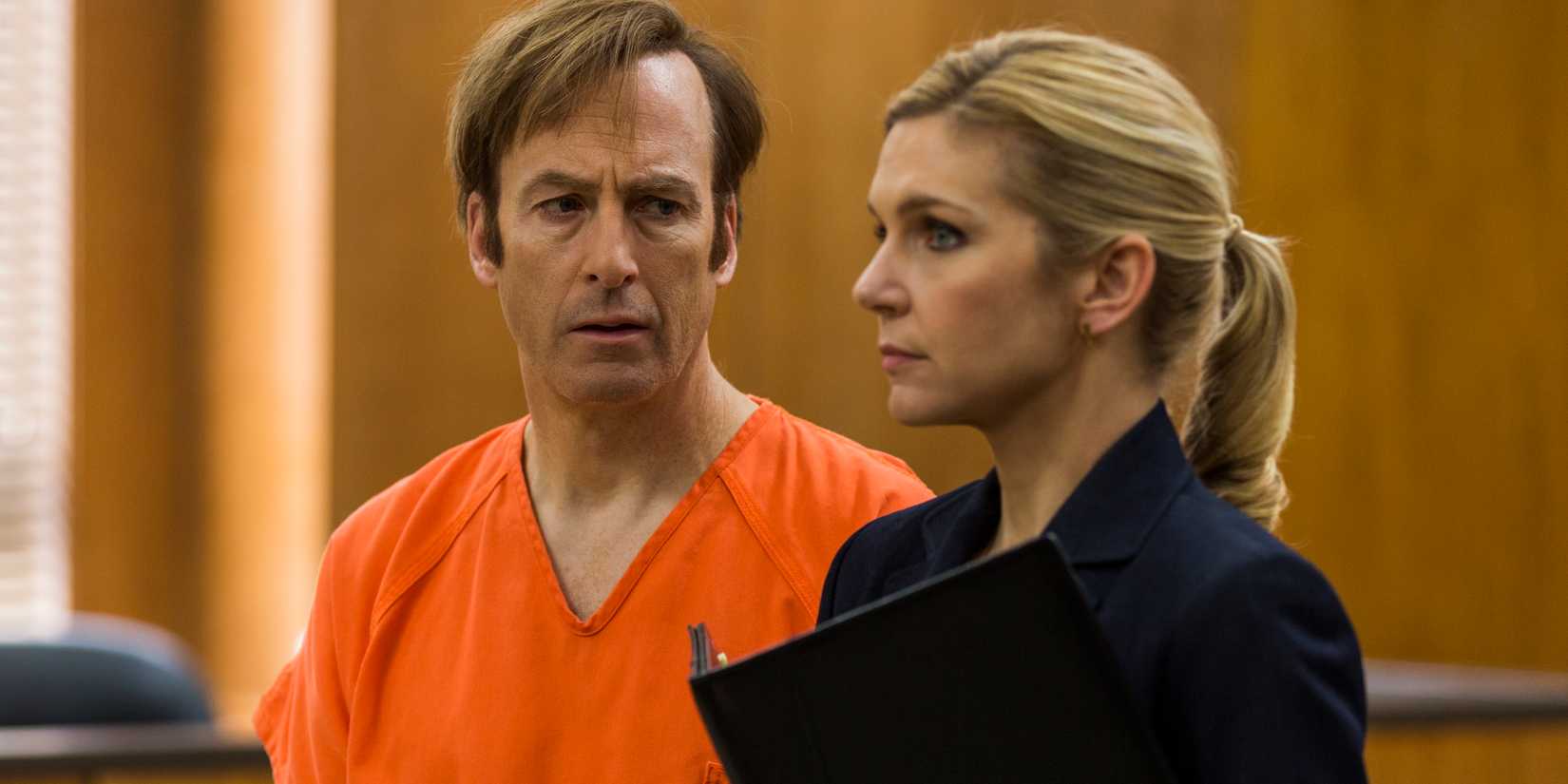
From its black-and-white prologue sequence to its exquisite final twist, Better Call Saul is just about the perfect TV show. Impossible to define in straightforward genre terms, yet accessible to fans of all genres, this highly unorthodox, darkly comic sequel to a narco-crime masterpiece is a triumph entirely on its own terms.
Better Call Saul’s best seasons came at the end of its phenomenal seven-year run, but it had already been wowing us from the very beginning. First there was Jimmy McGill’s heart-rending, love-hate rivalry with his brother, Chuck. Then there was the three-season standoff between the Breaking Bad franchise’s ultimate villains.
In a sense, Better Call Saul is two shows rolled into one. The narratives involving Jimmy, Chuck and Kim, and Gus and Lalo, are each enthralling enough to be their own series. Yet, the show interweaves them effortlessly, with cinematography to die for, and engaging, funny and frightening performances from an ensemble cast acting out of its skin.
It isn’t easy building a story around a small-time crooked lawyer and the drugs business he becomes circuitously embroiled in. Of course, Better Call Saul has the benefit of the preexisting Breaking Bad TV universe to build on.
Yet, this platform makes it all the more impressive that the sequel series steps out of Walter White’s shadow without the slightest hesitation. Better Call Saul could only be Saul Goodman’s story, and it’s told in the inimitable style of Bob Odenkirk’s career-defining character.
Better Call Saul Somehow Improves Upon Breaking Bad

When Breaking Bad ended in 2013, many fans believed that no other show would ever top it. Just a few short years later, some of these same fans were justifiably proclaiming its sequel an ever better series. Better Call Saul outstrips Breaking Bad in several key areas, rewriting the rules for what a TV spinoff can achieve.
Firstly, and most obviously, there’s the humor. Better Call Saul is meant to be slightly lighter in tone, of course, and it achieves this subtle change in dynamic principally through its goofy but quick-witted title character, making full use of Bob Odenkirk’s impeccable comic timing.
There are elements of physical comedy in Breaking Bad, too, but they’re always couched in darker terms. Meanwhile, Better Call Saul’s most terrifying character, Lalo Salamanca, is also frequently its funniest, thanks to his knack for a beautifully delivered wisecrack.
More fundamentally, though, it’s the interplay between Better Call Saul’s characters that’s unbeatable. Whether it's between brothers, friends, lovers, allies or enemies, every single two-handed scene in the series is impossible to take your eyes off. Whereas in Breaking Bad, the sparks seem to fly primarily between Walt and his meth, in its sequel every conversation is brimming with tension.
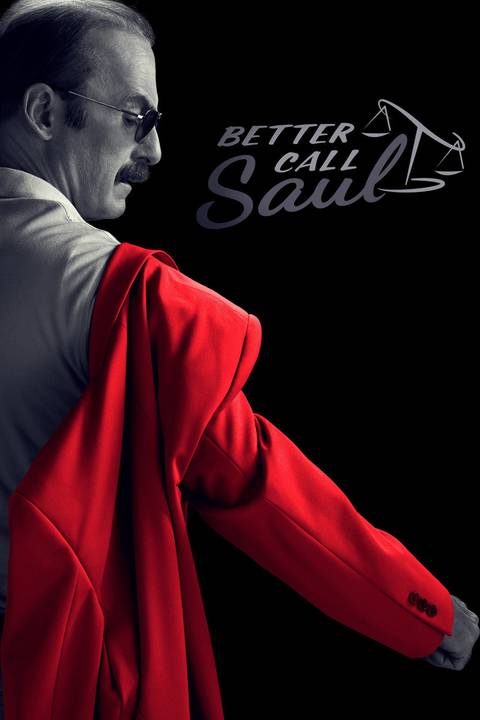
Release Date 2015 - 2022-00-00
Showrunner Peter Gould
Writers Ann Cherkis, Marion Dayre, Ariel Levine, Jonathan Glatzer



 English (US) ·