

Published Sep 16, 2026, 9:03 PM EDT
Erik Hawkins is an award-winning writer and editor who's been obsessed with cinema since he was old enough to hold Roger Ebert's Video Home Companion in his hands. He lives in NYC, where he rabidly watches everything from the newest releases to the more odd and obscure, and regularly shares his thoughts on Letterboxd. From ghost-writing fiction and webisodes in South America to local news, trial coverage, and politics in NYC, he's rarely put down his laptop over the past 15 years.
The Resident Evil franchise has been scoffed at for years, with several extremely clever and fun, genuinely idiosyncratic films caught in the crossfire. While Paui W. S. Anderson's initial film is decently regarded, Alexander Witt's attempt at a follow-up is widely, and correctly, viewed as a disaster. And the less said about Johannes Roberts' reboot attempt or the Netflix series, the better. The series got back on track when Anderson retook the reins in 2010 and directed Resident Evil: Afterlife, though, and an absurdly under-rated trio of genre thrill-rides followed.
And Resident Evil: Retribution is the Empire Strikes Back of that rough trilogy. That is, a darker, stranger middle chapter that beautifully escalates the stakes for the heroes and redefines the terms of the battle. Anderson's likely masterpiece, the film is also the single most accurate and powerful translation of the mechanics and idiosyncrasies of video-game storytelling into cinematic form. When celebrated Barbarian and Weapons director Zach Cregger's reboot releases this week, it's almost certain to be a thrilling ride — but it faces stiff existing competition from what Anderson achieved, purely in terms of adaptation.
What Do I Have to Know Before Watching 'Resident Evil: Retribution'?
 Image Via Sony Pictures Releasing
If you have a basic knowledge of the games' premise, you should be able to follow the film with very little prep work. Anderson's series began with Alice (Anderson's wife, Milla Jovovich) waking up in the fabled Spencer Manor in the aftermath of a devastating lab leak that saw the T-Virus infecting and devastating Raccoon City, and then later the world. However, as the scope and ludicrousness of the series expands, there's little viewers can trust, from identities (Alice herself is a clone) to physical spaces that are often revealed to be virtual approximations. The series begins injecting gloriously realized characters from the games as players, all with their own agendas.
Resident Evil: Retribution begins with an extremely slowed-down and reversed version of an attack Umbrella forces waged on Alice and her allies in the final moments of Resident Evil: Afterlife. The explosive, sea-bound sequence is so immersive and breathtakingly realized that even non-fans of the franchise should quickly be able to get on board. And after Alice is taken captive to an Umbrella training base, the film deliberately breaks down into a series of set pieces, with clone-Alice battling through memories of her past and conjured Umbrella spaces designed to test her skill. Anderson renders all of them lovingly, though, and genre-aware viewers will find an easy point of attachment in each, as the film accelerates toward an explosive, extremely video-game conclusion.
'Resident Evil: Retribution' Is the Ultimate Game Adaptation — and Other Filmmakers Should Take Note
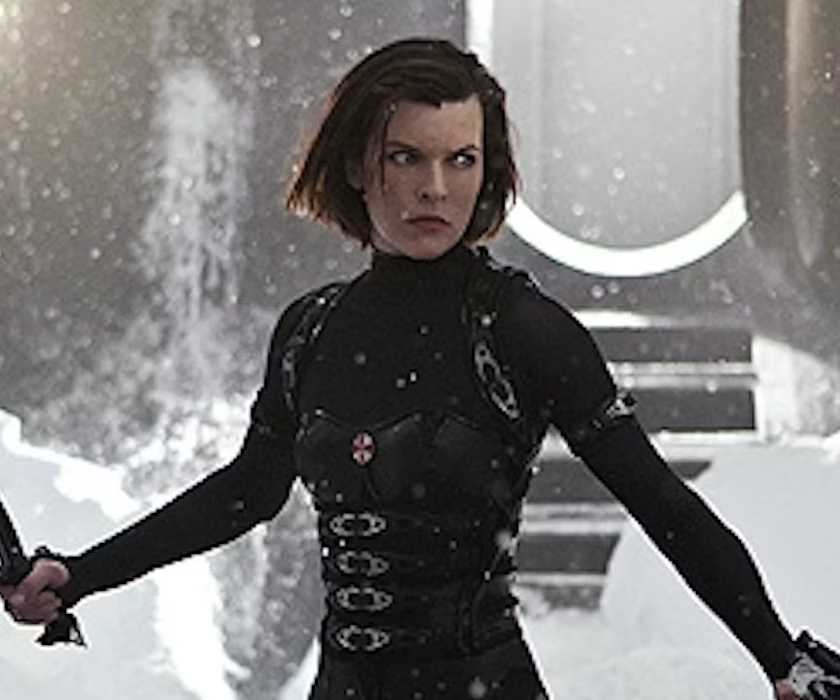
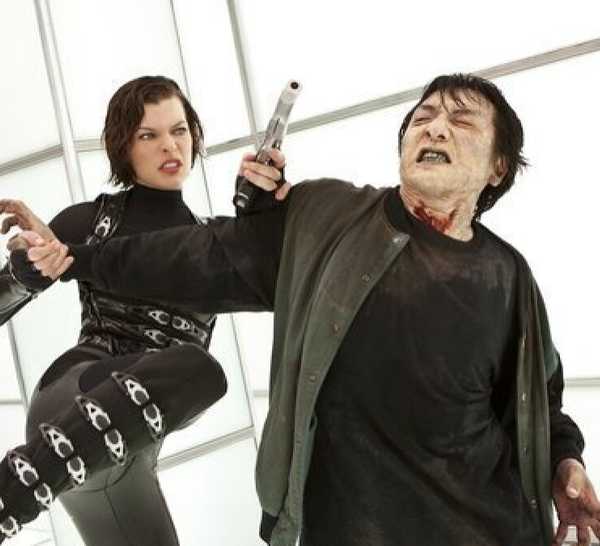
From its first, reversed frames, Resident Evil: Retribution embraces video-game logic. Suburban homes under attack by zombies that uncannily recall Zack Snyder's Dawn of the Dead remake give way to underground facilities and the magically conjured, extremely PlayStation 3-esque rain-soaked streets of Tokyo. Continuity is out the window, and Anderson trusts the viewer (especially the video-game conversant viewer) to keep up. From the series' first entry, Anderson made it clear that he has a magisterial command of space and blocking. He never attempted to emotionally involve viewers in the lore of Resident Evil, but rather drew you into a complete experience — one that comes to fruition in Retribution and, eventually, The Final Chapter.
Anderson's protagonists, even when they come directly from the games, are battling an all-consuming corporate force that's warped and transformed their priorities for years, and even with this subversive take on the game series' overarching lore, it's a purely exhilarating spectacle. It's just a beautiful series of bloody corridors, and you're on the side of whoever the "player" character is. Afterlife, Retribution, and The Final Chapter are almost perfect examples of video game logic on the big screen, with a finale that is remarkably moving for those who've been following along through the series.
Cregger is set to do serious numbers at the box office, as projected by Collider, but he's got genuine competition in terms of transposing the feel of a video game onto the big screen. Despite the long-maligned lineage of attempted video game films, including even accidental masterpieces like 1993's Super Mario Bros., few have gotten it as pitch-perfect as Anderson. Here's hoping his original films recapture streaming audiences' imagination, no matter what kind of bloody hat-trick that Cregger pulls off.

Release Date September 12, 2012
Runtime 95 minutes
Director Paul W. S. Anderson
-

-

Sienna Guillory
Jill Valentine
-

-






 English (US) ·