
 1 week ago
12
1 week ago
12
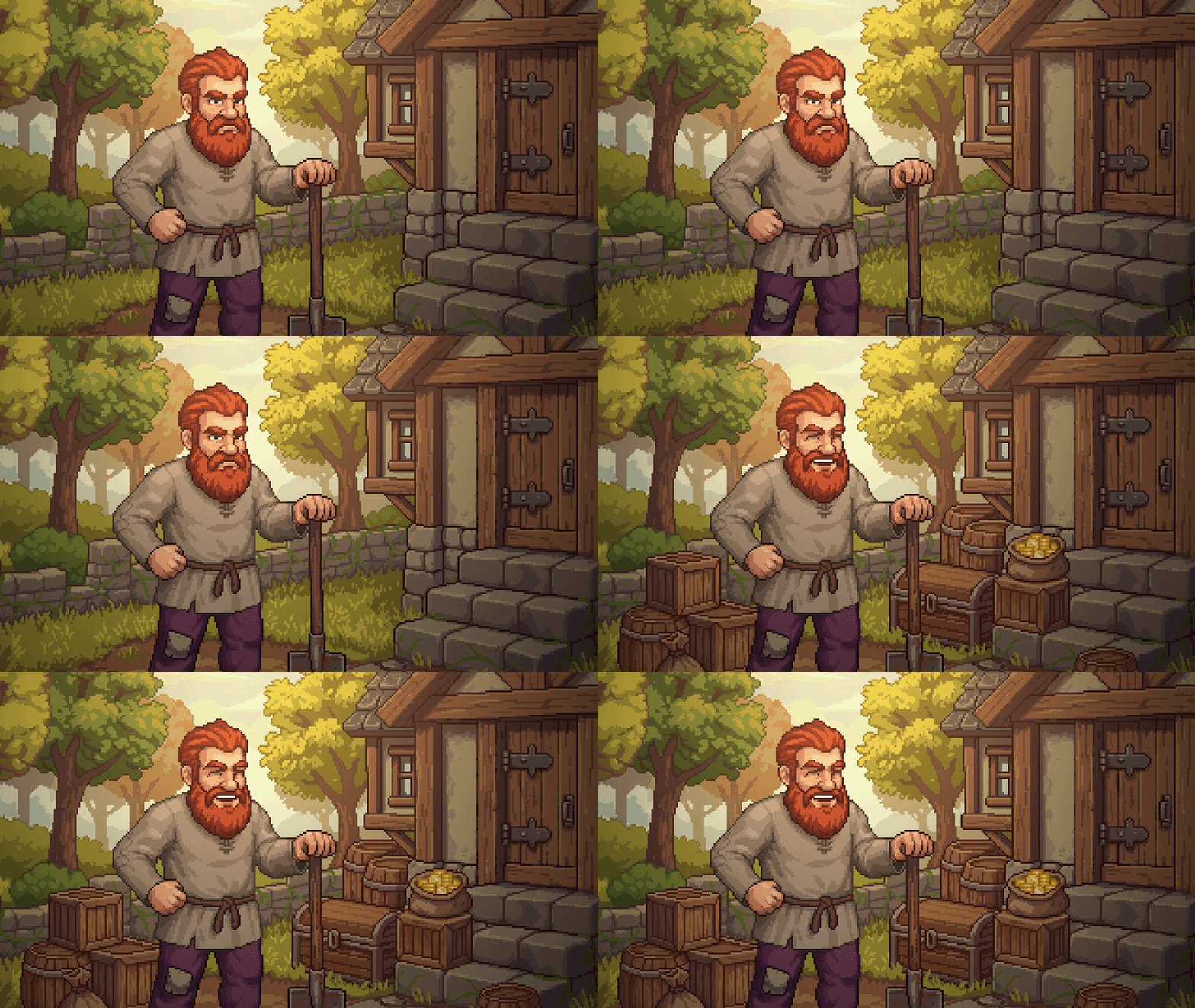
If you've ever wanted to play a cozy life sim where you craft, farm, build, cook, and complete quests for villagers, and also make products from human corpses, Graveyard Keeper 2 is out today.
I'm only about 13 hours into it and it's got that same immediately engrossing crafting loop as the original. Gotta chop wood, gotta mine ores, gotta cook food, gotta level up skills and earn points and unlock new tech. There's so many different crafting benches to manage and so many different disciplines to master that it's compelling as hell, though it does at times feel extremely grindy.
Most interesting to me is how quickly, once again, I compromised my principles as a nice human being and slid into a dark, steaming lake of moral ambiguity. In the first game it didn't take long for me to start using a counterfeit royal stamp so I could sell the meat I'd harvested from corpses to the local tavern for its meals. It was a great way to efficiently profit off the growing pile of bodies in my graveyard, and it only meant turning the entire town into unknowing cannibals.
In Graveyard Keeper 2, I've been vigilant for that sort of behavior, planning to play as the fine upstanding citizen everyone assumes I am. How long did it take before I was pulling handfuls of fat from human corpses and using it to craft candles so I could raise the decoration score of the local church? No time. It took me no time. I unlocked the ability to make human fat candles and I immediately started making human fat candles.
But hey, no one is complaining, especially not the corpses who are now contributing to the warm, comforting glow in my lovely little church. So, what's the harm? Let us pray.
Graveyard Keeper 2 will cost you $25 (and maybe a bit of your soul) on Steam.







 English (US) ·