
 3 weeks ago
48
3 weeks ago
48

The computing world is splintering into two. At IFA 2026, the world of laptops continued its trajectory from Computex towards a logical conclusion: a world where personal computing aims at the low end to combat the MacBook Neo and pick up customers during a RAM shortage, but otherwise focuses on high-end machines that promise to be agentic machines for the next chapter of the AI boom.
There are machines that are below $800 with 8GB of RAM, and there are machines that are multiple thousands of dollars with anywhere from 128GB to 192GB of memory. Want something in between? Good luck.
The MacBook Neo's long shadow
When Apple announced the MacBook Neo in March, other laptop OEMs jumped to compete. And while devices like the Dell XPS 13 and Chuwi UniBook came quickly (with varying degrees of success), packing Intel's budget-focused Wildcat Lake processors, it was at IFA where those companies finally felt like they had something truly designed to take on the MacBook Neo. The Lenovo IdeaPad Vibe laptops come in seven colors, up from the Neo's four, ranging from "lowkey gray" to "spicy gold," with optional color keyboards and two screen sizes. Unlike other Neo competitors, Lenovo is opting for a mix of Qualcomm Snapdragon X and AMD Ryzen AI 400 chips rather than flocking to Intel.
Dell's new 14S also has four colors, including a surprisingly bold "velvet green." But its biggest iteration is that it also adds ports. While the XPS 13 had just two USB-C ports, the 14S also has HDMI and a headphone jack. Acer also debuted a 16-inch version of its Swift Air (also in three colors). These laptops were widely considered some of the best from the show. Colors have been a rarity in the Windows PC market, and now that these companies are chasing Apple, they're back.
On the bright side, this means that the spur of affordable, more premium laptops wasn't just a blip following the MacBook Neo. It's still going six months later, and given that Apple is rumored to be releasing a follow-up next year, nicer, colorful laptops may be a permanent fixture of the market.
Agentic AI computers: Laptops or furniture?
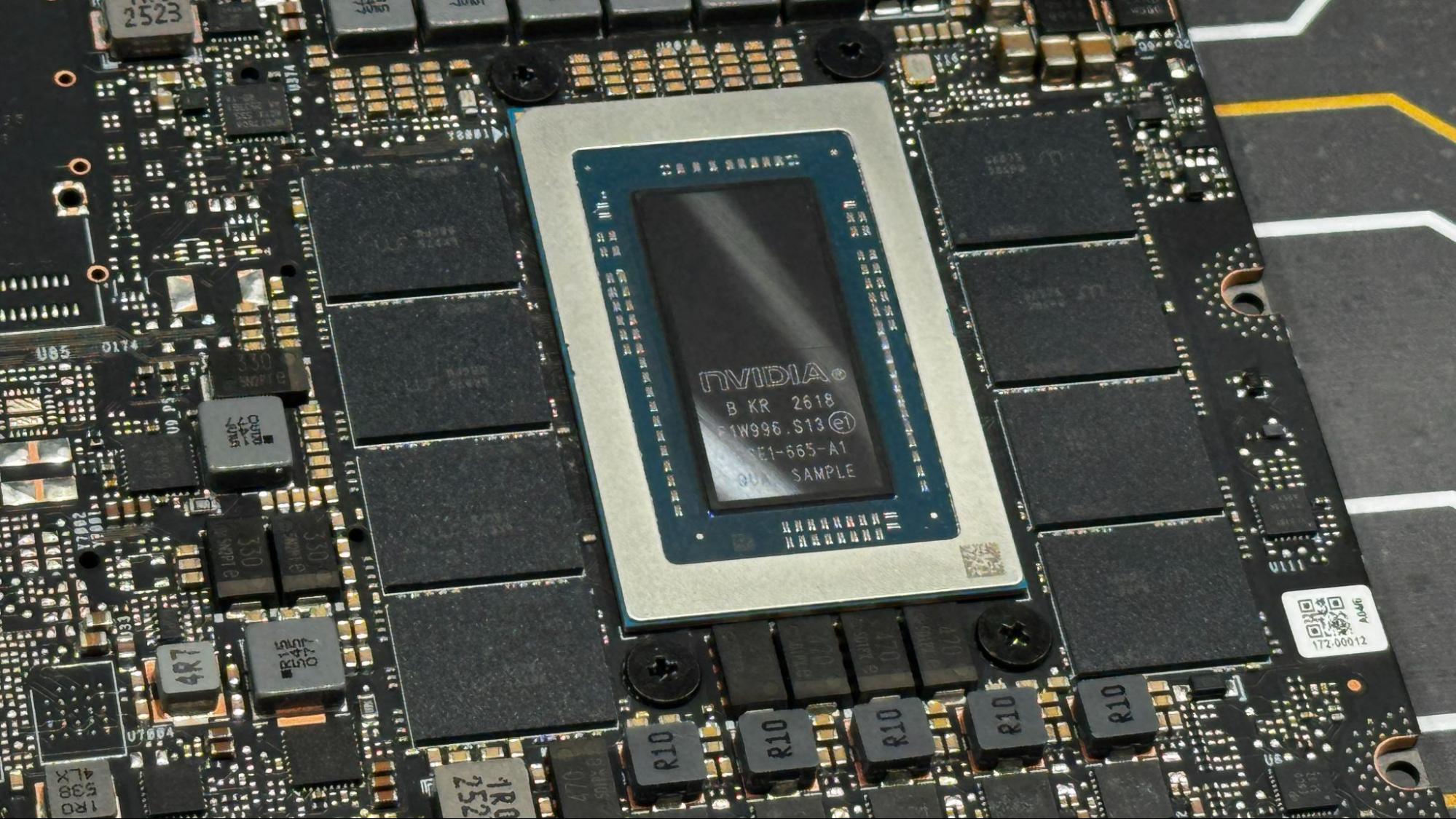
The other computers at IFA were all largely focused on running agentic AI. AMD finally has systems getting ready to ship with its Ryzen AI Max+ Pro 495, with up to 192GB of unified memory. Those include the Lenovo ThinkCentre X along with options from smaller names like Minisforum and GMKtec. The companies that are listing prices have them as high as $7,000. (When Strix Halo launched, entry-level configurations could be found under $2,000 with 64GB of memory, so these high-end systems with more memory aren't a shock given rising prices.)
Those were on display while Nvidia continued to hype its RTX Spark N1X platform, which will launch in October in two configurations. Two new devices, one from Acer and one from Lenovo, debuted at IFA, though we're still waiting on pricing for every RTX Spark device we've seen so far.
AMD's systems were being portrayed as workstations in most cases, while others, like an AI NAS from Minisforum, gave us a look into what having some sort of AI furniture — dedicated AI hardware with access to your files that's not connected to a screen — could look like. Nvidia's laptops, all running Windows, are a mix of workstation, gaming PC, and agentic AI PC, though those demos were behind handlers, and we weren't able to try them ourselves.
All of these systems were shown with some sort of AI agent running. Nvidia's bounced between Hermes and OpenClaw, while the many vendors showing on AMD systems often had their own software, typically with the word "Claw" in there somewhere, running a variety of models locally.
These are all a swing away from what the industry called an "AI PC" just a few years ago. Now, with way more memory and far more compute (and less talk about NPUs), Nvidia, AMD, and the companies making the hardware are betting that you or your company are ready to set up agents and have them run workflows, and that you'll pay a pretty penny to do so.
Two extremes, but what about the rest of us?

There are clearly two visions of computing now: one with the power for local AI models to run tasks on your device (though how easy those will be to set up is an open question), and another where you do basic tasks on cheap computers. What about the rest of us? The people who are happy to spend $800 - $1,500 on a laptop or mini PC to get a bit of extra RAM and storage, the most premium build quality, higher-resolution displays, better speakers, and, of course, a bit more performance? Other than Dell recently adding Intel's Core Ultra Series 3 processors to the XPS 13 (which itself isn't the most premium), it's been quiet on that front.
Perhaps we have to wait for Intel to drop Nova Lake mobile, or for AMD to move forward with Medusa Point, to see these types of systems. Word on those has been quiet, but maybe next year, at CES, we'll see a return of the performance laptop. (Apple is likely to bring its M6 to the MacBook Air, but it doesn't really do trade shows.) Or maybe memory prices mean something has to give, and that laptop for everyone else is what is giving. But without new silicon aimed at that market, it seems that the Windows world is happy to be split into two extremes.



 English (US) ·