
 3 hours ago
4
3 hours ago
4
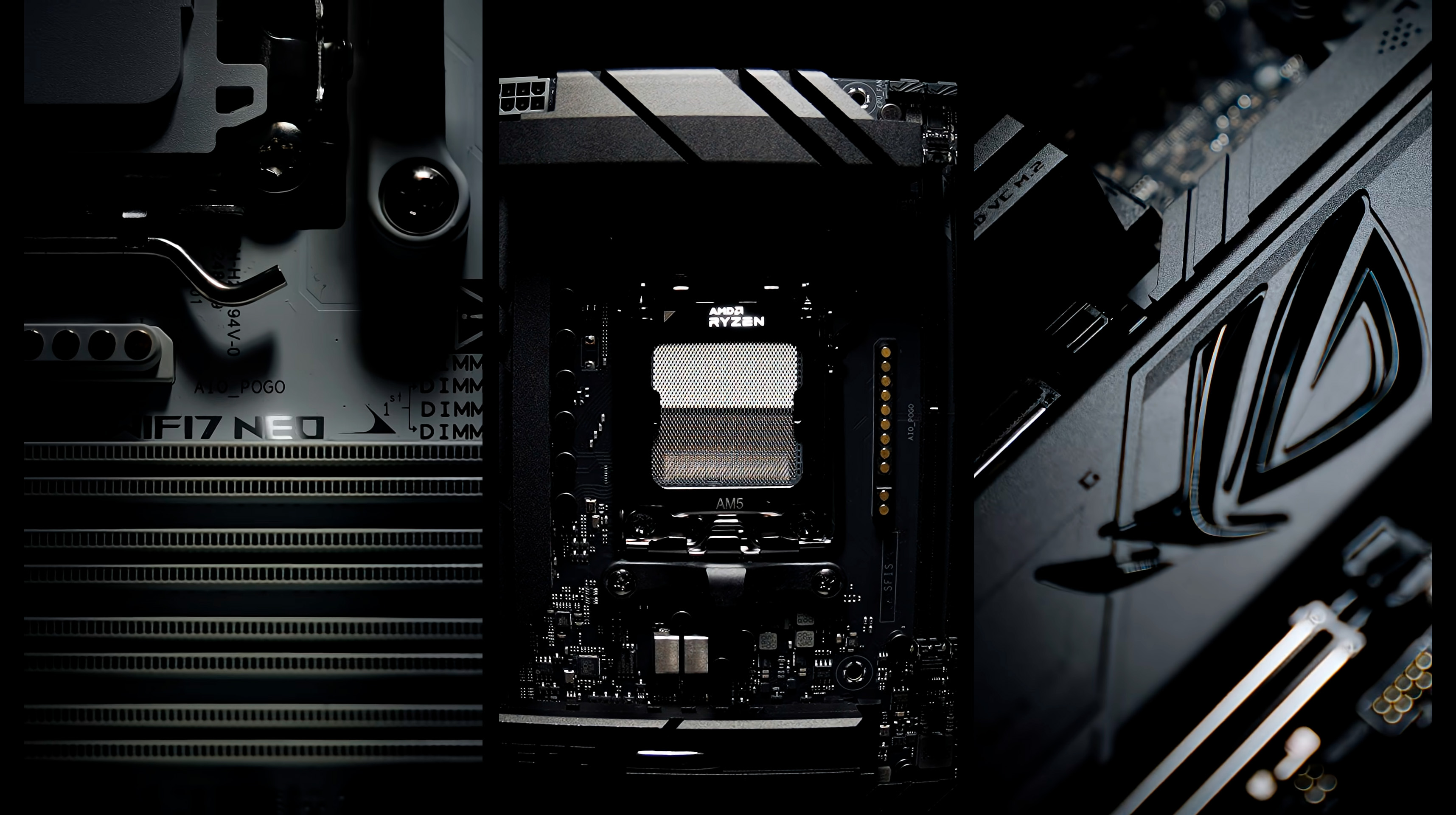
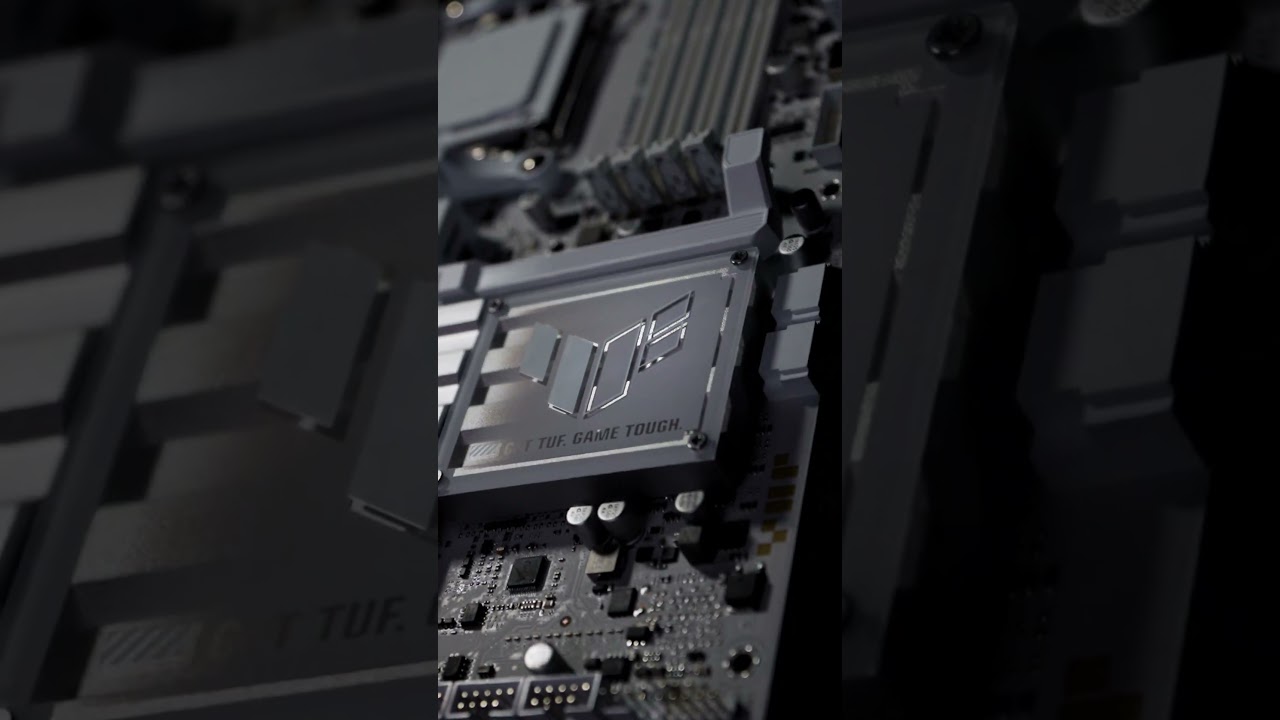
Asus has released an 18-second teaser video showcasing its upcoming Neo motherboards, which aim to compete with the best motherboards on the market. The new Neo versions of the ROG Crosshair, ROG Strix, TUF Gaming, and ProArt series will deliver substantial quality-of-life upgrades to AMD’s AM5 platform, currently home to some of the best CPUs available.
It’s almost that exciting time of the hardware world again, where brands gear up to unveil the latest innovations at CES 2026. Hot on the heels of MSI and Gigabyte, who have launched their Max and X3D refreshes, Asus is stepping into the spotlight with its much-anticipated Neo series. While "Neo" signifies new or recent, these upcoming AMD motherboards will likely continue to build upon AMD’s existing 800-series chipsets. Asus is focusing on delivering significant quality-of-life improvements—think next-level wireless connectivity, advanced cooling solutions, and user-centric enhancements.
One of the Asus Neo motherboard shots shows a set of pogo pins located right beside the AM5 socket—a feature rarely seen on desktop boards. These spring-loaded electrical connectors, commonly found in consumer electronics like battery docks and smartphone chargers, stand out because they’re labeled “AIO_POGO.” The pogo pins suggest Asus may be introducing an innovative new way to eliminate cable clutter for AIO liquid coolers. Traditionally, these coolers rely on PWM or USB connections for power and monitoring, often resulting in a tangle of wires around the motherboard. By integrating the AIO_POGO connector, Asus could enable a plug-and-play solution for AIO coolers, streamlining installation and reducing the number of visible cables. The connector aligns perfectly with Asus’s BTF (Back to Future) initiative, which aims to reduce and ultimately remove any traces of wires in a build.
Stay tuned… NEO motherboards are coming. #CES2026 - YouTube
Another subtle yet potentially game-changing detail emerges from the teaser video, tucked away within the M.2 slot of the Neo motherboard. A partially obscured label reads “3D VC M.2,” strongly suggesting that Asus could implement a vapor chamber cooling solution for M.2 SSDs. While the first PCIe 5.0 SSDs were notorious for generating heat, that's no longer an issue if you cool them properly. By leveraging vapor chamber technology—already proven effective in high-end graphics cards and CPU coolers—Asus could offer dramatically enhanced thermal performance for SSDs, ensuring sustained peak speeds and greater hardware longevity. It gives Asus a compelling marketing angle, but it remains to be seen how much thermal performance uplift it can deliver.
Asus made waves with the introduction of its NitroPath DRAM Technology, first unveiled alongside AMD's 800-series chipsets to dramatically boost support for ultra-high-frequency DDR5 memory. Initially reserved for flagship models like the ROG Crosshair X870E Hero, ROG Strix X870E-E Gaming WiFi, ROG Maximus Z890 Extreme, and ROG Strix Z890-E Gaming WiFi, NitroPath was a hallmark of top-tier performance. Asus is seemingly bringing NitroPath to the entire Neo motherboard lineup. This expansion means more users can unlock maximum memory speeds and stability.
The final reveal from Asus’s teaser video signals a pivotal design shift: the company is seemingly moving away from its controversial Q-Release Slim mechanism. For those who might not recall, Q-Release Slim was an ambitious buttonless PCIe slot system that allowed users to remove a graphics card by simply tilting it upward. While the concept initially promised convenience, it quickly became infamous among PC builders after reports surfaced that it could damage graphics card's PCIe connector. Responding to widespread criticism, Asus revised the design, removing a problematic metallic frame from the expansion slot. Now, learning from past missteps, it appears that Asus is returning to a more traditional—and proven—button release mechanism for the Neo motherboards’ expansion slots.
CES 2026, the world's largest consumer electronics show, is only a week away. We'll surely learn more about Asus' Neo motherboards very soon.

Follow Tom's Hardware on Google News, or add us as a preferred source, to get our latest news, analysis, & reviews in your feeds.





 English (US) ·