
 3 weeks ago
21
3 weeks ago
21
Mmm, those Berbers are moreish
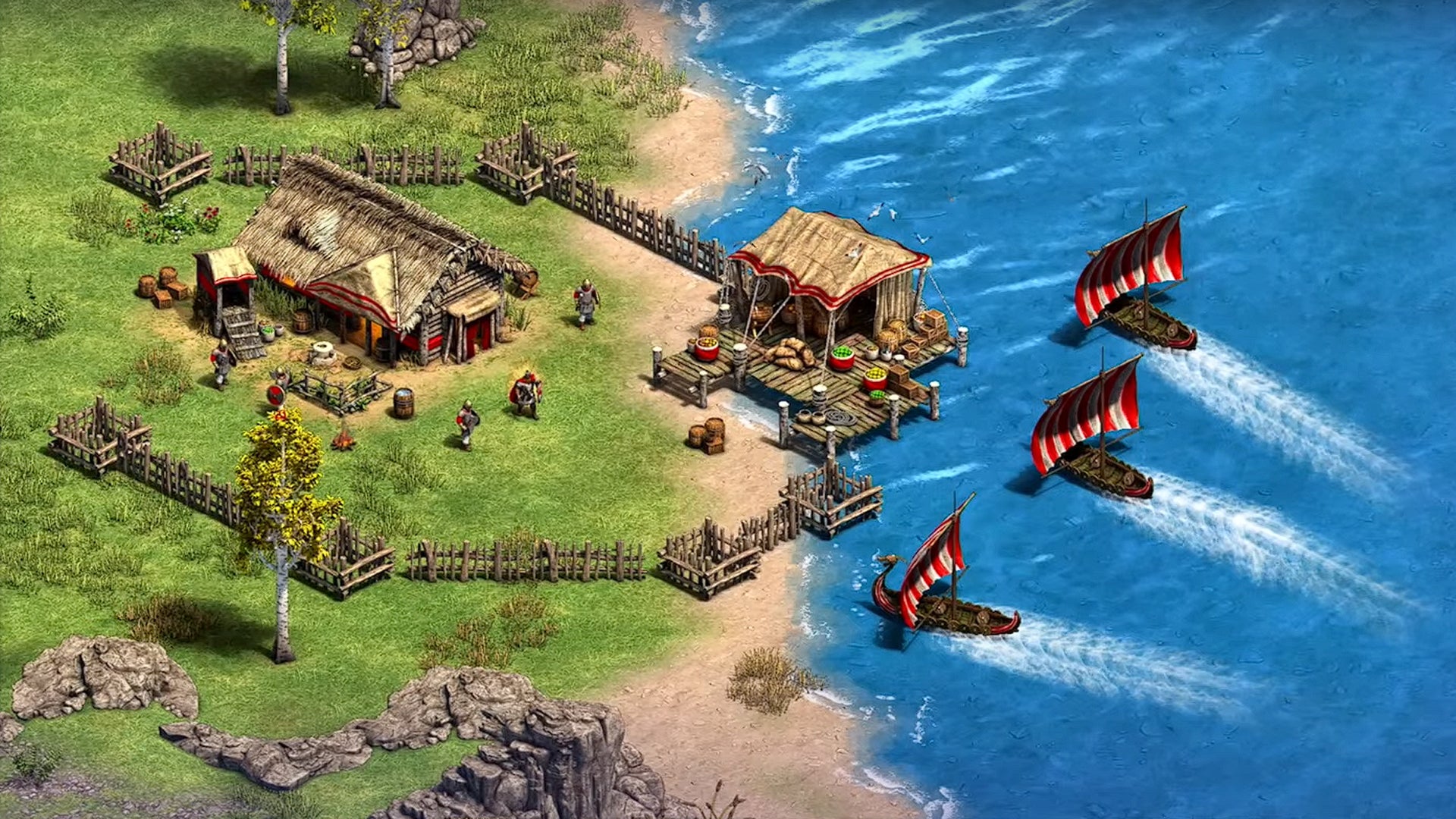
When bosses have assessed my work over the years it's usually taken the form of nervously watching their cursor bounce around a Google Doc. They would delete overwrought lines here, add detail to unclear statements there, and sometimes strike our intros that weren't getting to the point – thank goodness I learned my lesson there. It's a nerve-wracking and humbling experience (especially when you've managed to misspell 'RTS').
Naturally, every job has its own assessments, but the level designers working on Age of Empires at Ensemble Studios faced a novel one: studio head Tony Goodman's lunch break.
Back in 1997, when Ensemble was working on the first Age of Empires, Ian Fischer joined the team to help with QA and design scenarios. As he tells it on Slitherine's Hot Seat series, there was a board up in the studio listing all the reasons why somebody might not buy the game. There were technical reasons, like not having a computer powerful enough to run it (a strong reason to optimise the game as best as possible), but also issues with complexity. Even now, Fischer says "Strategy games don't have the best reputation for being 'sit down and you're going to have fun and right away'."
Goodman was focused on making sure Age Of Empires was accessible, Fischer says, so he had a test for every new scenario to see if a level was too difficult. "Tony would start your scenario, [and] as soon as it fired up, he'd get up and go to lunch. And if he had been beaten in the scenario when he came back, then [he would say] it wasn't easy enough and you had to readjust it."
If the AI would autodefeat the player, Goodman worried it would force people out of the game before they learned how to play it. "He always wanted to figure out how you could bring more and more people in," Fisher says. It was only when a player wasn't threatened with defeat they could take the time to become comfortable and explore the systems of the game.
It's a perspective Fischer has carried with him since, into the work he did on Halo Wars, Orcs Must Die!, and now at C Prompt Games. Though, he admits that you can make a game too accessible. "You can get to a point where it becomes dangerous for your design," he says. "Some of the changes that you're going to make to accommodate everyone are going to be changes that are going to alter the fundamental game. You have to be careful – if you're making everybody happy, there's definitely that risk you're building a vanilla game."
I'm guessing it's only after years of making games you know how large a group of players you want to aim for. That's something I'll leave to the game developers. I will however spend the time between now and dinner working out what problems I can solve by simply going out to lunch.







 English (US) ·