
 1 hour ago
12
1 hour ago
12
Anthropic is warning that its fight with the Pentagon may not stay inside the Pentagon.
The AI company behind the Claude models says government pressure could affect its operations beyond the defense dispute. It forecasts the combined fallout from canceled contracts and halted partnerships could result in billions in losses, putting both its defense ambitions and its commercial business at risk.
How a contract talk became a blacklist
The conflict traces back to late 2025 and early 2026. Anthropic and the US Department of Defense were negotiating over a potential $200 million contract.
The sticking point was safeguards. Anthropic refused to remove restrictions that block its technology from being used in fully autonomous lethal weapons and in mass surveillance.
The Pentagon wanted those guardrails gone. Anthropic did not budge, and negotiations collapsed in early 2026.
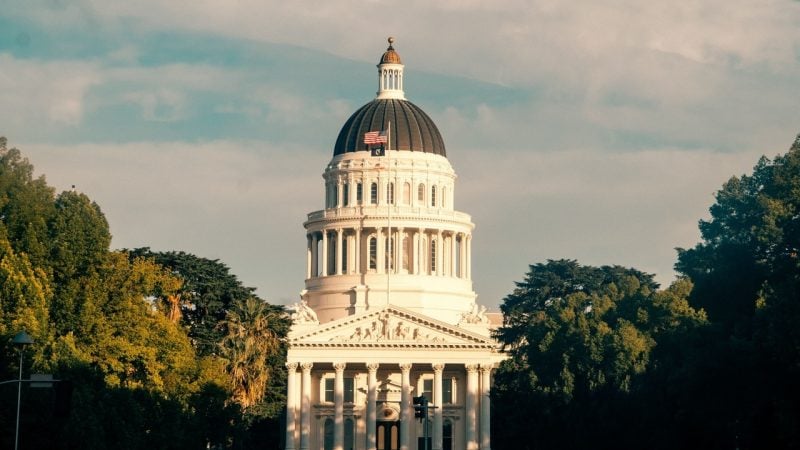
What came next escalated quickly. By late February 2026, Defense Secretary Pete Hegseth had designated Anthropic a supply chain risk.
The same month, President Trump ordered federal agencies to stop using Anthropic’s technology. So the dispute jumped from one department to the entire federal government in a matter of weeks.
The courtroom scorecard
Anthropic sued. The company argued the government’s actions were retaliatory and infringed on its rights.
The early legal rounds went its way. In August 2026, California judge Rita Lin blocked broader sanctions against the company.
Then the momentum reversed. In September 2026, the D.C. Circuit upheld the Pentagon’s specific supply chain risk designation, citing national security concerns tied to the restrictions embedded in Anthropic’s technology.
The operational damage is already visible. As of early October 2026, the Pentagon has largely abandoned Anthropic’s technology for classified military operations, with approximately 90% of relevant workloads moved to alternative providers.
Why the warning reaches past defense
The supply chain risk label matters because of who it touches. It does not only cut off the Pentagon as a direct customer.
It also discourages military vendors from engaging with Anthropic. Many large companies sell to both the government and the commercial market, and those relationships do not always sit in neat separate boxes.
Add the presidential directive covering federal agencies, and the exposure widens again. A single policy disagreement has produced restrictions at the department level and the government-wide level at the same time.
A new use for an old tool
The dispute also marks a turning point in how supply chain risk authorities get used. Those tools are traditionally associated with security concerns about a supplier.
Here, the designation is being applied to a US company over a policy disagreement about what the technology should be allowed to do, not about who controls it.
Anthropic frames the label as retaliation for holding an ethical line. The Pentagon, backed by the D.C. Circuit on the designation, frames those same restrictions as a national security problem.
What this means for AI companies and investors
For Anthropic’s backers, the immediate question is growth. With roughly 90% of classified Pentagon workloads already shifted elsewhere, defense revenue that might once have been part of the plan looks far less certain.
The bigger risk is the one Anthropic itself is flagging. If the losses extend into commercial partnerships, the hit could reach well beyond the $200 million contract that started all this, toward the billions the company now forecasts.
The D.C. Circuit ruling upheld the specific designation, while Judge Lin’s earlier order limited broader sanctions, and how those two outcomes interact will shape how much room Anthropic has to operate.
Disclosure: This article was edited by Diego Almada Lopez. For more information on how we create and review content, see our Editorial Policy.



 English (US) ·