
 4 weeks ago
57
4 weeks ago
57

Published Jul 12, 2026, 2:01 PM EDT
The Ghost in the Shell and ZAN creators explain why hand-drawn, analog style can never be replaced
 Image: Yoshitaka Amano Inc.
If there was one unexpected theme running through Anime Expo this year, it wasn't the parade of anime announcements, but a subtle focus on preserving the human hand. After spending an anime-filled weekend in LA, I was shocked to learn just how much these directors and artists still value traditional hand-drawn animation.
Polygon was fortunate enough to speak with many creators about the nature of their upcoming projects, but two of the most fascinating included Yoshitaka Amano and the team behind Science Saru’s The Ghost in the Shell. Although they were completely different projects from very different creators, they both kept arriving at the same conclusion: you feel something uniquely powerful when animation is drawn by another person.
That's a subtle distinction, because anime never really stopped being hand-drawn. Even today, some of the industry's biggest productions — from Frieren: Beyond Journey's End and Dandadan to Cyberpunk: Edgerunners 2 and Sekiro: No Defeat — are animated frame by frame. The difference is that most of those drawings are now created digitally rather than on paper. Tablets have replaced peg bars. Files have replaced towering stacks of layouts and cels. The process has evolved, but the artist hasn't disappeared.
And yet, this year's Anime Expo felt like the first time I'd heard so many creators openly celebrate the value of older techniques. That wasn't always something worth talking about. For decades, hand-drawn animation was simply how anime was made. It's the reason films like Angel's Egg, Akira, Ghost in the Shell (1995), and Princess Mononoke still feel so tactile today. You can almost feel the graphite beneath the paint. Even decades later, those films still carry the fingerprints of the artists who made them, whether it was Mamoru Oshii's haunting imagery in Angel's Egg, Katsuhiro Otomo's obsessive mechanical detail in Akira, or the painstaking draftsmanship that defined so much of anime's golden era.
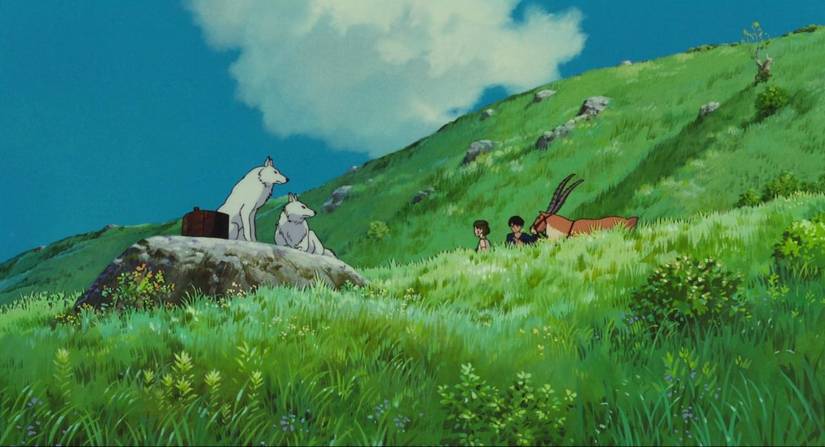 Princess Mononoke, Hayao Miyazaki's 1997 masterpiece, consists of over 144,000 individual frames that he personally reviewed, and redrew an estimated 80,000.Image: Toho
The transition to digital production never erased that artistry, but it changed the conversation. Digital tools allowed anime productions to become faster, cleaner, and more flexible. Most of today's best-looking anime are still drawn by hand, just with a stylus instead of a pencil. That's why this isn’t quite a "return" to hand-drawn animation. The real conversation isn't about paper versus tablets. It's about whether audiences can still feel the artist and the artistry behind the work — and how that might feel different depending on the techniques used to create it.
Yoshitaka Amano thinks audiences can perceive the subtle difference. When I asked him what was worth protecting about the human touch in an age increasingly defined by AI-generated art, his answer wasn't about technology at all. "AI cannot create zero to one," he said. "[It’s] only a tool. Only human[s] can create the original."
Later, I asked whether preserving imperfections was an important philosophy behind ZAN, Amano's long-overdue anime that's still years away from completion. Again, Amano shifted away from the technical side of animation and toward something much more philosophical. Those imperfections, he explained, are an extension of humanity itself. They aren't flaws to be erased, but the very essence of what makes us human.
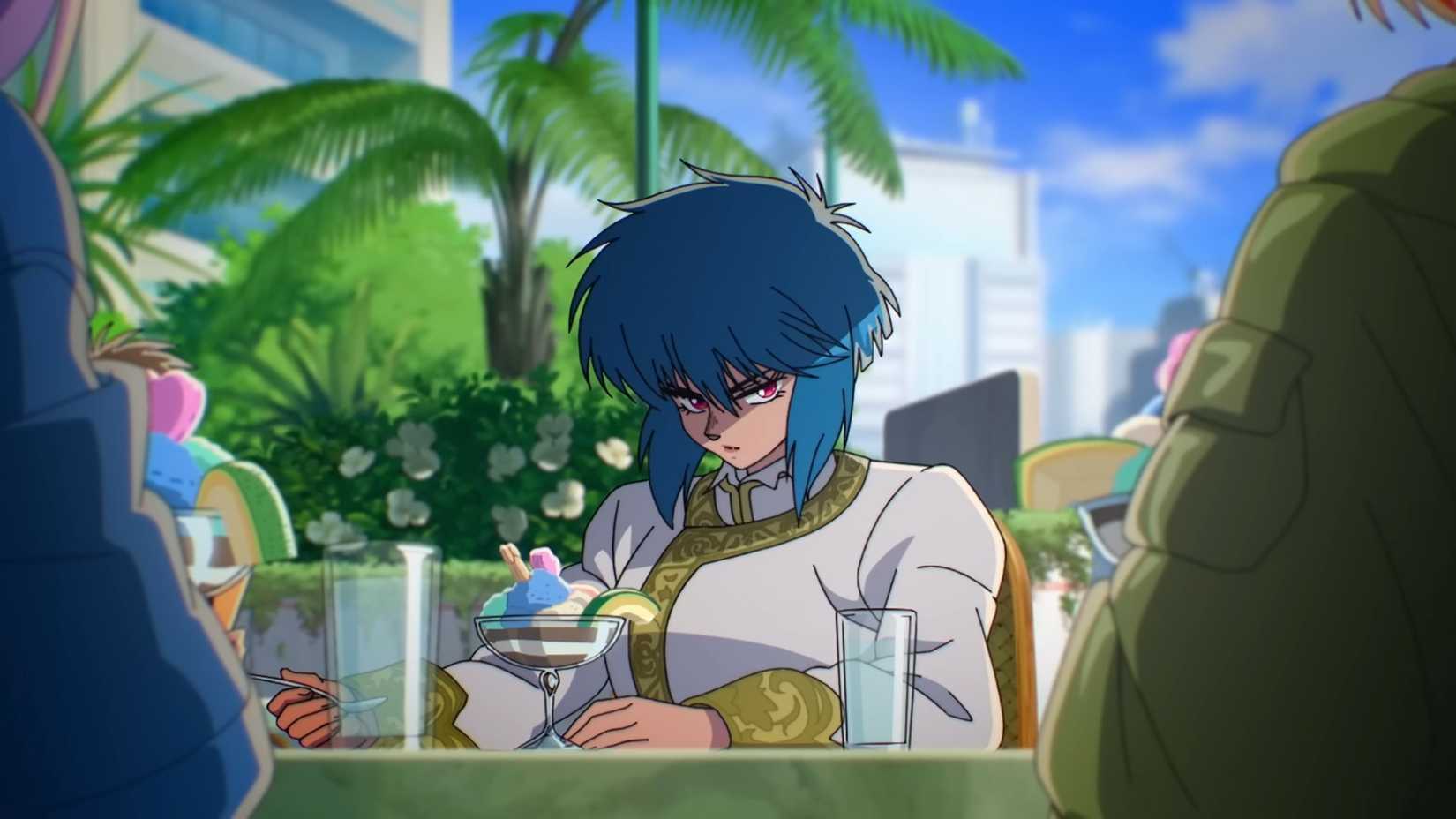 Executive Animation Director Shuhei Handa stated that the team used traditional hand-drawn techniques specifically to emphasize the human body on The Ghost in the Shell.Image: Prime Video
That same philosophy surfaced again while speaking with the creative team behind The Ghost in the Shell. Rather than leaning into every new production technique available, director Mokochan and executive animation director Shuuhei Handa explained that the series intentionally relied on older methods. "We actually didn't use [modern] technology," Mokochan said. "Mainly just hand-drawn."
The reason wasn't nostalgia, but thematic. Since The Ghost in the Shell has always explored what it means to be human, Mokochan felt the animation itself should reflect that idea. The team wanted to focus on the movement of real bodies, on subtle physical details, and what he described as a more "human analog style."
That immediately brought me back to 2025’s Virgin Punk: Clockwork Girl. Watching Yasuomi Umetsu's 35-minute showcase of astonishing draftsmanship, I remember thinking less about the action itself and more about how visible the artist feels in every frame. Every exaggerated pose, every impossibly fluid cut, every tiny flourish carried Umetsu's personality. You aren’t just watching characters move, but literally watching an animator draw.
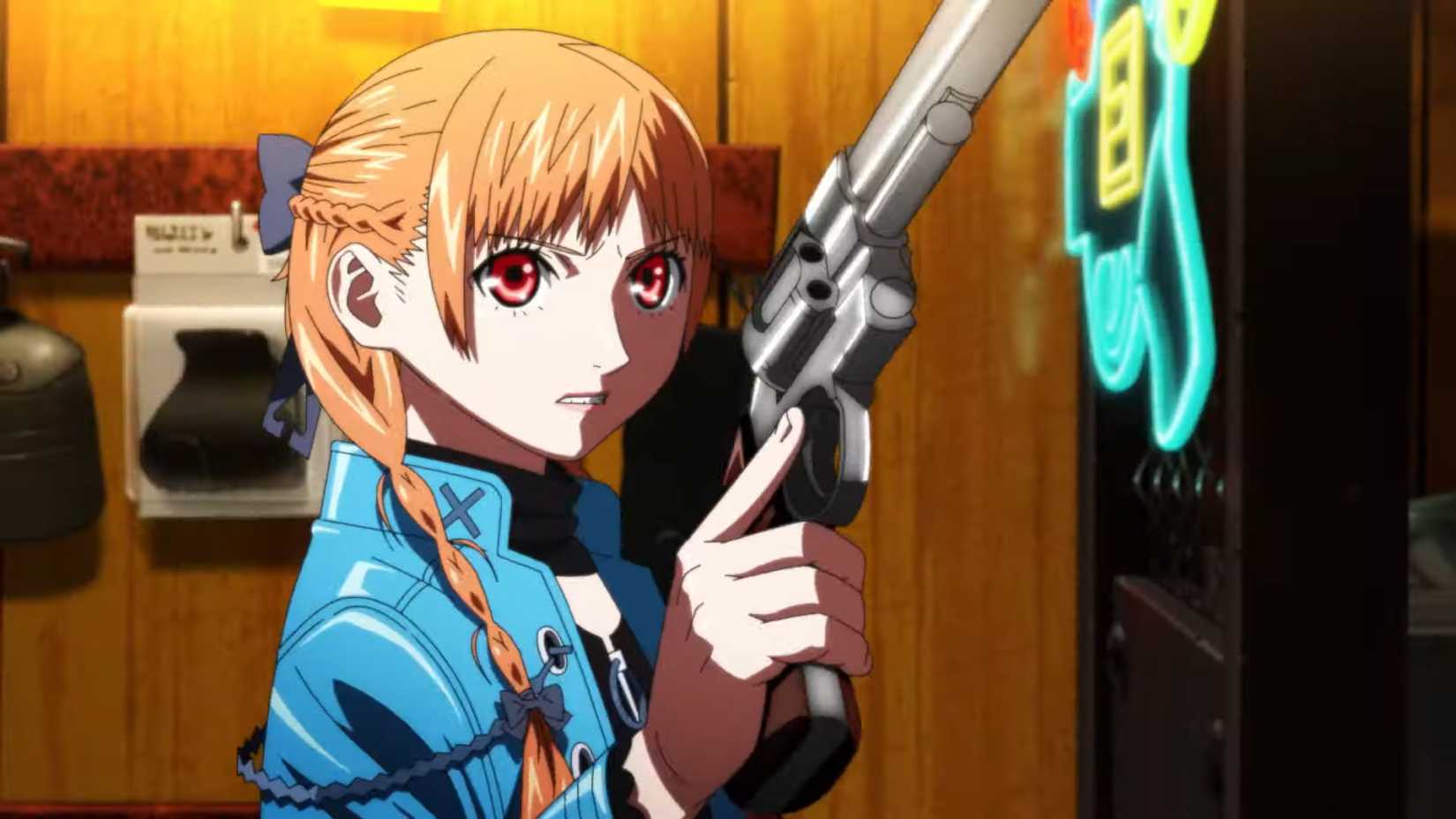 Umetsu's Virgin Punk required 35,000 completed hand-drawn frames (and over 100,000 rough sketches) to capture its fluid motion.Image: Aniplex/Shaft
Maybe that's what makes Amano's observations so fascinating. Despite hand-drawn animation often being described as expensive or impractical, he believes demand for it is actually growing, particularly among younger audiences encountering it for the first time. To them, he suggested, hand-drawn anime isn't old, but something new. It’s reminiscent of the recent trend to buck digital music in favor of vinyl, with supporters claiming the latter offers a more “lively” and “warmer” feeling, but there’s also the physicality of it. Like hand-drawn anime, listening to vinyl requires a little bit of that friction our contemporary selves tend to hate: the needle hitting the groove, hissing before a song plays, having to get up to change every new album.
Still, Amano’s thinking is surprising given how Gen Z acts. We tend to assume younger viewers raised on TikTok, YouTube Shorts, and endlessly polished digital media would gravitate toward whatever is newest, but perhaps the opposite is true. Maybe visible craftsmanship has become novel precisely because so much of our entertainment feels frictionless. Maybe audiences aren't responding to paper itself, but to that unnamed feeling that another human being really crafted what’s on-screen.
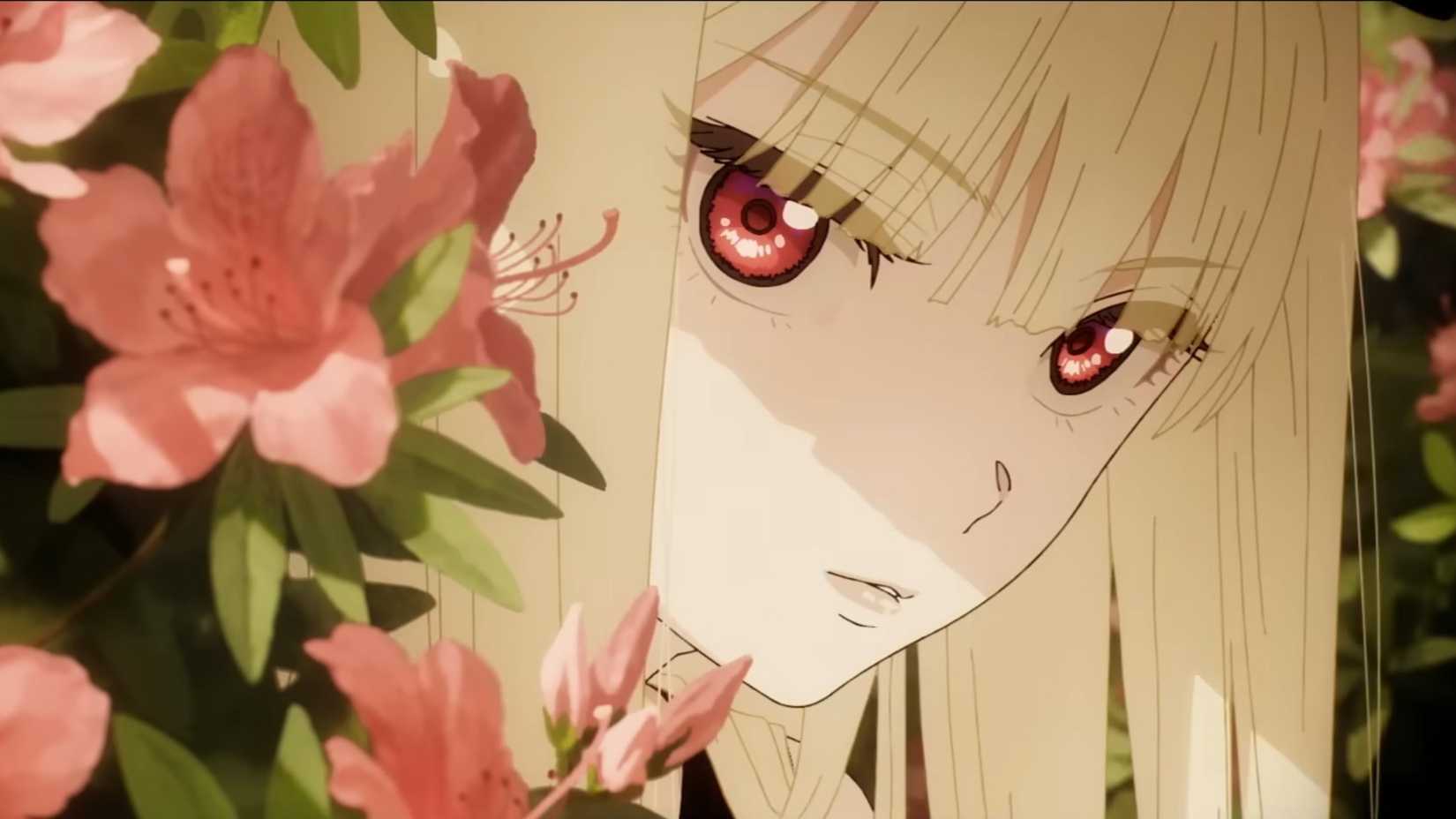 CloverWorks' GROTESQQQUE will feature 2D hand-drawn animation blended with modern digital techniques.Image: CloverWorks/JOEN
Whether ZAN, The Ghost in the Shell, or Virgin Punk represent the beginning of a larger movement is impossible to say, but after spending a weekend hearing creators return to the same ideas about imperfection and craftsmanship, it's difficult to dismiss them as coincidence. Anime has always been built on drawings. What struck me most at Anime Expo wasn't the suggestion that the industry is going backwards. It was the reminder that, even as technology continues to reshape animation, some of its most celebrated artists still believe the human hand is the medium's greatest special effect.



 English (US) ·