
 Custom image created by Evan D. Mullicane

Published Mar 6, 2026, 8:30 PM EST
Hannah is a senior writer and self-publisher for the anime section at ScreenRant. There, she focuses on writing news, features, and list-style articles about all things anime and manga. She works as a freelance writer in the entertainment industry, focusing on video games, anime, and literature.
Her published works can be found on ScreenRant, FinanceBuzz, She Reads, and She Writes.
Anime has never been more popular globally, but the way anime is produced is undergoing a dramatic transformation. For decades, fans associated major anime franchises with extremely long runs, sometimes stretching into hundreds of episodes. Series that aired weekly for years defined the medium and created a model that dominated the industry for generations.
However, the modern anime landscape looks very different. Many of the most successful series today are embracing shorter seasons that typically run only ten to twelve episodes. While some longtime fans still prefer longer formats, the shift toward concise storytelling is quickly proving to be one of the most important developments in anime’s modern era.
The Rise of Shorter Anime Seasons
One of the clearest trends in the current anime landscape is the increasing popularity of shorter seasons. Many recent hits have adopted a format that focuses on quality over quantity, delivering tightly structured stories across a limited number of episodes. Instead of airing year-round, these shows often release in short bursts designed to maximize impact.
Series like Jujutsu Kaisen and Frieren: Beyond Journey’s End demonstrate how effective this approach can be. Even though these franchises already have massive audiences, their newer arcs are embracing shorter seasonal structures. This allows studios to focus more time and attention on each episode without the pressure of maintaining an endless weekly schedule.
The result is often a stronger final product. Shorter seasons allow animation teams to polish visuals, refine pacing, and avoid the filler episodes that historically plagued long-running anime. When each episode carries narrative weight, audiences tend to stay more engaged, and the story itself feels more purposeful from beginning to end.
Another advantage of the shorter-season model is accessibility. A twelve-episode anime is far less intimidating for new viewers than a series with hundreds of episodes already released. New fans can quickly jump into the conversation without committing months or years to catching up, which helps anime reach a broader global audience.
Long-Running Anime Are Slowly Disappearing

The classic long-running anime format was once the backbone of the industry. Franchises like One Piece and Dragon Ball exemplified this model, airing continuously for years while building massive episode counts and expansive storylines. These series became cultural institutions partly because of their constant presence on television.
Yet even these giants are beginning to adapt to the new landscape. Recent production changes have shown that even legacy franchises recognize the advantages of seasonal storytelling. Instead of running endlessly, newer installments are being broken into shorter cours that allow production teams to maintain higher standards.
This transition isn’t only about storytelling preferences; it’s also about sustainability. Long-running anime schedules often put extreme pressure on animators and production teams. Tight weekly deadlines can lead to inconsistent animation quality and stressful working conditions. A shorter season structure gives studios breathing room to create more polished episodes without sacrificing their staff’s well-being.
Streaming platforms have fundamentally altered viewing habits, encouraging viewers to binge entire seasons rather than following a single show every week for years.
At the same time, the change reflects how audiences consume media today. Streaming platforms have fundamentally altered viewing habits, encouraging viewers to binge entire seasons rather than following a single show every week for years. The seasonal anime model fits perfectly into this new ecosystem, allowing studios to release concentrated bursts of content that generate excitement online.
Anime Movies and Seasonal Storytelling Are Merging
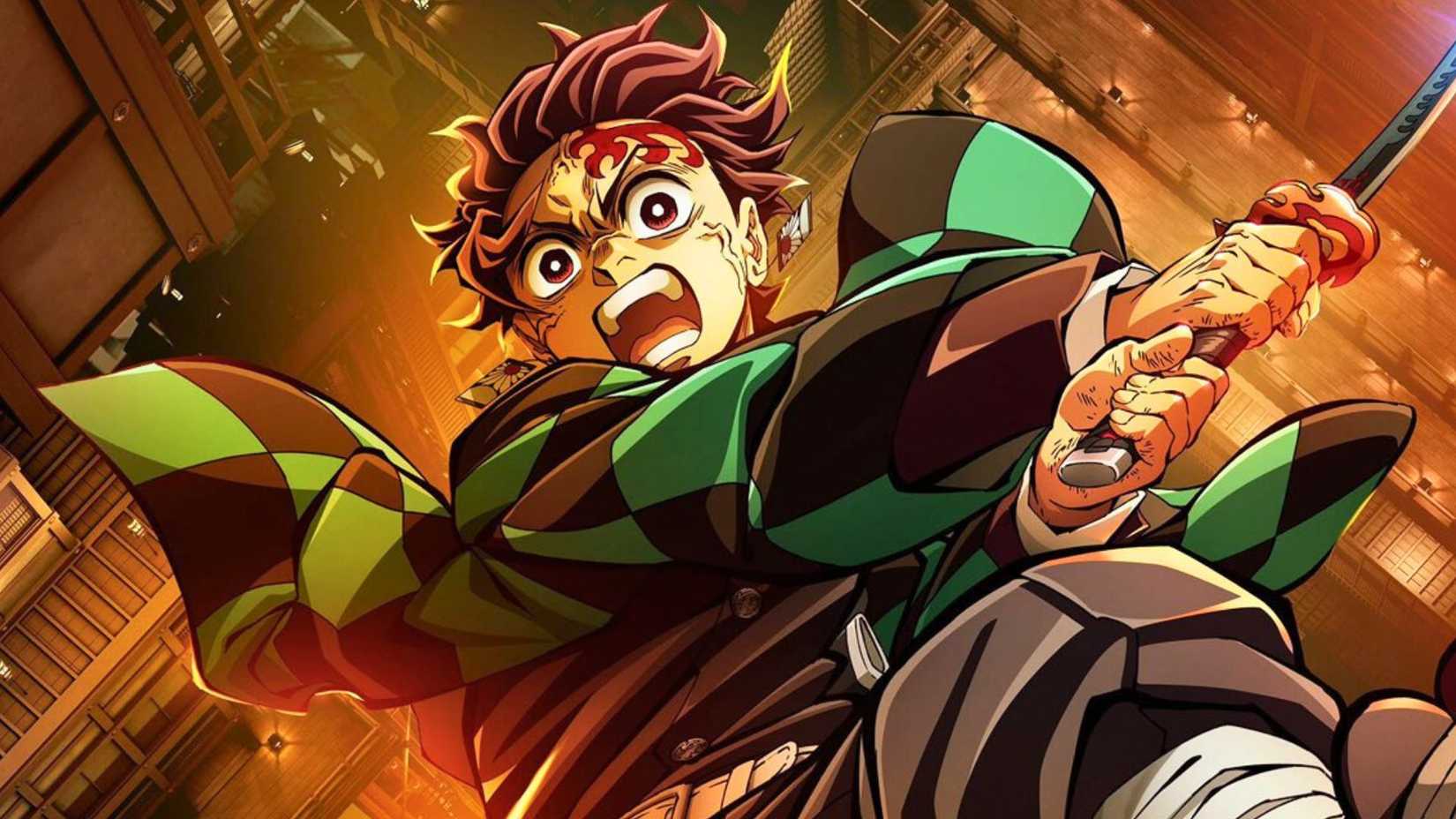
Another major consequence of the short-season trend is the growing role of anime films within larger franchises. In the past, anime movies often existed outside the continuity of their respective shows. They were entertaining side stories but rarely essential to the overall narrative.
That dynamic has changed dramatically in recent years. Modern anime films are increasingly treated as major story events that directly continue or conclude major arcs. Some of the biggest franchises are now using theatrical releases to tell pivotal chapters in their stories, blending the cinematic and television formats.
A prominent example of this strategy can be seen in the ambitious film plans for Demon Slayer, which has expanded its story through theatrical releases rather than traditional seasons. Major arcs such as the Demon Slayer: Infinity Castle project illustrate how anime studios are experimenting with film trilogies to deliver large-scale finales that would once have been spread across dozens of episodes.
The combination of shorter seasons and blockbuster movies gives studios new storytelling flexibility. Instead of stretching content across long seasons, creators can carefully divide major arcs between television installments and cinematic events. This approach maintains momentum while still giving fans spectacular moments that benefit from a larger production scale.
At the same time, this strategy allows anime studios to keep their schedules manageable. A series might release a compact season one year, followed by a theatrical film the next, before returning with another season. This staggered model keeps audiences engaged while allowing production teams the time they need to deliver high-quality animation.
A Controversial Shift That’s Changing Anime Forever

Despite its advantages, the move toward shorter seasons has not been universally embraced. Some fans still miss the sense of continuity that came with long-running anime series. Weekly episodes that aired for years created a unique rhythm that allowed audiences to grow alongside characters over time.
There is also concern that shorter seasons could mean longer waiting periods between installments. When a show releases only a dozen episodes, fans may need to wait a year or more before the story continues. For audiences accustomed to nonstop content, that delay can feel frustrating.
However, the industry appears firmly committed to this new direction. The benefits of shorter seasons, from improved production quality to healthier work schedules, are difficult to ignore. As more studios adopt the model, the trend is becoming less of an experiment and more of a new standard.

Related
2026 Is Officially the Year Streaming Stops Being Worth It: Here’s Why
Explore the growing challenges of streaming anime in 2026 and why many fans are turning back to physical media.
Ultimately, the transformation reflects anime’s ongoing evolution. The medium has always adapted to technological changes, audience expectations, and creative opportunities. Today’s shift toward shorter seasons represents the latest step in that evolution, one that prioritizes storytelling precision and artistic quality.
If the success of recent anime releases is any indication, this controversial change may be exactly what the industry needs. By focusing on tightly crafted seasons, studios are proving that sometimes less really is more, and that the future of anime might be stronger than ever because of it.







:quality(85):upscale()/2026/02/02/940/n/1922153/tmp_2bS324_5518251436641b44_Photo_Grid_3_Up_-_Burgundy_Green-2-Photo_Grid_4up_Main_-_Green_Burgundy_1_.jpeg)
 English (US) ·