
 1 hour ago
14
1 hour ago
14
AMD is putting its foot on the gas for its next generation of AI hardware. The company is increasing production of systems built around HBM4, the newest generation of high-bandwidth memory.
Inside the Helios ramp
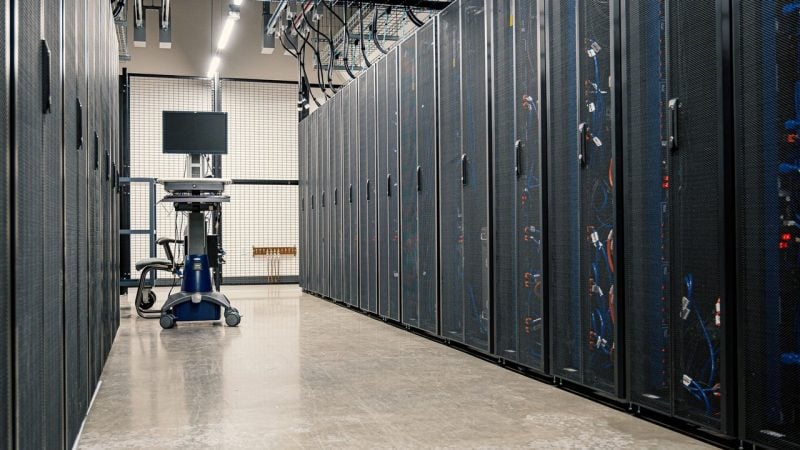
Each Helios rack packs 72 Instinct MI455X accelerators. Every one of those chips carries 432 GB of HBM4 memory.
The math works out to 31,104 GB of HBM4 in a single rack.
For AI workloads, memory bandwidth matters enormously. Large models constantly shuttle huge amounts of data, and a fast chip starved of memory bandwidth mostly sits around waiting.
Mass production of Helios began in July 2026. Initial shipments were scheduled for the end of Q3 2026, with significant volume increases expected in Q4 2026.
Volume shipments are expected to serve major customers including OpenAI, Anthropic, and Microsoft.
AMD has also found that demand outran its own projections. Interest in Helios has far exceeded the company’s initial forecasts for 2027, prompting AMD to plan substantial production increases over the next three to five years.
Samsung takes the priority supplier seat
Samsung began HBM4 mass production in February 2026. A month later, in March 2026, the two companies signed a memorandum of understanding naming Samsung as AMD’s preferred HBM4 supplier, with shipments currently in progress.
As of early October 2026, AMD CEO Lisa Su was in Seoul discussing additional HBM4 supply with Samsung executives.
The supply crunch nobody can escape
Yields on HBM4 are rising at both Samsung and SK Hynix, but supply constraints remain a major hurdle. AMD has pointed to tight availability of components including HBM and advanced packaging, the specialized process that bonds memory stacks to processors.
HBM4 production capacity is reportedly sold out through 2029, with demand outpacing supply. Samsung aims to double its output in 2027.
What this means for AMD and the AI hardware race
AMD has long chased Nvidia in AI accelerators, and a full-rack system like Helios is its bid to compete at the level hyperscalers actually buy. The real test comes in Q4 2026, when volume shipments are expected to climb.
The risk sits squarely in the supply chain. If HBM and advanced packaging stay tight, AMD’s growth depends less on how many racks customers want and more on how many it can actually build. With HBM4 capacity reportedly committed through 2029, suppliers like Samsung and SK Hynix hold a strong hand.
The watch list includes Q4 shipment volumes, any expansion of the Samsung supply deal after Su’s Seoul visit, and progress on Samsung’s goal to double output in 2027.
Disclosure: This article was edited by Diego Almada Lopez. For more information on how we create and review content, see our Editorial Policy.





 English (US) ·