AMD denies report of MI455X delays as Nvidia VR200 systems are rumored to arrive early — company says Helios systems 'on target for 2H 2026'
1 hour ago
8
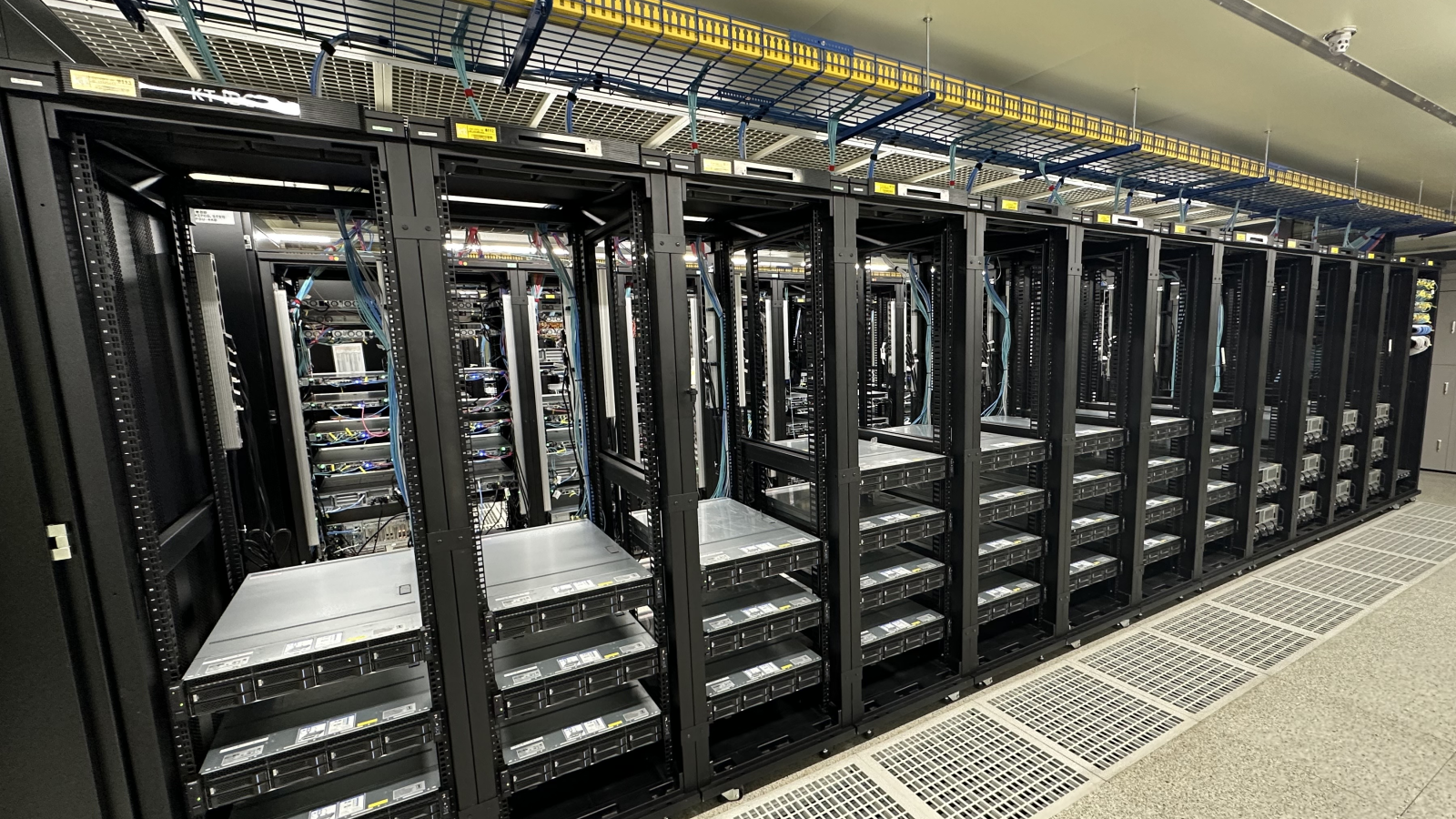
(Image credit: Moreh)
AMD's next-generation Instinct MI455X may face delays in production and adoption by end-users, according to a report by SemiAnalysis, a claim that AMD was quick to deny.
By contrast, Nvidia's Vera Rubin platform for AI data centers may show up on the market earlier than anticipated (according to Evercore, via @halfblindmonkey) as silicon is already in mass production. The company must finalize its AI server and NVL72 VR200 rack-scale solution design and qualify it with customers soon to start volume shipments in order to meet its aggressive claims of platform readiness at CES this year.
"Engineering samples and low volume production of AMD's first rack scale MI455X UALoE72 system will be in H2 2026 while due to manufacturing delays, the mass production ramp and first production tokens will only be generated on an MI455X UALoE72 by Q2 2027," the report by SemiAnalysis reads.
"Well, your assessment is still wrong," wrote Anush Elangovan, corporate vice president of AMD's software development, in an X post. "On target for 2H 2026."
AMD's Helios rack-scale solutions for AI pack 72 Instinct MI455X AI accelerators with 31 TB of HBM4 memory that are designed to deliver 2.9 FP4 exaFLOPS for AI inference and 1.4 FP8 exaFLOPS for AI training. Initially, it was expected that AMD's first rack-scale AI system will use UALink interconnections for scale-up connectivity to maximize performance. However, it looks like at least initial Helios machines will not use UALink, but UALink over Ethernet, which means lower performance.
We do not know whether UALink is to blame for the reported delay, but Astera Labs, a leading developer of connectivity solutions, recently confirmed that UALink-based platforms would ramp in 2027, not in 2026.
"Solid traction continues to develop with respect to UALink with a vibrant ecosystem, including product announcements, broad IP availability, and compliance methodologies being finalized," said Jitendra Mohan, chief executive of Astera Labs, during the company's conference call with financial analysts and investors. "Recent public roadmap announcements from AWS and AMD along with other ongoing engagements indicate a broad adoption. UALink remains the highest performance and lowest latency fully open solution for AI scale up connectivity, and we will be ready to intercept the initial customer platform ramps in 2027."
Get Tom's Hardware's best news and in-depth reviews, straight to your inbox.
Meanwhile, if Evercore ISI analyst Mark Lipacis is to be believed, Nvidia may be on-track to release its NVL72 VR200 platform as early as in Q2 2026, three to six months ahead of the schedule. Keeping in mind that Jensen Huang said that the Vera Rubin platform was in production as of early January, it is well possible that some of Nvidia's closest customers can get the new AI platform earlier than expected.
"Some believe that China ban has enabled Nvidia to leverage suppliers that have typically served China to work on worldwide product development, enabling Rubin to be 3 – 6 months ahead of schedule," an Evercore note for clients reads. "Some would not be surprised if Rubin shipments happen by end of Q2 2026. Hyperscalers note that Vera CPU, Rubin GPU [are] already in fabrication and running test/validation."
If Nvidia manages to speed up the arrival of NVL72 VR200 platform, whereas AMD delays volume ramp of its Helios rack-scale solution, then the former will strengthen its leadership on the AI market for the next year as developers of frontier AI models will continue to rely on Nvidia's hardware.
Anton Shilov is a contributing writer at Tom’s Hardware. Over the past couple of decades, he has covered everything from CPUs and GPUs to supercomputers and from modern process technologies and latest fab tools to high-tech industry trends.

 1 hour ago
8
1 hour ago
8







 English (US) ·