
 3 weeks ago
44
3 weeks ago
44
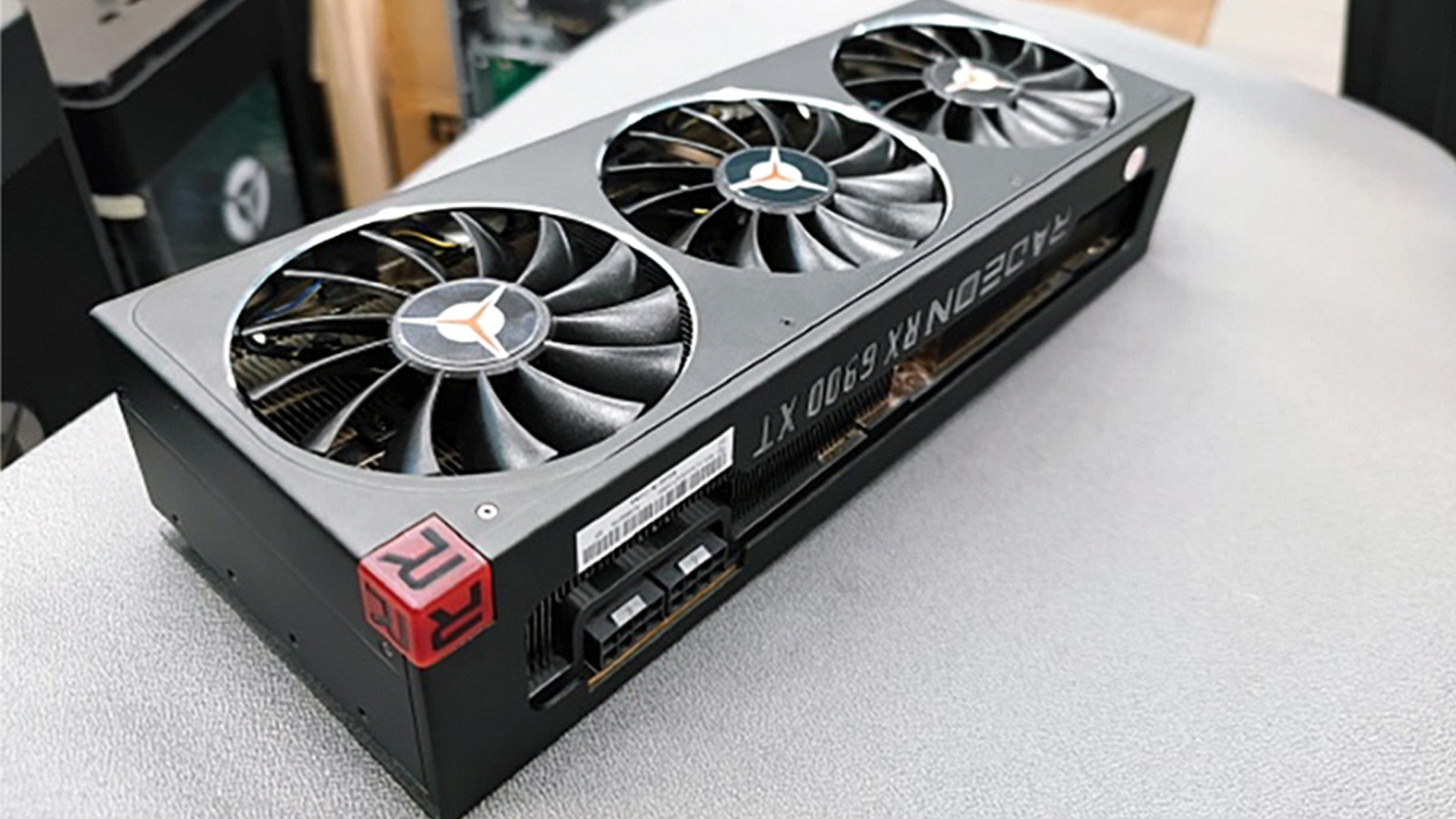
After a turbulent weekend of updates and clarifications, AMD has published an entire web page to assuage user backlash and reaffirm its commitment to continued support for its RDNA 1 and RDNA 2-based drives, following a spate of confusion surrounding its recent decision to put Radeon RX 5000 and 6000 series cards in "maintenance mode." This comes after AMD had to deny that the RX 7900 cards were losing USB-C power supply moving forward, even though the drive changelog said something quite different.
Just last week, AMD released a new driver update for its graphics cards, and it went anything but smoothly. First, the wrong drivers were uploaded, and even after that was corrected, several glaring errors in the release notes required clarification. AMD was forced to correct claims about its RX 7900 cards, but at the time clarified that, indeed, RX 5000 and 6000 graphics cards were entering "Maintenance Mode," despite some RX 6000 cards being only around four years old.
Using the new split driver approach will reportedly make the job of AMD's driver team easier, whilst preventing anything designed for newer GPUs from breaking anything on the older ones.
"Our goal is simple: to give every Radeon gamer the best experience possible. By separating the code paths, our engineers can move faster with new features for RDNA 3 and RDNA 4, while keeping RDNA 1 and RDNA 2 stable and optimized for current and future games," AMD said.
This public statement backs up the response Tom's Hardware received from AMD at the tail end of last week.
"New features, bug fixes and game optimizations will continue to be delivered as required by market needs in the maintenance mode branch," an AMD spokesperson told Tom's Hardware last week.
This probably puts to bed any ideas of those older AMD cards getting the latest upscaling support, despite what modders have already proved is possible. AMD's early cards were notoriously and significantly behind the Nvidia curve when it came to upscaling and ray tracing support. With how much greater focus recent generations of AMD hardware and the latest games have placed on these technologies, perhaps it makes sense for AMD to keep its efforts for these new features focused on the future and recent past.
Either way, it's good to know that game optimizations will remain for those on older cards, even if they won't get quite the same shiny new features as the latest designs.

Follow Tom's Hardware on Google News, or add us as a preferred source, to get our latest news, analysis, & reviews in your feeds.



 English (US) ·