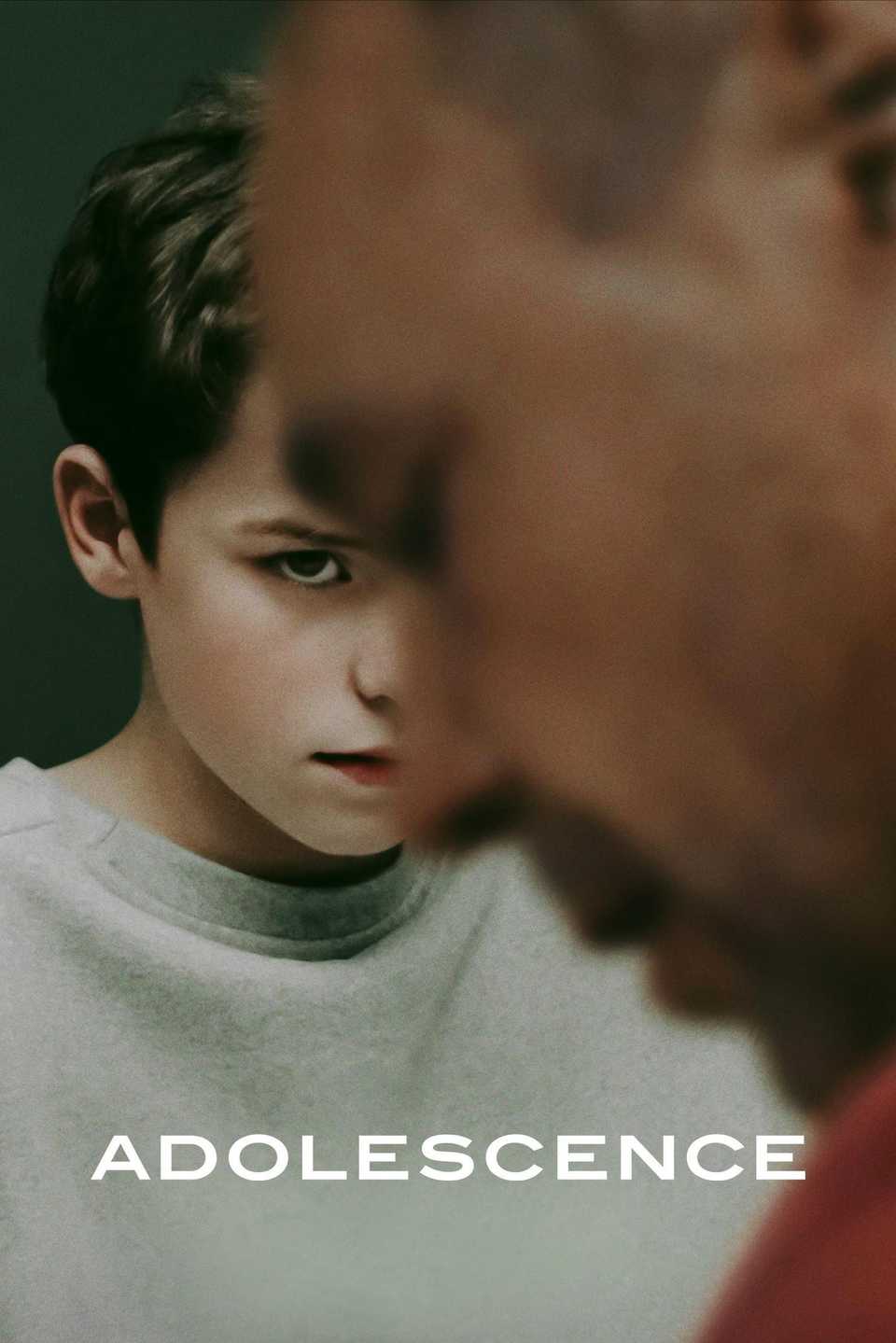
However, while many Netflix miniseries thrillers dominate popular culture when they arrive, relatively few create conversations for long after they arrive, but Adolescence is a noteworthy exception. The 2025 miniseries doesn’t simply deliver four good episodes: it makes all four feel essential. Across its writing, performances, and extraordinary technical ambition, Adolescence pushed boundaries in almost every conceivable way, leading to 9 Primetime Emmy wins, four Golden Globes, and a 97% Rotten Tomatoes score. It’s only right that it’s still a talking point.
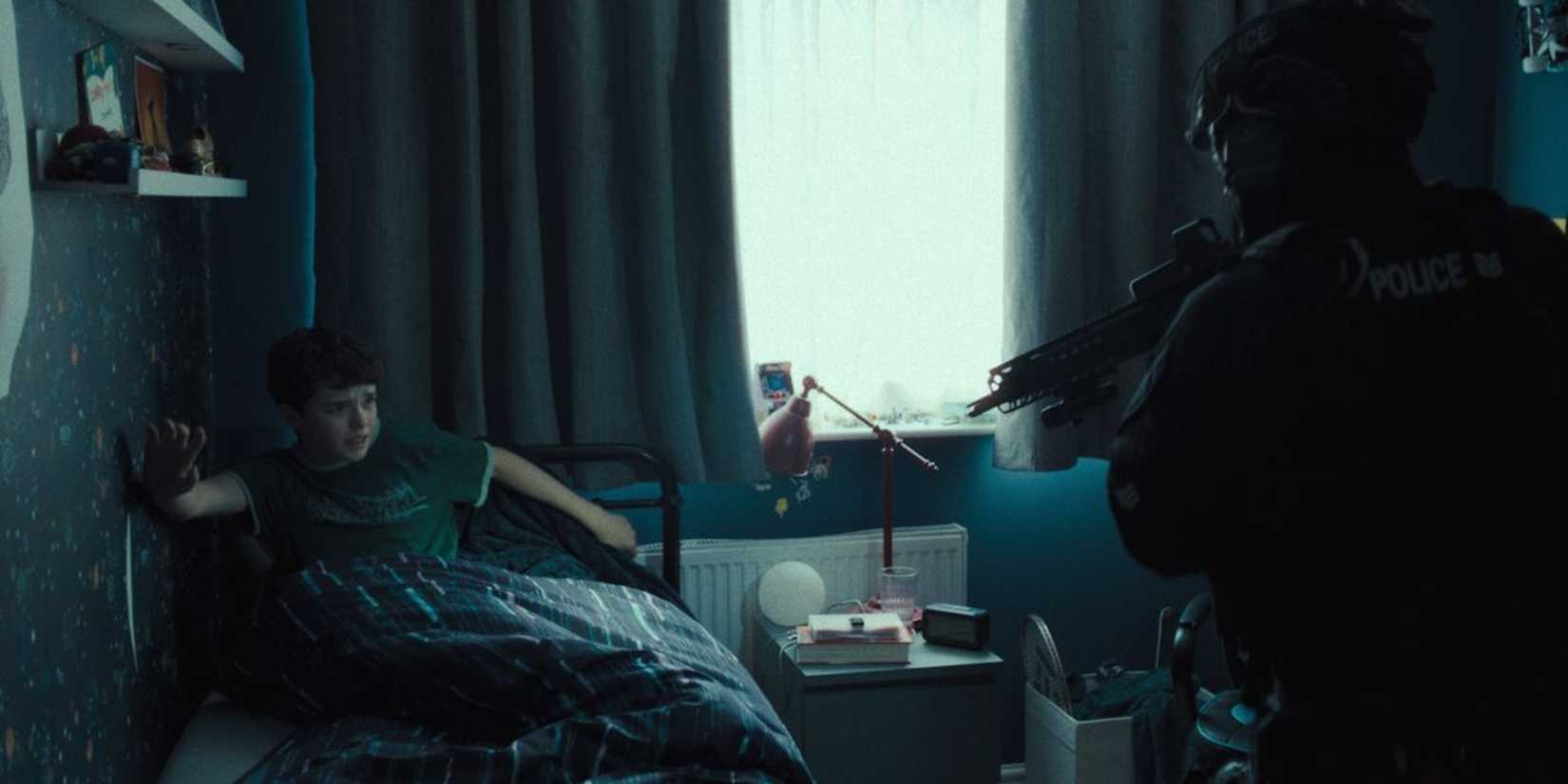
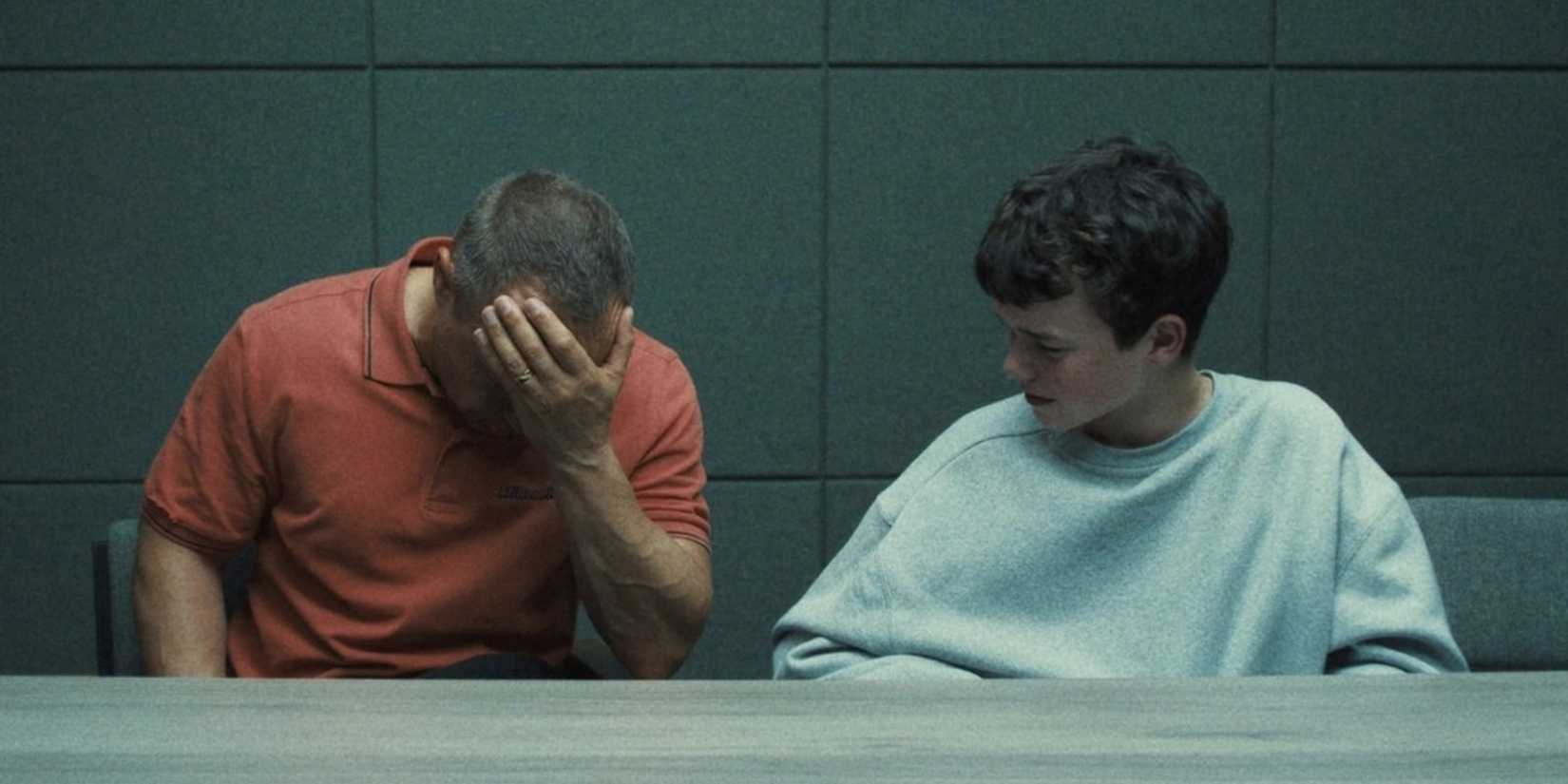
The story begins when thirteen-year-old Jamie Miller (Owen Cooper) is arrested for the murder of a girl at his school, leaving parents Eddie (Stephen Graham) and Manda (Christine Tremarco) struggling to comprehend the accusation. From there, Adolescence examines the emotional fallout of a horrifying act of violence, gradually dismantling the comforting assumption that parents always know their children. Its premise is devastating, but it’s the execution that makes Adolescence exceptional to the point that calling it possibly Netflix’s best thriller miniseries doesn’t feel like hyperbole.
Adolescence Doesn’t Waste A Single Scene
A truly great thriller miniseries needs more than a central premise or hook that makes the “next episode” button hard to resist on the first watch through. No matter how jaw-dropping its conclusion is, it needs to make every hour getting there feel worth it. Adolescence does this with one of the tightest narratives of any original Netflix show, giving each instalment a distinct purpose while ensuring everything contributes to the same devastating story. No subplot is disposable and no scene is wasted.
This commitment to making every moment count extends to every conversation in Adolescence. All the dialogue adds to the wider thematic and emotional tapestry. The defensive responses from Jamie, uncomfortable silences between DI Bascombe (Ashley Walters) and DS Frank (Faye Marsay), Eddie’s attempts to reassure Manda, all of it feels like it matters. The dialogue relentlessly builds tension on all fronts. To say it deserved its Emmy for Outstanding Writing for a Limited or Anthology Series or Movie is an understatement.
A particular narrative masterstroke was establishing the truth of the crime early. It made Jamie’s story considerably more unsettling, because rather than a whodunnit, the focus was on how something so horrifying was possible in the first place. The arrest, school investigation, psychological assessment, and emotional aftermath for the Miller family and their Doncaster community each expose a different part of a disturbingly plausible sequence of events. Every episode of Adolescence changes the audience’s understanding without making the previous chapter feel like an elaborate misdirection.
The final episode of Adolescence in particular stands out for the harrowing way it explores how the consequences of an unthinkable moment invade everyday family life long after its passed. There’s no comforting return to normality once the investigation has supplied its answers. Instead, Adolescence makes the psychological impact of those answers inescapable. Across four episodes, its progression from immediate shock to lasting devastation creates one of the streaming era's most gripping miniseries thrillers.
The Storytelling Isn’t The Only Defining Achievement Of Adolescence
The writing alone would make Adolescence exceptional, but its visual execution makes the viewing experience even more immersive. Each episode is one continuous shot. The show forces viewers to follow people through homes, corridors, and crowded spaces. It’s intimate to the point of being claustrophobic, which lends itself perfectly to the overall tone the story creates. Without a cut to a different location to offer relief, viewers remain trapped inside events that become increasingly difficult to endure.
That approach also gives an Emmy-winning ensemble cast of Adolescence room to work. Owen Cooper became the youngest male Emmy winner in history for making Jamie’s shifts between frightened vulnerability, resentment, and aggression as disturbing as they are understandable. Stephen Graham, who individually won both an Emmy and a Golden Globe, is equally devastating as his father, Eddie Miller, whose determination to protect his son collides with having to accept that Jamie is guilty. Their performances make the family’s reaction to the murder, not the act itself, why Adolescence is impossible to forget.
Erin Doherty provides another standout as clinical psychologist Briony Ariston, and has her own individual Primetime Emmy and Golden Globe to prove it. Her exchanges with Jamie turn tiny changes in tone into major confrontations, while her controlled reactions make the strain beneath professional composure palpable. The sustained takes allow these performances to develop without interruption, making every hesitation and sudden outburst hard to overlook the significance of.
Just as significant is Adolescence's willingness to confront difficult yet important topics like misogyny, online radicalisation, adolescent insecurity, and parental blind spots. The fact it covers a story so rooted in contemporary anxieties without offering an easy explanation that absolves anyone involved gives it cultural significance beyond its brilliance as a piece of television. Combined with such solid storytelling, that courage secures Adolescence a place among Netflix’s best shows, regardless of genre or format.
Release Date
March 13, 2025
Network
Netflix
Directors
Philip Barantini

 Netflix








 English (US) ·