
 5 hours ago
7
5 hours ago
7
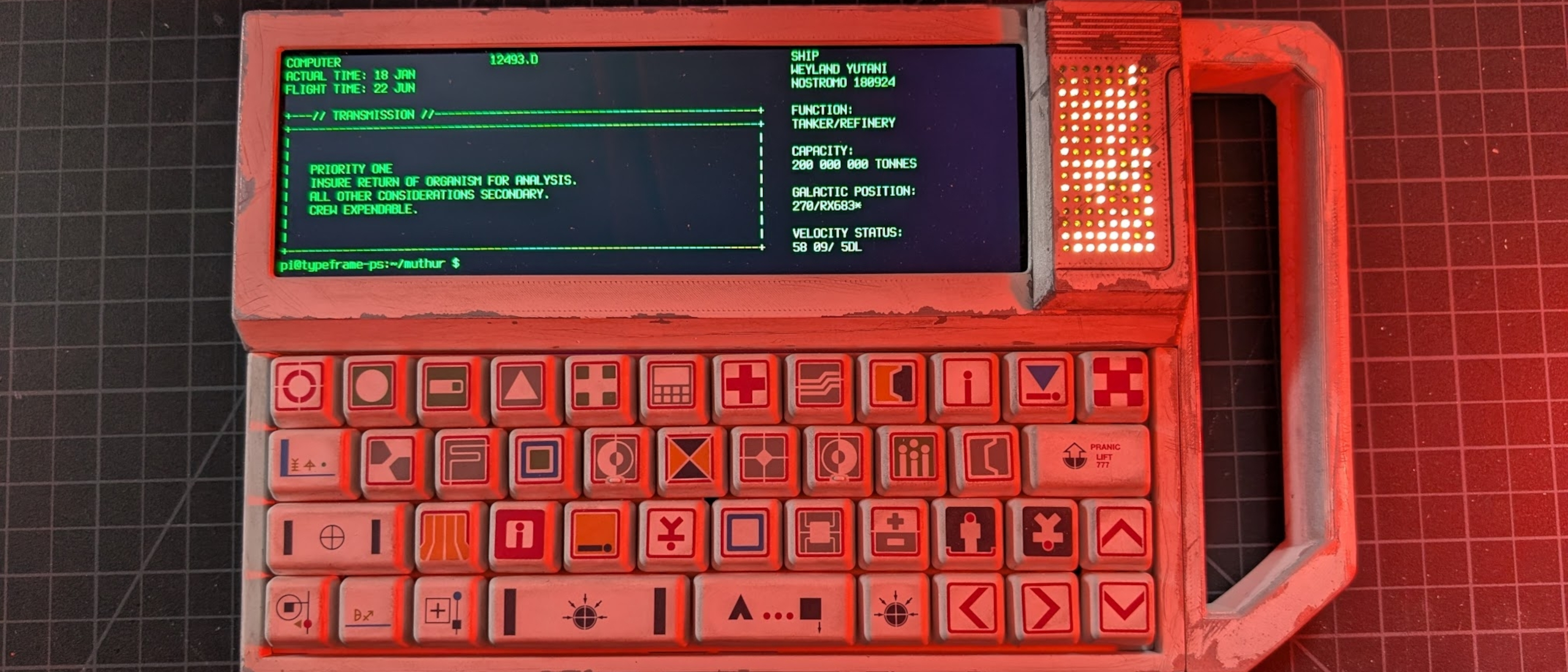
It's been a while since we've covered cyberdecks, and so, when this Alien-inspired cyberdeck crossed our path, we had to take a look. Powered by the Raspberry Pi Zero 2W, Jeff Merrick's slab of 1970s/1980s aesthetic screams the "charm" of the worn and broken Alien universe that belies the powerful single-board computer within.
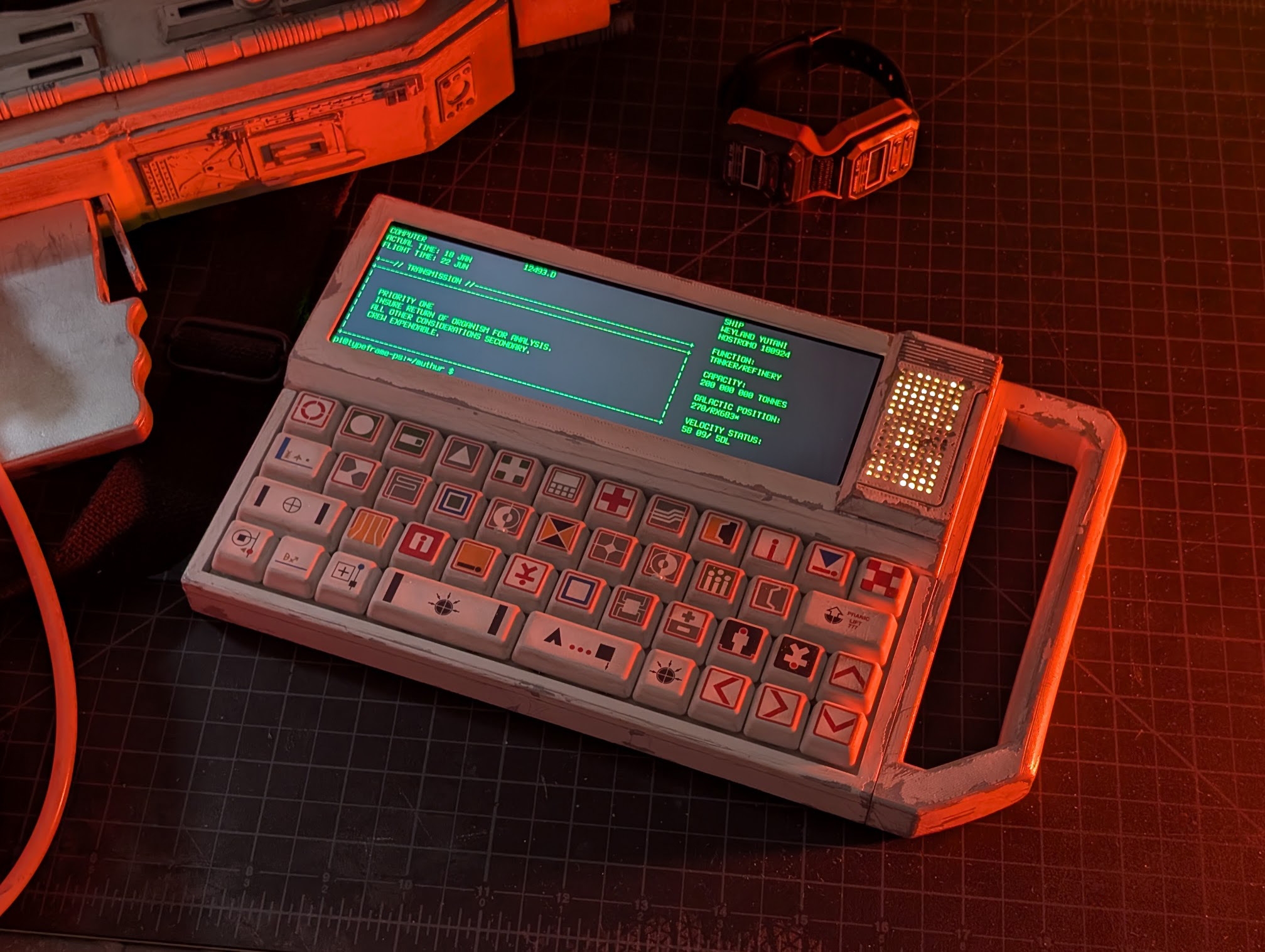
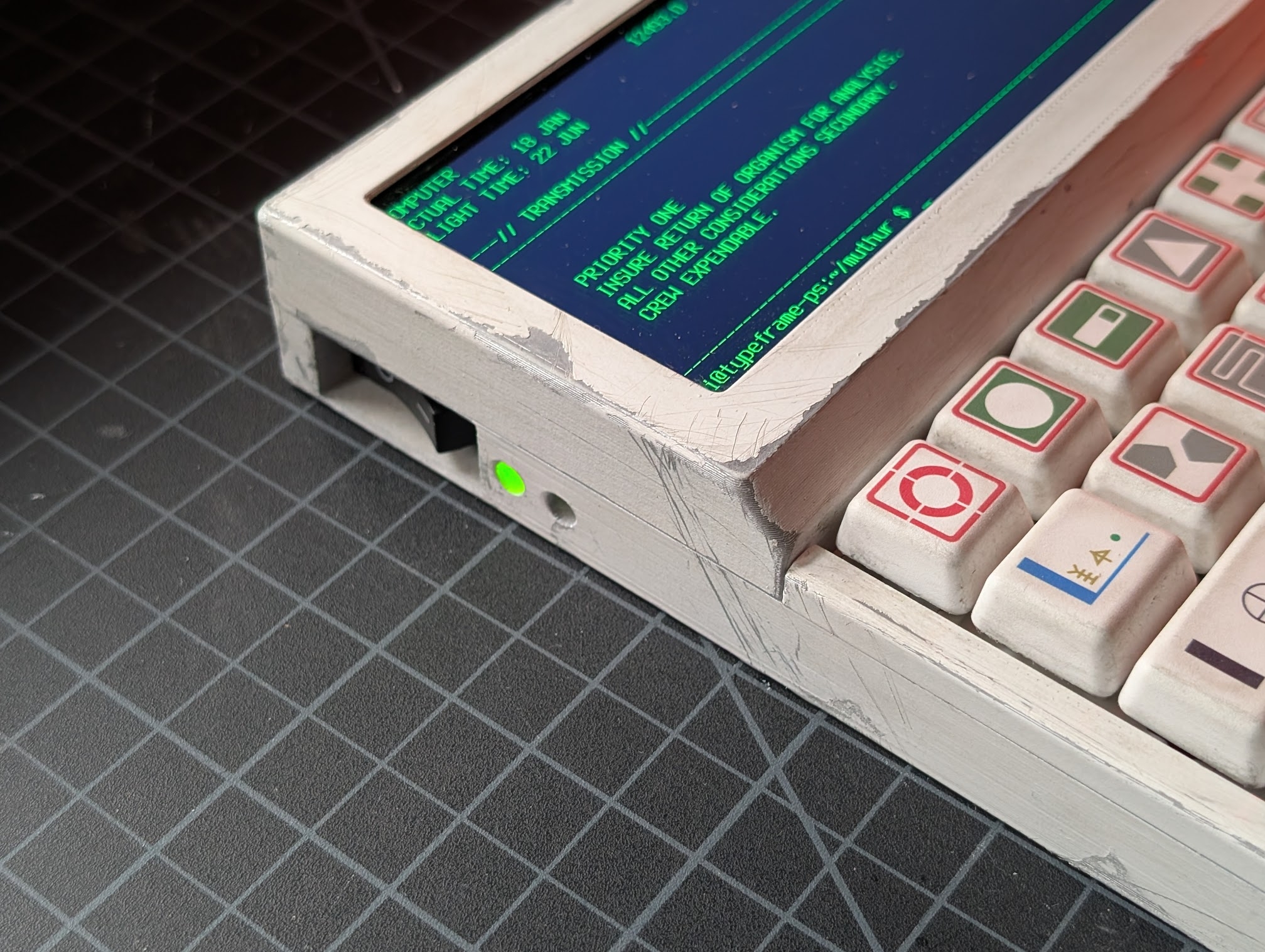
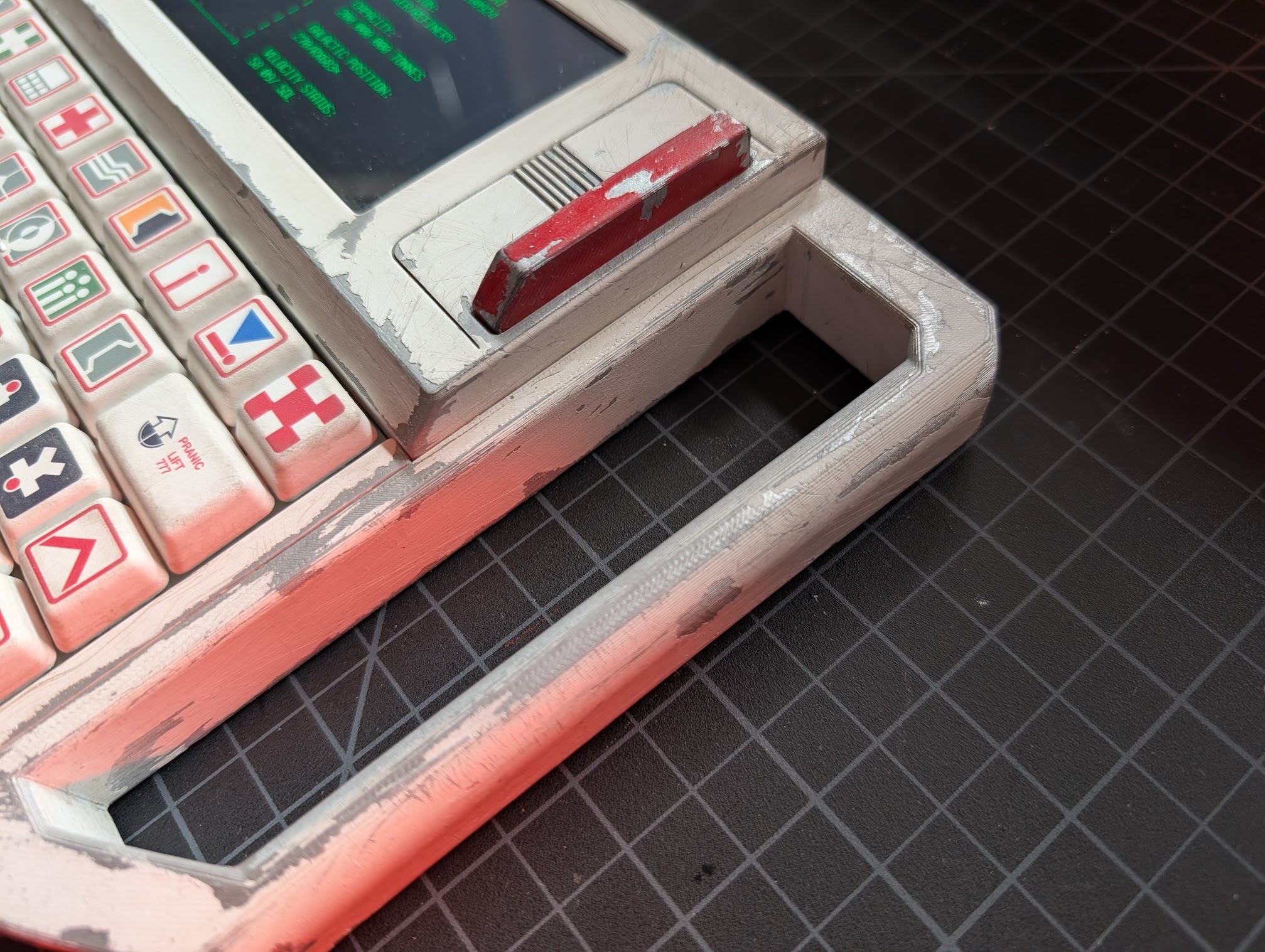
The screen and Raspberry Pi Zero 2 W are powered from a single Adafruit PowerBoost 1000C, which boosts the output of a 3.7V 6000mAh LiPo cell to 5V at 1A. Merrick's assembly instructions detail the wiring and logic of the electronics. The battery is installed on the back panel of the slate, next to the handle. A cut-out for the PowerBoost 1000C provides a means to charge the LiPo cell. The various connections for USB, HDMI, Power, and the GPIO (General Purpose Input / Output) are broken out using a myriad of custom cables and connectors.
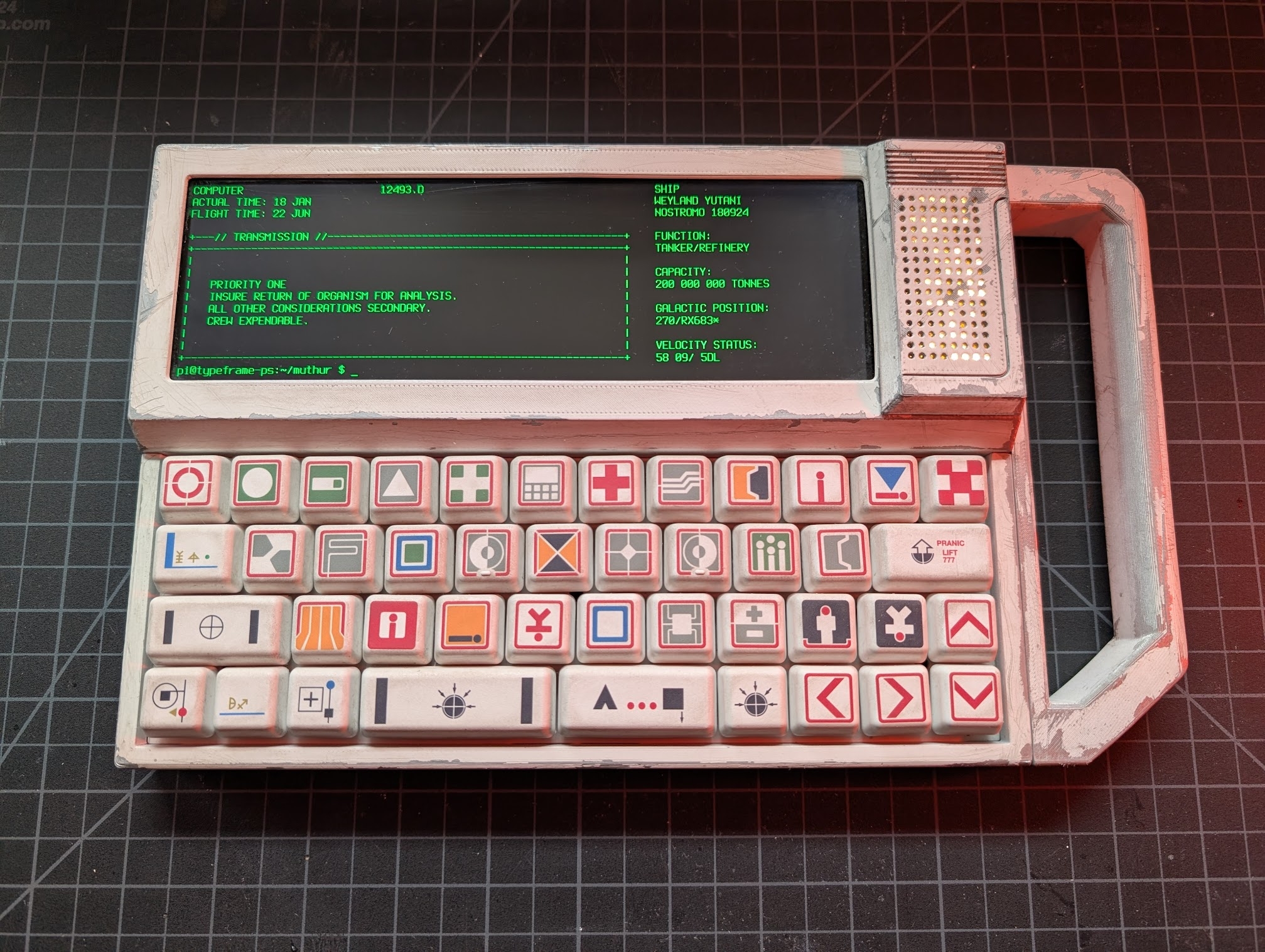
The LED matrix to the right of the screen represents MU/TH/UR, the computer system that keeps the starships running as the crew are in hypersleep. The original design of MU/TH/UR debuted in Alien, and it was the work of Ron Cobb. The Typeframe PS-85 version looks similar to the version used in the doomed USCSS Maginot from Alien Earth. This facsimile has a more Earthly source, Adafruit's CharliePlex LED Matrix Bonnet (HAT), and it looks glorious. But it can be removed for access to the full complement of Raspberry Pi GPIO pins.
The PS-85 is essentially a 3D printed slate with a handle, but its aesthetic is based on the Alien franchise, and there are two elements that instantly leap to our view. The keyboard and LED matrix. The keyboard is based around Simon Deering's original iconography. Duringthe production of Alien, director Ridley Scott wanted a complex-looking, but identifiable keyboard that would be on screen for mere seconds. Deering produced the icons that made the cut, and the rest is history. Merrick's Typeframe PS-85 keyboard is based on a 40% mechanical keyboard, specifically a Penkesu retro-style keyboard created by Penk Chen. The keys are hot swappable and look glorious; you just need to know what each key represents, as the icons provide little or no clue. But they look damn good!
Overall, this cyberdeck looks great. The weathering and general paint job are superb, and it makes me want to build my own, and I can! Merrick has provided a full breakdown of materials, assembly steps, electronic circuits, and the software used to turn this project into a nightmarish reality.

Follow Tom's Hardware on Google News, or add us as a preferred source, to get our latest news, analysis, & reviews in your feeds.





 English (US) ·