
 3 weeks ago
51
3 weeks ago
51
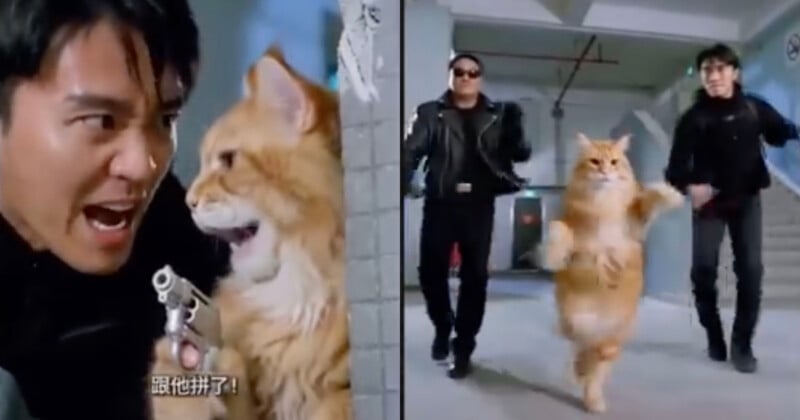 From an unspecified AI-generated microdrama.
Chinese microdramas, known as duanju, are short vertical video episodes made for smartphones that last no more than two minutes. The cheesy dramas end on extreme cliffhangers, and a full story can span 20 to 100 fast-paced episodes.
Until very recently, these popular microdramas were made by human actors, with a human crew, for a human audience. The Economist reckons the industry has created 700,000 jobs in China’s stumbling economy.
Elaborate studios that house multiple sets for quick productions allow crews to shoot dozens of episodes in a single day. The industry is centered in the cities of Guangzhou and Zhengzhou.
But after ByteDance, the tech company that gave the world TikTok, released Seedance 2.0 in February, producers have begun turning to AI video instead. And people are consuming it.
“People who watch minidramas, they can easily watch AI minidramas… Most of them don’t care [whether it’s AI or not],” Qingge Gao, a film and TV director in China, tells Today.
The AI video technology allows producers to create whatever kind of drama they want, so long as they can imagine it. The lack of human performance and artistry apparently does not bother Chinese consumers.
It’s a huge money-saver for the studios, who can keep pushing out microdramas at a fraction of the cost and in days instead of weeks. Instead of paying humans, they are buying tokens from AI companies.
One studio owner tells Today that his business is down 70% compared to last year, and Li Dazhi, a 32-year-old actor who has been starring in microdramas, says that his salary has fallen by half and many of his colleagues have switched careers.
“Advanced technology can improve people’s quality of life,” Dazhi tells The Economist. “But for our industry, right now it’s doing more harm than good.”
American actress Anina Net, who has been in China for the last few years shooting microdramas, says that it’s happened very suddenly.
“Boom, everything is AI,” Net tells Today. “Everybody is sitting at home. Everybody is thinking: how is this going to go forward?”
Could It Be a Harbinger of Doom for Hollywood?
It’s quite clear that controversy and anger don’t follow AI technology in the same way it does in the United States — AI-generated ads are not unusual to see on Chinese television.
AI-generated shorts on YouTube and TikTok have become popular, racking up millions of views. SAG-AFTRA, the actors’ union, has pushed for tighter controls on digital replicas of actors.
Whether people in the West will consume AI media the same way they do real media remains an open question. But given the huge success of The Odyssey, an ode to the art of filmmaking, it seems we’re not there yet.
Affiliate Disclosure PetaPixel articles may include affiliate links; we may earn a commission if you buy through one.







 English (US) ·