
 1 hour ago
34
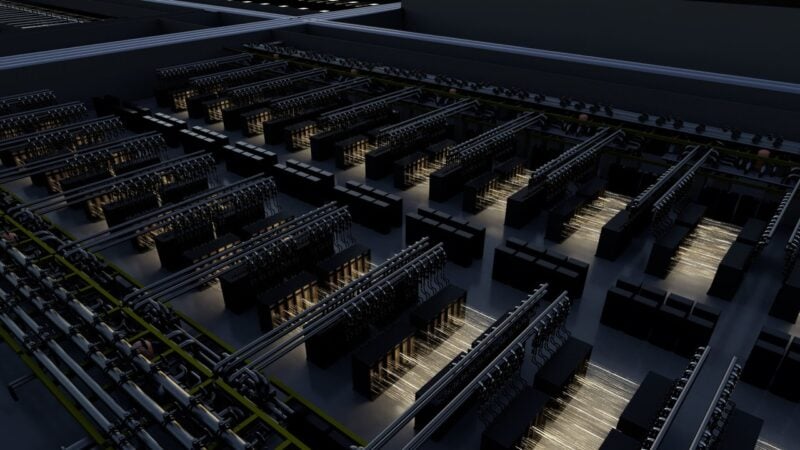
Charles Evans, former president of the Chicago Federal Reserve, has raised concerns that the ongoing boom in AI infrastructure investment could further heighten inflation risks in the U.S. economy. According to Evans, the increased demand for construction, equipment, energy, and labor driven by AI advancements may encourage the Federal Reserve to consider additional interest rate hikes. His comments come amidst a backdrop of rising inflation, with the U.S. Consumer Price Index (CPI) climbing 3.7% year-over-year in September, surpassing the Fed’s target of 2%.
Key Takeaways
- Evans’ remarks suggest that the AI infrastructure boom could contribute to sustained inflation, potentially leading to further Fed rate hikes.
- Current market pricing shows a significant probability of at least one rate hike in 2026, with the December 31 market for two hikes priced at 80% YES.
- The Fed’s existing effective federal-funds rate stands at 3.88%, indicating potential room for further rate adjustments if inflation pressures persist.
What to Watch
The Federal Reserve’s upcoming statements and economic data releases will be crucial in determining the likelihood of additional rate hikes in 2026. Market participants will closely monitor any shifts in tone from key Fed officials, particularly regarding inflation and economic growth. Continued strong performance in nonfarm payrolls and wage growth could also influence the Fed’s stance on interest rates. Additionally, any escalation in AI infrastructure investments may further impact market expectations regarding future monetary policy decisions.







 English (US) ·