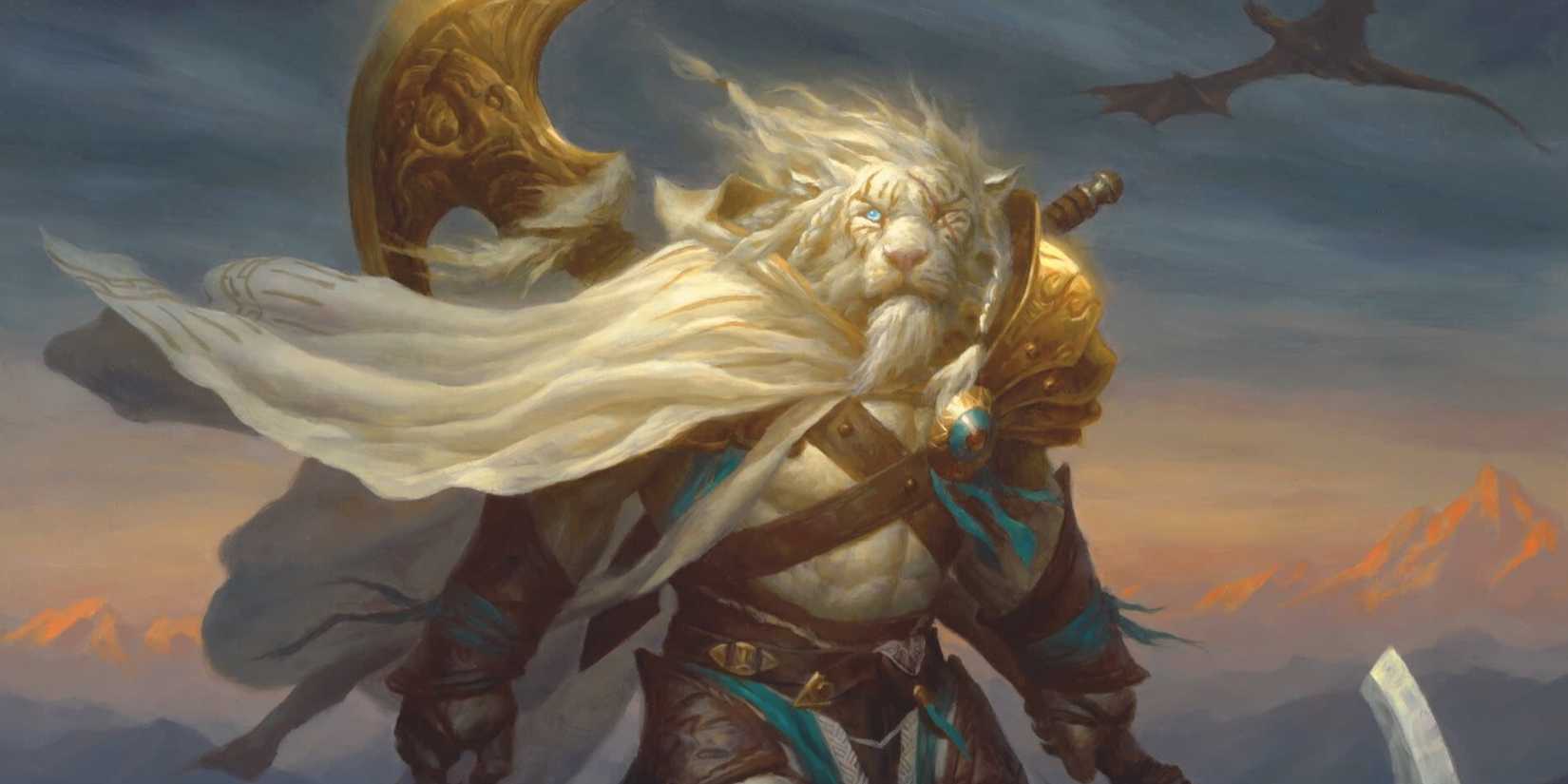
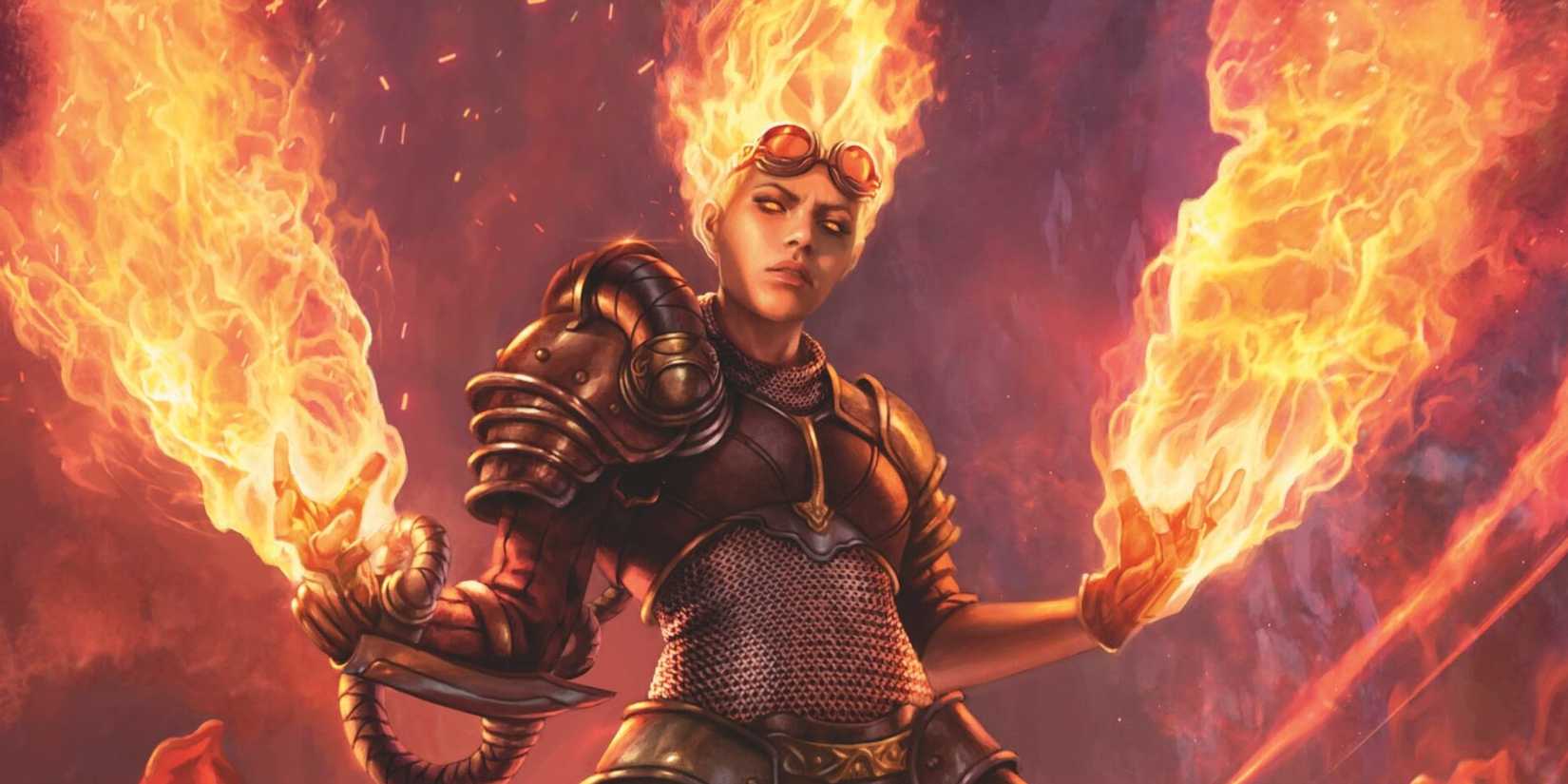
Debuting in 1993, MTG is widely recognized as the world’s first trading card game and has a huge and loyal fanbase. The Netflix animated series will focus specifically on Planeswalkers, powerful spellcasters with varying levels of power, such as spellcasting and summoning creatures.
There isn’t a lot of information available about the MTG TV show except that it is finally in production with Star Trek: Picard’s Terry Matalas serving as showrunner and executive producer, and Patrick Osborne as the supervising director and executive producer. With such a recognizable IP, Magic: The Gathering has the potential to become one of Netflix’s biggest fantasy shows and might even surpass One Piece and Wednesday’s popularity.
Magic: The Gathering Could Be Bigger Than Netflix's Current Fantasy Shows
Fantasy TV shows are a dime a dozen on Netflix, and standing out in the oversaturated genre is something that isn’t easily done. Magic: The Gathering, however, isn’t starting from scratch. The TCG already has more than 50 million players worldwide, which in turn ensures that at least some people who have played the game will tune in to watch the animated series.
Aside from the TV show hailing from a popular IP, MTG also has infinite storytelling potential. The MTG game includes several characters and multiple worlds, so it could go on for several years, particularly if the Netflix adaptation becomes a success. If Magic: The Gathering is executed properly, it could attract not only the players of the game but also non-players who would be interested in the series’ rich lore. The show is also going to be animated, which makes things easier because creating a vast world in live-action form doesn’t always work.
So many fantasy TV shows on Netflix have ended up canceled or have dwindling viewership numbers. MTG is in a special position because it could learn from the mistakes of other series in the genre, especially when it comes to finding the balance between being faithful to its source material and including fresh stories.
Netflix's Fantasy Output Gives Us Hope Magic: The Gathering Will Be Good
Netflix’s recent track record with the fantasy genre gives us real reason to believe that Magic: The Gathering is in good hands. Shows like The Witcher, Shadow and Bone, One Piece, Wednesday, and Arcane have proved that the streamer is capable of handling sprawling narratives. Netflix has canceled several shows, but the streamer has also evolved, which is good news for MTG.
 Related
Netflix’s upcoming fantasy show has all the markings to not only be one of the streamer's biggest shows but also to surpass The Witcher.
Sure, The Witcher isn’t perfect, but it is still a solid fantasy series. Arcane, which is arguably the best fantasy show on Netflix, has demonstrated that the genre sometimes works better in animation.
MTG is known for its dense mythology and expansive multiverse, and bringing something that massive to the small screen will be a huge task. Thankfully, Magic: The Gathering will be arriving at a time when Netflix has refined its fantasy storytelling methods.
Video Game(s)
Magic: The Gathering, Magic the Gathering Commander, Magic: The Gathering - Battlegrounds, Magic the Gathering: Duels of the Planeswalkers 2012, Magic: The Gathering - Duels of the Planeswalkers, Magic: The Gathering – Duels of the Planeswalkers 2012, Magic: The Gathering – Duels of the Planeswalkers 2013, Magic: The Gathering – Duels of the Planeswalkers 2014, Magic: The Gathering Arena
Created by
Richard Garfield
Main Genre
Fantasy
Release Date
August 5, 1993
Character(s)
Jace Beleren, Chandra Nalaar, Liliana Vess, Garruk Wildspeaker, Nissa Revane, Ajani Goldmane, Nicol Bolas, Teferi, Gideon Jura, Sorin Markov, Ral Zarek
Magic: The Gathering is a strategic collectible card game where players use customized decks featuring creatures, spells, and abilities to reduce opponents’ life totals to zero. It combines fantasy themes with tactical gameplay, resource management, and deck-building. Published by Wizards of the Coast, it remains an influential trading card game over three decades after its initial release in 1993








 English (US) ·