


Published Jul 8, 2026, 11:40 PM EDT
Nicolas Ayala is a Senior Writer for the Comics team at ScreenRant, with over five years of experience writing about Superhero media, action movies, and TV shows.
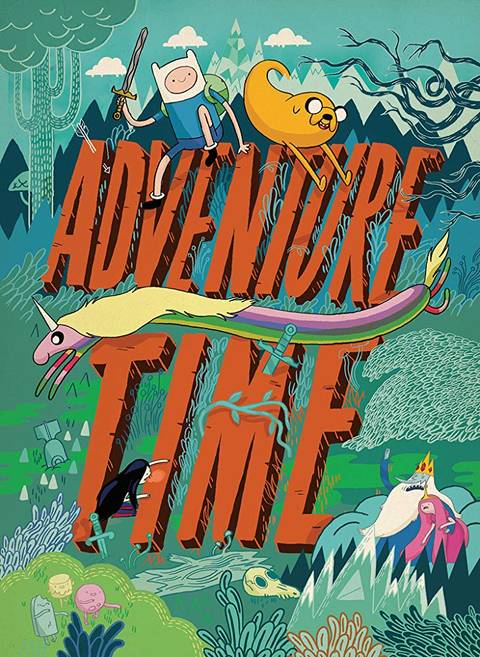
Finn and Jake return in a new Adventure Time release that completely changes the original series' art style. Adventure Time's animation style doesn't immediately stand out over the animated hits of time, but it embraces visual spontaneity and expressive character acting more than most. Pendleton Ward's deceptively simple designs provide animators with enormous freedom to squash and stretch anatomy, and push facial expressions far beyond realistic limits to exploit the comedy's potential to the fullest. Jake's shapeshifting powers are primed for slapstick comedy, while Princess Bubblegum's scientific inventions and Marceline's vampiric abilities constantly introduce surreal imagery.
Animation has evolved drastically throughout the decades, and Adventure Time's art style is already being left further behind. Eras like the 1960s simplified and charmingly repetitive Hanna-Barbera style are uniquely memorable. By the late 1990s and early 2000s, digital production ushered in an era known for bold outlines and angular silhouettes, exemplified by series like Dexter's Laboratory, The Powerpuff Girls, Samurai Jack, and Teen Titans. More recently, a new wave of productions associated has embraced rounded proportions, minimalist facial features, and the controversially minimalistic "bean mouths," all seen in shows such as Steven Universe, Gravity Falls, and The Amazing World of Gumball.
Mainstream animation is bound to evolve drastically again, but that doesn't mean the most popular art styles of the past should stay buried in the past.
Adventure Time Goes Full Fleischer Art Style
Adventure Time: Quadruple Feature #1; Written By Mariko Tamaki; Art By Brenda Hickey & Leonardo Ito

Eight years after the Adventure Time finale, Oni-Press brings the franchise back in Adventure Time: Quadruple Feature, which honors both the beloved animated series and film history. In issue #1, Jake attends a theater to watch a film where an Old Hollywood version of himself makes it big as a movie star, with Finn as his manager. Hollywood star Jake meets all the tropes of old-school animation, including anthropomorphic trains and cars, classic diners, and exaggerated onomatopoeia.
The animation of the 1920s and 1930s established many of the visual conventions that still define the medium today, yet it's instantly recognizable for qualities that largely disappeared from mainstream productions. Studios like Fleischer and Disney embraced highly elastic "rubber hose" animation that gave characters like Betty Boop, Bimbo, Koko the Clown, and Mickey Mouse limbs that stretched and twisted with almost no concern for anatomy. Beyond just the signature black-and-white palette, objects came alive without explanation and characters pulled impossible props from nowhere.
Old-School Fleischer-Style Animation Is Bound For A Comeback
One Century Later, A Major Original Fleischer-Style Animated Show Is Yet To Arrive
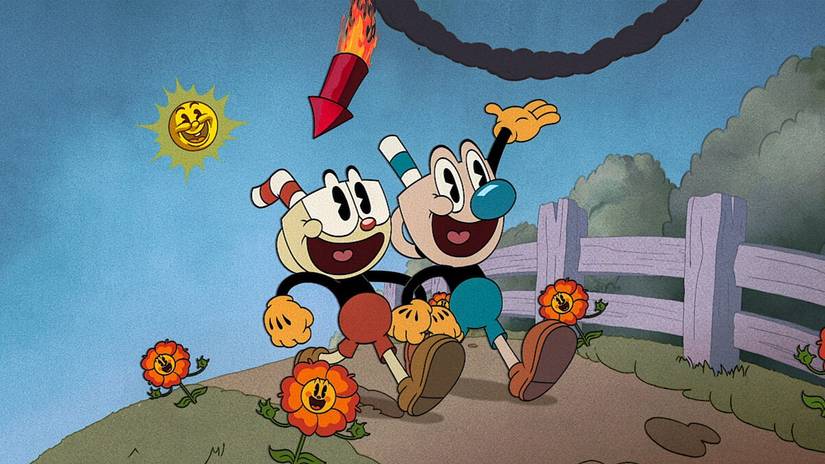
The industry's current landscape has left the exaggerated surrealism of rubber hose animation largely unexplored outside occasional tributes. However, Cuphead's remarkable success proved that the Fleischer aesthetic is still appealing when executed with conviction. Studio MDHR painstakingly recreated the visuals of 1930s cartoons through hand-drawn animation that created an immersive interactive experience. The Cuphead Show! successfully translated the games' style into animation, preserving much of the expressive movement and comedic timing that made the games so distinctive. Even so, the series ultimately exists as an adaptation of an already successful property.
Modern production techniques eliminate many of the technical limitations that shaped 1930s animation. Artists can now preserve rubber hose movement while expanding visual effects far beyond what Fleischer Studios could ever wish to achieve back in the day. Nowadays, tools and methods like rotoscopy are still difficult to pull off properly and efficiently, but they could still connect bear the same spectacle that they did a century ago.
Would you watch a full Fleischer-style, black-and-white animated show?
Adventure Time: Quadruple Feature #1 is now available from Oni-Press
Release Date 2010 - 2018-00-00
Network Cartoon Network
Showrunner Pendleton Ward
Directors Pendleton Ward
Writers Pendleton Ward




 English (US) ·