

- AI tool predicts NHS staff resignations using workforce patterns and data
- Royal Berkshire NHS wins award for innovative employee retention technology
- New model explains reasons behind possible staff departures before decisions happen
An AI forecasting tool built for the Royal Berkshire NHS Foundation Trust in the UK has won recognition for predicting staff resignations before they actually happen.
The project, developed in collaboration with the University of Reading, draws on workforce data to flag what's pushing employees toward the decision to leave.
It picked up the Aiconics AI Enterprise Business of the Year award at the National AI Awards 2026, after judges weighed in on its real-world application.
AI model digs into workforce patterns behind possible departures
The system was built to give managers an earlier warning of retention problems across a workforce of around 7,500 NHS employees.
Unlike the Trust's old reactive process, this model actually explains the reasoning behind each prediction, rather than just spitting out a result.
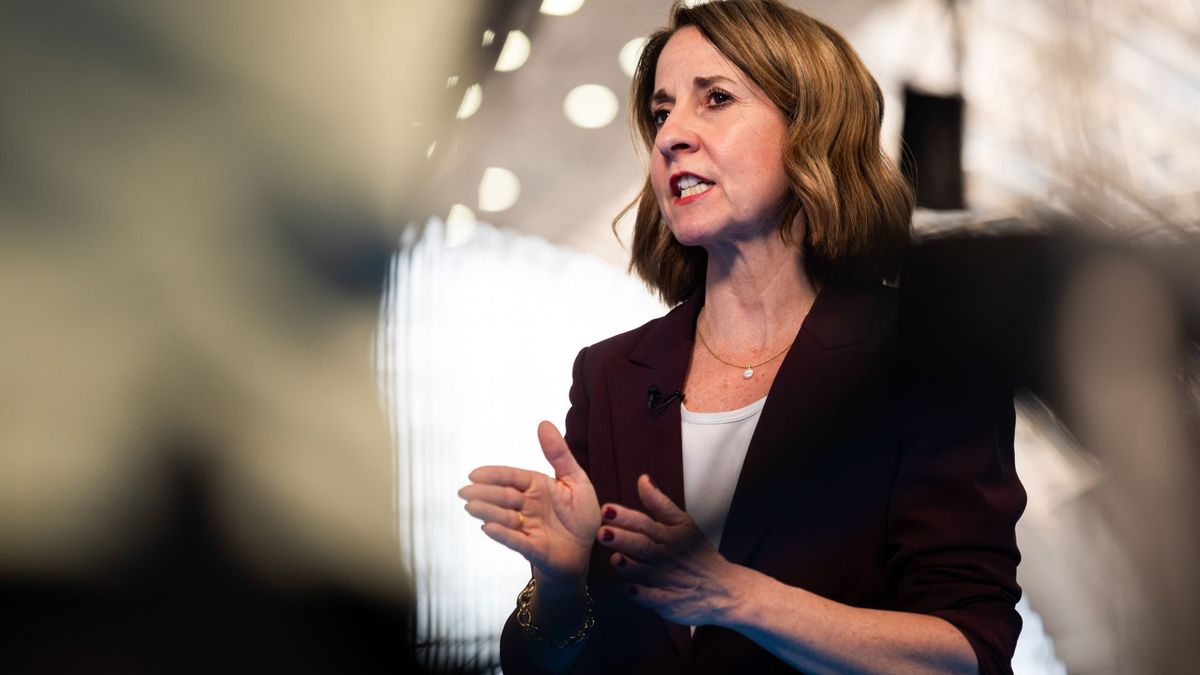
"This award reflects what's possible when academic expertise in AI and forecasting is applied directly to a real problem facing the NHS," said Shixuan Wang, a professor at the University of Reading.
The model pinpoints specific factors tied to resignation risk, so HR teams can actually understand why a prediction was made instead of treating it as a mystery.
The initiative ties directly into NHS workforce goals, tackling turnover, cutting down disruption, and looking for ways to keep more staff in post.
It brings academic research together with operational healthcare data, which wasn't simple, and questions remain about how well these scales or holds up over time.
Royal Berkshire NHS Foundation Trust delivers acute and specialist care across Berkshire, serving roughly a million people through its hospitals and services.
Before this, the Trust leaned on reactive reporting, meaning managers often only found out about a retention problem once someone had already decided to walk.
The researchers used data analysis to build an AI tool that supports workforce planning while still leaving the final call to human decision-makers.
Throughout development, the team kept a close eye on combining operational know-how with academic rigor, without losing sight of responsible AI use in a healthcare setting.
Recognition comes as organizations explore predictive AI systems
"Entries for the 2026 National AI Awards were hugely impressive, with companies spanning a huge range of industries and innovations," said Fergus Bruce, CEO of The National AI Awards.
The organisation said this year's entries showed measurable value, responsible innovation, and genuinely practical results across different sectors.
As LLMs increasingly find their way into workforce management, interest in predictive tools for organisational decisions keeps growing.
People from different backgrounds shaped this project, spanning data analytics, strategic HR research, and healthcare workforce operations throughout.
The forecasting tool is meant to give managers more to work with, not replace them, since employment decisions still rest with human judgement.
Whether tools like this catch on more broadly will come down to accuracy, trust, privacy concerns, and whether they genuinely deliver useful outcomes.

Follow TechRadar on Google News and add us as a preferred source to get our expert news, reviews, and opinion in your feeds.





 English (US) ·