
Serving tech enthusiasts for over 25 years.
TechSpot means tech analysis and advice you can trust.
Sounding off: As AI moves into more parts of daily life, the possibility of using it in New Orleans' 911 system struck a nerve. Residents were relieved to learn that reports of AI replacing emergency call-takers were inaccurate, but the reaction underscored a larger reality.The technology is reshaping essential services, often faster than the public is ready to accept.
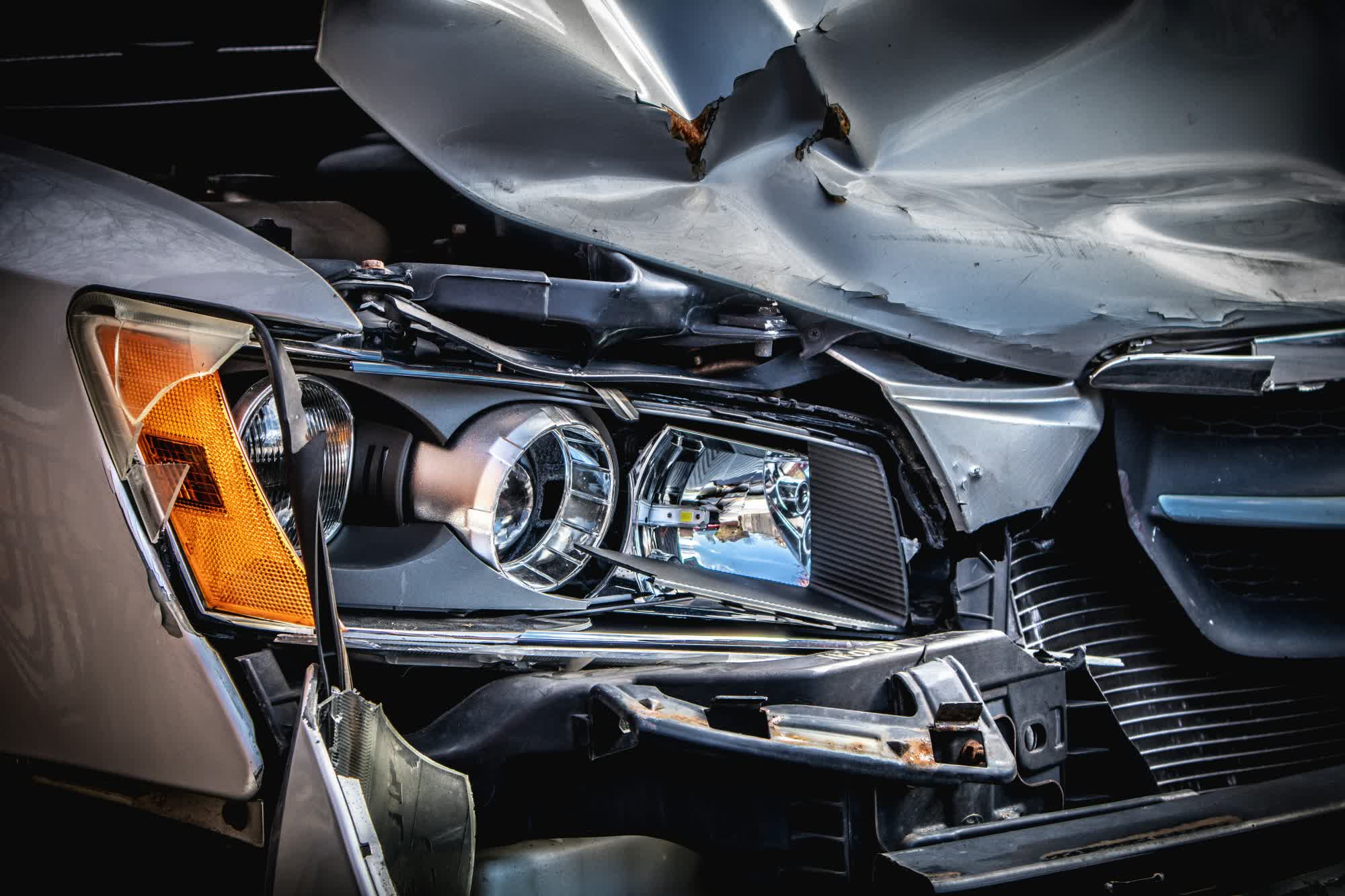
New Orleans is using artificial intelligence in a limited part of its 911 operation: screening some duplicate calls about vehicle crashes when human call-takers are unavailable.
The Orleans Parish Communication District issued the clarification after a Shreveport Times story reported that the city would use AI to answer 911 calls instead of human operators. OPCD said the technology is not replacing human call-takers and is used only in a narrow set of circumstances.
The Shreveport Times article, published Thursday under the headline "New Orleans will use AI to answer 911 calls instead of a human," focused on Carbyne's AI Emergency Call Triage tool. The system is designed to identify when multiple callers are reporting the same incident.
Under that process, callers reporting a crash that is already known to dispatchers may receive information or updates about the incident. Callers reporting a separate emergency would be routed to a human dispatcher. The story also noted that the tool would not replace dispatchers.
Still, the headline drew a wider reaction online, with commenters questioning whether AI should play any role in emergency communications.
"I wonder what happens if someone has to be discreet and order a 'pizza' and instead AI answers," one commenter wrote.
Some commenters also pointed to McDonald's abandoned test of AI drive-thru ordering. Widely shared examples of incorrect orders became a symbol of the technology's shortcomings, and McDonald's ended the test at more than 100 restaurants in 2024 after working with IBM on the automated ordering system.
The comparison isn't exact. Ordering food at a drive-thru is very different from calling 911, and OPCD says its system is limited to duplicate reports of a known crash. But the reaction reflects a broader concern about using AI in situations where mistakes could have serious consequences. Questions about reliability, accountability, and access to a human operator are particularly sensitive in emergency response.
OPCD Executive Director Karl Fasold said the agency has used the AI tool for about two years. It can be activated only when all human call-takers are busy and a caller is within about 200 meters of a crash that has already been reported.
The system then determines whether the caller is reporting the same crash. If so, it can provide information or updates. If the caller is reporting something else, the call is routed to a human dispatcher.
OPCD said the technology is not used for other types of 911 calls. The agency also said it has safeguards in place to ensure callers can reach a person when needed.
Fasold said the Shreveport Times article left readers with the impression that New Orleans was moving toward an AI-run 911 system. He said that is not how the city is using the technology.
OPCD also said the reporter did not contact the agency before publishing the article and did not identify sources for some of its claims.
"Every 911 center in the country is dealing with the reality of tighter budgets and inability to reach full staffing even with funding to do so. We have found this AI triage tool, used specifically for the scenario outlined above involving motor vehicle accidents, to be an extremely positive use of the technology to make the best use of our staff's very limited time," Fasold said in a statement.






 English (US) ·