
Some stories get better when they don’t have room to wander. A tight sci-fi miniseries can trap you inside one idea and squeeze it until it becomes personal. No filler episodes. No “we’ll explore that next season.” You get a clean start, a steady escalation, and a finish that leaves you either wired, gutted, or staring at the wall because your brain is still running the what-ifs.
These limited series beat most longer shows because they stay disciplined. They don’t over-explain. They don’t stall. They use sci-fi the way it’s supposed to be used: as a pressure test for people. Some of these are bleak, some are warm, some are straight-up mind-bending. All of them feel complete. Lock in.
1 'Watchmen' (2019)
 Image via HBO
Watchmen is better than most longer shows. This series is bold, angry, strange, political, emotional, funny, and structurally daring, but the real miracle is that it never feels bloated. It does not sprawl because it has discipline. Every episode deepens the world, sharpens the themes, or detonates some new emotional truth. Nothing feels like placeholder material. Nothing feels like a season ordered because the algorithm demanded more content.
And the best part is how fearless the series is once it gets going. It trusts the audience to keep up. It trusts emotion and weirdness to coexist. It trusts history to be part of the genre engine, not something politely kept outside it. That confidence is why it feels richer, sharper, and more complete than a lot of sci-fi series that run three or four times as long. Not to mention Angela Abar (Regina King) is extraordinary, and gives the series its center of gravity, and the show keeps rewarding that performance by building around Angela as a real person, not just a delivery system for lore.
2 'Station Eleven' (2021–2022)
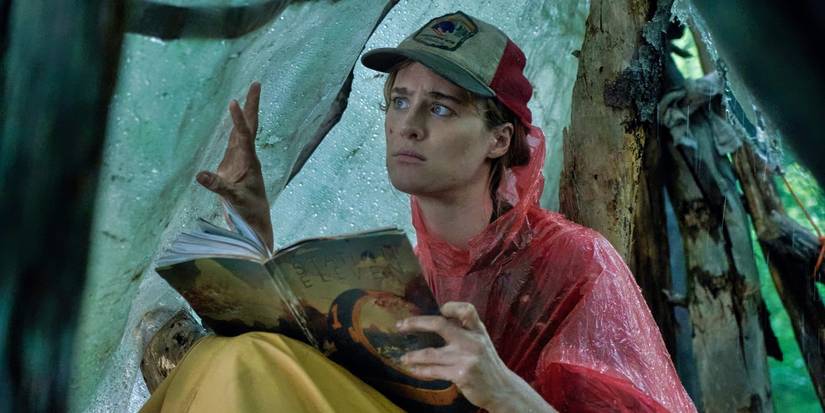 Image via HBO Max
Station Eleven takes this spot because it is one of the few miniseries that feels fully thought through on emotional, structural, and thematic levels without ever becoming self-important. Kirsten Raymonde (Mackenzie Davis) is a great central figure because the series never asks you to admire her trauma from a distance. It shows the childhood rupture that shapes her, beginning with the night Arthur Leander (Gael García Bernal) collapses onstage and the pandemic starts swallowing the world.
Her bond with Jeevan Chaudhary (Himesh Patel) is the first miracle and is built out of responsibility, fear, improvisation, and daily care. Jeevan, panicked, unprepared, stubborn, and deeply decent, makes that relationship feel so human. The final episodes, in particular, are extraordinary. They do not chase false catharsis. Reunions matter, but they are messy. Healing matters, but it is partial. Station Eleven is amazing. It understands that people carry damage forward and still create meaning with each other. That is why it feels like the finest of the lot.
3 'Devs' (2020)
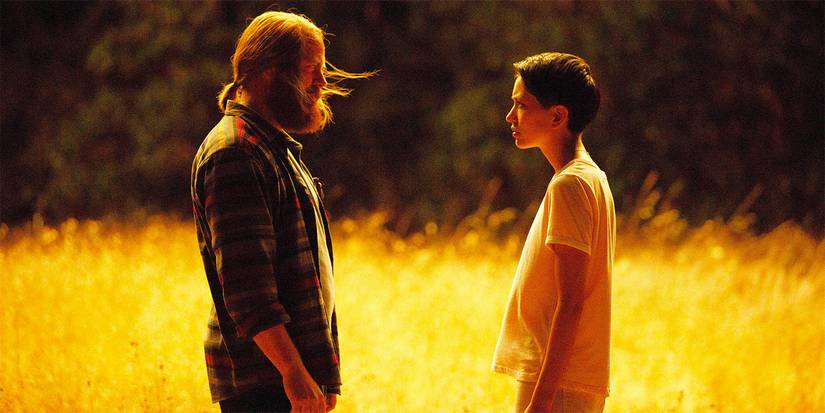 Image via FX
Devs is the kind of show that makes your head feel hot, in a good way, because it refuses to let you relax into one explanation. Lily Chan (Sonoya Mizuno) starts as a regular engineer with a normal relationship until Sergei Pavlov (Karl Glusman) dies and leaves behind a trail that points straight into a secret project. Forest (Nick Offerman) runs Devs like a man building a temple, and the show makes you feel the eerie calm of a place where people believe they’re touching truth itself.
Every episode tightens around the same terrifying question: do you have free will, or are you just watching your choices happen? The tech in Devs is treated like a machine that changes how everyone behaves the moment they believe it’s accurate. The emotional payoff is Lily deciding what she’s willing to break to get answers, because her grief turns into stubborn momentum you can’t ignore.
4 'Maniac' (2018)
 Image via Netflix
Maniac follows Annie Landsberg (Emma Stone) and Owen Milgrim (Jonah Hill) as they enter a pharmaceutical trial looking for relief, and the show turns that trial into a series of genre-hopping simulations that keep exposing what they’re running from. You laugh because the scenarios are absurd and charming. But then the laughter catches in your throat because the show keeps circling back to loneliness, shame, and the desire to be understood.
The reason it hits harder than many longer shows is that every weird episode still moves the same emotional engine forward. Annie and Owen keep becoming different versions of themselves, and you start seeing the pattern: they keep finding each other in every world because they’re both desperate for connection that doesn’t demand performance. When the show lands its final emotional beats, you feel relief that isn’t cheap. It’s earned through honesty.
5 'The Expanse' (2015–2022)
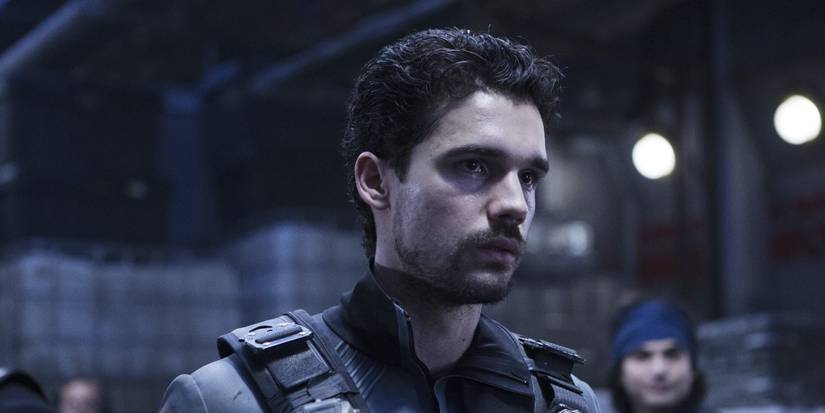 Image via Amazon
The Expanse is longer than a miniseries, but it belongs here because it behaves like prestige sci-fi that never wastes your time. James Holden (Steven Strait) pulls one thread in a missing-person case and ends up dragging entire planetary politics into the light. Naomi Nagata (Dominique Tipper) gives the story its moral center and its ache, because the Belter struggle is personal in her voice. Chrisjen Avasarala (Shohreh Aghdashloo) makes politics feel like warfare with language as ammunition.
What makes it better than most long shows is consistency: each season builds on the last with consequences you can track, and the science feels grounded enough that danger has weight. Space isn’t a backdrop. It’s a hostile environment that punishes mistakes. You binge it because every revelation expands the map while keeping you emotionally attached to the crew.
6 'Years and Years' (2019)
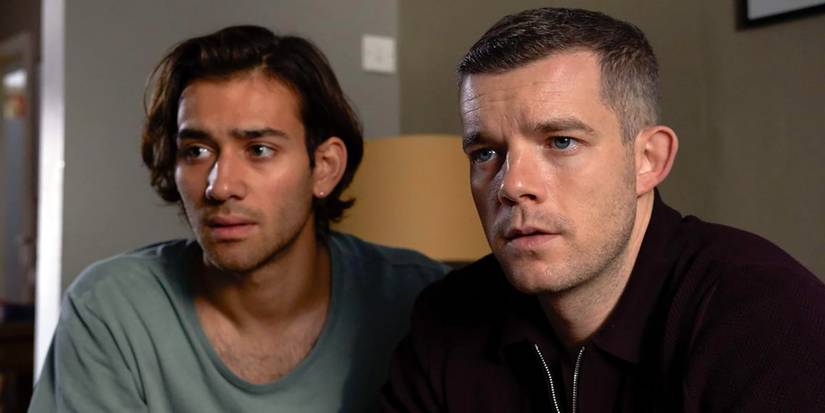 Image via HBO
Years and Years is sci-fi by way of this could happen next, and that’s why it hits like a punch to the ribs. It follows the Lyons family through a future that arrives through headlines, policies, tech shifts, and social fear becoming normal. Vivienne Rook (Emma Thompson) turns political ugliness into entertainment, and watching her rise feels nauseating because the show makes it believable.
Each episode jumps forward and shows you what changed, who adapted, who broke, and how quickly unthinkable became routine. The emotional hook that keeps you attached with the show comes from how personal the consequences get: identity, safety, employment, relationships, the ability to trust reality. It’s the kind of miniseries you finish and immediately start thinking about your own family group chat.
7 'Tales From the Loop' (2020)
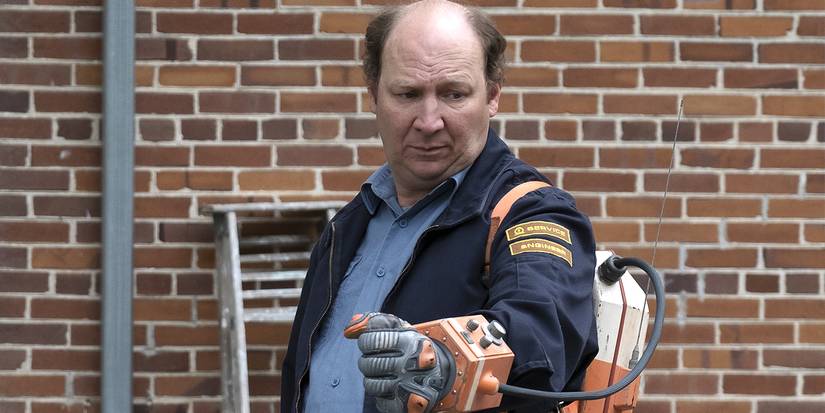 Image via Prime Video
Tales From the Loop is quiet sci-fi that treats wonder like a bruise. Every episode of this show feels like a small story with a clean emotional core: a relationship tested, a choice that can’t be undone, a longing that doesn’t resolve neatly. The sci-fi concepts stay gentle and haunting, and the show’s rhythm becomes addictive because it keeps offering a new human dilemma wrapped in a single strange rule. It’s warm, sad, and strangely calming in a way that lingers.
The town sits over a research facility where strange things happen — time slips, body swaps, machines that change people and the show focuses on how those events affect ordinary lives. Loretta (Rebecca Hall) carries the weight of caretaking and regret, and the series makes you feel how easily people lose each other emotionally even when they’re in the same room. Tales From the Loop is a haunting meditation on love, loss, and the quiet strangeness of being human, where the impossible feels as ordinary as breathing.
8 '11.22.63' (2016)
 Image via Hulu
11.22.63 makes time travel feel like an emotional burden. It follows Jake Epping (James Franco) stepping through a portal and gets handed an impossible mission: stop JFK’s assassination. The show makes you feel the seduction of the past, the music, the cars, the slower pace, then keeps reminding you that the past pushes back hard when you try to change it. Sadie Dunhill (Sarah Gadon) becomes the beating heart of the story, because their love grows in a world Jake knows he might have to erase.
The tension builds as Jake gets closer to Oswald and closer to the date, and you feel the paranoia of watching a man try to hold a plan together while time itself keeps interfering. The emotional devastation comes from what Jake has to sacrifice to complete the mission. It’s a miniseries that leaves you thinking about love as the biggest consequence of time travel.
9 'Dune' (2000)
 Image via Syfy
Some sci-fi shows spend years pretending to be deep while endlessly stalling in their own mythology. Dune does not have that problem. And emotionally, that matters. Frank Herbert's miniseries format helps Dune feel like destiny closing in rather than a franchise stretching out. The film follows Paul Atreides (Alec Newman) and his arc is not diluted at all here. The political betrayals hit harder. The Fremen material feels more mythic. The Bene Gesserit manipulations feel more ominous.
The whole thing has that rare sci-fi quality where the ideas are enormous, but they never drift away from human consequence. You feel the cost of power. You feel the seduction of messianic identity. You feel history tightening around people who think they are making choices freely. That is why it works so well. It gives you the feeling of civilization-scale forces crashing into individual lives without wasting your time.

Dune
Release Date 2000 - 2000-00-00
Showrunner John Harrison
Directors John Harrison
Writers John Harrison





 English (US) ·