
 Image via Netflix

Published May 23, 2026, 9:03 PM EDT
Tania Hussain is an Executive Editor at Collider responsible for creative, editorial, and managerial duties. In addition to leading content ideation and development, she works to generate innovative and compelling ideas for feature articles and reviews with her editorial team across Features, Resources, Lists, and News. She has helped cover and ideate content for major events for Collider, including the Toronto International Film Festival. Tania has also conducted more than 100 interviews since her start in the business almost 16 years ago. Some favorites include Joel McHale, Charlie Cox, John Krasinski, Jennifer Garner, Tina Fey, Bob Odenkirk, Sophia Bush, Andy Richter, Jordan Schlansky, Jamie Dornan, Yeardley Smith, Arielle Vandenberg, and a reasonable toss-up between Cookie Monster and Kermit the Frog.
Sign in to your Collider account
There is little question that we're living in the age of miniseries. This genre of television consists of shows that don't want to commit to multiple seasons, and, instead, opt to tell their story in one short season, usually running no more than 12 episodes. The miniseries gained widespread notoriety in 1977, when the TV adaptation of Alex Haley’s best-selling novel Roots became a ratings juggernaut for ABC and took home nine Primetime Emmy Awards.
While there have been numerous miniseries that have garnered both critical and audience praise over the years, the genre really hit its peak with the rise in streaming, which allowed services such as Netflix to create one-off programming that could easily be consumed in a weekend, and there is little to suggest that this will be changing anytime soon. So, to honor the miniseries that reshaped the TV landscape, here are the most bingeable series that you can watch over-and-over again, and never feel like you have to poke your eyeballs out.
9 'Little Fires Everywhere' (2020)
 Image via Hulu
Let's rewind the clock back to March 2020. As bad as that year was health-wise, 2020 was a great year for miniseries, as people were ordered to stay at home and protect themselves and their loved ones from the "Virus That Shall Not Be Named." Everyone was searching for the best series to binge while passing the "two weeks" it would take to "flatten the curve" (no need to explain how that worked out), and during this time, people tuned in to an eight-episode Hulu drama called Little Fires Everywhere, based off of the 2017 novel by Celeste Ng that told the story of two Cleveland-area mothers (Reese Witherspoon and Kerry Washington) from different backgrounds and how their fates intertwined with one-another.
There was something both sad and uplifting about Little Fires Everywhere, and Liz Tigelaar and her team did a great job in weaving a story about loss, secrets, identity, and hope, all the while exposing the myth that following the rules of society can avert disaster. If you haven’t watched it, I highly recommend you do. It's a tear-jerker, and a surprisingly bingeable series that will have you ugly-crying for a week.
8 'Black Bird' (2022)
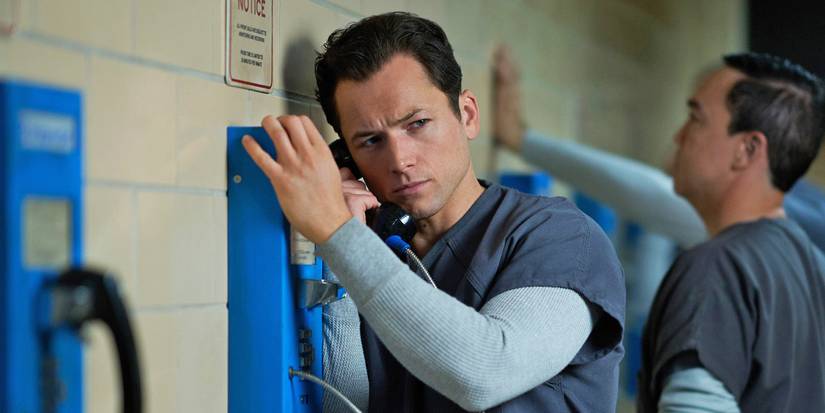 Image via Apple TV
True crime shows were made for the miniseries format. The story structure is tight, it's engaging, and can easily be told in a nice, six-to-12 episode-long season with binge-watching opportunities oozing through the screen. This perfectly describes Apple TV's Black Bird, which premiered in 2022, and is (rightfully) considered among the best modern true crime miniseries of our era.
Based on the 2010 autobiography In with the Devil: a Fallen Hero, a Serial Killer, and a Dangerous Bargain for Redemption by James Keene and Hilel Levin, Black Bird follows Keene, a once-promising football player who gets recruited by the FBI while serving time in prison. Although this is a fictionalized version of the story, the series doesn't deviate much from the book, and why should it? The true story of Jimmy Keene is fascinating, and Dennis Lehane did a great job in staying true to the book. Let's also give a standing ovation to Taron Egerton, who portrayed the talkative Keene masterfully.
7 'Watchmen' (2019)
 Image via HBO
When HBO announced that they were making a TV series on the DC Comic Watchmen, the first thing that came to my attention-deficit mind was "why?" Did they not see the box office disaster that was Zack Snyder's 2009 version (even though I personally like it)? Why would HBO feel they would have better success than Warner Bros. did? Thankfully, when I watched the first episode in October 2019, I happily ate my words. Creator Damon Lindelof did an incredible job bringing Watchmen to life, and it was crystal clear that the story was better told in a TV format.
HBO's Watchmen was a remix of sorts to the comic that gave birth to it; and, in my opinion, that is what made it work so much better than Snyder's big-budget flop. Lindelof set off to create a new story that still stayed true to the Watchman universe, and we can't overlook the binge-watching quality this series has, which is off-the-charts.
6 'The Night Of' (2016)
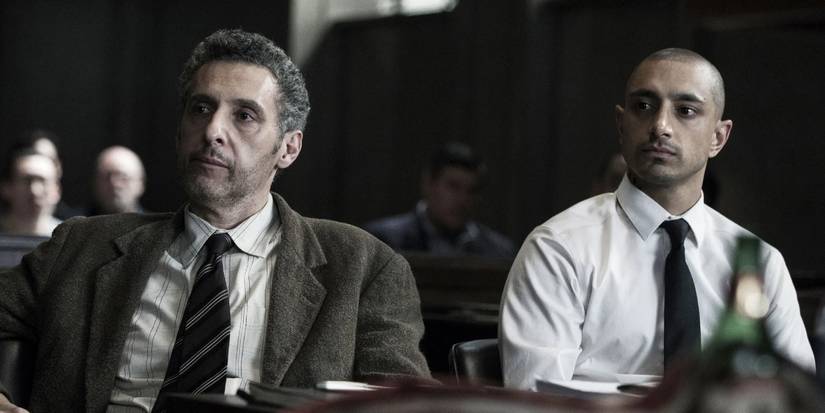 Image via HBO
As I mentioned earlier in the Black Bird entry, true crime is a genre that was made for the miniseries format, and no streaming service or network realizes this more than HBO. In 2016, they released The Night Of, an Americanized version of the famed British series Criminal Justice. Here, John Turturro stars as John Stone, a lawyer who is hired to represent Nasir Khan (Riz Ahmed), a college student who is on trial for the murder of a woman on New York City's Upper West Side.
The Night Of is filled with tension from the first episode to the series finale, and the cast is simply phenomenal, creating the tension that will grip you and won't let go. No wonder this drama took home five Primetime Emmy Awards.
Collider Exclusive · Oscar Best Picture Quiz
Which Oscar Best Picture
Is Your Perfect Movie?
Parasite · Everything Everywhere · Oppenheimer · Birdman · No Country
Five Oscar Best Picture winners. Five completely different visions of what cinema can be — and what it can do to you. One of them is the film that was made for the way your mind works. Ten questions will figure out which one.
🪜Parasite
🌀Everything Everywhere
☢️Oppenheimer
🐦Birdman
🪙No Country for Old Men
FIND YOUR FILM →
01
What kind of film experience do you actually want? The best movies don't just entertain — they leave something behind.
ASomething that pulls the rug out — that makes me think I'm watching one kind of film and then reveals I'm watching another entirely. BSomething overwhelming — funny, sad, absurd, and genuinely moving, all at once. CSomething grand and weighty — a film that makes me feel the full scale of what I'm watching. DSomething formally daring — a film that pushes what cinema can even do. ESomething lean and relentless — pure tension with no wasted frame.
NEXT QUESTION →
02
Which idea grabs you most in a film? Great films are driven by a central obsession. What's yours?
AClass, inequality, and what people are willing to do when desperation meets opportunity. BIdentity, family, and the chaos of trying to hold your life together when everything is falling apart. CGenius, moral responsibility, and the catastrophic weight of a decision you can never take back. DEgo, legacy, and the terror of becoming irrelevant while you're still alive to watch it happen. EEvil, chance, and whether moral order actually exists or if we just tell ourselves it does.
NEXT QUESTION →
03
How do you like your story told? Form is content. The way a story is shaped changes what it means.
AGenre-twisting — I want it to start in one lane and migrate into something completely different. BMaximalist and genre-blending — comedy, action, drama, sci-fi, all in one ride. CEpic and non-linear — cutting between timelines, building a mosaic of cause and consequence. DA single unbroken flow — I want to feel like I'm living it in real time, no cuts to safety. ESpare and precise — every scene doing exactly what it needs to do and nothing more.
NEXT QUESTION →
04
What makes a truly great antagonist? The opposition defines the protagonist. What kind of opposition fascinates you?
AA system — invisible, structural, and almost impossible to fight because it has no single face. BThe self — the ways we sabotage, abandon, and fail the people we love most. CHistory — the unstoppable momentum of events that no single person can stop or redirect. DThe industry — the machinery of culture that chews up talent and spits out irrelevance. EPure, implacable evil — a force so certain of itself it becomes almost philosophical.
NEXT QUESTION →
05
What do you want from a film's ending? The final note is the one that lingers. What do you want it to sound like?
AShock and inevitability — a conclusion that recontextualises everything that came before it. BEarned emotion — I want to cry, laugh, and feel genuinely hopeful, even if the world is a mess. CDevastation and grandeur — an ending that makes me sit in silence for a few minutes after. DAmbiguity — something that leaves enough open that I'm still thinking about it days later. EBleakness — an honest refusal to pretend the world is tidier than it actually is.
NEXT QUESTION →
06
Which setting pulls you in most? Where a film takes place shapes everything — mood, stakes, what's even possible.
AA gleaming modern city with a hidden underside — beauty masking rot, wealth masking desperation. BA collapsing suburban life that opens onto something infinite — the multiverse of a single ordinary person. CThe corridors of power and science at a world-historical turning point — where decisions echo for decades. DThe grimy, alive chaos of New York and Hollywood — fame as both destination and trap. EVast, indifferent landscape — desert and highway where violence arrives without warning or reason.
NEXT QUESTION →
07
What cinematic craft impresses you most? Every great film has a signature — a technical or artistic element that makes it unmistakable.
AProduction design and mise-en-scène — every frame composed to carry meaning beneath the surface. BEditing and tonal control — the ability to move between registers without losing the audience. CScore and sound design — music that becomes inseparable from the dread and awe of what you're watching. DCinematography as performance — the camera not recording events but participating in them. ESilence and restraint — what's left unsaid and unshown doing more work than any dialogue could.
NEXT QUESTION →
08
What kind of main character do you root for? The protagonist is the lens. Who you choose to follow says something about you.
ASomeone smart and resourceful who makes increasingly dangerous decisions under pressure. BSomeone overwhelmed and ordinary who turns out to be capable of something extraordinary. CA brilliant, tortured figure whose gifts and flaws are inseparable from each other. DA self-destructive artist whose ego is both their superpower and their undoing. EA quiet, principled person trying to make sense of a world that has stopped making sense.
NEXT QUESTION →
09
How do you feel about a film that takes its time? Pace is a choice. Some films sprint; others let tension accumulate slowly, deliberately.
AI love a slow build when I know the payoff is going to be seismic — patience for a devastating reveal. BGive me relentless momentum — I want to feel breathless and emotionally spent by the end. CEpic runtime doesn't scare me — if the material demands three hours, give me three hours. DI want it to feel propulsive even when nothing is technically happening — restless energy throughout. EDeliberate and unhurried — I want dread to accumulate in the spaces between the action.
NEXT QUESTION →
10
What do you want to feel walking out of the cinema? The best films leave a mark. What kind of mark do you want?
AUnsettled — like I've just seen something I can't fully explain but can't stop thinking about. BMoved and energised — like the film reminded me what actually matters and gave me something to hold onto. CHumbled — like I've been in the presence of something genuinely important and overwhelming. DExhilarated — like I've just seen cinema doing something it's never quite done before. EHaunted — like a cold, quiet dread that stays with me for days.
REVEAL MY FILM →
The Academy Has Decided Your Perfect Film Is…
Your answers have pointed to one Oscar Best Picture winner above all others. This is the film that was made for the way your mind works.
Parasite
You are drawn to films that operate on multiple levels simultaneously — that begin in one genre and quietly, brilliantly migrate into another. Bong Joon-ho's Parasite is a film about class, desire, and the architecture of inequality that manages to be darkly funny, deeply suspenseful, and genuinely shocking across a single extraordinary running time. Your instinct is for cinema that hides its true intentions until the moment it's ready to reveal them. Parasite is exactly that — a film that rewards close attention and punishes assumptions, right up to its devastating final image.
Everything Everywhere All at Once
You want it all — and this film gives you all of it. The Daniels' Everything Everywhere All at Once is one of the most maximalist films ever made: action comedy, multiverse sci-fi, family drama, existential crisis, and a genuinely earned emotional core that sneaks up on you amid the chaos. You are someone who responds to ambition, who doesn't want cinema to choose between being entertaining and being meaningful. This film refuses that choice entirely. It is overwhelming by design, and its overwhelming nature is precisely the point — because the feeling of being crushed by infinite possibility is exactly what it's about.
Oppenheimer
You are drawn to cinema on a grand scale — films that understand history not as a backdrop but as a force, and that place their characters inside that force and watch what happens. Christopher Nolan's Oppenheimer is a film about the terrifying gap between what we can do and what we should do, told with the full weight of one of the most consequential moments in human history behind it. You want your films to feel important without feeling self-important — to earn their ambition through sheer craft and the gravity of their subject. Oppenheimer does exactly that. It is enormous, complicated, and refuses easy comfort.
Birdman
You are drawn to films that foreground their own construction — that make the how of the filmmaking part of the what it's about. Alejandro González Iñárritu's Birdman, shot to appear as a single continuous take, is cinema examining itself through the cracked mirror of a fading actor's ego. You respond to formal daring, to the feeling that a film is doing something that probably shouldn't be possible. Michael Keaton's performance and Emmanuel Lubezki's restless camera create something genuinely unlike anything else — a film that is simultaneously about creativity, relevance, self-destruction, and the impossibility of ever truly knowing if your work means anything at all.
No Country for Old Men
You are drawn to cinema that trusts silence, that refuses to explain itself, and that treats dread as a form of meaning. The Coen Brothers' No Country for Old Men is a film about the arrival of a new kind of evil — implacable, arbitrary, and utterly indifferent to the moral frameworks we use to make sense of the world. It is one of the most formally controlled films ever made, and its controlled restraint is what makes it so terrifying. You want your films to haunt you, not comfort you. You are not interested in resolution if resolution would be dishonest. No Country for Old Men is honest in a way that most cinema never dares to be.
↻ RETAKE THE QUIZ
5 'When They See Us' (2019)
 Image via Netflix
This Netflix drama is tough to watch, and you wouldn't think that a series that is hard to swallow at times would make for a great bingeable series, but When They See Us is different. For starters, the topic is so unbelievable, it will take multiple views for everything to sink in. Created by Ava DuVernay, When They See Us is based on the real-life events of the Central Park 5, a group of five Black and latino males who were falsely accused and convicted of sexually assaulting a jogger in New York City's Central Park.
The five were later exonerated and awarded a settlement from the city in 2014, but the miniseries does a good job of highlighting the injustices wrought by the judicial system against people of color. As mentioned earlier, When They See Us is tough to watch, especially for people of color like myself. It can be enraging, but it is a story that needed to be told, and DuVernay was the right person to tell it and bring this sad stain of judicial injustice back to light.
4 'Adolescence' (2025)
 Image via Netflix
There is something rather chilling about watching a young child, who should be enjoying his youth, being questioned for murder. That was the feeling I got when I watched Adolescence, and it didn’t fade after watching the final episode. So, I watched it again. And again. And again.
Each time, it was just as chilling as the last. That's how unsettling this psychological drama is, and also what makes it great. With each episode being shot in just one take, you really get a sense of just how intense and dreadful the search for the truth was. The spectacular cast really goes in and turns out captivating and chilling performances that will make your spine shiver.
3 'WandaVision' (2021)
What can you say about the MCU shows that haven't already been said? They are not up to the same quality as the movies are (well, were), and most have been a bust, except for WandaVision. Released in 2021, WandaVision is one of the rare MCU shows that was actually worth watching. Elizabeth Olsen and Paul Bettany didn't cut corners here, and give A+ performances reprising their roles as Wanda Maximoff and Vision.
One of the ways WandaVision set itself apart from its counterparts was the way the showrunners and writers used sitcom tropes to tell its story. In fact, I'll go to my grave professing that the pilot episode, "Filmed Before a Live Studio Audience," is one of the best pilot episodes ever, and it set the series up for a tremendous finish. Thank God the producers didn't make this a multiple-season show, it would have totally ruined the vibes.
2 'Sharp Objects' (2018)
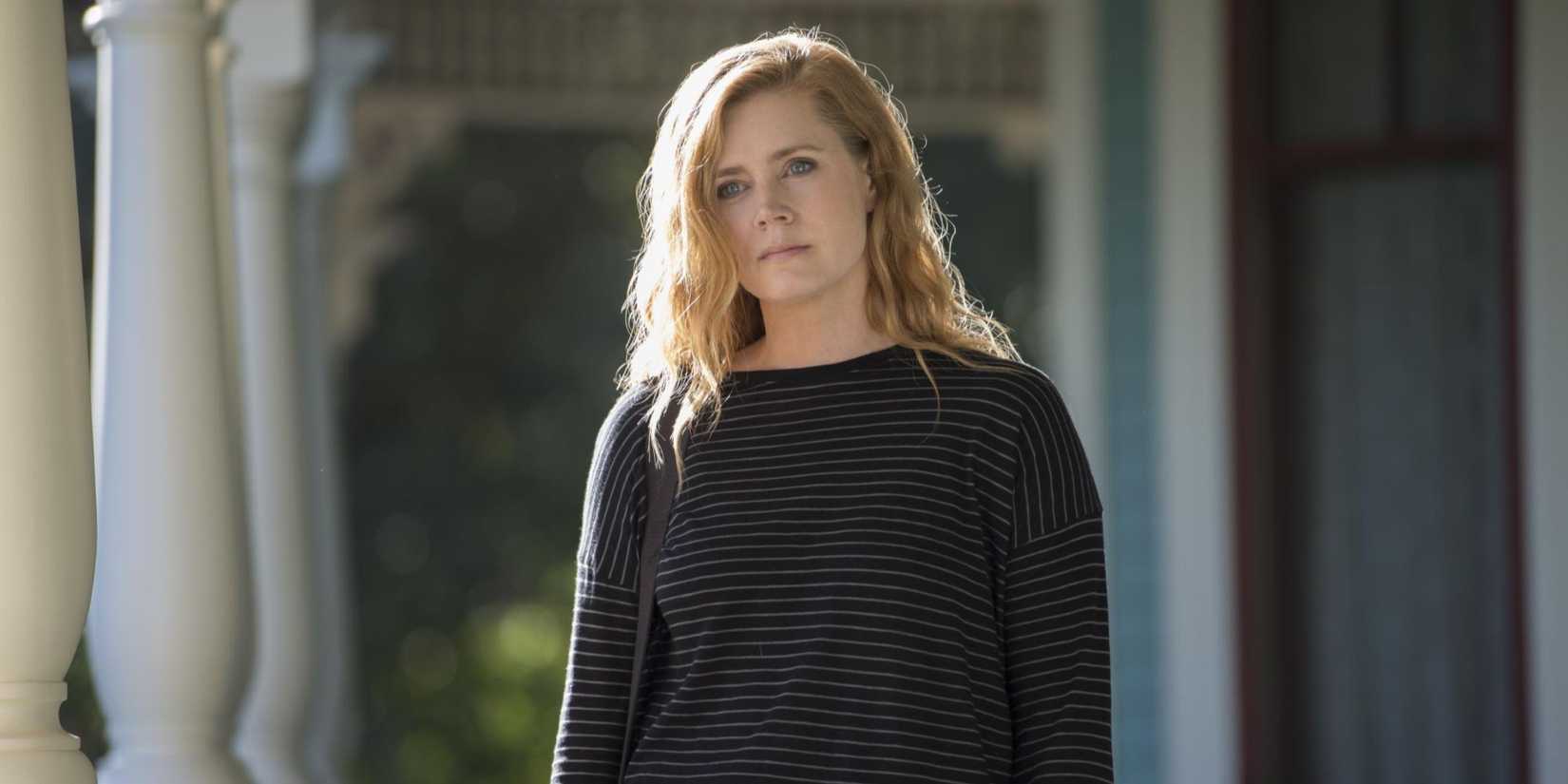 Image via HBO
OK, I'm going to do a hot take here. Sharp Objects stands on the same pedestal as Oz, Band of Brothers and The Wire as one of HBO's greatest original series, and I stand on business with that. There is just something unique and thrilling about this Marti Noxon-created psychological drama that will have you keeping your hands off of the remote.
Based on the Gillian Flynn novel of the same name, Sharp Objects follows a troubled reporter, Camille (Amy Adams), who heads back to her hometown of Wind Gap, Missouri to investigate the murder of two young girls. But this isn't an ordinary reporting assignment for Camille, as she's also forced to confront personal demons that she thought she long left behind when she left Wind Gap. Adams' performance as Camille is truly spectacular, and it seems as if this role was specifically made with her in mind. Sharp Objects is dark, grim, and foreboding, and will leave you truly transfixed by this series for its entire eight-episode length.
1 'Band of Brothers' (2001)
 Image via HBO
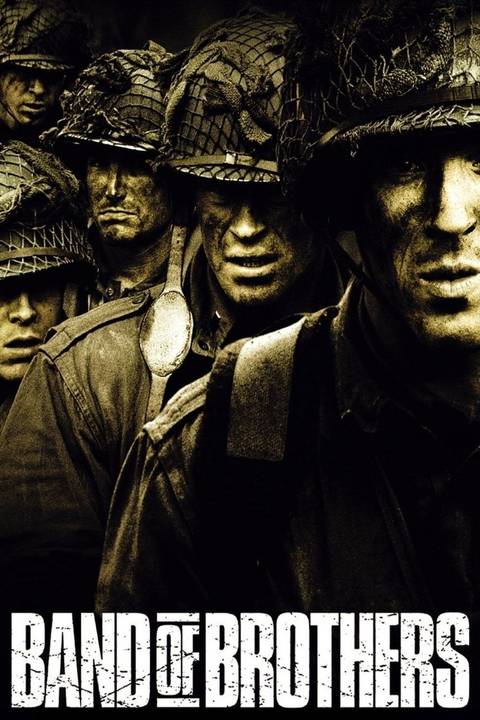
For a war drama that premiered 25 years ago, Band of Brothers still gets praised as one of the best war shows of its time, and one of the best shows ever made, and it deserves that praise and then some. Created by Tom Hanks and Steven Spielberg, Band of Brothers follows a parachute unit during World War II as they train and head into battle to help the Allies defeat the Axis powers.
What makes Band of Brothers such a great miniseries is how real it all feels. It's like we are right there on the field with East Company, experiencing everything they're going through, and the hurdles they have to overcome while fighting in the war. All the events in Band of Brothers were based on actual events that happened during World War II, and everyone, from the cast to the crew, treated the source material with the respect it deserves. I'll argue that Band of Brothers is just as, if not better, than any war movie, and if you're looking for a show to binge-watch, this, along with the other shows on this list, should be teed up for your viewing pleasure.
Band of Brothers
Release Date 2001 - 2001
Network HBO
-
-
Donnie Wahlberg
C. Carwood Lipton





 English (US) ·