
 Image via ©Warner Bros./Courtesy Everett Collection
Published Aug 16, 2026, 8:41 PM EDT
Remus is a writer, editor, journalist, and author with an eye for detail and an extremely active imagination. He is an enthusiast of everything to do with the graphic medium, whether it's Western comics and their adaptations or manga and anime. Remus is also the author of the sci-fantasy novel Once Upon a Time in Hyperspace and several works of short fiction in the mystery, comedy, and horror genres.
Sign in to your Collider account
What makes a thriller film truly exciting? As the history of filmmaking has proven time and again, some of the best thrillers ever made in cinema rely on high suspense, stakes, and a constant sense of anticipation to get the audience on the edge of their seats. Rather than sudden surprises and shocks (like most horror films do), well-made thriller films rely on raising dread, stretching the tension, and playing with the idea of what can happen next.
That kind of excitement can be either psychological, as seen in deceptive crime thrillers filled with mind games like Zodiac, or it could be a non-stop adrenaline rush, as seen in films like Run Lola Run. Irrespective of the exact methods and means, each of these films is exciting in its own way, and all of them boast smart pacing, high stakes, energy, and constant danger that will keep you in suspense. So, without further ado, here’s our ranked selection of some of the most exciting thriller movies of all time.
8 ‘Seven’ (1995)
 Image via New Line Cinema
David Fincher’s second film and first crime feature, Seven is a noir thriller that became definitive of the genre and is now widely considered a crime classic. The film follows Brad Pitt’s hot-headed Detective David Mills and Morgan Freeman’s embittered veteran cop, Lieutenant William Somerset, as they navigate conflicting personalities and perspectives to investigate serial murders committed based on the seven cardinal sins. Gwyneth Paltrow, Richard Roundtree, John C. McGinley, R. Lee Ermey, and Kevin Spacey also star in key roles.
With a story centered on a methodical, intellectual killer, Seven reinvented the serial killer trope, setting new trends for the genre that are still often seen in today’s modern crime thrillers. The desperate hunt for a dangerous criminal soon becomes a gripping psychological and philosophical puzzle that keeps the audience guessing until the very end. Underlined by its relentless tension and grungy '90s aesthetics, Seven thrills even after the credits roll, leaving the viewer with one of the most shocking final moments in Hollywood history.
7 ‘Zodiac’ (2007)
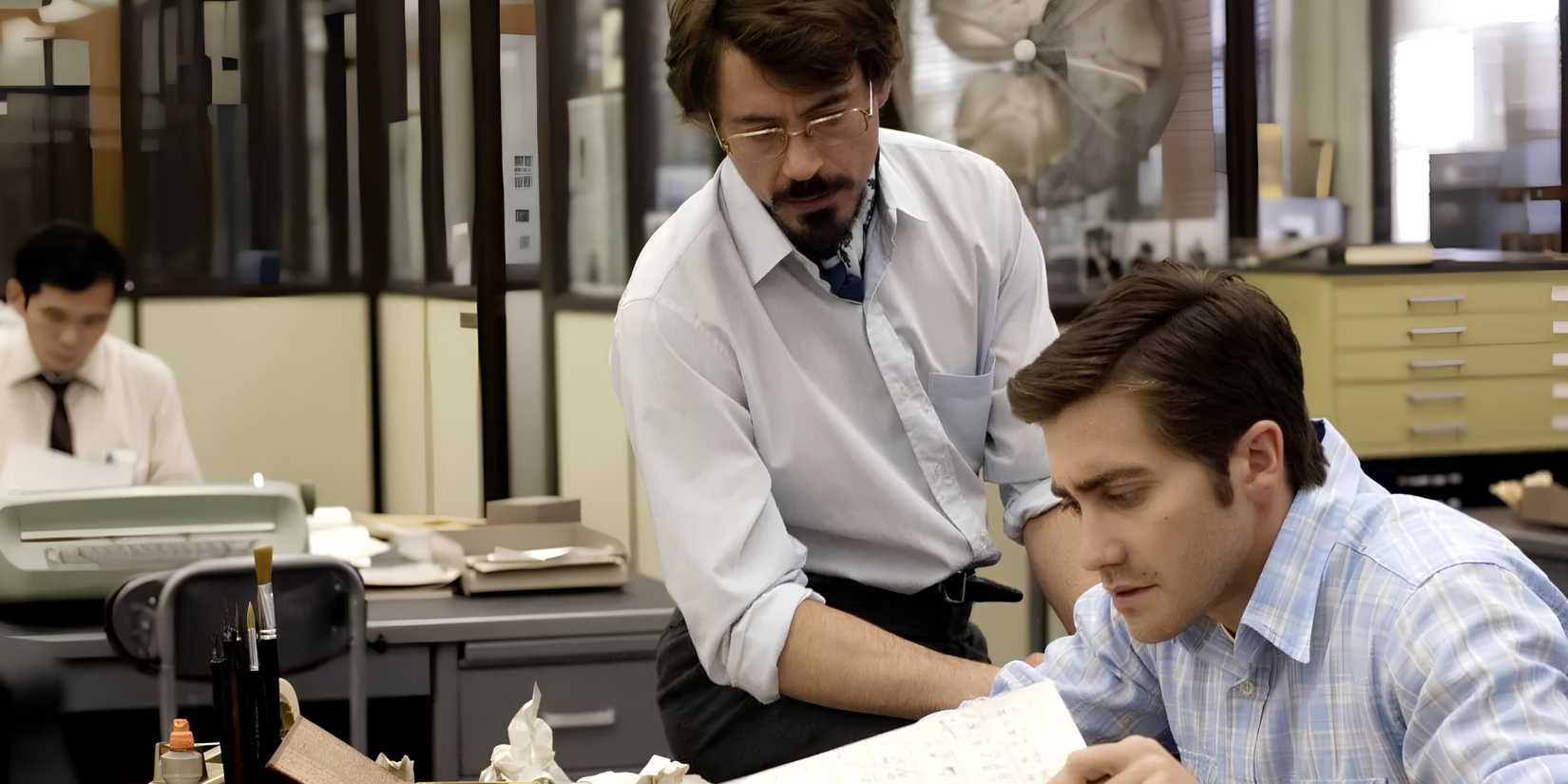 Image via Paramount Pictures
David Fincher’s gripping cinematic interpretation of the hunt for the Zodiac Killer, Zodiac is adapted from cartoonist/author Robert Graysmith’s books Zodiac and Zodiac Unmasked, which document the unsolved murders by the titular killer, who terrorized the San Francisco Bay Area through the late 1960s and early 1970s. Starring Jake Gyllenhaal as Robert, the film follows the professional cartoonist as he closely follows the coded letters, ciphers, and cryptic clues sent by the killer, becoming deeply obsessed with hunting him down using his puzzle-solving abilities. Mark Ruffalo, Robert Downey Jr., John Carroll Lynch, and Tom Verica also star in the movie, playing other real people of the time.
Praised for its direction, writing, cinematography, soundtrack, and accuracy to real-life investigations, Zodiac is a major cult hit that has since evolved into a masterpiece of 21st-century crime cinema. A masterclass in suspense, the film is noted for the way it slowly and meticulously builds tension through Robert’s obsession and the killer’s mind games, challenging the viewer to guess what lies one step ahead. Zodiac has since remained one of Fincher’s most iconic films and is often considered his magnum opus.
6 ‘Run Lola Run’ (1998)
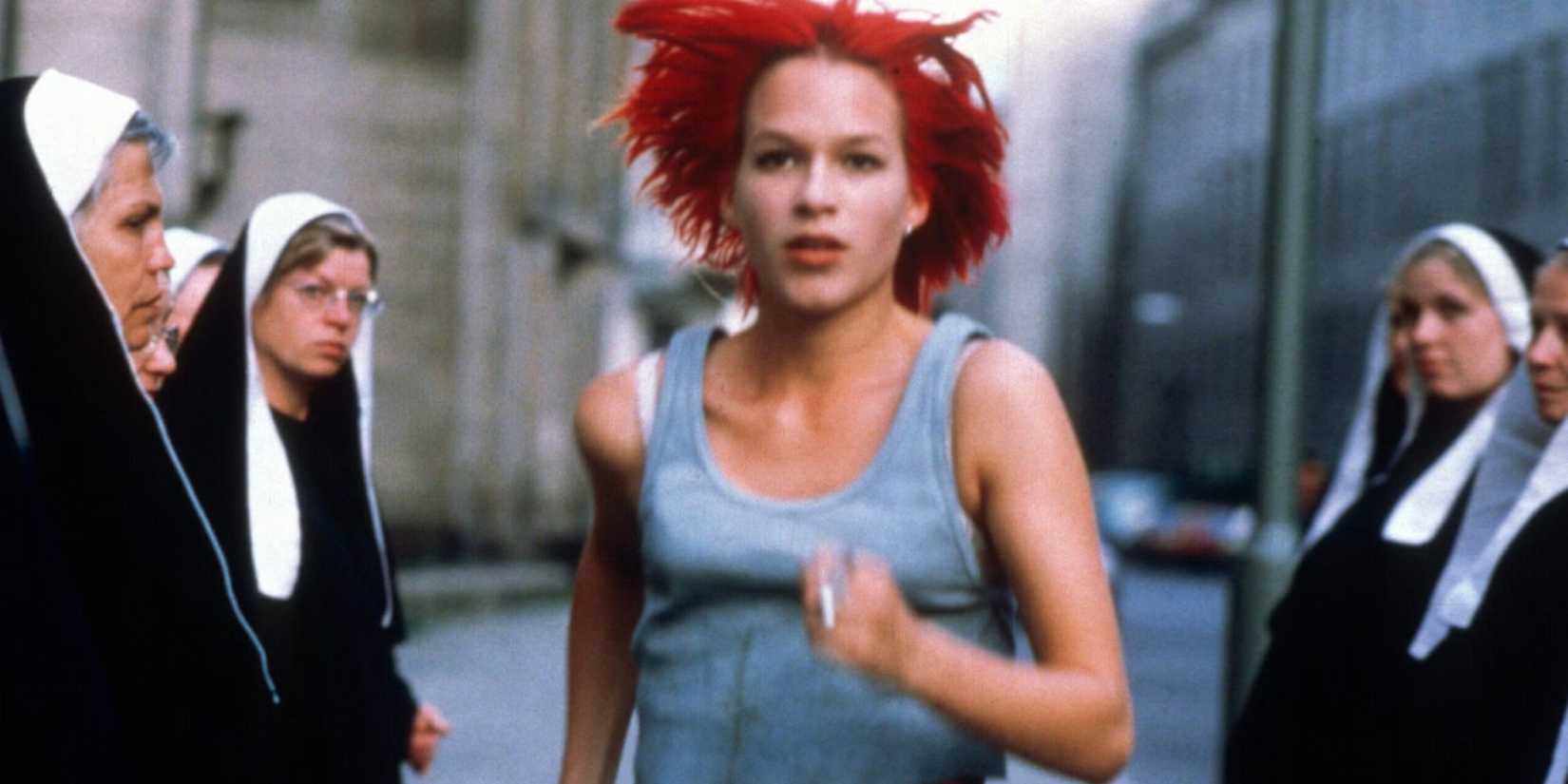 Image via Prokino Filmverleih
A German avant-garde thriller film about time, choices, and destiny, directed by Tom Tykwer, Run Lola Run follows the titular protagonist, whose boyfriend, Manni, owes 100,000 Deutsche Mark to his dangerous boss and needs to raise it in 20 minutes. To save his life, Lola runs through Berlin, trying to get the money any way possible before time runs out and Manni gets in trouble. Franka Potente and Moritz Bleibtreu play the central characters, with Herbert Knaup, Nina Petri, Joachim Król, Armin Rohde, and Heino Ferch in supporting roles.
Inventive and electrifying, Run Lola Run shattered the conventional storytelling structure in thriller cinema of its time with its unique format. The fast-paced story is told in three distinct, 20-minute windows, backed by a high-energy background score and pop-style art that is sure to get your adrenaline rushing. A '90s cult classic, Run Lola Run is visually and thematically stimulating with tons of action, suspense, dark comedy, existentialism, and sex packed into a mere 80-minute runtime.
Collider Exclusive · Oscar Best Picture Quiz
Which Oscar Best Picture
Is Your Perfect Movie?
Parasite · Everything Everywhere · Oppenheimer · Birdman · No Country
Five Oscar Best Picture winners. Five completely different visions of what cinema can be — and what it can do to you. One of them is the film that was made for the way your mind works. Ten questions will figure out which one.
🪜Parasite
🌀Everything Everywhere
☢️Oppenheimer
🐦Birdman
🪙No Country for Old Men
FIND YOUR FILM →
01
What kind of film experience do you actually want? The best movies don't just entertain — they leave something behind.
ASomething that pulls the rug out — that makes me think I'm watching one kind of film and then reveals I'm watching another entirely. BSomething overwhelming — funny, sad, absurd, and genuinely moving, all at once. CSomething grand and weighty — a film that makes me feel the full scale of what I'm watching. DSomething formally daring — a film that pushes what cinema can even do. ESomething lean and relentless — pure tension with no wasted frame.
NEXT QUESTION →
02
Which idea grabs you most in a film? Great films are driven by a central obsession. What's yours?
AClass, inequality, and what people are willing to do when desperation meets opportunity. BIdentity, family, and the chaos of trying to hold your life together when everything is falling apart. CGenius, moral responsibility, and the catastrophic weight of a decision you can never take back. DEgo, legacy, and the terror of becoming irrelevant while you're still alive to watch it happen. EEvil, chance, and whether moral order actually exists or if we just tell ourselves it does.
NEXT QUESTION →
03
How do you like your story told? Form is content. The way a story is shaped changes what it means.
AGenre-twisting — I want it to start in one lane and migrate into something completely different. BMaximalist and genre-blending — comedy, action, drama, sci-fi, all in one ride. CEpic and non-linear — cutting between timelines, building a mosaic of cause and consequence. DA single unbroken flow — I want to feel like I'm living it in real time, no cuts to safety. ESpare and precise — every scene doing exactly what it needs to do and nothing more.
NEXT QUESTION →
04
What makes a truly great antagonist? The opposition defines the protagonist. What kind of opposition fascinates you?
AA system — invisible, structural, and almost impossible to fight because it has no single face. BThe self — the ways we sabotage, abandon, and fail the people we love most. CHistory — the unstoppable momentum of events that no single person can stop or redirect. DThe industry — the machinery of culture that chews up talent and spits out irrelevance. EPure, implacable evil — a force so certain of itself it becomes almost philosophical.
NEXT QUESTION →
05
What do you want from a film's ending? The final note is the one that lingers. What do you want it to sound like?
AShock and inevitability — a conclusion that recontextualises everything that came before it. BEarned emotion — I want to cry, laugh, and feel genuinely hopeful, even if the world is a mess. CDevastation and grandeur — an ending that makes me sit in silence for a few minutes after. DAmbiguity — something that leaves enough open that I'm still thinking about it days later. EBleakness — an honest refusal to pretend the world is tidier than it actually is.
NEXT QUESTION →
06
Which setting pulls you in most? Where a film takes place shapes everything — mood, stakes, what's even possible.
AA gleaming modern city with a hidden underside — beauty masking rot, wealth masking desperation. BA collapsing suburban life that opens onto something infinite — the multiverse of a single ordinary person. CThe corridors of power and science at a world-historical turning point — where decisions echo for decades. DThe grimy, alive chaos of New York and Hollywood — fame as both destination and trap. EVast, indifferent landscape — desert and highway where violence arrives without warning or reason.
NEXT QUESTION →
07
What cinematic craft impresses you most? Every great film has a signature — a technical or artistic element that makes it unmistakable.
AProduction design and mise-en-scène — every frame composed to carry meaning beneath the surface. BEditing and tonal control — the ability to move between registers without losing the audience. CScore and sound design — music that becomes inseparable from the dread and awe of what you're watching. DCinematography as performance — the camera not recording events but participating in them. ESilence and restraint — what's left unsaid and unshown doing more work than any dialogue could.
NEXT QUESTION →
08
What kind of main character do you root for? The protagonist is the lens. Who you choose to follow says something about you.
ASomeone smart and resourceful who makes increasingly dangerous decisions under pressure. BSomeone overwhelmed and ordinary who turns out to be capable of something extraordinary. CA brilliant, tortured figure whose gifts and flaws are inseparable from each other. DA self-destructive artist whose ego is both their superpower and their undoing. EA quiet, principled person trying to make sense of a world that has stopped making sense.
NEXT QUESTION →
09
How do you feel about a film that takes its time? Pace is a choice. Some films sprint; others let tension accumulate slowly, deliberately.
AI love a slow build when I know the payoff is going to be seismic — patience for a devastating reveal. BGive me relentless momentum — I want to feel breathless and emotionally spent by the end. CEpic runtime doesn't scare me — if the material demands three hours, give me three hours. DI want it to feel propulsive even when nothing is technically happening — restless energy throughout. EDeliberate and unhurried — I want dread to accumulate in the spaces between the action.
NEXT QUESTION →
10
What do you want to feel walking out of the cinema? The best films leave a mark. What kind of mark do you want?
AUnsettled — like I've just seen something I can't fully explain but can't stop thinking about. BMoved and energised — like the film reminded me what actually matters and gave me something to hold onto. CHumbled — like I've been in the presence of something genuinely important and overwhelming. DExhilarated — like I've just seen cinema doing something it's never quite done before. EHaunted — like a cold, quiet dread that stays with me for days.
REVEAL MY FILM →
The Academy Has Decided Your Perfect Film Is…
Your answers have pointed to one Oscar Best Picture winner above all others. This is the film that was made for the way your mind works.
Parasite
You are drawn to films that operate on multiple levels simultaneously — that begin in one genre and quietly, brilliantly migrate into another. Bong Joon-ho's Parasite is a film about class, desire, and the architecture of inequality that manages to be darkly funny, deeply suspenseful, and genuinely shocking across a single extraordinary running time. Your instinct is for cinema that hides its true intentions until the moment it's ready to reveal them. Parasite is exactly that — a film that rewards close attention and punishes assumptions, right up to its devastating final image.
Everything Everywhere All at Once
You want it all — and this film gives you all of it. The Daniels' Everything Everywhere All at Once is one of the most maximalist films ever made: action comedy, multiverse sci-fi, family drama, existential crisis, and a genuinely earned emotional core that sneaks up on you amid the chaos. You are someone who responds to ambition, who doesn't want cinema to choose between being entertaining and being meaningful. This film refuses that choice entirely. It is overwhelming by design, and its overwhelming nature is precisely the point — because the feeling of being crushed by infinite possibility is exactly what it's about.
Oppenheimer
You are drawn to cinema on a grand scale — films that understand history not as a backdrop but as a force, and that place their characters inside that force and watch what happens. Christopher Nolan's Oppenheimer is a film about the terrifying gap between what we can do and what we should do, told with the full weight of one of the most consequential moments in human history behind it. You want your films to feel important without feeling self-important — to earn their ambition through sheer craft and the gravity of their subject. Oppenheimer does exactly that. It is enormous, complicated, and refuses easy comfort.
Birdman
You are drawn to films that foreground their own construction — that make the how of the filmmaking part of the what it's about. Alejandro González Iñárritu's Birdman, shot to appear as a single continuous take, is cinema examining itself through the cracked mirror of a fading actor's ego. You respond to formal daring, to the feeling that a film is doing something that probably shouldn't be possible. Michael Keaton's performance and Emmanuel Lubezki's restless camera create something genuinely unlike anything else — a film that is simultaneously about creativity, relevance, self-destruction, and the impossibility of ever truly knowing if your work means anything at all.
No Country for Old Men
You are drawn to cinema that trusts silence, that refuses to explain itself, and that treats dread as a form of meaning. The Coen Brothers' No Country for Old Men is a film about the arrival of a new kind of evil — implacable, arbitrary, and utterly indifferent to the moral frameworks we use to make sense of the world. It is one of the most formally controlled films ever made, and its controlled restraint is what makes it so terrifying. You want your films to haunt you, not comfort you. You are not interested in resolution if resolution would be dishonest. No Country for Old Men is honest in a way that most cinema never dares to be.
↻ RETAKE THE QUIZ
5 ‘Memento’ (2000)
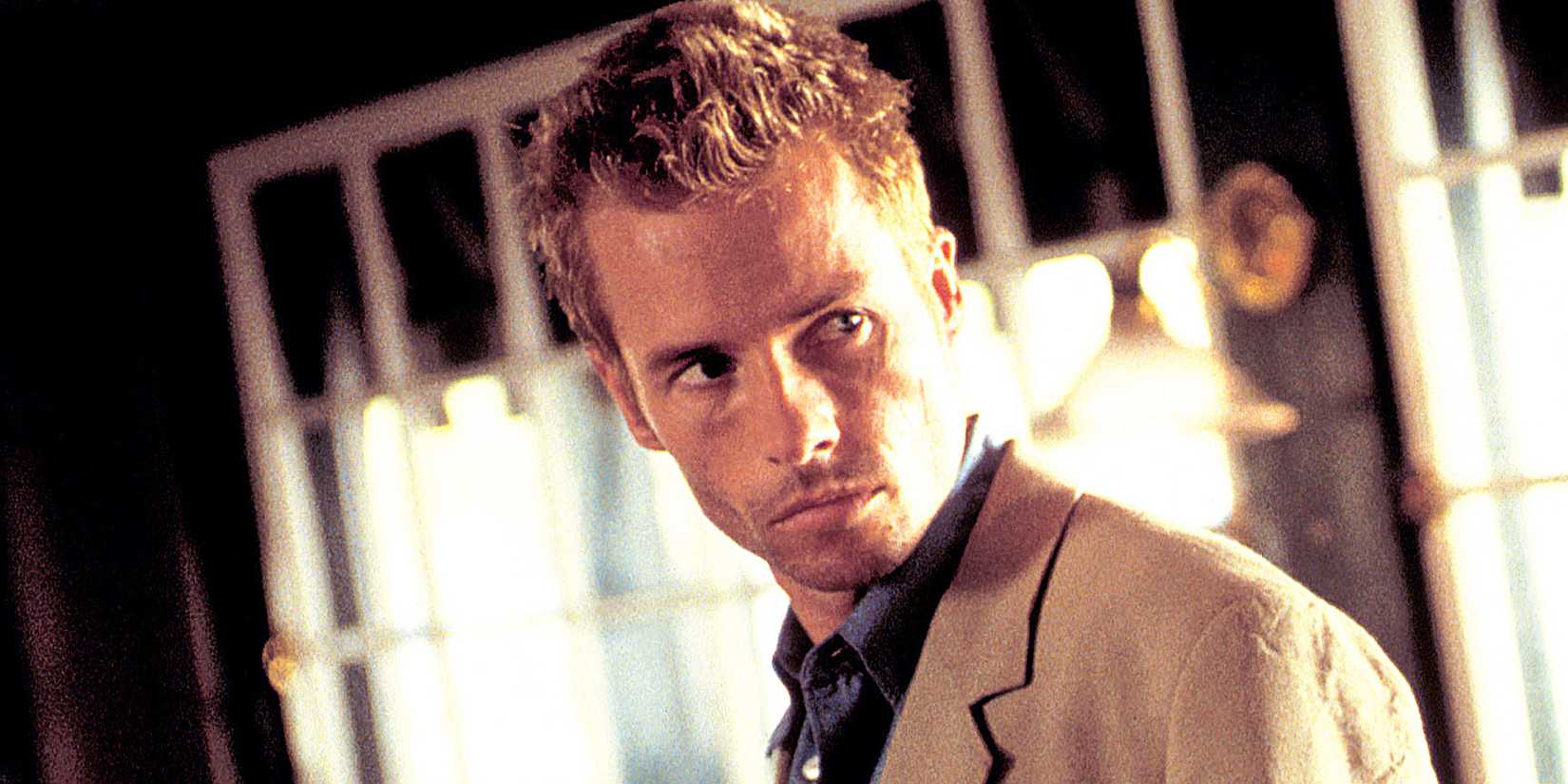 Image via Newmarket
A neo-noir psychological thriller directed by Christopher Nolan and based on Jonathan Nolan’s short story Memento Mori, Memento follows the tragic story of Leonard Shelby, an insurance investigator suffering from anterograde amnesia following a home invasion and the murder of his wife. Leonard devises a system using photographs, notes, and tattoos to remind him of his past so he can hunt down the man who killed his wife and robbed him of his memories. Guy Pearce plays Leonard Shelby, in one of his most definitive roles, appearing alongside Carrie-Anne Moss, Joe Pantoliano, Mark Boone Junior, Jorja Fox, and more.
A tightly-knit, atmospheric story presented in a unique reverse-chronological structure, Memento is as exciting as a thriller film can get. The innovative storytelling format and the moody music instantly trap the audience inside the disoriented mind of the paranoid protagonist. The film received critical acclaim for its narrative style, which was quite inventive for its time, and has since been regarded as one of the most definitive thriller films ever made.
4 ‘The Dark Knight’ (2008)
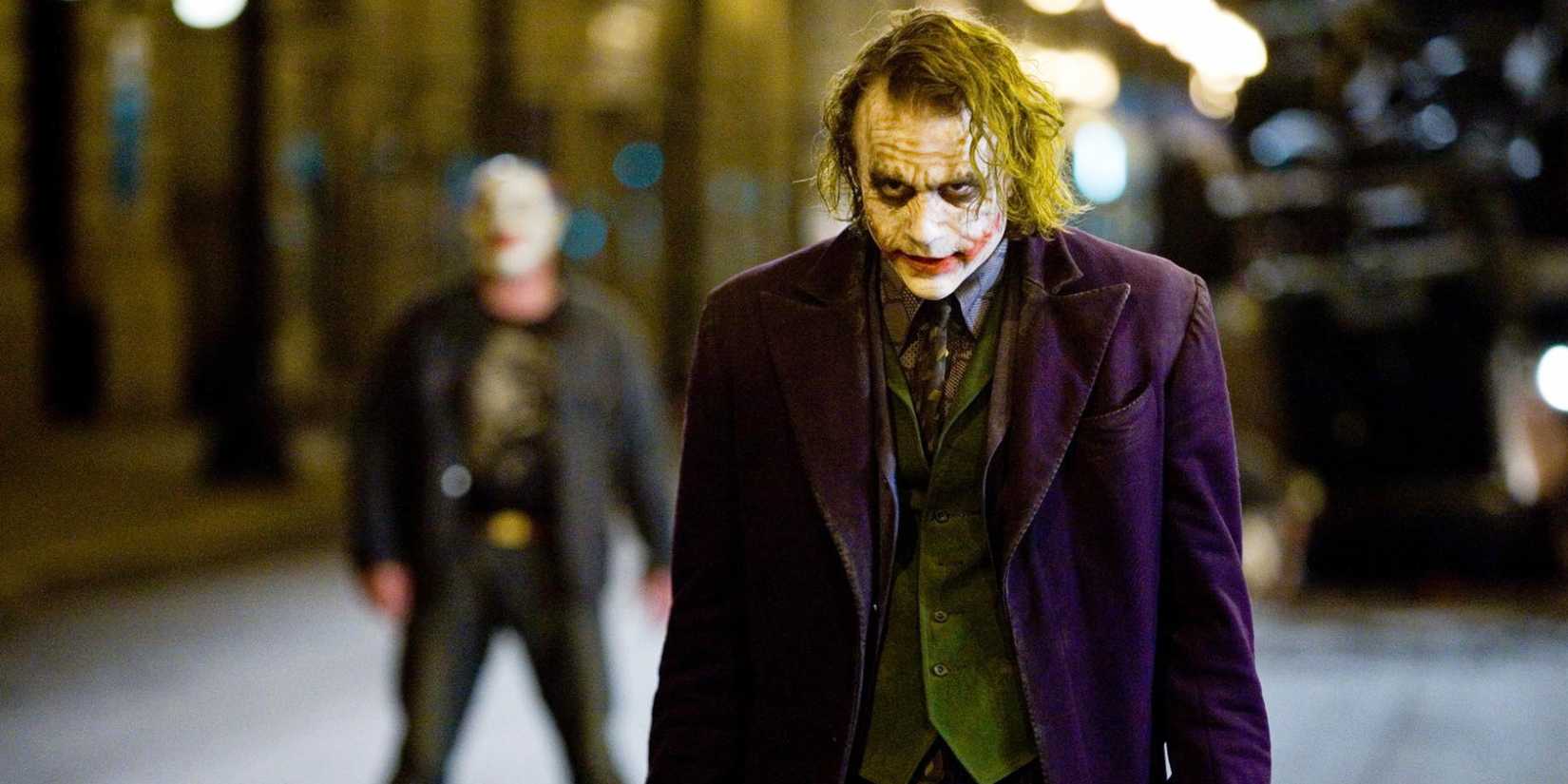 Image via Warner Bros. Pictures
The second entry in The Dark Knight Trilogy by Christopher Nolan and the sequel to 2005’s Batman Begins, The Dark Knight sees Christian Bale’s Bruce Wayne/Batman facing off against his nemesis, the Joker, in the villain’s first live-action appearance. With organized crime causing chaos and mayhem in Gotham with the Joker’s help, Batman, Inspector Gordon, and District Attorney Harvey Dent come together to stop the unhinged anarchist, with unexpected consequences. Michael Caine, Gary Oldman, and Morgan Freeman reprise their roles from the previous film, with Heath Ledger playing the Joker and Aaron Eckhart as Harvey Dent / Two-Face.
Headlined by Heath Ledger’s chilling portrayal of the Joker in the first live-action appearance of the iconic villain, The Dark Knight is a gritty and grim action thriller that defined the 2000s. The fast-paced, high-tension plot, unpredictable villain, and explosive action scenes never fail to keep the audience on their toes. With its mature tone and themes, slick visual style, and engaging performances, The Dark Knight became a blueprint for modern superhero cinema and is easily one of the best action films of all time.
3 ‘North by Northwest’ (1959)
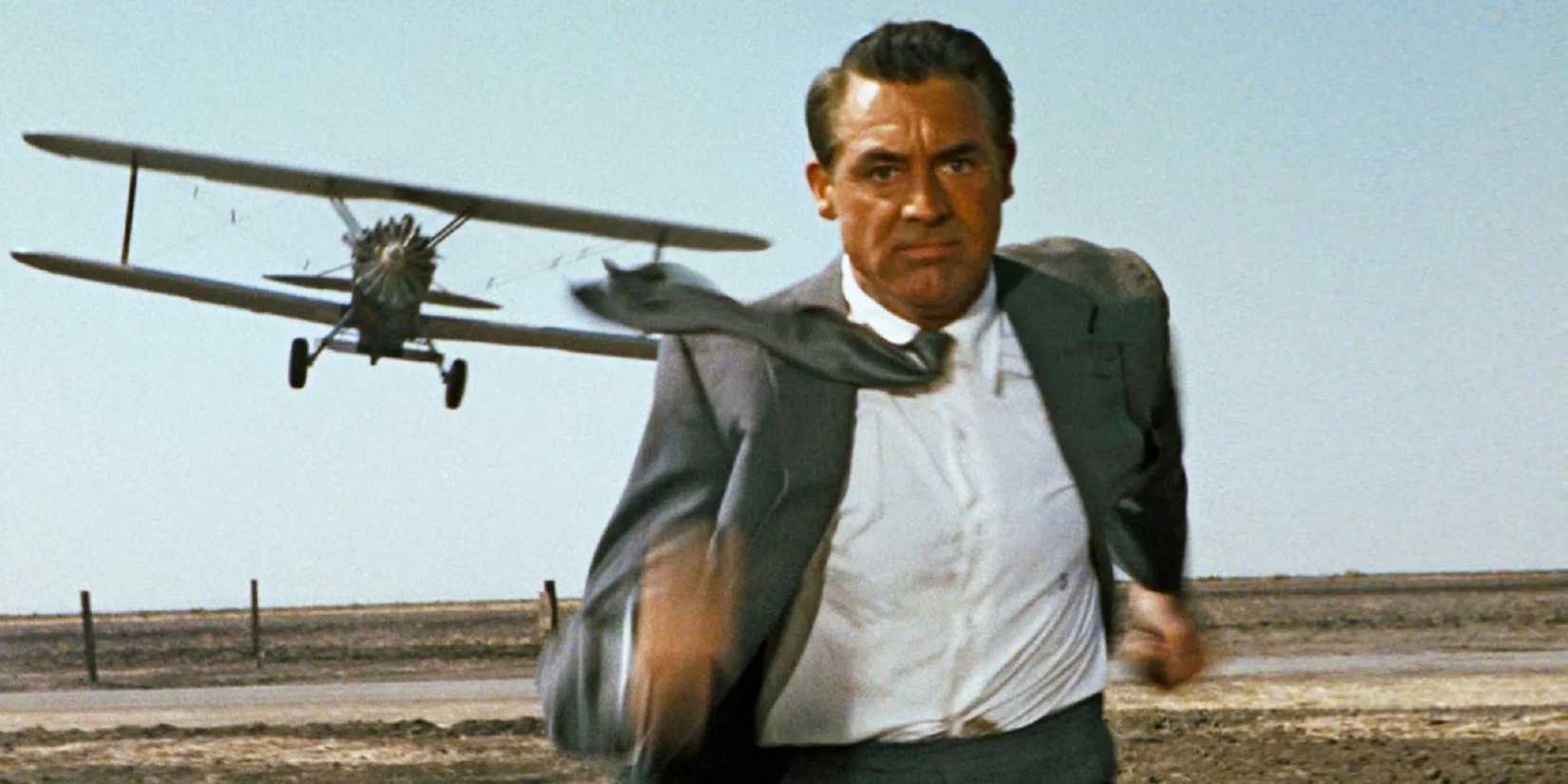 Image via Metro-Goldwyn-Mayer
A highly entertaining spy thriller directed and produced by Alfred Hitchcock, North by Northwest follows Roger Thornhill, a New York advertising executive who is mistaken for a secret agent by foreign spies. Framed for murder and pursued by both the authorities and shady agencies, Roger goes on the run across the United States while also falling for a mysterious woman. Cary Grant stars as Roger, appearing alongside Eva Marie Saint, James Mason, Jessie Royce Landis, and Leo G. Carroll.
North By Northwest turns a classic tale of mistaken identity and the ordinary-man-in-extraordinary-situation trope into an intriguing espionage mystery and exciting cross-country chase. One of the canonical Hitchcock films of the 1950s, the stylishly suspenseful film thrills with Cold War-era themes of secret agents, the fast pace of city life, and a constant, pervasive sense of dread. North by Northwest has been hailed as one of the inspirations for the cinematic style, tone, and formula of classic James Bond films and is widely regarded as one of the greatest movies ever made.
2 ‘Jaws’ (1975)
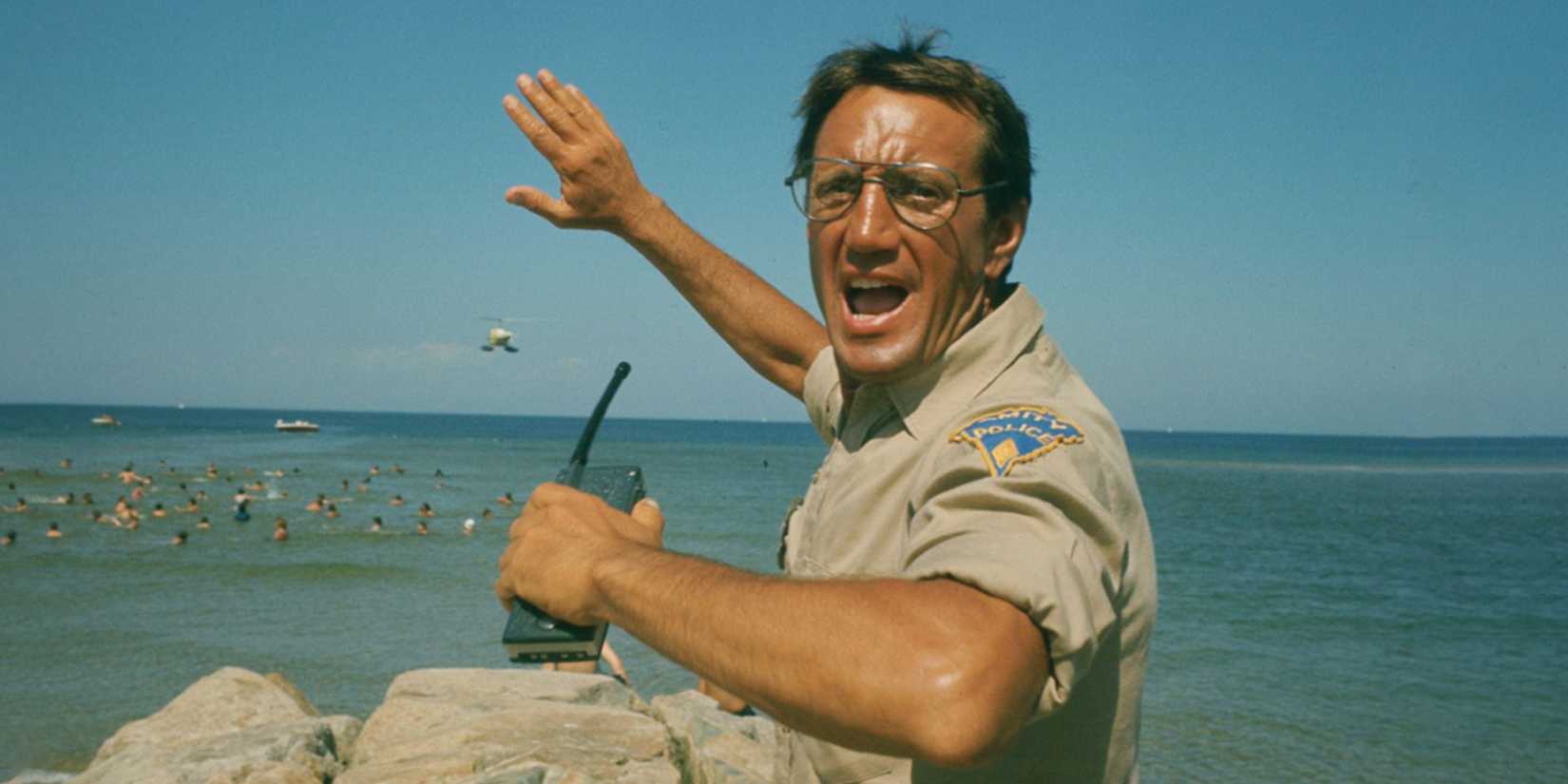 Image via Universal Pictures
Steven Spielberg’s ever-popular creature feature Jaws is an adaptation of Peter Benchley’s novel of the same name and centers on a great white shark that starts attacking people on the beaches of a New England resort town. The town’s sheriff, Martin Brody, teams up with a shark hunter and marine biologist to hunt down the man-hunting shark. The movie stars Roy Scheider, Richard Dreyfuss, Robert Shaw, Murray Hamilton, and Lorraine Gary.
Jaws is a timeless horror thriller that perennially excites the audience with its non-stop suspense and impending sense of terror, elevating the dread with John Williams’ haunting score, which remains one of cinema’s finest. On its release, Jaws became a massive success, completely overhauling the genre trends of the time and becoming the highest-grossing film in history until Star Wars was released in 1977. The film set new trends with its storytelling style and thrilling special effects, which became the template for practically all subsequent creature features.
1 ‘Psycho’ (1960)
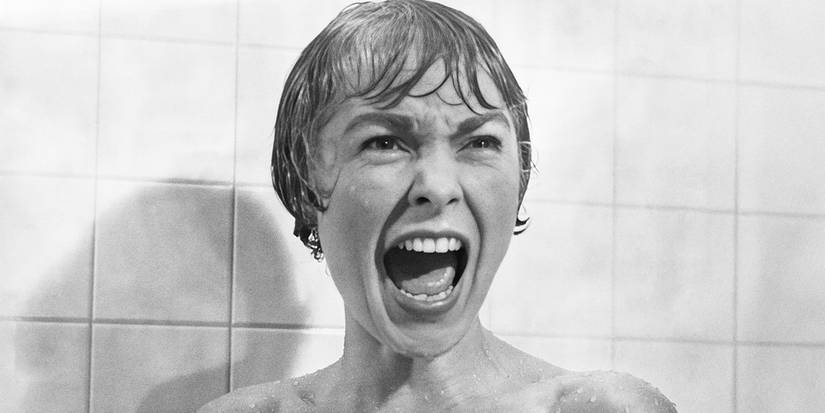 Image via Paramount Pictures
A film that changed thriller cinema in ways that still resonate, Alfred Hitchcock’s Psycho is unarguably the best adaptation of Robert Bloch’s novel. A woman on the run, a remote motel, and an awkward motel owner — Psycho provides all the fuel for an exciting thriller right from the beginning. But it only gets better once the story’s heroine, Marion Crane, disappears from the story, shattering all audience expectations and building the tension to unpredictable levels. Anthony Perkins stars as Norman Bates, one of the most influential characters ever to appear on screen, with Janet Leigh, Vera Miles, John Gavin, and Martin Balsam in key roles.
With Psycho, Hitchcock introduced the audience to things they had never seen or even expected before in films, thus forgoing conventions and forging new standards for how thriller cinema is written and produced. The slick direction, impressive camerawork, memorable score, and iconic performances make Psycho the ultimate masterclass in thrills, horror, and suspense. The movie is a timeless genre classic.
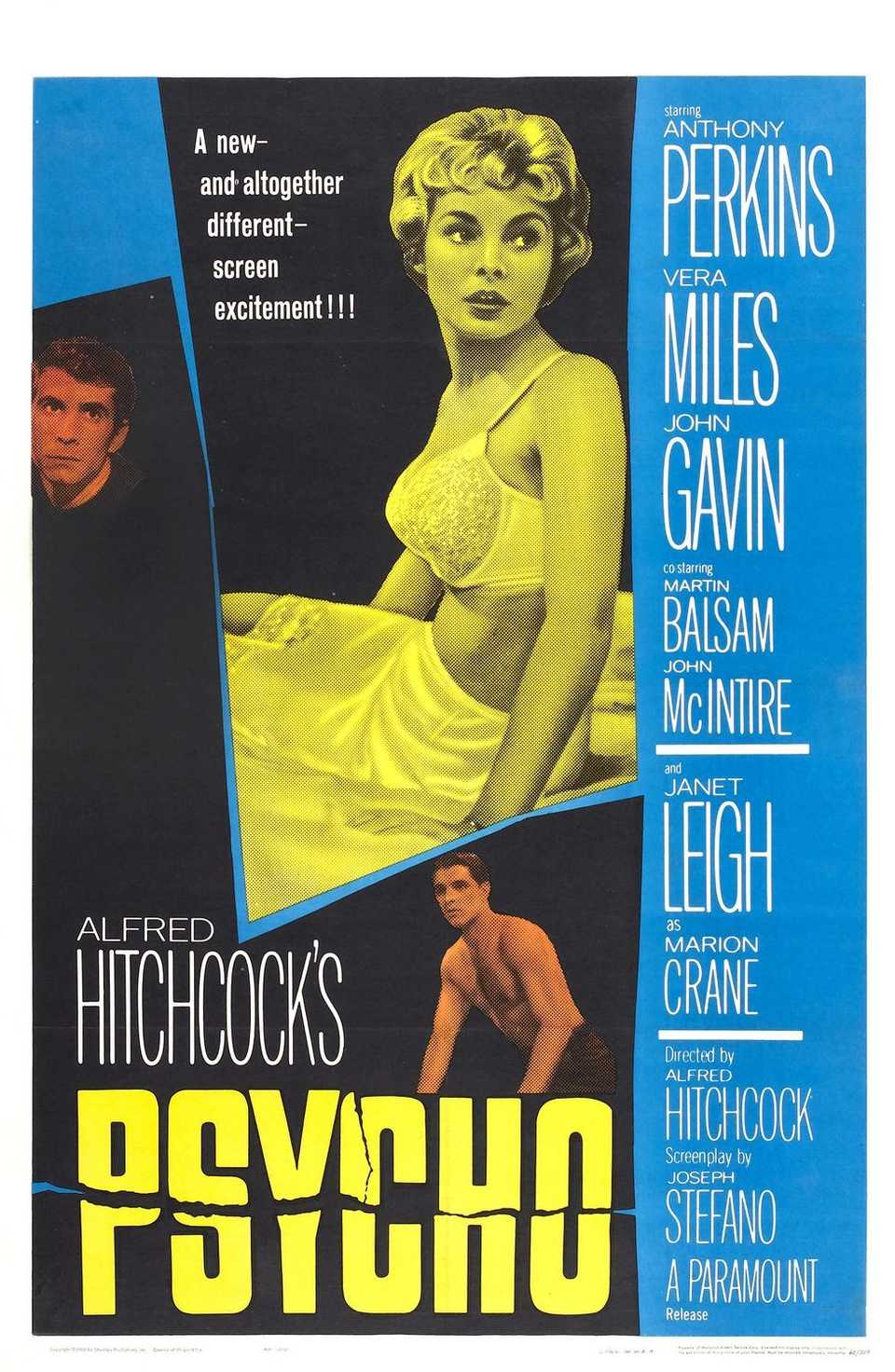
Release Date September 8, 1960
Runtime 109 minutes
Writers Joseph Stefano, Robert Bloch
Sequel(s) Psycho 2


 English (US) ·