

Published Nov 23, 2026, 10:45 PM EST
Angel Shaw is a Lead Writer and Critic on ScreenRant's TV team, covering new-release and classic TV shows across all major streaming platforms. She has been a writer with ScreenRant since 2022 and specializes in Harry Potter, The Lord of the Rings, and fantasy.
Angel holds a bachelor's degree in language interpreting and is passionate about all things culture and communication—especially in how it relates to popular media throughout history (from Shakespeare to Friends to Game of Thrones).
It's difficult to remember sometimes that the world of entertainment isn't as limitless as it seems. In this day and age, just about anything can be pulled off on screen. The unimaginable has been placed right before our eyes, so we take for granted all the seemingly impossible developments that have made such things a reality. Still, even today, there are projects trapped in development hell because the logistics of bringing them to either film or television immediately raise the question of whether it would be worth it.
Of course, the more complicated the process of adapting a story is, the more determined creatives in the industry seem to be to make it work. It takes some maneuvering and imagination, but we've seen several times how stories that some determined had no future on screen have become shining, spectacular hits when placed in the right hands and adapted for television.
Lord Of The Flies
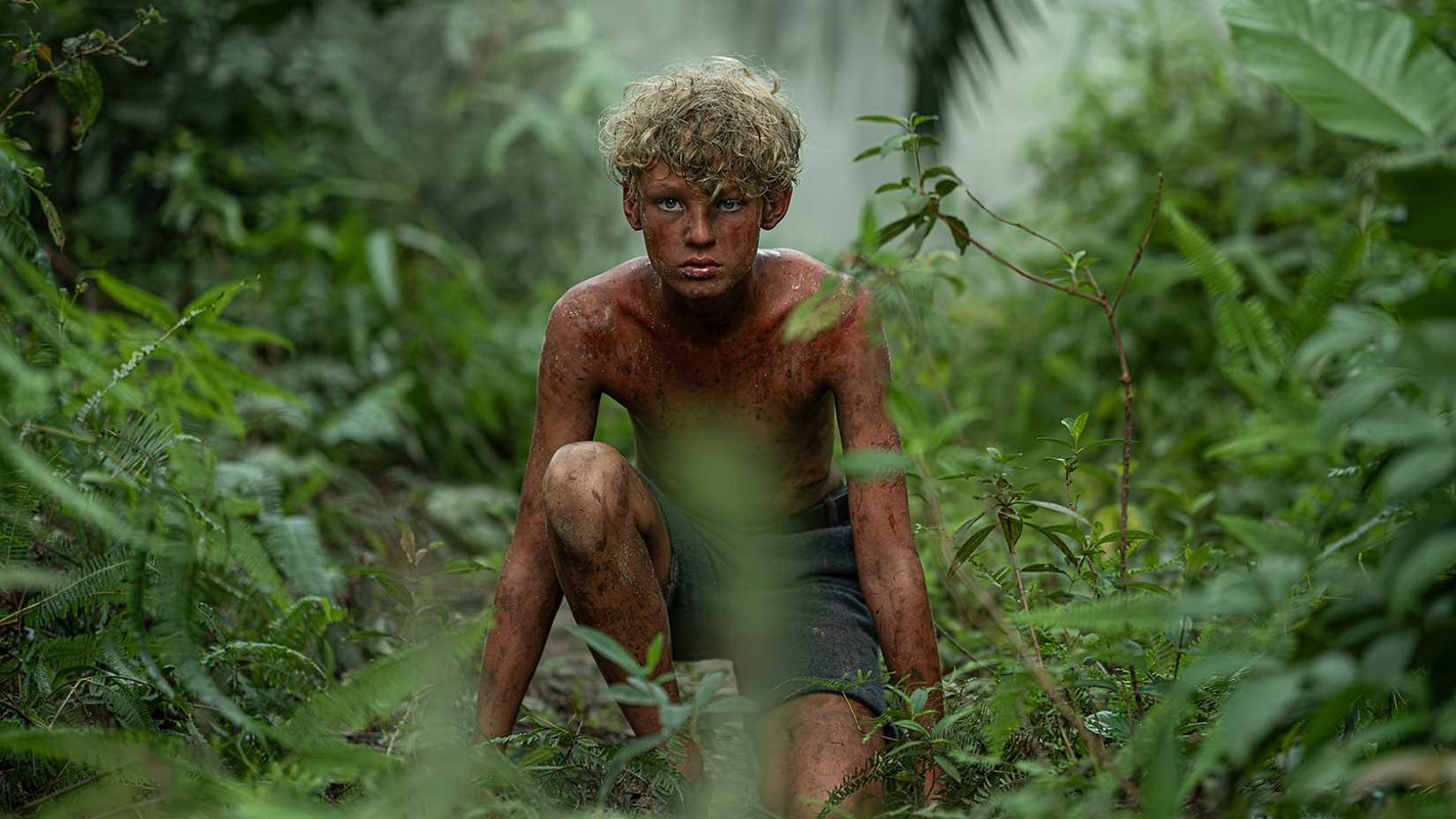
William Golding's classic 1954 novel, Lord of the Flies, was adapted to the screen a couple of times, but these were both movies. Watching the 1963 and 1990 feature films quickly points out several of the reasons that it was generally thought this wasn't a story that could be brought to TV. It would be impossible to adapt Lord of the Flies without putting a cast of young actors through the wringer, so there are many ethical obstacles. Lord of the Flies is also a relatively short book, so the idea of extending it into a TV series seemed overly ambitious.
The BBC and Netflix miniseries Lord of the Flies was created by Jack Thorne, who is known for pulling off impossible projects. Thorne managed to take the allegorical ideas of Golding's original story and expand them in meaningful ways. Each episode of Lord of the Flies takes the point of view of an individual child, and with an impossibly talented young cast, the novel was turned into something more concrete than ever before.
His Dark Materials
 Image via MovieStillsDB
Speaking of Jack Thorne, His Dark Materials is another great example of a TV show that should have been impossible to get right. This series is an adaptation of Philip Pullman's novel trilogy, the first of which was titled The Golden Compass. Back in 2007, this first novel was adapted into a movie, and just the decision to do so was controversial. Not only are Pullman's works a sprawling, complex fantasy universe, but they are also known for being deeply critical of organized religion. The Golden Compass attempted to soften those themes, but it still suffered boycotts.
Thorne avoided several big issues just by adapting His Dark Materials into a TV show rather than a movie franchise. The source was too complex to work otherwise, and given the controversy around the story, expecting three separate productions to come together would have been unrealistic. Even more critically, the His Dark Materials fantasy TV series made no efforts to steer clear of the books' anti-authoritarian themes. Visually, His Dark Materials was spectacular, and the cherry on top was the excellent cast, including Dafne Keen, Ruth Wilson, and James McAvoy.
The Lord Of The Rings: The Rings Of Power

J.R.R. Tolkien's The Hobbit and The Lord of the Rings books have been adapted a good handful of times, most successfully and thoroughly by Peter Jackson. These weren't the only stories this author ever wrote, however, and with several works published after his death, the possibilities for adaptations seemed nearly endless. Tolkien's Middle-earth timeline spans thousands of years and covers hundreds of intriguing characters. Yet, getting any of these to the screen would require a small miracle.
Tolkien himself sold the adaptation rights for The Hobbit and his three Lord of the Rings books. However, anything published after his death, including The Silmarillion, was held close by the Tolkien estate. Names and concepts featured only in those works couldn't be adapted, so any potential project set in the centuries before Frodo's adventures would have endless obstacles to dodge. Prime Video's The Rings of Power got away with using information from the appendices of Tolkien's The Return of the King, but it still required a lot of creative maneuvering.
The Sandman

It was always clear that Neil Gaiman's 1989 comic book series The Sandman had excellent on-screen potential. Of course, it took decades for this to finally happen. Once again, this is a complex fantasy that demands extensive and expensive special effects, and this is compounded by a naturally complicated structure and tone. For several years, there was always some Sandman adaptation in early development, but none ever seemed to get off the ground. All of these pitches attempted to condense Gaiman's 3,000 pages of work into a feature-film-length adventure, and they simply didn't work.
Netflix ultimately made the unfilmable filmable by turning The Sandman into a live-action television series. At this point, it seems like an obvious solution, but even with the longer format, the show had to adapt to the comic series' frequent shifts in genre and tone. Developed by David S. Goyer, Allan Heinberg, and Gaiman himself, The Sandman worked by fully embracing those transitions through horror, historical drama, and anthology-style arcs.
Foundation
 Image via MovieStillsDB
The fact that Apple TV even ordered a ten-episode series based on Isaac Asimov's classic sci-fi book series was pretty shocking, since this story had long ago been deemed impossible to adapt. This is another story with an extremely ambitious scope. It's not just that the world is complex and extensive. Rather, the books jump decades at the turn of a page. There are no continuous main characters, and the story itself revolves more around concepts than actual actions. It's just not a story designed for the screen.
After dozens of stalled attempts, Apple TV's Foundation finally found a way to bring the concepts and themes of the original stories to the screen. Rather than focusing solely on abstract ideas, the TV series introduced central characters with ongoing arcs. Harry Seldon, for example, is only alive briefly at the start of the first book, but he becomes a central figure in the Foundation adaptation. With further adjustments to the world structure, including the cloned Cleon dynasty, the same concepts became more accessible.
3 Body Problem
 Image via Netflix
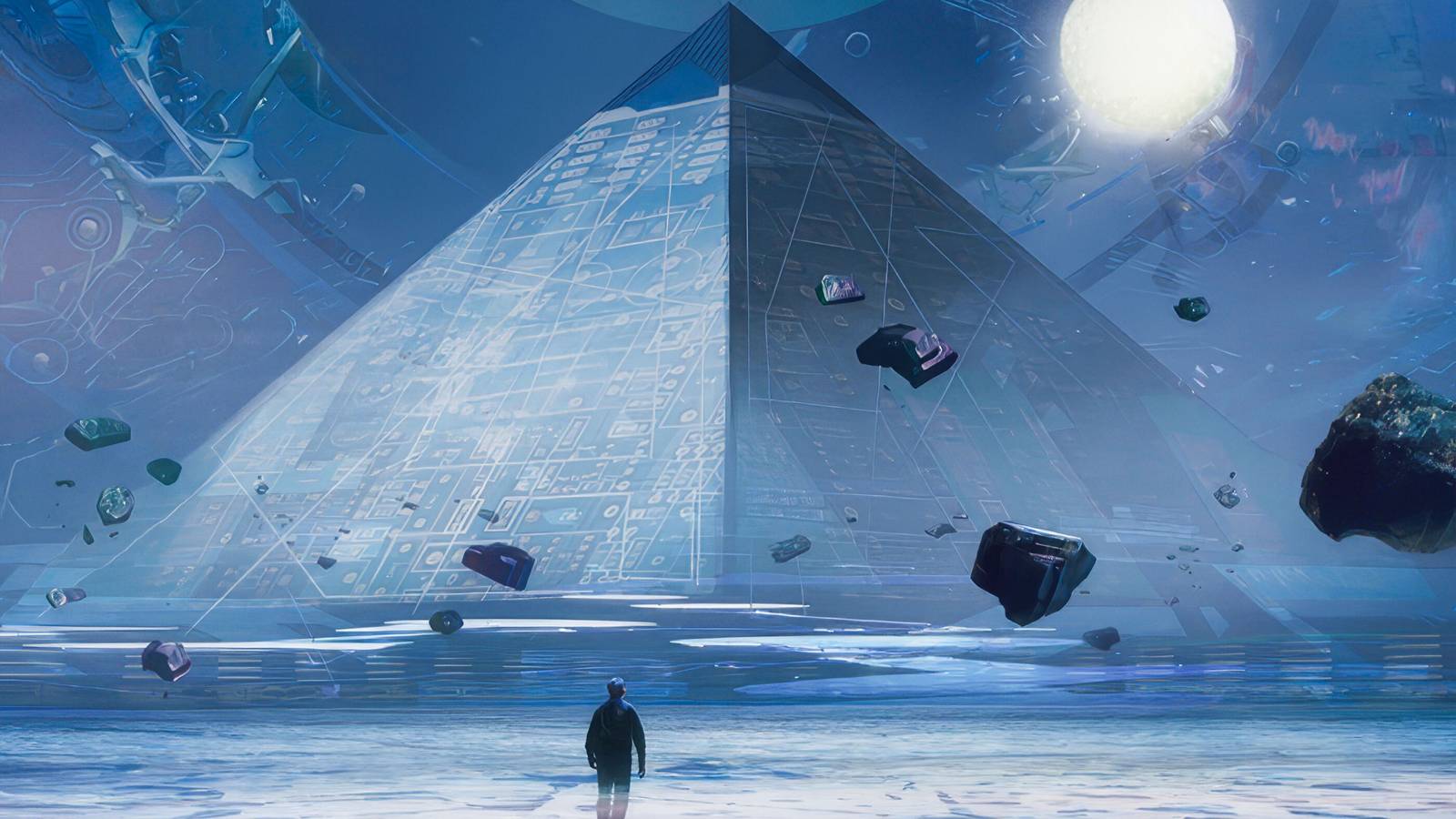
Liu Cixin's trilogy, Remembrance of Earth's Past, was by no means written for TV. This is a series all about theoretical physics and philosophical debates, almost entirely lacking in conventional plot points or action sequences. It's a cerebral experience through and through, emphasized through non-linear storytelling and simulations of the repeated rises and falls of civilizations. Netflix's 3 Body Problem, created by Game of Thrones' David Benioff and D.B. Weiss, therefore had to resist traditional storytelling.
3 Body Problem had to carefully restructure the trilogy's timeline to get those abstract concepts to a visual medium. The novels were adapted out of order, which allowed more flexibility in the process. Additionally, the separate characters of Cixin's books were brought together to form an intimate friend group, allowing The 3 Body Problem to introduce emotional stakes. It's no longer about passively observing human experiences in the face of existential crisis.
Watchmen
 Credit: MovieStillsDB
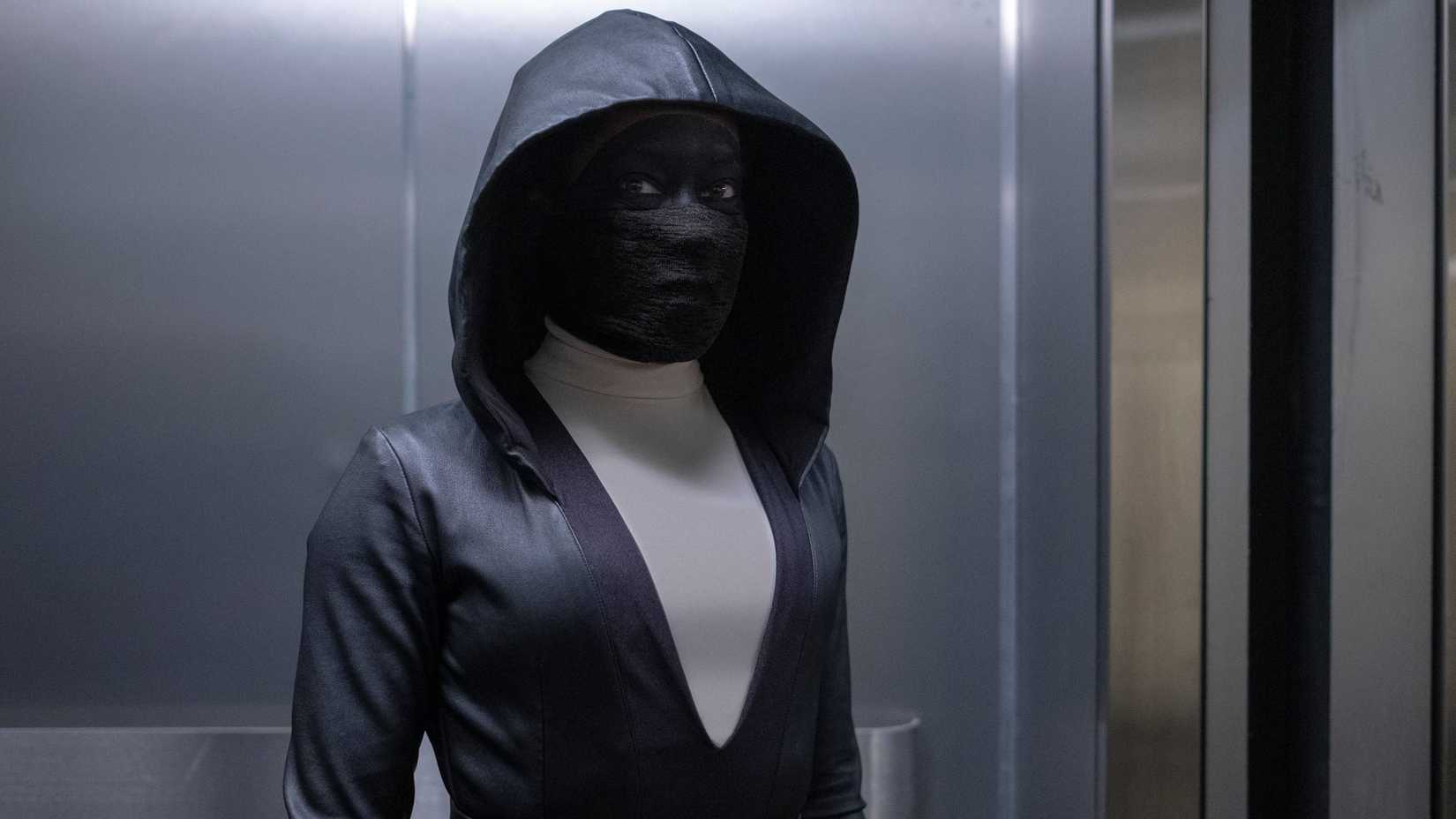
The troubles of bringing Watchmen to the screen started long before HBO decided to make its TV series a reality. Alan Moore and Dave Gibbons' 1986 graphic novel inspired several major movie pitches over the years, but Hollywood cycled through creatives before finally settling on Zack Snyder in 2009. The movie received mixed feedback, and it was pretty clear immediately that this was a story that could thrive in a TV format. Once again, however, the ideas kept falling through.
Snyder was in talks to create a TV adaptation back in 2015, but he ultimately walked away. HBO instead brought in Damon Lindelof, who made the whole thing work by approaching Watchmen as a sequel rather than a remake. Set now in modern America rather than the 1980s, the HBO show was free to establish its own formulas that didn't depend on the established structure of the original creators' comics. Existing themes were translated over without the risk of stepping on any toes.
Game Of Thrones

It's not just that the story of Game of Thrones was considered unfilmable. The author himself wrote in a way that made it extremely difficult to adapt. George R.R. Martin's A Song of Ice and Fire book series is about as sprawling as the fantasy genre can get, as it leaps between an astounding number of point-of-view characters. The whole idea was that Martin would never have to compromise his creativity for the sake of film budgets or restrictions, and it was all extremely intentional.
Before Game of Thrones, it wasn't particularly standard for fantasy book series to be adapted to TV. However, this specific project proved that, for many stories within the genre, this is the only way to pull it off. Fantasy also wasn't often considered prestige TV, but HBO aimed to revolutionize the concept as a whole. Game of Thrones became the standard, ultimately opening the doors for other unfilmable works to make their way to the screen.




 English (US) ·