


Published May 16, 2026, 9:00 AM EDT
Ambrose Tardive is an editor on ScreenRant's Comics team. Over the past two years, he has developed into the internet's foremost authority on The Far Side. Outside of his work for ScreenRant, Ambrose works as an Adjunct English Instructor.
Sign in to your ScreenRant account
Fans of The Wire need to read these books by the show's writers. The Wire is often called a "novel on television," and there's a very good reason for that: the show was written by novelists. Creator David Simon was a non-fiction author himself, and he put together an elite squad of crime fiction writers to make the greatest television show of all time.
Dennis Lehane. George Pelecanos. Richard Price. If you're a Wire-obsessive, you at least know these names from the show's unskippable opening credits sequence. Yet fans of the HBO series who haven't dabbled with these writers' books are missing out on some of the best, and most Wire-like, crime fiction of the last 40 years.
Below are the 10/10 must-read novels from Price, Pelecanos, and Lehane. There are some recognizable titles on this list, and rightfully so; most of these books have been snatched up and adapted by Hollywood, for better or worse. In every case, though, the book stands alone as a work of crime fiction worth cracking open. Because with these authors, even a letdown of an adaptation can't spoil the thrilling caliber of their writing.
Mystic River
Dennis Lehane; Published In 2001
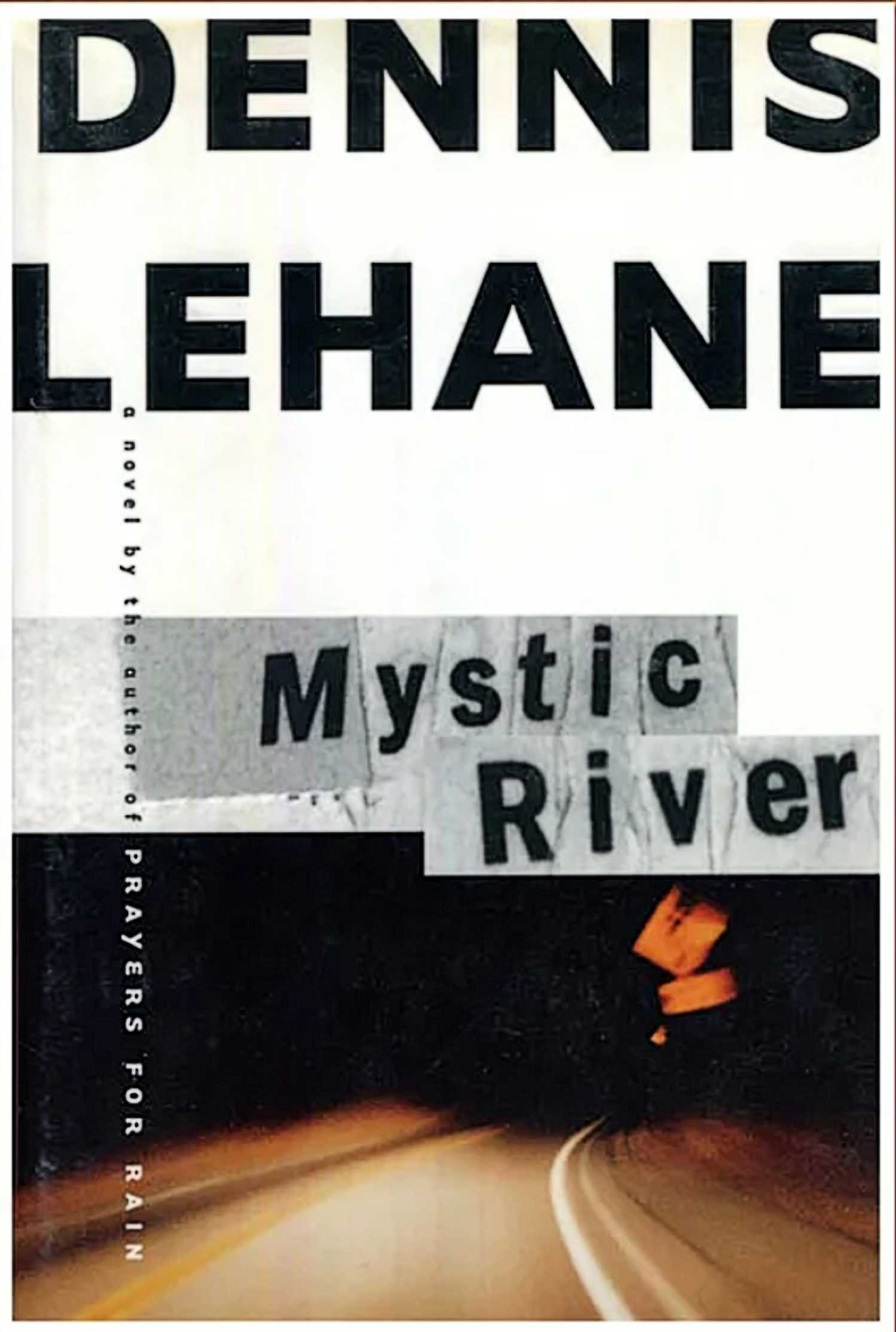
Of the authors listed here, Dennis Lehane is the most recognizable name. Lehane's contributions to The Wire are actually overshadowed by his status as one of the 21st-century's most successful crime authors. That started with Mystic River. More specifically, it started with director Clint Eastwood's 2003 adaptation of Lehane's 2001 novel.
Mystic River is a story of compounding tragedies. A life-altering childhood trauma complicates things when one man, Dave Boyle, becomes the primary suspect in the murder of his friend Jimmy Marcus' daughter. Assigned to the case is another friend from their youth, Detective Sean Devine. Mystic River is a messy, unforgiving crime thriller, and its twists and turns are even more thrilling on the page than in the Eastwood film version.
Dennis Lehane joined The Wire writing staff for Season 3, right around the time Mystic River won two Oscars. Lehane picked The Wire as his next project at time when he was in high demand in Hollywood. His storytelling perspective, and approach to the crime drama, made him a natural fit for the series, and he stayed with The Wire for the rest of its run.
Gone, Baby, Gone
Dennis Lehane; Published In 1998
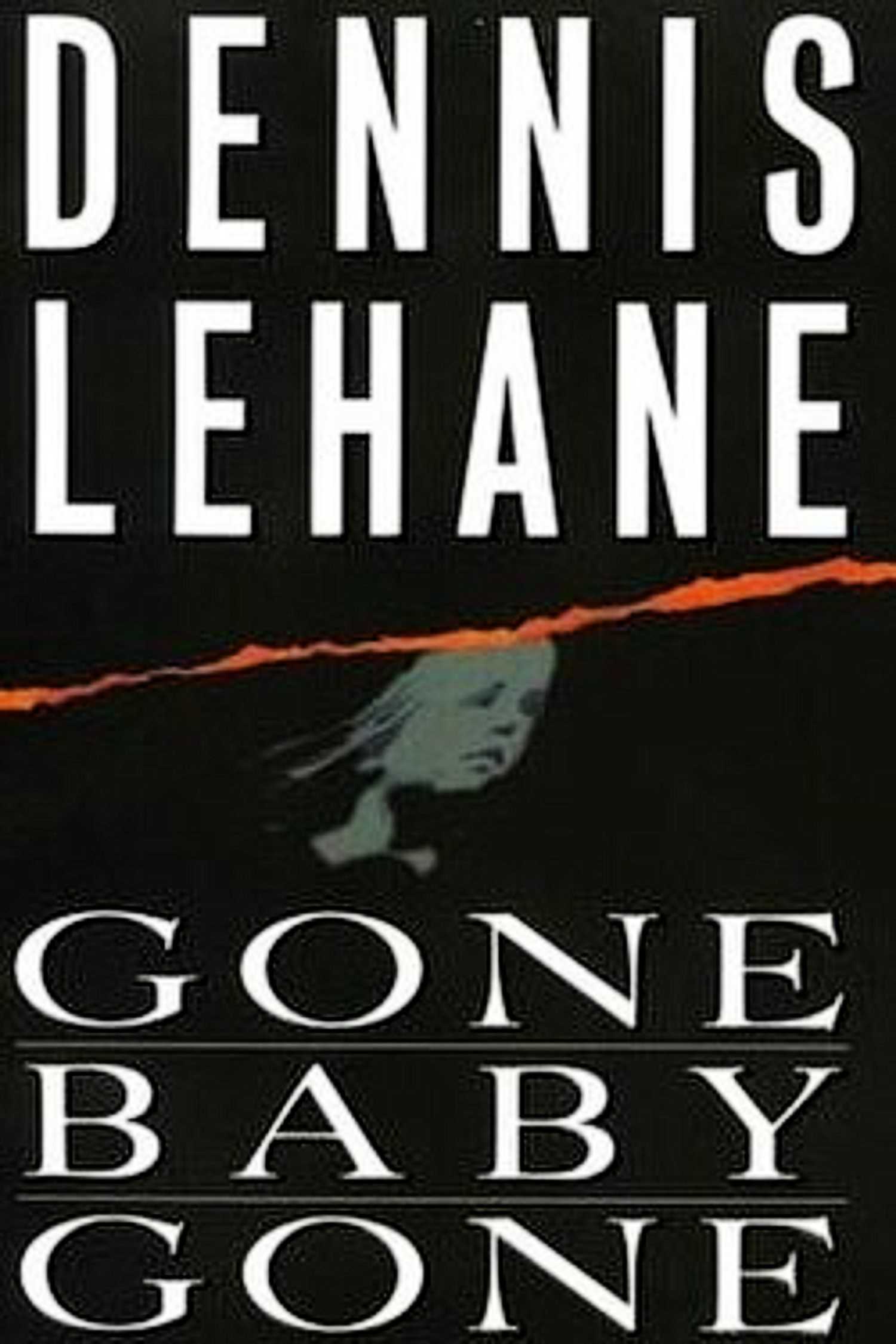
Gone, Baby, Gone is Dennis Lehane's fourth novel. It's the fourth installment in his "Kenzie & Gennaro" series, which established him among the rising stars of crime fiction in the 1990s. Gone is the peak of the series, which is why Ben Affleck chose to adapt it for his 2007 directorial debut.
In Gone, private investigators Patrick Kenzie and Angie Gennaro become wrapped up in a kidnapping. Notably, Lehane complicates the procedural aspects of the novel in one critical way. As it progresses, Gone, Baby, Gone becomes about more than just if the duo can find Amanda, the missing girl, and return her home. The story also asks whether they should.
 Related
10 Episodes Of The Wire That Are Considered Masterpieces (Number 1 Is A TV Classic)
The Wire is one of the greatest TV shows ever produced, and the series' very best episodes hold up as all-time masterpieces of the medium.
Without giving too much away, it's a far from cut-and-dry case. Again, the operative words here: "messy," "complicated," "realistic." All buzzwords easily applied to The Wire, which is why Dennis Lehane became a major part of the show's writer's room. In The Wire's final season, Lehane was tasked with writing the screenplay for "Clarifications," featuring one of the show's most devastating, and deeply messy, character deaths.
Shutter Island
Dennis Lehane; Published In 2003
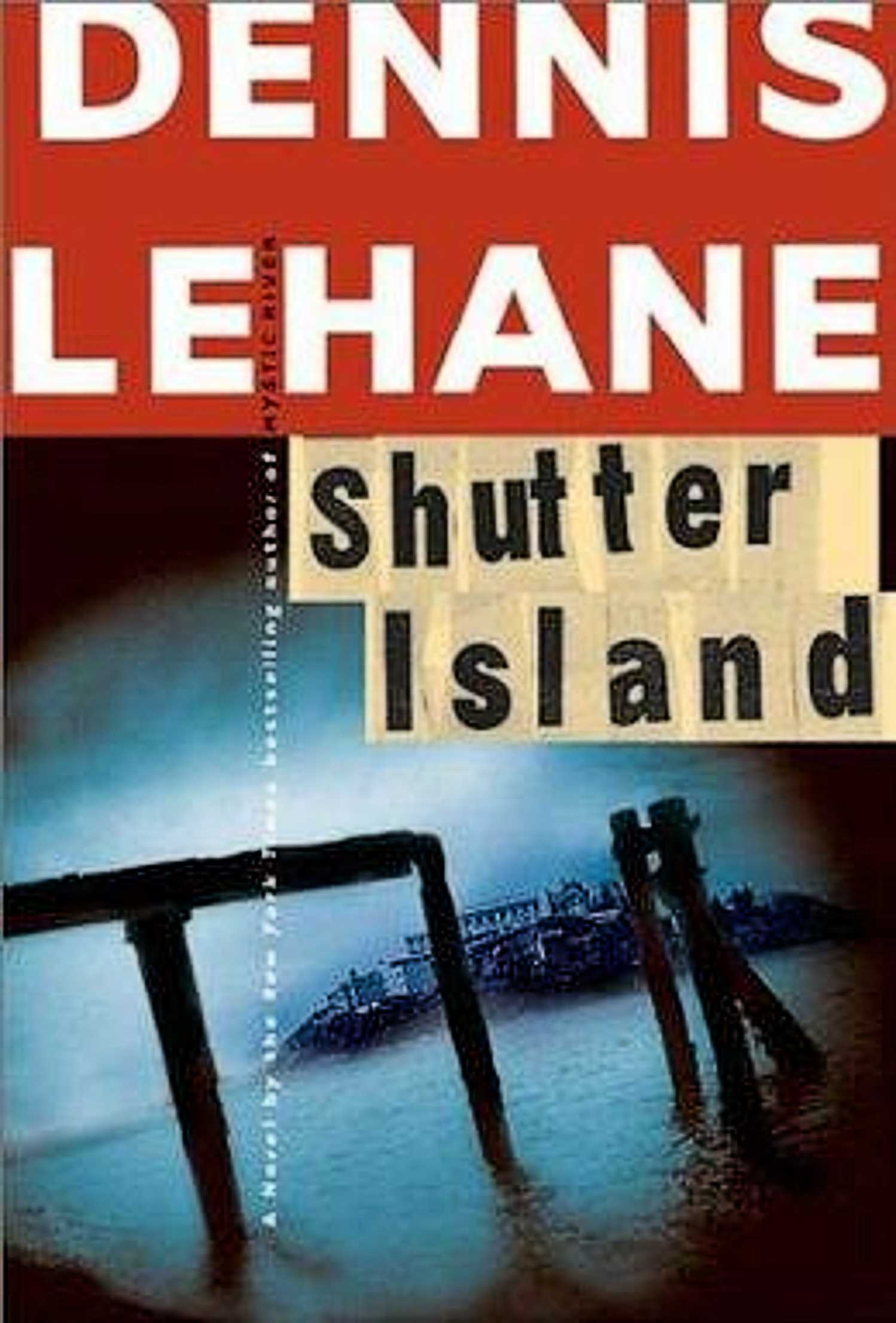
Let's be real: Shutter Island isn't one of Martin Scorsese's best films. It's a good movie by one of American cinema's greatest moviemakers. For those who read the source material, Dennis Lehane's 2003 novel, it left a lot to be desired. For anyone only familiar with the film, Shutter Island the book is still worth reading, even if you'll wish you'd gone in not knowing the big twist.
And if you don't know the twist, for goodness’ sake drop everything and go read Shutter Island ASAP. It is a great example of the "book is better than the movie" trope. The way the book devastatingly unravels its core secrets makes it the definition of a page-turner. It's a unique entry in Lehane's ouvre, and it's also the author at his most dialed-in, at arguably the peak of his literary career.
Scorsese's film adaptation came out in 2010, after The Wire's run concluded. There has only been one further Dennis Lehane novel adaptation since, when Ben Affleck went back to the Lehane well with Live by Night. In total, the author has written over a dozen books and had an extensive career as a screenwriter following his role in making The Wire.
A Firing Offense
George Pelecanos; Published In 1992
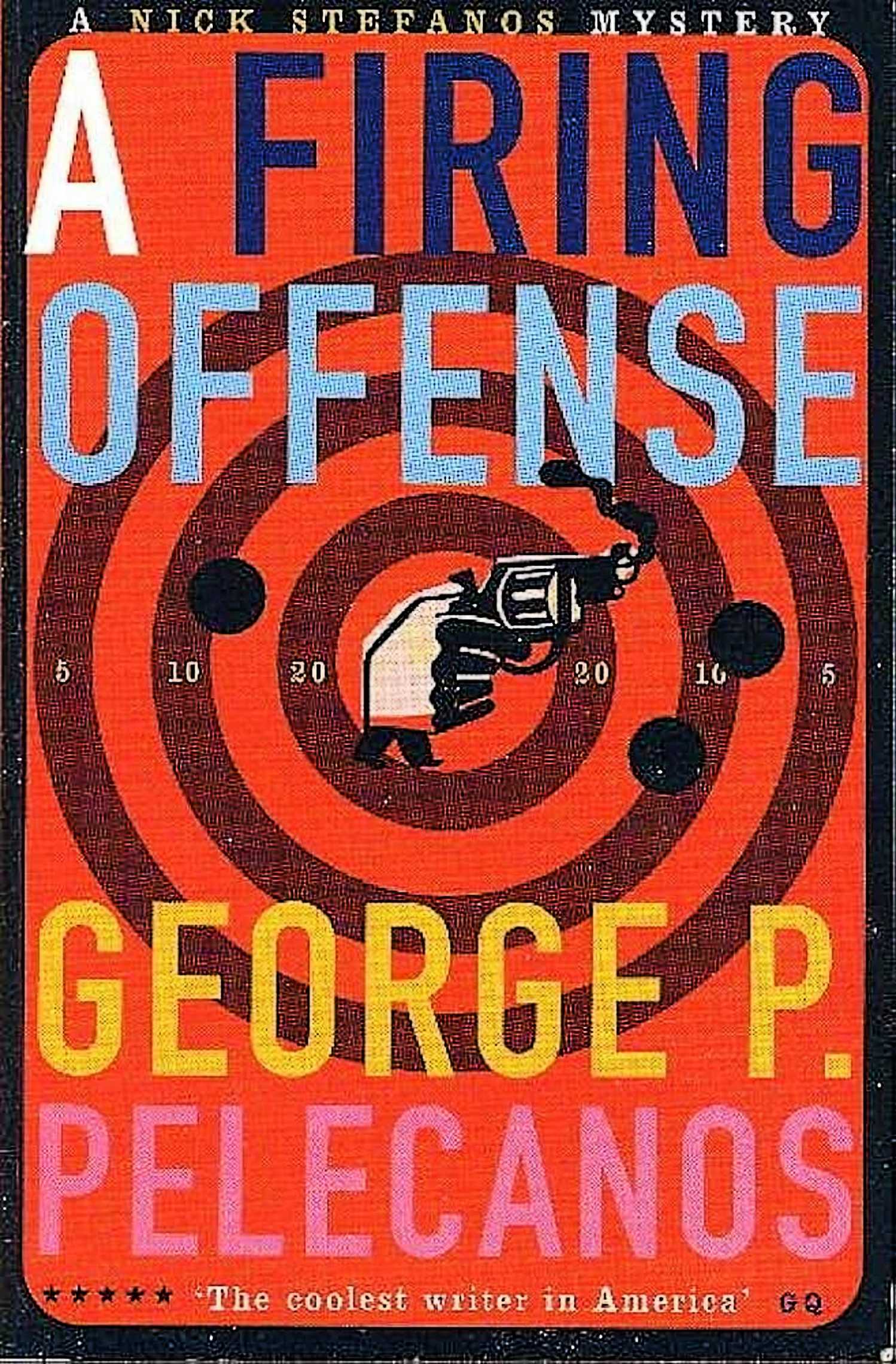
Now, let's turn our attention to George Pelecanos. Like Dennis Lehane, Pelecanos became a leading voice in crime fiction in the 1990s, which made him a top target for Wire creator David Simon when he sought to staff the show with novelists, rather than screenwriters. Unlike Lehane, Pelecanos was with The Wire from early on; he wrote at least one major episode in every season of the show.
Read Pelecanos' 1992 novel A Firing Offense and it is impossible to miss why Simon sought to recruit the author. A Firing Offense is the first in Pelecanos' "Nick Stefanos" series, featuring Stefanos as his protagonist. It is a gripping and propulsive crime story in every sense of the words. The novel is so immersive that readers will forget its early promise to reveal why Stefanos lost his job as a marketing executive, until the answer abruptly comes in the middle of the book. From there on out, it's all about the devastating consequences.
 Related
The Wire Wouldn't Exist Without This Incredible 92% RT Crime Drama That's A Must Watch On Streaming
David Simon has been making hits since his career began, which was many years before The Wire first his airwaves.
At just over two hundred pages, A Firing Offense is short and sweet. It can be read over the course of a weekend, or even a single day. For anyone looking for beach reads this summer, A Firing Offense is the highest possible recommendation. It will leave you wanting more George Pelecanos; thankfully, he's a prolific author, having more than 20 titles to his name.
The Big Blowdown
George Pelecanos; Published In 1996
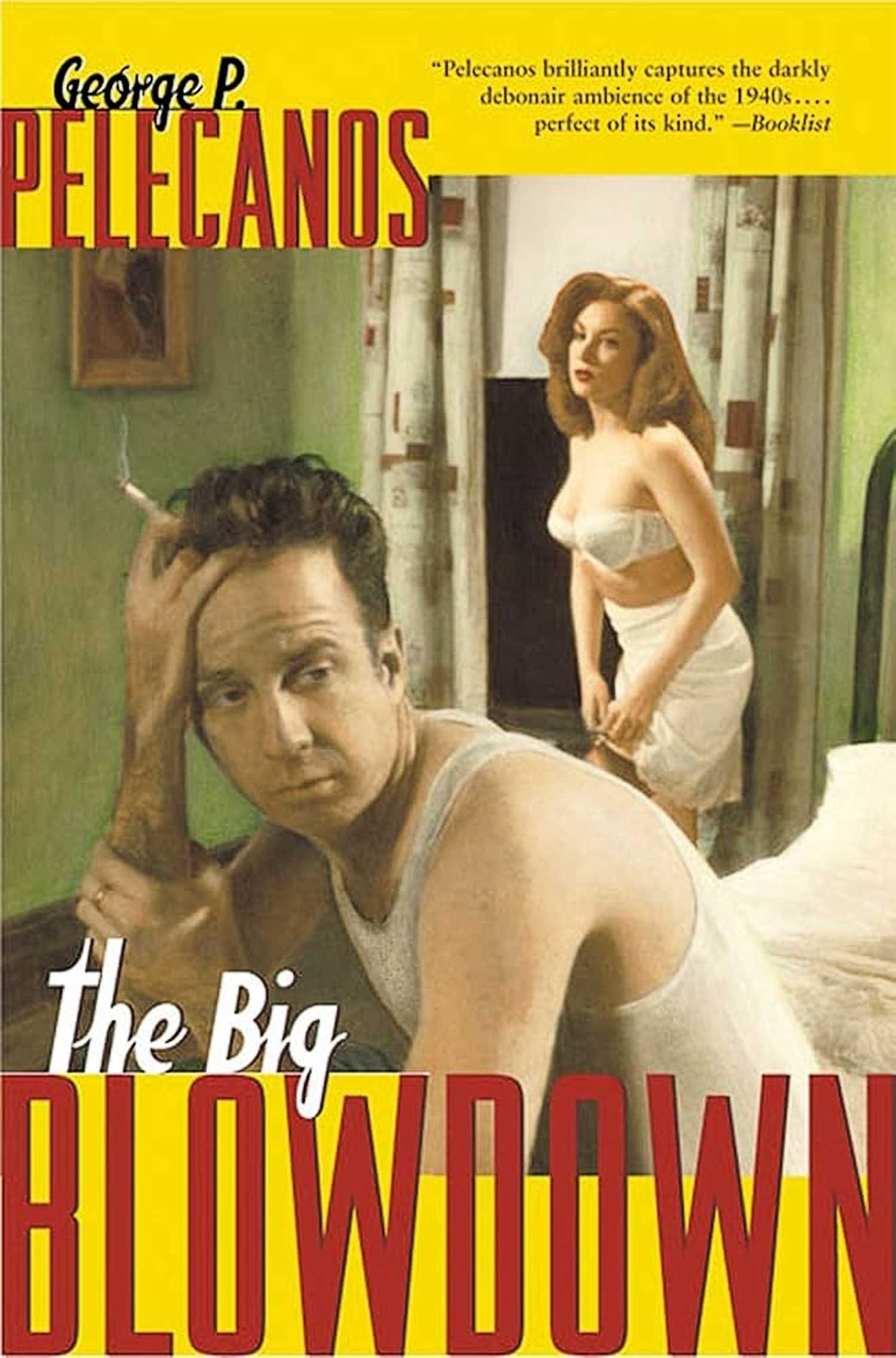
The Big Blowdown is the first novel in George Pelecanos' "D.C. Quartet" series of novels. That name is a nod to another crime fiction GOAT, James Ellroy, whose "L.A. Quartet" includes the seminal neo-noir novel L.A. Confidential, which was turned into one of the best crime movies of the 1990s. Pelecanos' "Quartet" shares some stylistic and thematic similarities with Ellroy's books, but the real similarities are their respective focuses on a single location over a long stretch of time.
Pelecanos' novels are set in Washington, D.C. The Big Blowdown depicts the city, and its burgeoning criminal subculture, in the post-World War II 1940s. At the time of its release in 1996, the book furthered Pelecanos' reputation as a writer who could artfully balance procedural elements and action. One who could match a sense of realism with a distinct style.
These qualities made him perfect for The Wire, but funnily enough, Pelecanos' D.C. roots almost cost him the gig. That is, because of the notorious D.C./Baltimore rivalry. Wire creator David Simon resisted reading Pelecanos' work for a while, out of Baltimorean partisanship, but once he finally cracked one of the author's novels, he was sold, and a long creative partnership came out of it.
King Suckerman
George Pelecanos; Published In 1997
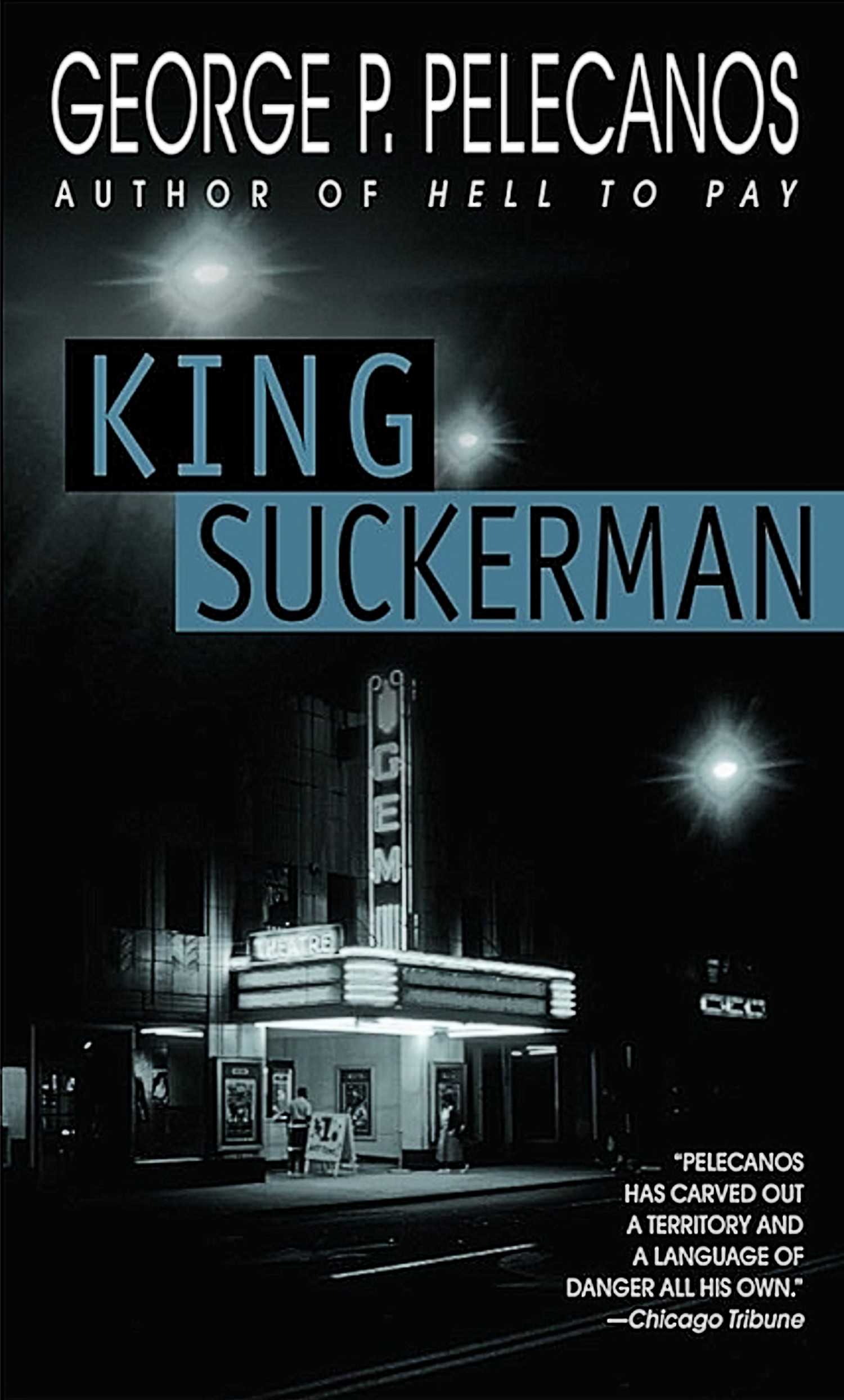
King Suckerman is the second "D.C. Quartet" novel, and perhaps the best. Following the 1940s-set Big Blowdown, George Pelecanos shifts the action ahead in time to the 1970s. The result is glorious, as Pelecanos' novel charts the explosion in crime and revolution in popular culture happening contemporaneously in the decade.
The novel opens with a jaw-dropping murder sequence and doesn't let go from there. The eponymous "King Suckerman" is a blaxploitation film that weaves in and out of the story; the fictional movie is a classic device that allows Pelecanos to widen his social commentary beyond the criminal sphere.
After The Wire, George Pelecanos went on to write for David Simon's follow-up series Treme; Pelecanos and Simon later co-created The Deuce, set in '70s New York, and We Own This City, a spiritual successor to The Wire that brought the duo back to Baltimore.
King Suckerman is equally dark and funny. Like The Wire, it is interested in the criminal underworld as a form of counterculture. That said, the novel never stops too long to dwell on its own themes; it's an energetic, fast-paced thriller, one in which the author once more shows off his skill for making the most out of a sparse prose style.
Freedomland
Richard Price; Published In 1998
Richard Price is the third member of the trinity of great crime writers The Wire turned into screenwriters. Price joined the show during Season 3, alongside Dennis Lehane. So, for anyone who feels The Wire leveled up with its third season, that can be attributed to David Simon finally fully assembling his literary dream team.
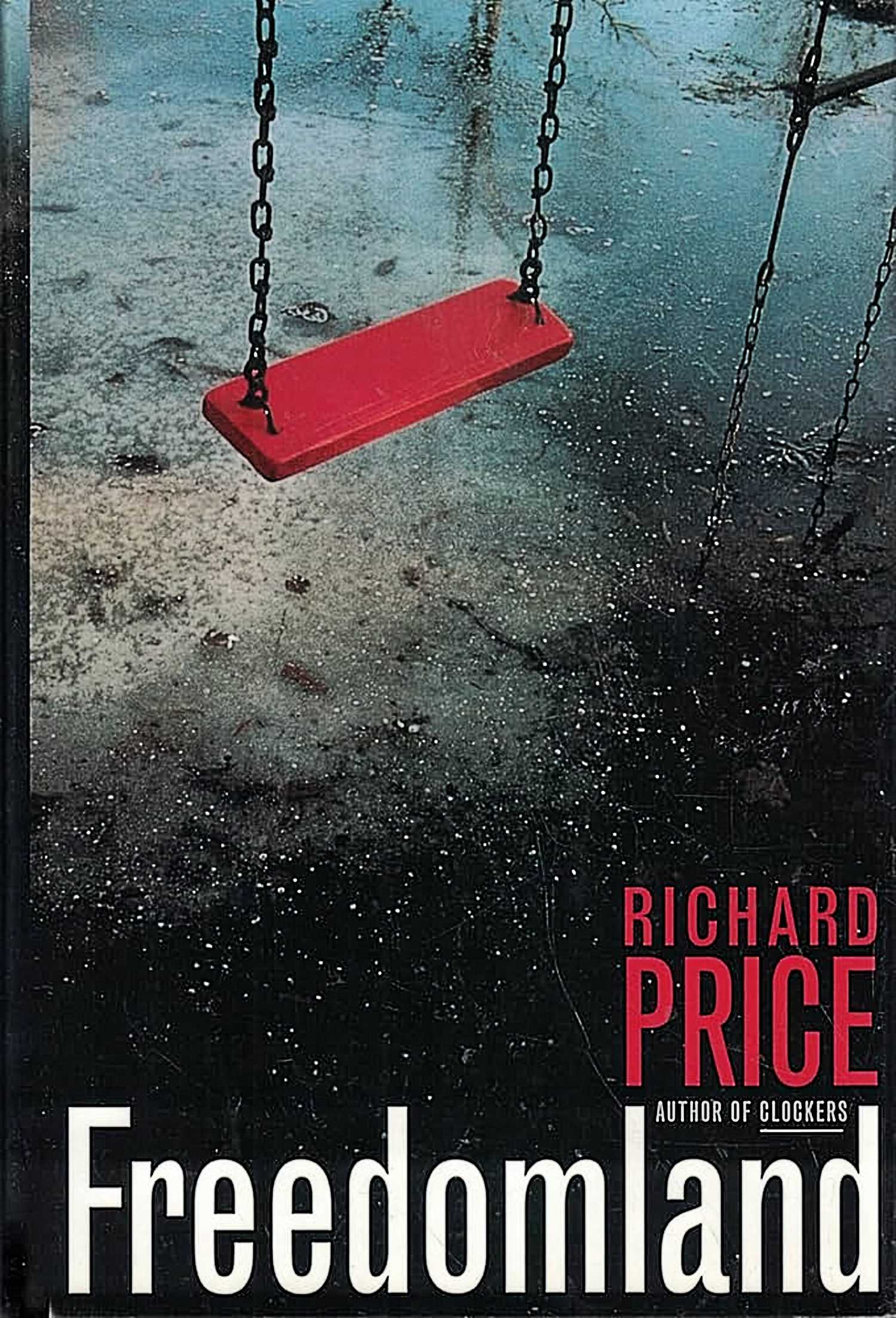
Price's 1998 novel Freedomland takes its name from the abandoned theme park that features prominently in the plot. Like Lehane's Gone, Baby, Gone, the story is driven by a kidnapping, and the case gets more troubling as investigators dig deeper into it. Freedomland features the characteristic density and immersive qualities synonymous with the author's work, and with The Wire.
 Related
20 HBO Shows That Deserve Their Masterpiece Status
From The Sopranos to Six Feet Under to The Larry Sanders Show, these classic HBO shows have more than earned their coveted masterpiece label.
Freedomland has the same "the glory days are past" vibe that became important to the later seasons of The Wire. It's also interested in institutional failing, and the small compromises that compound to add up to that failing. The novel was made into a 2006 Samuel L. Jackson movie, which unfortunately doesn't do the book justice.
Clockers
Richard Price; Published In 1992
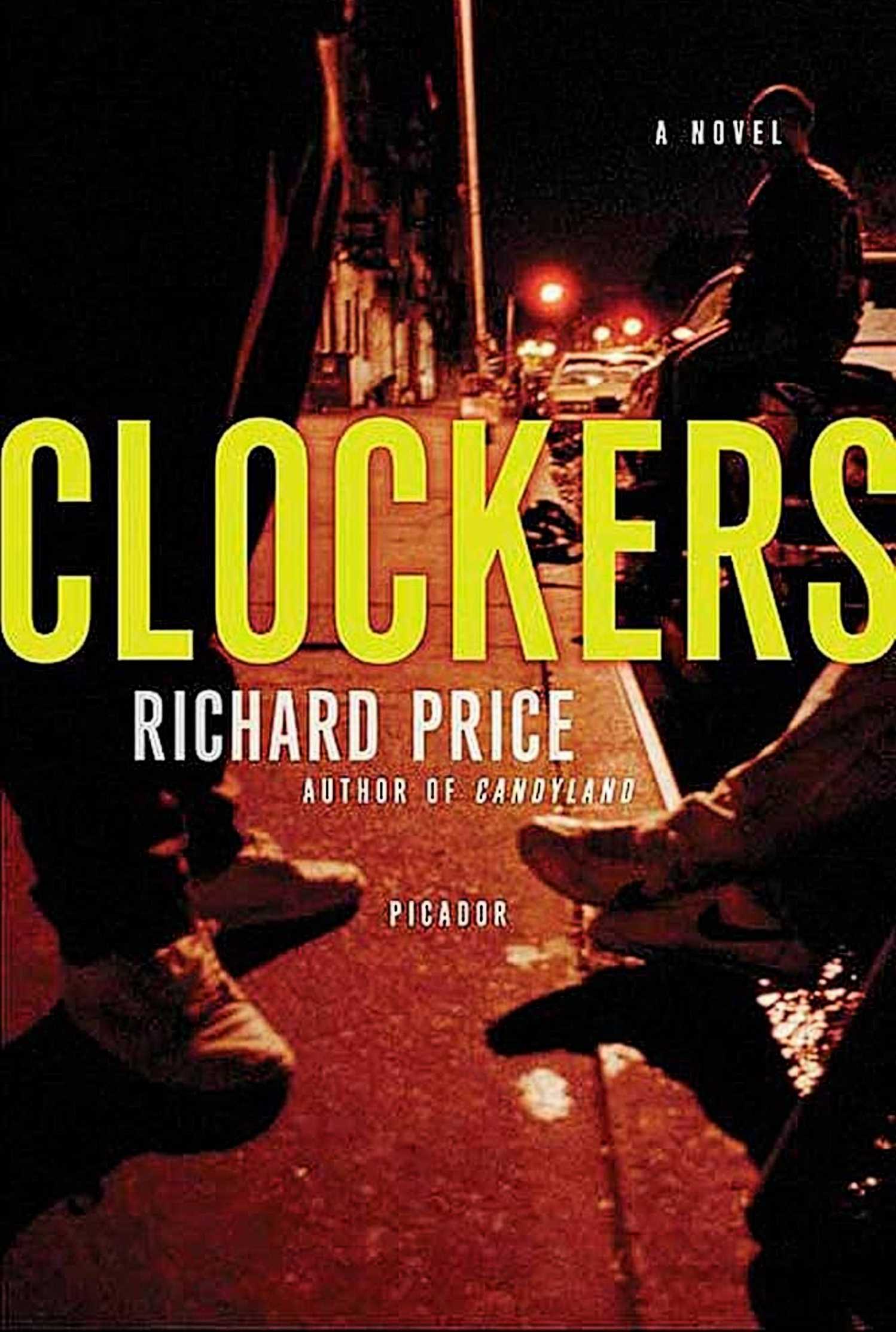
If there is one true literary equivalent to The Wire, it is Richard Price's 1992 novel Clockers. The book is set in the fictional New Jersey city of Dempsey (as is its follow-up, Freedomland), but it could just as easily be The Wire's Baltimore. The street life and drug trade depicted in Clockers is almost identical to what viewers later saw on The Wire.
Spike Lee adapted Clockers into a 1995 movie. Richard Price co-wrote the screenplay, but the book's Wire-like tone and style were largely lost in translation to the screen.
This is because The Wire is based on what creators David Simon and Ed Burns saw as a reporter and police officer, respectively, during the 1980s and '90s. Price did his own "on the ground" research during the same era; he was a few hours north in New York and New Jersey, but the drug game looked largely the same.
Clockers weaves together the story of drug dealers and homicide detectives. Sound familiar? And Clockers isn't just similar in form, but also content. Readers familiar with The Wire will encounter several scenes in Clockers that Richard Price later adapted into his episodes of The Wire. So, the novel is literally source material for the series.
Clockers becomes about a murder, but like The Wire, it's never in a hurry. It never sacrifices its immersive, street-level perspective in favor of hurrying to get to plot. If you're a fan of The Wire, Clockers is the #1 absolute must-read novel from the writers who made the show the legendary, transformative television that it was.
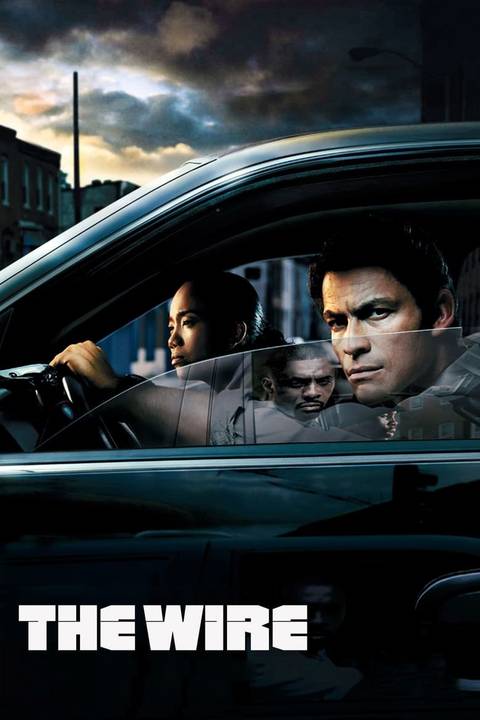
Release Date 2002 - 2008-00-00
Network HBO
Showrunner David Simon
Directors Ernest R. Dickerson, Ed Bianchi, Steve Shill, Clark Johnson, Daniel Attias, Agnieszka Holland, Tim Van Patten, Alex Zakrzewski, Anthony Hemingway, Brad Anderson, Clement Virgo, Elodie Keene, Peter Medak, Rob Bailey, Seith Mann, Christine Moore, David Platt, Dominic West, Gloria Muzio, Jim McKay, Leslie Libman, Milcho Manchevski, Robert F. Colesberry, Thomas J. Wright
Writers Richard Price, Joy Lusco, Rafael Alvarez, Dennis Lehane, David Mills, William F. Zorzi, Kia Corthron
-
Dominic West
Jimmy McNulty
-

Lance Reddick
Cedric Daniels





 English (US) ·