
 Image via 20th Century Studios
Published Jun 23, 2026, 8:55 PM EDT
Remus is a writer, editor, journalist, and author with an eye for detail and an extremely active imagination. He is an enthusiast of everything to do with the graphic medium, whether it's Western comics and their adaptations or manga and anime. Remus is also the author of the sci-fantasy novel Once Upon a Time in Hyperspace and several works of short fiction in the mystery, comedy, and horror genres.
Sign in to your Collider account
Films don’t just become classics because they’re old; they become classics because of their profound significance in cinema history. These films are cultural icons, defining and redefining the genre and becoming catalysts of social and cultural changes that shape life and often the world. From timeless masterpieces like Psycho to modern cult favorites like Fight Club, thriller classics have not only entertained fans but have also served as turning points for their respective subgenres, becoming cinematic and cultural milestones.
These films earned their classic status because of a specific time, techniques, and atmosphere that cannot be recaptured at a later time. While remaking classics can help honor some of the most brilliant works in cinematic history, some films ought to remain untouchable and appreciated for their originality. With that in mind, here’s our handpicked list of classic thriller movies nobody wants to see a remake of.
1 ‘Psycho’ (1960)
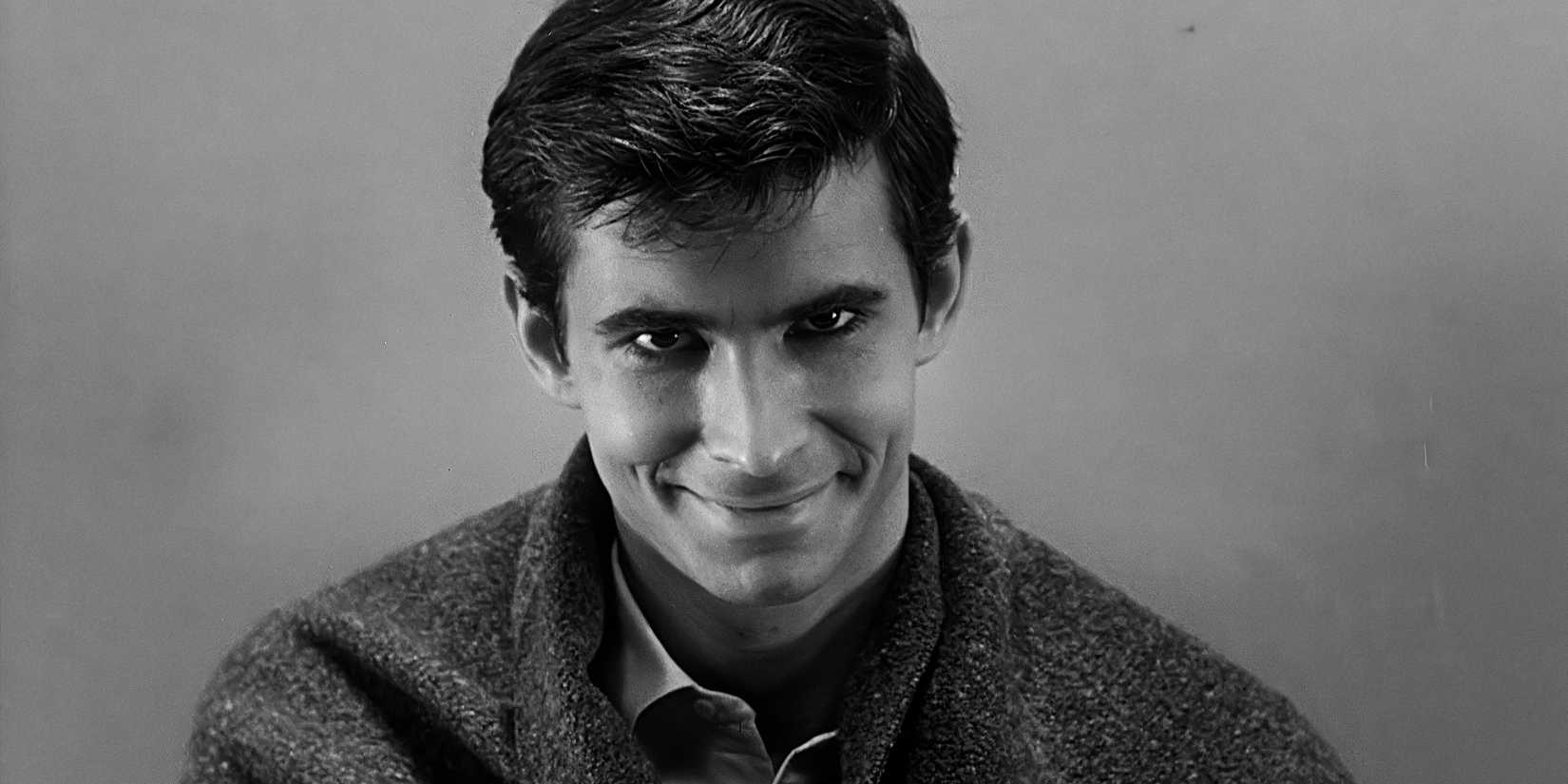 Image via William Creamer - © MPTV
Directed by Alfred Hitchcock and inspired by Robert Bloch’s novel, Psycho revolves around Marion, a young woman who embezzles from her employer and flees town, checking into the secluded Bates Motel run by socially awkward proprietor Norman Bates and his overbearing mother. The events that follow draw Marion’s sister, lover, and a private investigator into a complex web. The film stars Anthony Perkins as Norman Bates and Janet Leigh as Marion, with Vera Miles, John Gavin, and Martin Balsam in key roles.
Over the years, Hitchcock’s timeless horror classic has become one of his most acclaimed and iconic works, pioneering the slasher subgenre. With darker themes, violence, and unpredictability than most movies of the day, Psycho broke all the rules of cinema of its time and became a fundamental agent of change that redefined horror cinema. Not only is it impossible to recapture and recreate Hitchcock’s groundbreaking storytelling and technical genius, but Psycho set the foundation of a major cultural change through cinema that cannot and should not be repeated, as evident from the disastrous 1998 remake.
2 ‘Seven’ (1995)
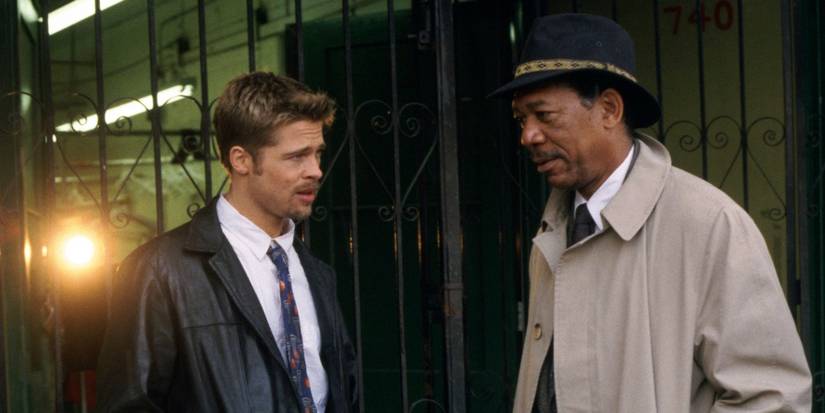 Image via New Line Cinema
A '90s crime thriller classic directed by David Fincher, Seven (or Se7en) follows a young and reckless detective, David Mills, and a disenchanted, almost-retired cop, William Somerset, who are tasked with hunting down a serial killer. As they investigate a string of murders inspired by the biblical seven sins, the detectives find themselves drawn deeper into the case than they ever planned for. Morgan Freeman and Brad Pitt star as the mismatched duo, appearing alongside Gwyneth Paltrow, Richard Roundtree, John C. McGinley, R. Lee Ermey, and Kevin Spacey.
Seven redefined the modern crime noir genre with its dark atmosphere, gritty characters, and one of the most shocking film climaxes of all time. It relies heavily on its masterful cinematography and powerful performances driven by Pitt and Freeman’s distinct chemistry, making their characters synonymous with the film itself, which can never be truly recreated. A remake of Seven would feel too derivative because the film’s story, setting, and performances are a collective product of its era and cannot be revisited through the lenses of a different time.
3 ‘Vertigo’ (1958)
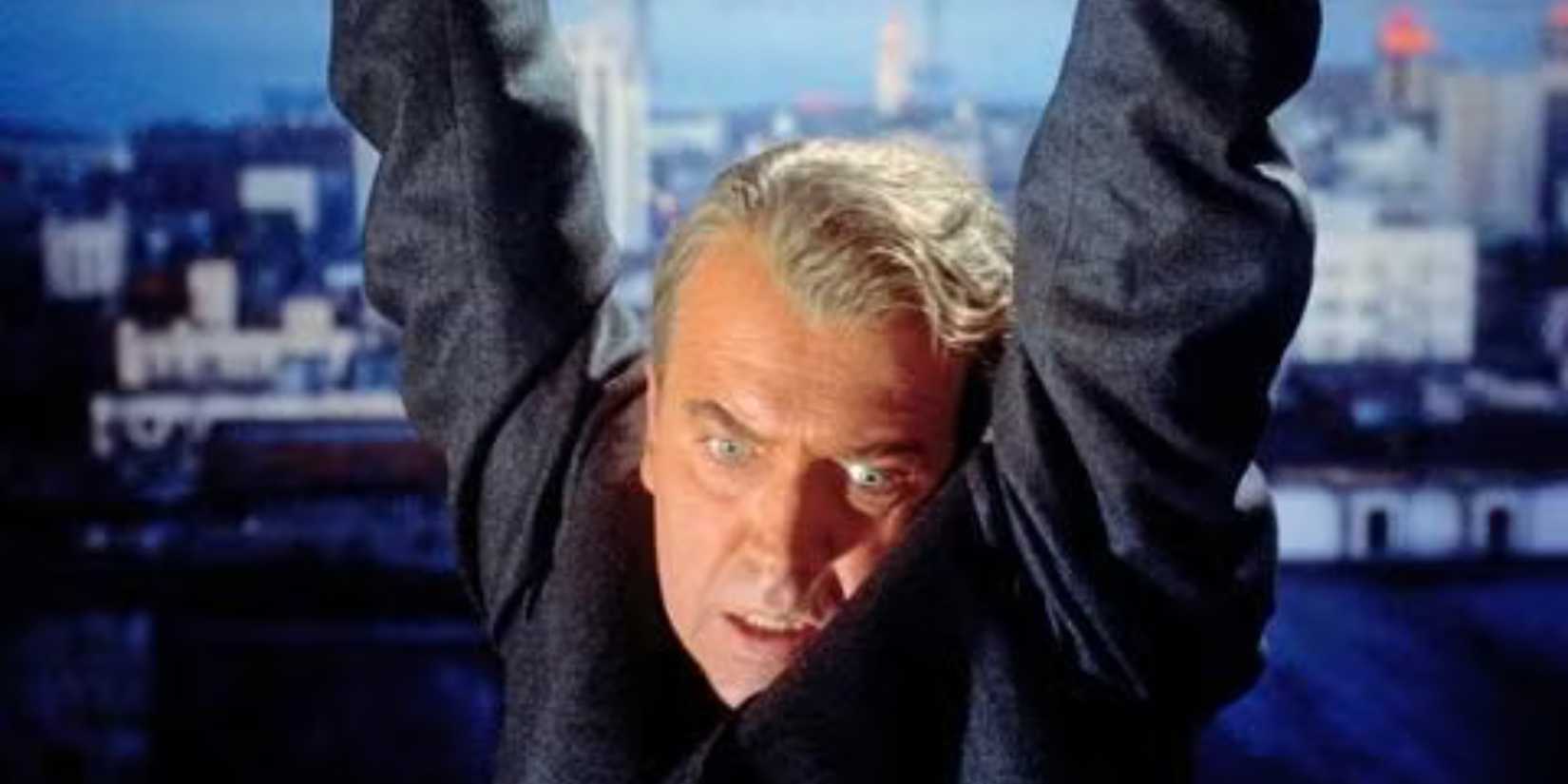 Image via Universal Pictures
Directed by Alfred Hitchcock, Vertigo follows John “Scottie” Ferguson, a former San Francisco police detective suffering from severe vertigo after one of his cases goes horribly wrong. When an old college friend hires Scottie as a private detective to spy on his wife, he finds himself slipping into a complicated emotional and psychological spiral. James Stewart stars in the immortal role of Scottie Ferguson, with Kim Novak, Barbara Bel Geddes, Tom Helmore, and Henry Jones in key roles.
Often considered Hitchcock’s magnum opus, Vertigo is a timeless thriller classic that set new standards for the genre with its distinct vision, which is impossible to duplicate decades later. The filming technique of using visual space to depict the vertigo effect and communicate emotions, coupled with Stewart’s brilliantly played doomed detective, and Novak’s enigmatic, haunting performance, are what collectively made this film a genre classic. A recreation of that exact matrix is not only impossible but will also be just a rehash of the groundbreaking original elements, diluting the legacy and experience of Vertigo as we know it.
Collider Exclusive · Action Hero Quiz
Which Action Hero Would Be
Your Perfect Partner?
Rambo · James Bond · Indiana Jones · John McClane · Ethan Hunt
Five legends. Five completely different ways of getting out alive — with style, with muscle, with charm, with luck, or with a plan so intricate it probably shouldn't work. Ten questions will reveal which action hero was built to have your back.
🎖️Rambo
🍸James Bond
🏺Indiana Jones
🔧John McClane
🎭Ethan Hunt
FIND YOUR PARTNER →
01
You're dropped into a dangerous situation with no warning. What do you need most from a partner? The first few seconds tell you everything about who belongs beside you.
ASomeone who already has three contingency plans running and is calmly working through all of them. BSomeone who reads the terrain instinctively and knows exactly how to use it against the enemy. CSomeone who keeps their nerve and their sense of humour when everything is falling apart. DSomeone who knows the history of wherever we are and what we're walking into. ESomeone with the right contact, the right cover identity, and the right exit already arranged.
NEXT QUESTION →
02
You have to get somewhere dangerous, fast. How do you travel? How you get there is half the mission.
AOn foot through terrain no one else would attempt — I move where vehicles can't follow. BOn a motorcycle, a cargo plane, or anything else that gets me there before I think too hard about it. CIn something that belongs to someone else — borrowed, stolen, or improvised under fire. DFirst class, with a cover identity and a gadget that does something I won't explain until it's needed. EBy whatever means are available — I've driven, flown, and once arrived by camel. The destination matters, not the method.
NEXT QUESTION →
03
You're pinned down and outnumbered. What does your ideal partner do? This is when you find out what someone is really made of.
ADisappears into the environment, flanks them silently, and ends it before I've reloaded. BCracks a one-liner, grabs a fire extinguisher or a chair, and improvises something that somehow works. CProduces a gadget specifically designed for this exact scenario and uses it with infuriating precision. DPulls out a whip, a pistol, and an archaeological insight that somehow gets us out alive. ENeutralises the threat with maximum efficiency and minimum words — they were already three moves ahead.
NEXT QUESTION →
04
The mission is paused. You have one evening to decompress. What does your partner suggest? Who someone is when the pressure drops is who they actually are.
AA bar with terrible lighting, cold beer, and absolutely no questions about feelings. BThe finest restaurant in the city, a bottle of something expensive, and a conversation that is equal parts brilliant and exhausting. CA local dig site, a museum after hours, or a long story about why that particular artefact matters to human civilisation. DPizza. Bad TV. Falling asleep halfway through a movie neither of you were watching anyway. EA debrief that turns into three hours of contingency planning that somehow becomes the most fun you've had all week.
NEXT QUESTION →
05
How do you prefer your partner to communicate mid-mission? Good communication is the difference between partners and a liability.
APrecise and minimal — tell me what I need to know and nothing else. Every word has a cost. BDeadpan and dry — keeping it light keeps me sharp, even when everything is on fire. CEnthusiastic and slightly chaotic — but always with useful information buried somewhere in the noise. DCalm and controlled through an earpiece, with a plan that covers every variable I haven't thought of yet. EBarely at all — silence is a language and they speak it fluently.
NEXT QUESTION →
06
Your enemy is powerful, well-resourced, and has the upper hand. How should your partner approach them? The approach to the enemy defines the partnership.
AInfiltrate their inner circle, learn everything, and dismantle them from inside out before they know we're there. BStudy the historical pattern — every villain of this type has a weakness written somewhere in the past. CGet them talking. The more they monologue, the more time I have to figure out how to beat them. DGo through them. Directly. With as much force as the terrain allows. EFind the one thing they haven't accounted for — there's always one thing — and make sure we're holding it.
NEXT QUESTION →
07
Things go badly wrong and you're captured. What do you trust your partner to do? Who someone is when you need them most is the only thing that matters.
ACome in alone, quietly, and get me out before anyone knows they were there. BHave already been working on the extraction since the moment I disappeared — the plan is already running. CCome in loud, come in fast, and worry about the collateral damage later — I'd do the same for them. DUse every resource, every contact, and bend every rule until I'm out — they don't leave people behind. ECharm their way in somehow, bluff through the hard part, and still manage to look good doing it.
NEXT QUESTION →
08
What does your ideal partner bring to the table that you couldn't replace? A great partner fills the gap you didn't know you had.
ATechnology that shouldn't exist yet and the training to use it under any conditions. BSurvival instinct so refined it borders on supernatural — and the scars to prove it's been tested. CKnowledge of history, language, and culture that makes them invaluable in places where force is useless. DThe ability to walk into any room in the world and immediately become the most trusted person in it. EStubbornness that refuses to accept a situation is hopeless — and the improvisational skill to back it up.
NEXT QUESTION →
09
Every partnership has a cost. Which of these can you live with? No one comes without baggage. The question is whether you can carry it together.
AA partner who never fully switches off — always watching exits, always calculating threats, even at dinner. BA partner who gets the job done brilliantly but has the emotional availability of a locked filing cabinet. CA partner who makes everything ten times more complicated than it needs to be — but who always comes through. DA partner who gets personally attached to every relic, ruin, and artefact we encounter, which slows everything down. EA partner who was not built for this and knows it — but shows up anyway, every time, without being asked.
NEXT QUESTION →
10
It's the final moment. Everything is on the line. What do you need from your partner right now? The last question is the most honest one.
AOne line. Absolutely dry. Delivered like the world isn't ending. Then we move. BNothing said at all — just a look that means we both already know what has to happen. CA plan I don't fully understand that somehow accounts for everything, delivered in thirty seconds flat. DA piece of historical context that reframes the entire situation and tells us exactly what to do next. ESomeone who steps forward instead of back — because that's who they've always been.
REVEAL MY PARTNER →
Your Partner Has Been Assigned Your Perfect Partner Is…
Your answers have pointed to one action hero above all others. This is the person built to have your back — for better or considerably, spectacularly worse.
Rambo
Your partner doesn't talk much, doesn't need to, and will have assessed every threat in your immediate environment before you've finished your first sentence. John Rambo is not a man of plans or politics — he is a force of nature shaped by survival, loyalty, and a capacity for endurance that goes beyond anything training can produce. He will not leave you behind. He has never left anyone behind who deserved to come home. What you get with Rambo is the most capable, most quietly ferocious partner imaginable — one who has been through things that would have broken anyone else, and who chose to keep going anyway. You'll never need to ask if he has your back. You'll just know.
James Bond
Your partner will arrive perfectly dressed, perfectly briefed, and with a cover story so convincing it'll take you a moment to remember what's actually true. James Bond is the most professionally dangerous person in any room he enters — and the most disarmingly charming, which is the point. He operates in a world of layers, where nothing is what it appears and every advantage is used without apology. You'll never be bored. You'll occasionally be furious. But when it matters — when the mission is genuinely on the line and the margin for error has collapsed to nothing — Bond is exactly the partner you want. He has survived things that have no business being survivable. He does it with style. That is not nothing.
Indiana Jones
Your partner will know the history, the language, the cultural context, and exactly why the thing everyone else is ignoring is actually the most important thing in the room. Indiana Jones is brilliant, reckless, and occasionally impossible — but he is also one of the most resourceful, most genuinely knowledgeable partners you could find yourself beside. He approaches every situation with a scholar's eye and a brawler's instinct, which is an unusual combination and a remarkably effective one. He hates snakes and gets personally attached to objects of historical significance, both of which will slow you down at least once. It doesn't matter. What Indy brings is irreplaceable — and the adventures you'll have together will be the kind people write books about. Assuming you survive them.
John McClane
Your partner was not supposed to be here. He does not have the right equipment, the right information, or anything approaching the right odds. He has a sarcastic remark and an absolute refusal to accept that the situation is as bad as it looks. John McClane is the greatest accidental hero in the history of action cinema — a man whose superpower is stubbornness, whose contingency plan is improvisation, and whose capacity to absorb punishment and keep moving would be alarming if it weren't so useful. He will complain the entire time. He will make it significantly more chaotic than it needed to be. And he will absolutely, unconditionally, without question come through when it counts. Yippee-ki-yay.
Ethan Hunt
Your partner has already run seventeen scenarios by the time you've finished reading the briefing, and the plan he's settled on involves at least two things that should be physically impossible. Ethan Hunt operates at the absolute edge of human capability — technically, physically, and intellectually — and he brings the same relentless precision to protecting his partners that he brings to dismantling organisations that shouldn't exist. He is not easy to know and he will never fully tell you everything. But he will carry the weight of the mission so completely, so absolutely, that your job is simply to trust him — and the remarkable thing is that trusting him always turns out to be the right call. The mission will be impossible. He will complete it anyway.
↻ RETAKE THE QUIZ
4 ‘The Godfather' Trilogy (1972–1990)
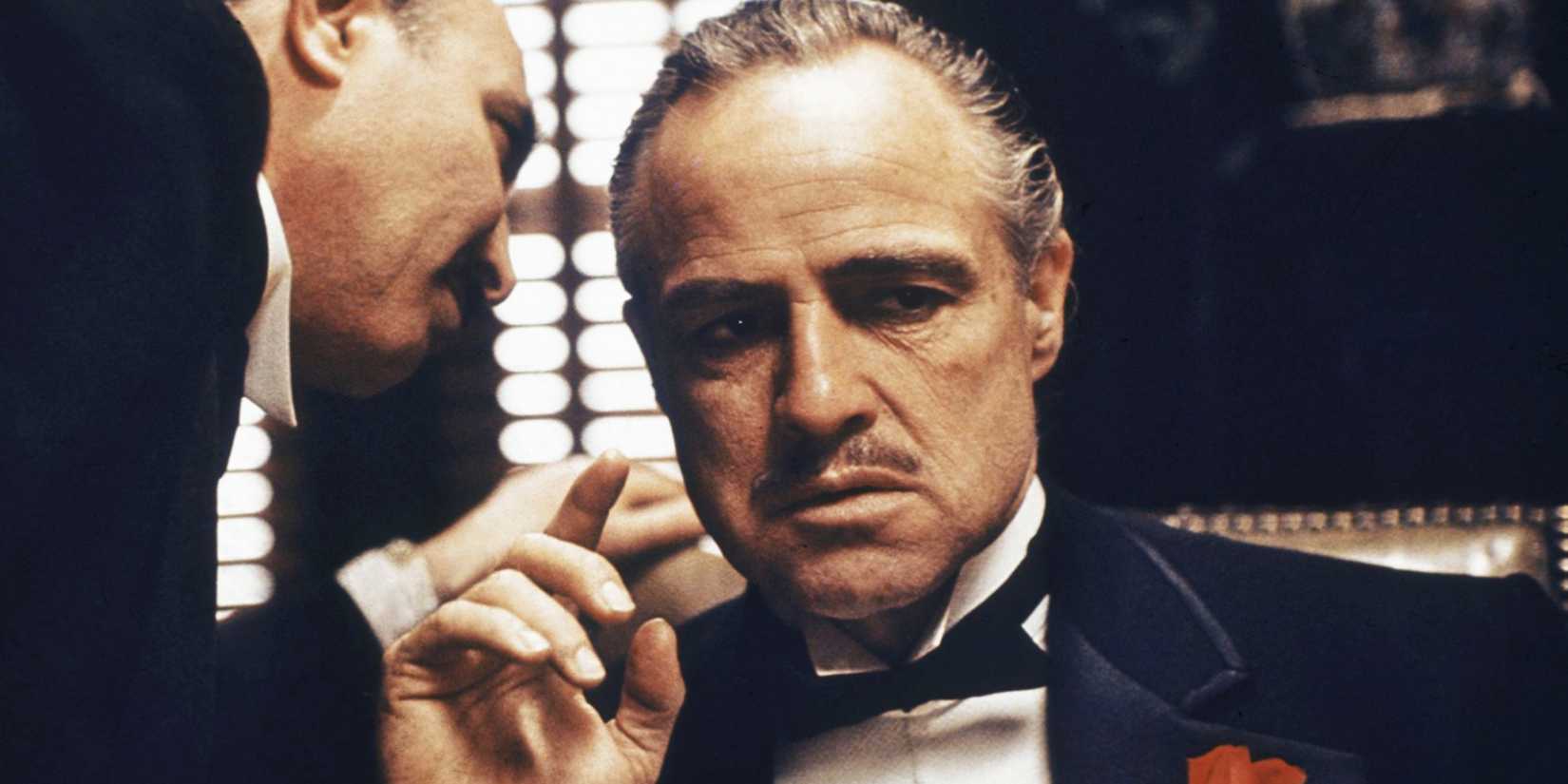 Image via Paramount Pictures
Francis Ford Coppola’s epic gangster trilogy follows the intergenerational saga of the Corleone mafia family, headed by its patriarch, Vito Corleone, a feared and respected figure in the world of New York City’s criminal underworld. The Godfather Trilogy chronicles the transformation of the prodigal son, Michael, from a reluctant heir to his father’s legacy to the ruthless leader of their empire. The star-studded cast includes Marlon Brando, Al Pacino, James Caan, Diane Keaton, Richard Bright, Talia Shire, and Robert Duvall in memorable roles.
A timeless gangster movie masterpiece, The Godfather Trilogy is a defining film of the New Hollywood era. The films’ success, popularity, and legacy result from the once-in-a-lifetime intersection of legendary actors at their peak, the collaborative efforts of the story’s author and the film director, and a perfect three-act tragedy that's complete on its own. The very first gangster saga of its kind, a remake of The Godfather Trilogy would be pointless, and frankly, a stain on the legacy of a major landmark in the cultural and cinematic history of America.
5 ‘The Silence of the Lambs' (1991)
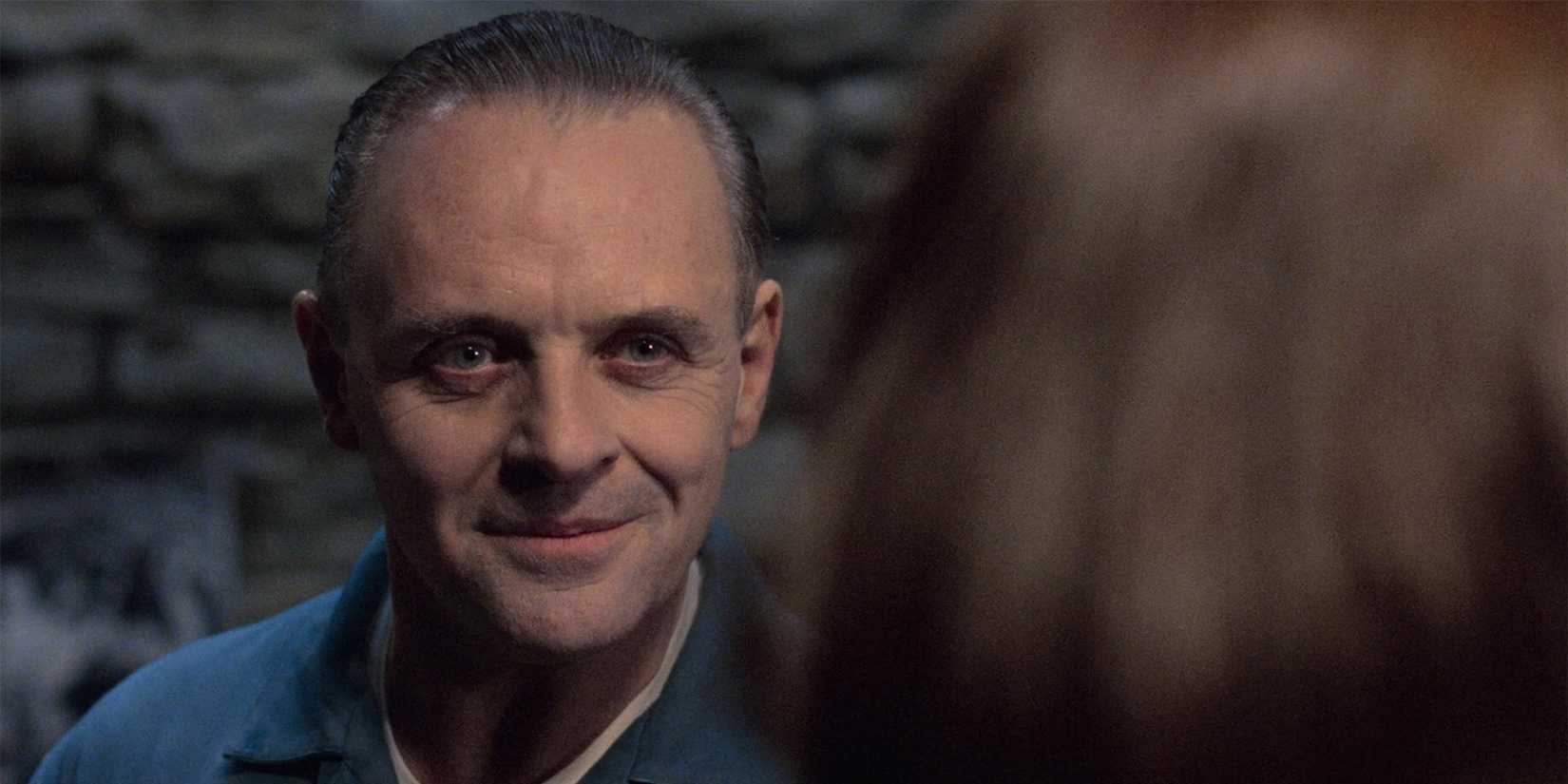 Image via Orion Pictures
Jonathan Demme’s iconic adaptation of Thomas Harris’s novel, The Silence of the Lambs centers on young FBI trainee Clarice Starling, who is recruited into the hunt for a vicious serial killer named Buffalo Bill. To understand him better, Clarice seeks the help of Dr. Hannibal Lecter, a brilliant psychiatrist who also happens to be a cannibalistic serial murderer serving a life sentence. Anthony Hopkins and Jodie Foster star as Hannibal Lecter and Clarice, respectively, with Ted Levine, Scott Glenn, Anthony Heald, and Kasi Lemmons in supporting roles.
The Silence of the Lambs is one of the most influential and groundbreaking horror films of the late 20th century, and as perfect as psychological thrillers can get. This '90s crime classic cannot and should not have a second interpretation since the game of wits, the psychological tension between its characters, and the exact balance of character quid pro quo that comes from Foster and Hopkins’ respective performances cannot be recreated. The premise, the characters, and other factors that made it such a landmark would only seem predictable and repetitive in a remake.
6 ‘Die Hard’ (1988)
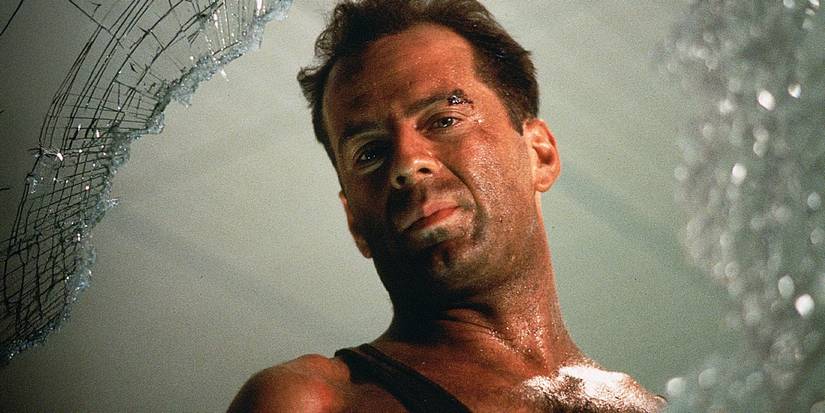 Image via 20th Century Studios
Directed by John McTiernan and based on Roderick Thorpe’s 1979 novel Nothing Lasts Forever, Die Hard follows NYPD detective John McClane, who travels to Los Angeles on Christmas Eve to reconcile with his estranged wife, Holly, and spend the holidays with their children. But soon after arriving at Holly’s office Christmas party, John finds himself entangled in an international terrorist plot that forces him to intervene and save the hostages. Bruce Willis became synonymous with the everyman hero, John McClane, leading a cast that includes Bonnie Bedelia, Alan Rickman, Reginald VelJohnson, Alexander Godunov, and Paul Gleason, among others.
A high-stakes, thrilling romp made with minimal special effects and more practical stunts, Die Hard is unarguably one of the most universally loved action films that lives on and does not warrant a remake. Die Hard is very much a film of its time, where the concept, setting, characters, and their actions, and even the dialogue, are classically '80s, and they would not resonate in the modern landscape, especially the terrorism subplot. Changing such a key element would render the film a watered-down version of an action classic.
7 ‘Pulp Fiction’ (1994)
 Image via Miramax Films
Quentin Tarantino’s second feature film, which he wrote and directed, Pulp Fiction is an independent black comedy crime thriller that chronicles intersecting nonlinear tales of crime, redemption, and morality in '90s Los Angeles. The film follows a wide-ranging cast of eccentric characters: mob enforcers Vincent Vega and Jules; their boss’s wife, Mia; a has-been boxer, Butch; and two petty robbers, Ringo and Yolanda. They are all connected by various wild and violent events. John Travolta, Samuel L. Jackson, Uma Thurman, Bruce Willis, Tim Roth, Amanda Plummer, Christopher Walken, and Ving Rhames star in notable roles.
A film noir masterpiece of the '90s, Pulp Fiction is a product of its time and the director’s homage to cinema history, neither of which can be duplicated. The movie raised the bar for independent cinema, especially thrillers, and redefined the genre with its visual aesthetic and meta-narrative, which became hallmarks of a Tarantino film. Born out of an irreplaceable cultural moment, when '90s indie films combined classic noir with modern urban legends and pulp literature, Pulp Fiction’s unique narrative would lose its postmodern charm if it were to be remade.
8 ‘Fight Club’ (1999)
 Image via 20th Century Fox
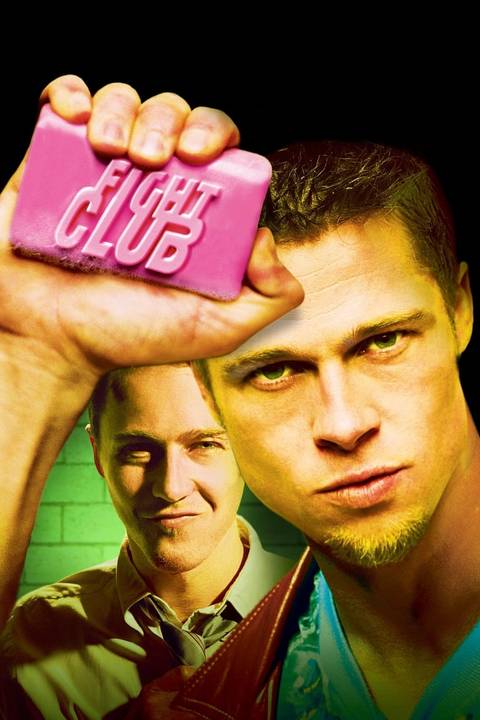
Adapted from Chuck Palahniuk’s book by David Fincher, Fight Club centers on an anonymous protagonist, only known as The Narrator, who despises his life and society as a whole. When he meets Tyler Durden, an erratic soap salesman, and co-founds the titular social group, his life takes a violent and dangerous turn. Brad Pitt and Edward Norton star as Tyler and the Narrator, respectively, in what became two of their most defining roles, with Helena Bonham Carter, Meat Loaf, Holt McCallany, Jared Leto, and Zach Grenier in supporting roles.
With Pulp Fiction, Fincher depicts a dark and daring translation of Palahniuk’s novel, drawn from the particular social and cultural landscape, which is delivered brilliantly through Brad Pitt’s phenomenal performance. A story about late-'90s excess consumerism and corporate disenchantment, Fight Club is not a film that can ever be recreated as is. While the film’s themes and motifs still hold relevance today, a reboot of the same for the modern landscape, whether set in a different era or the present, would ultimately feel more sanitized and diluted, depriving it of the historical zeitgeist that makes the movie such a sharp social satire.
Fight Club
Release Date October 15, 1999
Runtime 139 minutes
Writers Chuck Palahniuk, Jim Uhls




 English (US) ·