
Although several sci-fi shows feature worlds that are beyond our imagination, the best in the genre are those that dissect topics that are at the forefront of humanity. Science fiction has always been a multifaceted genre. A show about space exploration can easily delve into themes about consciousness, identity, and free will. In fact, some of the most enjoyable sci-fi series are more than what they present on the surface. They are deep, philosophical, and thought-provoking in more ways than one.
Science fiction shows like Black Mirror have the uncanny ability to make audiences examine what humanity considers progress, while others like The OA are a mesh of science and spirituality. The very best sci-fi shows, however, are those that are very much like philosophy in that they don’t provide simple answers. Their greatest quality is that they invite audiences to come up with their own conclusions from their viewing experiences.
Sure, space battles and futuristic technology are great, but a series needs to have substance to remain truly memorable. Through alien civilizations, artificial intelligence, and time travel, these philosophical sci-fi shows depict themes that are central to the human condition.
Westworld (2016–2022)
 John P. Johnson / ©HBO / courtesy Everett Collection
While many are still not over how Westworld fumbled its storyline, it doesn’t take away the fact that it was a show with important themes. The sci-fi series takes place in a futuristic theme park populated by lifelike androids called hosts. Human visitors enter the park to live out fantasies, which are more often than not violent or immoral, without consequences, since the hosts are programmed to reset after every interaction. Like any society built upon the pain of others, things in Westworld begin to change when some hosts start gaining self-awareness.
As humans, we are made to believe that we have free will. What Westworld does so well is question whether androids should also be extended that grace. Initially, the hosts are nothing more than machines that are designed to follow scripted loops without deviation. However, as the story unfolds, these artificial beings begin to evolve in ways their creators never fully anticipated.
Free will and the nature of consciousness are just the tip of the iceberg in Westworld. The series also explores creation, exploitation, and what it means to be alive. Like Jean-Paul Sartre's philosophy of freedom, Westworld examines who the hosts would be if they weren’t shackled to the whims of their creators.
Black Mirror (2011–Present)
 Image via MovieStillsDB
Of all the sci-fi shows currently on TV, Black Mirror is probably the most important because of how closely it mirrors today’s world. As an anthology series, Black Mirror tells a different story in each episode about technology and its impact on human life. Although the entries in the Netflix show seem very speculative, Black Mirror is, at its core, a cautionary tale about how innovation can reshape what makes us human.
Every episode of Back Mirror features important themes, from ethical dilemmas to self-worth. For instance, “San Junipero” explores the idea of immortality and delves into whether a simulated afterlife can replace real-life experiences. Perhaps what makes Black Mirror such a great show is how it isn’t afraid to make its audience uncomfortable. By holding up a dark reflection of our own world, the show forces viewers to confront truths about dependence on technology and our place in the universe.
The OA (2016–2019)
 photo: JoJo Whilden / ©Netflix / Courtesy: Everett Collection
At the center of The OA is Prairie Johnson, a young woman who mysteriously returns home after missing for seven years. Despite having been blind before her disappearance, she can now see. Calling herself the OA, which stands for Original Angel, she gathers a group of outsiders and begins telling them what happened to her during her disappearance.
Much like many topics in philosophy, The OA doesn’t give clear answers to its central mystery. Using Prairie’s near-death experience, the series delves into consciousness, morality, and how they can be entangled with science. Prairie’s story is more about spiritualism, while Hap’s experiments on those with near-death experiences raise ethical and philosophical dilemmas about the pursuit of knowledge at the cost of human suffering.
Undone (2019–2022)
Prime Video’s best science-fiction show is obviously The Expanse, but Undone is a close second. The show follows Alma, a young woman who, after a near-fatal car accident, begins to experience time in a non-linear way and discovers she may have the ability to move through it. Guided by visions of her deceased father, she attempts to use these powers to uncover the truth behind his death.
Many things make Undone such a remarkable show, but its best quality is the fact that it never confirms whether Alma’s abilities are real or a result of mental illness. The Prime Video series brilliantly examines reality and makes its audience think about what is real and what is not and whether they can trust their perception of the world.
Dark (2017–2020)

Netflix’s library is filled with several mind-bending shows, and Dark is the best of them all. The science fiction series begins with a fairly simple premise about a child who mysteriously disappears, but it turns into so much more. As the series progresses, it becomes a story about the past, present, and future and how they are connected through a complicated cycle of events that repeats across generations.
Dark challenges the traditional idea that humans move freely through time by presenting a world where the past, present, and future influence each other. The series explores a chilling idea about humanity’s ability to make choices. However, the core of Dark is, in many ways, about existentialism and the meaning of life.
Battlestar Galactica (2004–2009)
 Image via MovieStillsDB
A space opera doesn’t seem like the type of series that could get philosophical, which is why Battlestar Galactica is so impressive, as it balances deep topics with the adventure of space exploration. The series begins after a devastating attack by the Cylons, artificial beings created by humanity who destroy most of human civilization, leaving only a small group of survivors aboard a fleet of spacecraft led by the aging warship Galactica. The survivors search for the planet Earth while trying to rebuild society and survive in a dangerous world.
Artificial intelligence is a topic that many sci-fi stories try to unpack. More often than not, non-sentient beings are portrayed as the bad guys who destroy the world and humans as the good guys who they unjustly target. Battlestar Galactica, however, is more nuanced. The series intimately examined the ethical questions surrounding intelligent machines. The Cylons were created as tools by humans but eventually became a sentient species with their own goals and beliefs. If machines become self-aware and have feelings, does that make them human? Or is humanity defined by something other than emotions?
Severance (2022–Present)
 MovieStillsDB
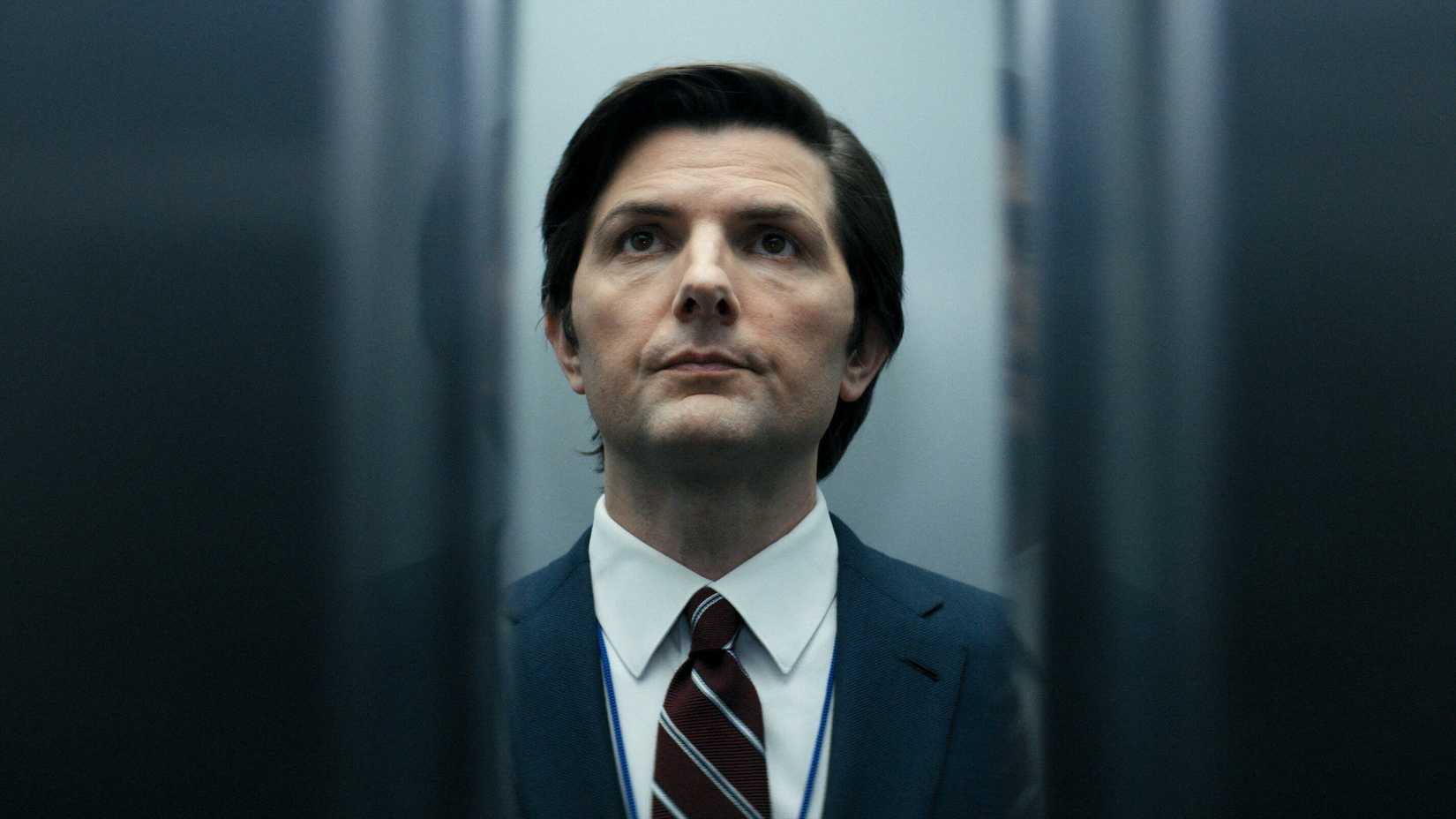
In Apple TV’s hit science fiction series, Severance, Mark Scout is an employee at the mysterious company Lumon Industries. Mark’s life, however, is far from normal. He undergoes a severance procedure that surgically separates his work memories from his outside memories. This creates two different versions of himself: his “innie,” who only exists inside the workplace and knows nothing about his personal life, and his “outie,” who lives outside the office and has no memory of what happens at work.
While Severance has a great mystery, it’s really a show about identity. Since Mark’s memories and those of others working at Lumon are divided, who are they really, since knowledge of our past is what defines us? By creating two versions of each employee, Severance challenges what we think about identity. Mark’s innie and outie share the same body but have completely different experiences.
Pluribus (2025-Present)
 Via MovieStillsDB
Vince Gilligan’s Pluribus is another great addition to Apple TV’s science fiction offerings. The show centers around Carol Sturka, a romantasy author who becomes one of the few people immune to a mysterious event that transforms most of humanity into a peaceful, connected collective consciousness. While the world appears to become a utopia where conflict, suffering, and loneliness disappear, Carol sees something disturbing.
In Pluribus, the hive mind creates a world where people no longer experience suffering, but they also lose the unique perspectives and personalities that make them human. The sci-fi show tries to answer what is best for humans between individualism and collectivism. Essentially, both ideas have advantages and disadvantages, and the audience has to decide which one they prefer.





 English (US) ·