
Clint Eastwood had already conquered Hollywood several times over before most of the movies on this list were made. By the mid-1990s, he had established himself as a Western icon, reinvented the American action hero, and won Academy Awards for directing and producing Unforgiven. Remarkably, some of his finest work was still ahead of him.
Over the past 30 years, Eastwood has built an extraordinary second act as a filmmaker, directing everything from devastating crime dramas to intimate character studies and ambitious war movies. He's also delivered several memorable performances, often playing men confronting the consequences of decisions made decades earlier.
The evolution has been fascinating. Where earlier films frequently explored violence through larger-than-life characters, Eastwood's later work tends to examine its emotional aftermath. Even his greatest Westerns suggest an interest in the difference between Hollywood heroism and the considerably messier reality of human behavior.
Not every project has been a triumph, of course. But few filmmakers have remained as productive or unpredictable across such an extraordinary career. His accomplishments include multiple Academy Awards, commercially successful historical dramas, and several essential movies that have become defining achievements of 21st-century cinema.
For this ranking, only films released within the last 30 years qualify, whether Eastwood appeared on screen, worked behind the camera, or did both. That excludes earlier classics like Unforgiven and The Bridges of Madison County, while leaving an impressive collection of movies that demonstrate why his legacy extends far beyond the Man with No Name.
8 Sully (2016)
An airplane landing safely on New York's Hudson River sounds like an extraordinary enough premise for a movie, but Clint Eastwood finds the real drama in what happens afterward. His 2016 film Sully stars Tom Hanks as Captain Chesley Sullenberger, whose emergency landing of US Airways Flight 1549 saved all 155 people aboard. Rather than simply celebrating the achievement, the story examines the investigation and psychological pressure surrounding the incident.
Hanks brings his familiar understated authority to the role, while Eastwood creates considerable suspense around an event whose outcome everyone already knows. Some of the film's portrayal of the official investigation has been criticized for exaggerating its adversarial nature, but the central performance remains exceptional. Among the best collaborations between Tom Hanks and major Hollywood directors, Sully demonstrates Eastwood's ability to find compelling human drama within a relatively straightforward historical event.
7 Changeling (2008)

Angelina Jolie delivers one of her most devastating performances in Changeling, Eastwood's 2008 historical crime drama inspired by events in 1920s Los Angeles. She plays Christine Collins, a single mother whose young son disappears, only for the police to return a boy who she insists is not her child. Her increasingly desperate attempts to challenge the authorities expose disturbing institutional corruption.
Eastwood's restrained direction allows Jolie's grief and frustration to command the screen, particularly as Christine discovers how little power she possesses against officials determined to protect their reputations. The film's period setting provides an elegant visual contrast to its horrifying subject matter. Among cinema's most compelling missing-person mysteries, Changeling stands out for examining the devastating consequences of a system more concerned with appearing successful than discovering the truth.
6 American Sniper (2014)
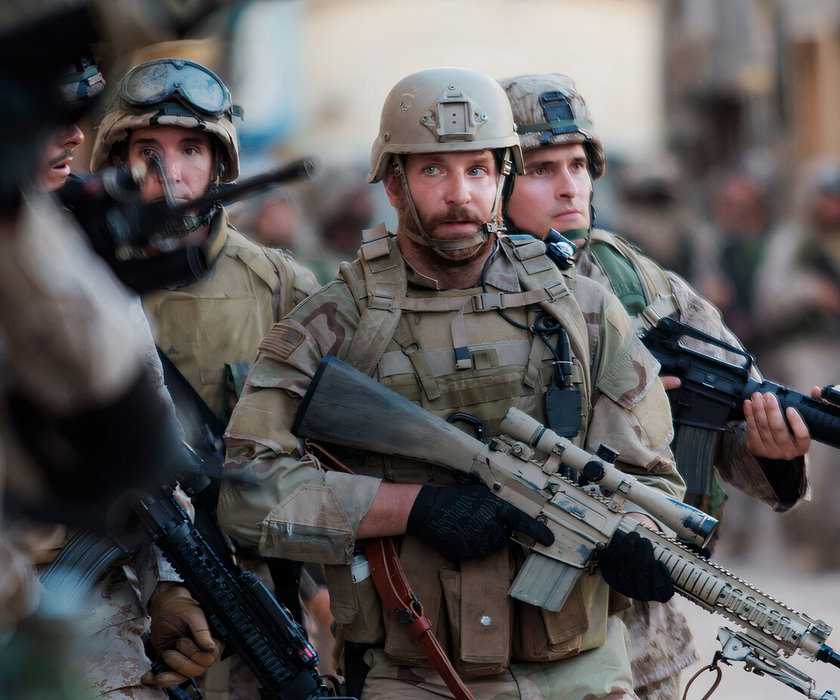
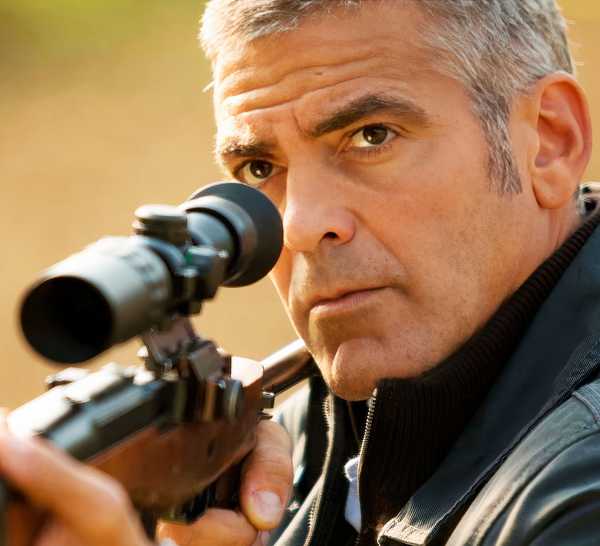
Bradley Cooper underwent an extraordinary transformation to portray Navy SEAL Chris Kyle in Eastwood's American Sniper. Released in 2014, the biographical war drama follows Kyle's military service in Iraq and the increasingly difficult adjustments required when he returns to civilian life. Cooper's physically imposing performance captures a soldier whose battlefield confidence cannot protect him from the emotional consequences of combat.
The film became an enormous commercial success, although its portrayal of Kyle and the Iraq War generated considerable debate. Eastwood approaches much of the material through the protagonist's perspective, making the disconnect between his military identity and family life central to the narrative. Whatever viewers make of the film's politics, Cooper delivers an intensely committed performance, while the combat sequences demonstrate Eastwood's formidable command of suspense and action.
5 Juror #2 (2024)

At an age when most directors have long since retired, Eastwood delivered one of his most intriguing thrillers with 2024's Juror #2. Nicholas Hoult stars as Justin Kemp, a family man selected for jury duty in a high-profile murder trial. As the evidence unfolds, Justin begins to suspect that he may have been responsible for the victim's death, placing him in an impossible moral predicament.
The premise allows Eastwood to revisit familiar questions about justice, guilt, and personal responsibility without supplying comfortable answers. Hoult is excellent as a man who recognizes the consequences of telling the truth but cannot escape the implications of remaining silent. As ScreenRant's Juror #2 review explores, the film's moral ambiguity is its greatest strength. Its deliberately unresolved tensions demonstrate how effectively Eastwood can still challenge audiences with deceptively simple storytelling.
4 Gran Torino (2008)
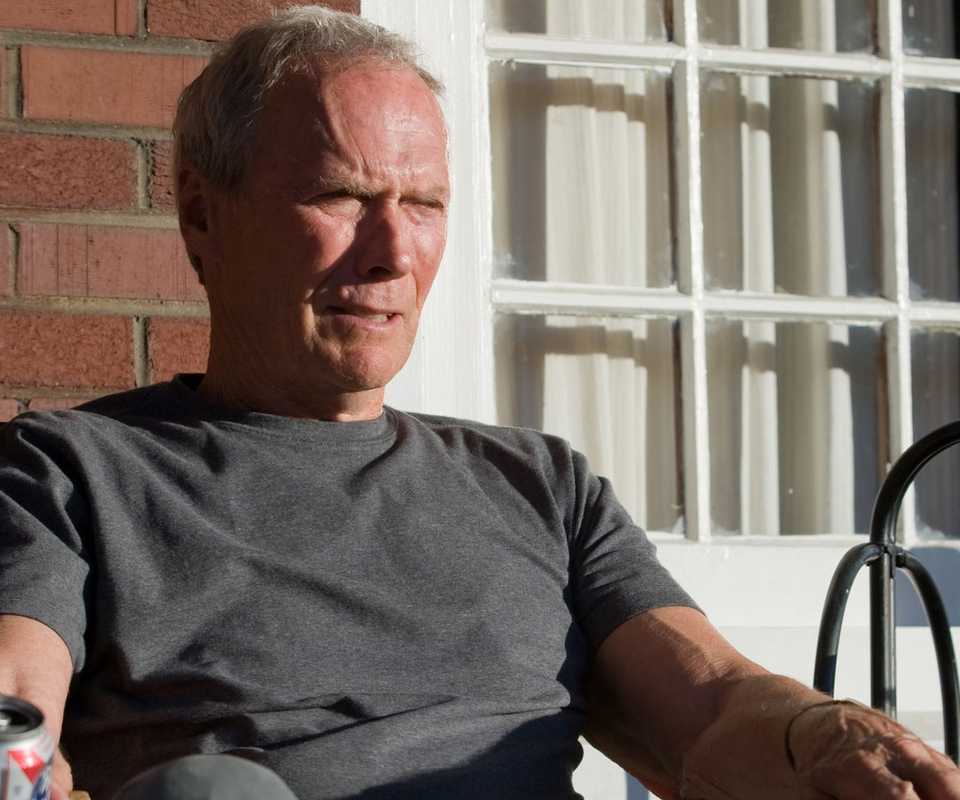
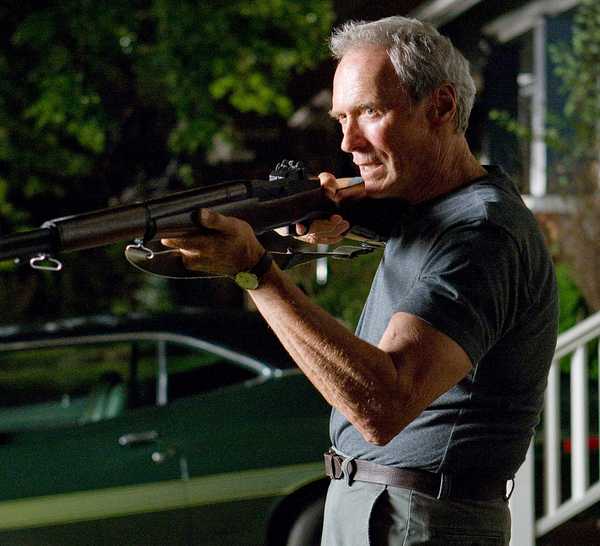
Clint Eastwood returned to the director's chair and the screen for Gran Torino, playing Walt Kowalski, a bitter Korean War veteran living in a changing Detroit neighborhood. Estranged from his family and hostile toward his Hmong neighbors, Walt reluctantly develops a friendship with teenager Thao Vang Lor (Bee Vang) after a local gang attempts to recruit him.
Eastwood's performance draws upon the intimidating screen persona he spent decades perfecting, only to expose the prejudices and emotional limitations lurking beneath it. Some of the film's racial dialogue and characterizations remain uncomfortable, but Walt's gradual transformation gives the story considerable emotional weight. Among Eastwood's greatest movie characters, Walt stands out because his final act challenges the audience's expectations of how a traditional Eastwood hero should resolve a violent confrontation.
3 Letters From Iwo Jima (2006)
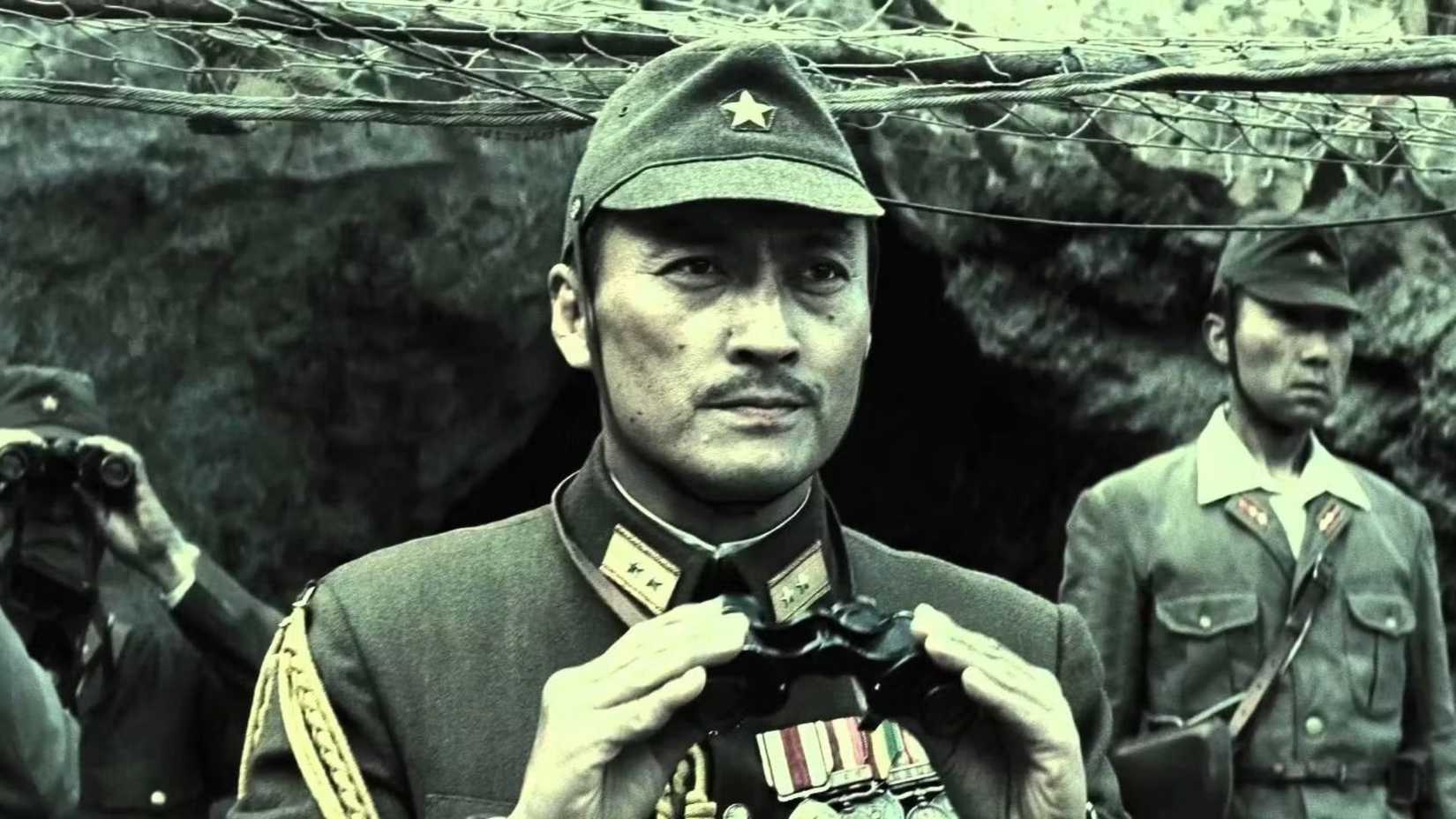
In 2006, Eastwood undertook an unusually ambitious filmmaking project by depicting the Battle of Iwo Jima from opposing perspectives. Flags of Our Fathers examined the American experience, while Letters from Iwo Jima explored the battle through the eyes of Japanese soldiers. The latter, filmed primarily in Japanese, emerged as one of the director's most extraordinary achievements.
Ken Watanabe delivers a deeply affecting performance as General Tadamichi Kuribayashi, whose soldiers confront the increasingly hopeless prospect of defending the island. Eastwood treats them as complicated individuals rather than anonymous enemies, revealing their fears and personal sacrifices without romanticizing warfare. As demonstrated by the historical accuracy of his two Iwo Jima movies, the director was determined to explore an event too often reduced to a single national perspective. The result remains among his most emotionally powerful films.
2 Mystic River (2003)

Eastwood assembled an extraordinary cast for 2003's Mystic River, an adaptation of Dennis Lehane's acclaimed crime novel. Sean Penn, Tim Robbins, and Kevin Bacon play childhood friends whose lives were permanently altered by a traumatic event. Decades later, the murder of Jimmy Markum's daughter reunites the men, exposing buried suspicions and unresolved psychological wounds.
The film's tremendous power comes from its understanding of how violence can reverberate through generations. Penn's grief-stricken performance earned him an Academy Award, while Robbins won Best Supporting Actor for his portrayal of the deeply damaged Dave Boyle. Eastwood directs with remarkable control, allowing small exchanges and uncomfortable silences to carry enormous significance. The devastating ending of Mystic River leaves audiences confronting the consequences of decisions that cannot be undone, making it one of the finest crime dramas of the 21st century.
1 Million Dollar Baby (2004)

Eastwood's greatest film of the last 30 years begins with a familiar sports-movie premise before becoming something infinitely more complicated. In 2004's Million Dollar Baby, Hilary Swank plays Maggie Fitzgerald, an aspiring boxer determined to escape her difficult circumstances. Eastwood portrays Frankie Dunn, a reluctant trainer whose growing affection for Maggie transforms their professional relationship into something resembling a family.
What initially appears to be an inspirational underdog story gradually develops into a devastating examination of love, sacrifice, and moral responsibility. Swank is extraordinary, while Morgan Freeman provides warmth and perspective as Frankie's longtime friend, Eddie "Scrap-Iron" Dupris. The film won four Academy Awards, including Best Picture, Best Director, Best Actress, and Best Supporting Actor. Ultimately, Million Dollar Baby earns the top spot because it combines Eastwood's finest instincts as both actor and director, delivering an unforgettable emotional experience that becomes more affecting with every viewing.

Release Date December 15, 2004
Runtime 132 minutes
Writers Paul Haggis
-

-

Hilary Swank
Maggie Fitzgerald




 English (US) ·