

Published Jul 15, 2026, 11:57 PM EDT
Dani Kessel Odom (they/them) is an autistic lead writer and TV critic who covers sci-fi shows like Doctor Who and Pluribus, fantasy shows like The Magicians and Percy Jackson, and horror of all kinds. They also cover Marvel and DC TV shows and movies, with a robust knowledge of comic books. Their TV reviews can be found on Rotten Tomatoes.
Dani is also part of ScreenRant's books team, using their fiction writing and literature studies as the backbone for their book analyses.
They have covered events, such as the Denver Fan Expo. Professionals in the field, such as Damien Leone and Lucy Hale, have shared their articles. Their review of Ponies was quoted in the show's TV trailer.
In university, they majored in English Writing with a minor in psychology. They have always had a passion for analyzing TV and movies, even taking filmography and scriptwriting classes in university. They also studied and participated in onstage and onscreen acting extensively from the ages of 7 to 18.
Aside from working at Screen Rant, Dani has worked as a freelance editor and writer over the past decade, often in a ghostwriting capacity.
These seven sci-fi shows have flawless time travel rules and apply them consistently. Time travel is incredibly difficult to nail in any type of story, but TV shows make the sci-fi device even more difficult. Because the shows last for longer periods, there is more room for error. A show can establish perfect logic and rules in season 1, only to completely break them down later.
It takes incredibly careful planning to remain consistent throughout an entire TV series, which is why even the best time-travel shows still have minor errors. If you're eager to watch a time travel series that makes sense and has strong logic, these seven TV shows will do the trick.
Travelers

The sci-fi TV show Travelers follows a team of FBI agents from a post-apocalyptic future who figure out how to send consciousness to the past, placing the operatives in the bodies of people about to die, using an AI called the Director. This prevents major changes to the timeline and prolongs the host body’s life. They can’t jump from time to time. Once they are sent back, they’re locked in until the person whose body they’re inhabiting dies, whether that be a few days or decades.
A major source of tension is that they have to pretend to be someone else entirely, lest they get caught. Unlike other shows, there isn’t a multiverse either. Changes to the past rewrite the entire timeline, meaning the director is constantly readjusting the plans. All the operatives are held to moral rules. Namely, they cannot kill someone or save someone’s life unless they’re directly ordered to.
The Lazarus Project
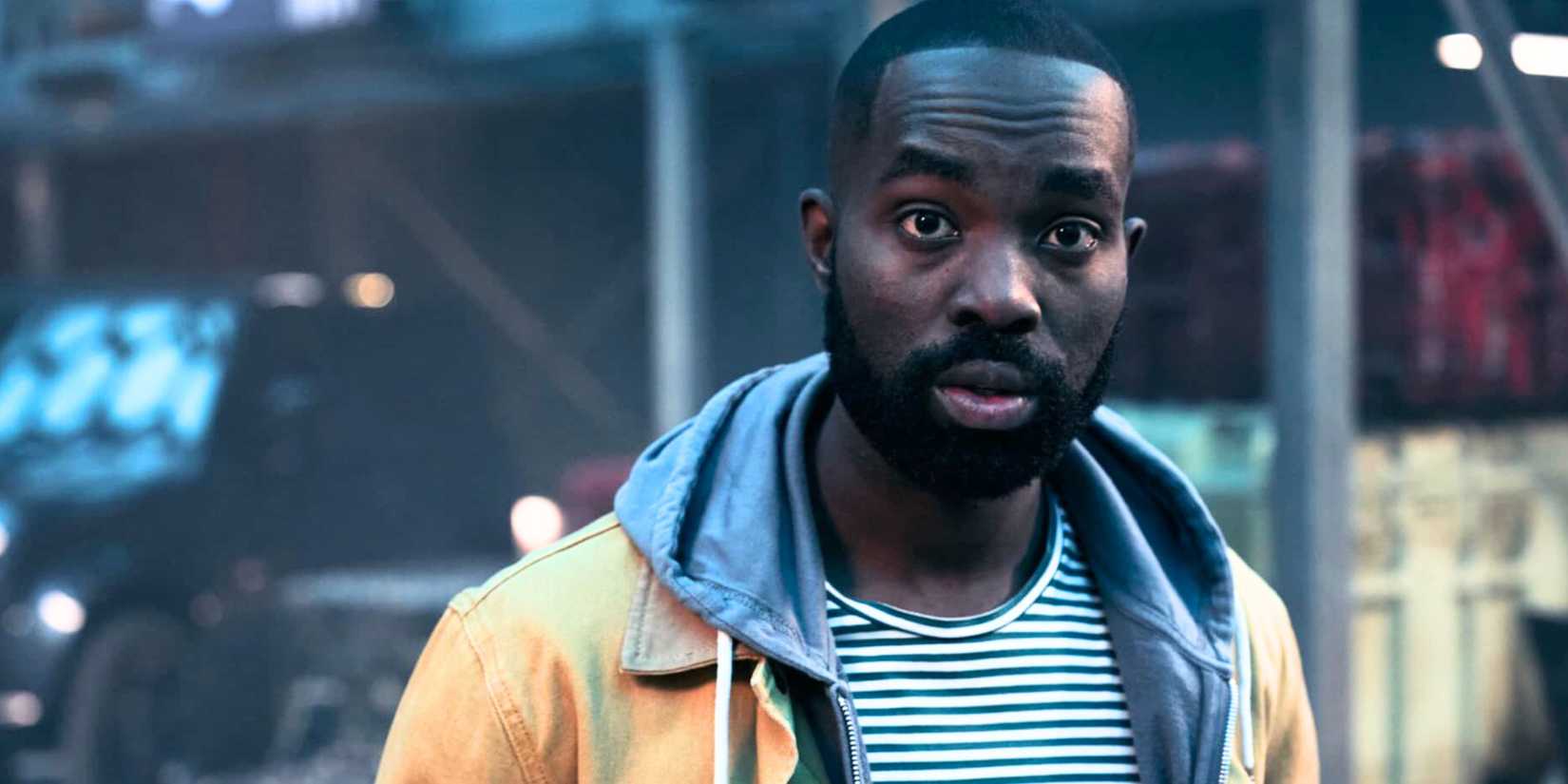
The forgotten sci-fi TV show The Lazarus Project has a Groundhog Day-like premise and surprisingly consistent time-travel rules. In the TV show, a secret government operation can harness a time loop that resets the world to the most recent July 1, with only a few individuals who have specific genes or take a serum retain their memories of the past. Any time an extinction-level event occurs, they reset it in hopes of preventing the catastrophe.
However, this comes with some major catches. While they keep their memories, their physical bodies revert to how they were on that day. Additionally, they have to live through numerous traumatic events with the knowledge that it could mean nothing, should the timeline get reset. Things get a little more complex in The Lazarus Project season 2, when true time travel is introduced. The time loop from Lazarus has to compete with a time machine from the Time Break Initiative.
Link Click

The Chinese animated superhero TV show Link Click centers on two men, Cheng Xiaoshi and Lu Guang, who can use photographs as portals to travel back in time. Lu Guang can see what happened from looking at a photo and enter the timeline, and Cheng Xiaoshi can travel back in time, taking the place of the photographer. They get paid by clients to gain important information.
Luckily, audiences don’t have to guess at the time travel rules, as they’re laid out in the first episode. They only get 12 hours in the past. Cheng Xiaoshi must follow Lu Guang’s instructions. Additionally, and most importantly, they can’t interfere in the events. Unlike other shows that bend the rules, Link Click is strict about the fact that changing the past has lasting consequences. Small changes while they’re in the past have lasting consequences. Additionally, when they break the rules and intentionally intervene, they’re forced to live with the consequences.
Loki

The TV show Loki was one of the most successful MCU TV projects to date, and it’s a surprisingly great time travel show with consistent internal rules and logic. Taking place after the Time Variance Authority arrests Loki, the character is given the choice between being erased from existence and helping to take down a rogue variant of himself named Sylvie. Before I dive into the specifics of time travel, I want to be very clear that I’m not talking about the whole of the MCU here. I am discussing Loki as a singular entity.
In this TV show, the Time Variance Authority can actually change the past without creating a new part of the multiverse because they exist and move outside of time itself. Their actions have direct consequences. They spend the first season trying to preserve the Sacred Timeline from Sylvie, but they change course in the second season. Luckily, the story direction makes sense, and they put in a clear effort to make Loki an amazing sci-fi show.
Sagrada Reset
A teen girl named Misora Haruki has the ability to reset time, going back exactly three days. She meets a teen boy named Kei Asai, who has a photographic memory, allowing him to remember everything from previous timelines. The two work together to solve mysteries. The premise sounds simple enough, but it’s constrained by strict rules, setting it apart from many other time travel TV shows.
Hiruki can only go back 72 hours, and she must declare when she wants to save. A saved timeline can be returned to only once, and she can save once every 24 hours. As such, she cannot go back to the same day time and time again. Once she goes back in time, she cannot remember anything from the previous timeline. The mechanics are sacrosanct, even when it’s inconvenient for the characters. The anime doesn’t just add a bunch of rules to make it easier or benefit the narrative.
12 Monkeys
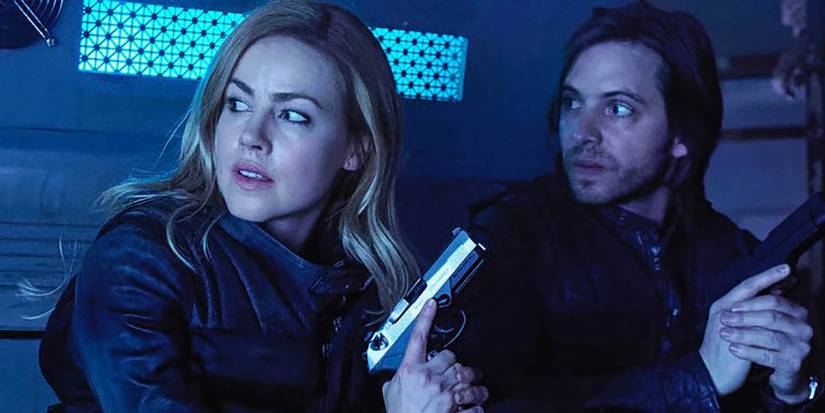
The TV show 12 Monkeys exceeds all expectations when it comes to time travel. In the original movie and TV show, a disastrous viral outbreak kills off almost all of humanity. In the movie, a man named Cole travels back in time to get information about the virus and reverse-engineer a cure. However, he decides he has to intervene in the past. In the TV show, Cole is explicitly sent back in time to stop the future pandemic.
Unlike most of the other TV shows on this list, the nature of time travel is itself a central mystery in 12 Monkeys that isn’t fully explained until the final season. So, here is what I can reasonably share without spoiling everything. 12 Monkeys mostly functions off the predestination paradox, though time is somewhat malleable. Changes are possible, but time tries to course-correct, ensuring major events occur. A person cannot interact with past versions of themselves. Nor can the same object from different timelines touch without consequences.
Dark
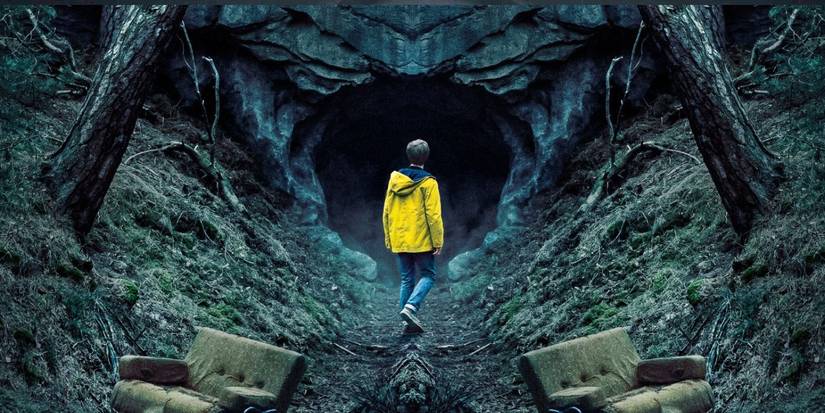
The Netflix show Dark is celebrated as one of the best time travel shows of all time, and there's a good reason for that. In the show, children mysteriously vanish, leading to an investigation that uncovers a wormhole. The wormhole connects 1953, 1986, and 2019. Like 12 Monkeys, Dark’s time-travel mechanics and explanations are a mystery, so I'll try not to spoil too much beyond the first season for those who haven't watched it yet. The grandfather paradox does not exist in this universe, so characters from different time periods can interact with each other without consequences.
Frequently, other versions of the character directly cause past events by giving information to past characters. Even if they travel back in time, the characters continue to age at the normal pace. The mechanics of time travel remain consistent, so the question becomes what specifics cause the time loop and whether it is possible to break it.







 English (US) ·