
Sci-fi TV shows are notoriously difficult to get right. The genre’s fandom can be fickle, and even the grandest ideas or most impressive visual spectacle cannot guarantee a series will succeed. Even the most celebrated sci-fi shows have detractors who are every bit as vocal as their supporters. The idea of a universally beloved science fiction series is basically a myth. However, some sci-fi shows take that divide to another level, earning reputations as timeless masterpieces and embarrassing low points in almost the same breath.
These aren’t shows that are so bad they become entertaining, either. It’s understandable when a deliberately B-Movie-style sci-fi series splits the genre’s fandom down the middle. When it gets interesting is with the shows that have a strong premise and something substantial to offer, whether that’s inventive storytelling, memorable characters, or a fresh approach to an established universe. Their most controversial qualities are often precisely what their admirers treasure, making their divisive nature almost as fascinating as the sci-fi stories they tell.
7 The OA (2016-2019)
What Some Find Deeply Moving Others Find Impossible To Take Seriously

Few shows demand such an immediate leap of faith as The OA. Its story begins with Prairie Johnson (Brit Marling), a previously blind woman who returns after disappearing for seven years, now able to see. What follows combines near-death experiences, alternate dimensions, and characters that can supposedly transcend ordinary reality. The whole thing is incredibly surreal both conceptually and visually, and for The OA’s fans, the rejection of conventional storytelling is the attraction. The series treats belief and human connection with an earnestness that makes its strangest developments feel emotionally meaningful, even when their mechanics can’t really be explained.
However, that prioritizing of emotional sincerity makes The OA difficult viewing for anyone who cannot accept its central concepts and premise. The dialogue sometimes tries a little too hard to be profound, and its mysteries require a lot of patience before offering anything resembling clarity. Where fans see a sci-fi show brave enough to let viewers have their own interpretation of what’s happening, skeptics see The OA as a series that mistakes obscurity for depth.
6 Watchmen (2019)
HBO’s Sequel To A Celebrated Graphic Novel Was Welcome And Rejected In Equal Measure
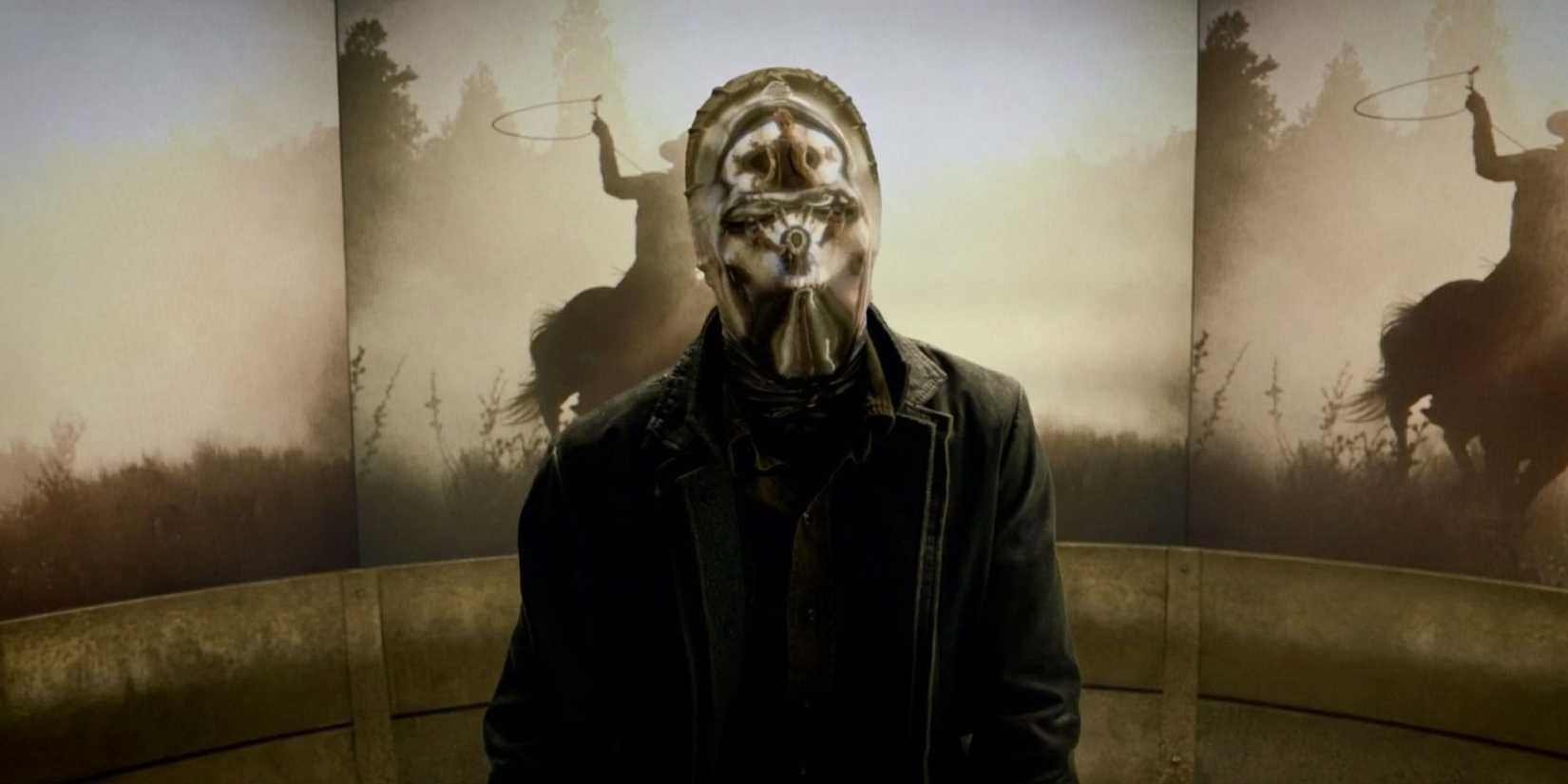
Continuing the story of a celebrated graphic novel as a TV show was always going to provoke disagreement, especially when that graphic novel is Alan Moore’s Watchmen. HBO’s series moves the action to an alternate 2019, where masked police officers confront a white supremacist organization in Tulsa. Detective Angela Abar (Regina King) becomes the center of a mystery connecting racial violence and the concealed history of costumed heroes, all of which is underpinned by an exploration of inherited trauma. Fans praised the show for finding fresh relevance in its source material, but many viewers had a much less positive response.
Many viewers openly disliked the heavy emphasis HBO’s Watchmen placed on American racism, while others find the treatment of legacy characters like Dr. Manhattan and Ozymandius completely missed the point of Alan Moore’s original story. Few critical voices found flaws in the show as a TV series. The disagreement ultimately concerns what a continuation owes its predecessor. Fans loved the way HBO’s Watchmen used the world of the graphic novel to explore contemporary social anxieties, while those who loved the source material completely rejected the way it used the world of Watchmen as a vehicle to make a political statement.
5 Invasion (2021-2025)
The Line Between A Show Being Immersive And Exhausting Is Thin

In theory, an alien invasion should lead to a high-octane, action-packed sci-fi story. Apple TV’s Invasion, however, takes a deliberately different approach, and it turned pit to be a polarizing one. Following people across different countries as extraterrestrial forces arrive, the series emphasizes personal grief, and the confusion of experiencing a catastrophe without understanding its scale rather than grand spectacle. The threat of the invasion still feels enormous, but it’s due to the characters' responses to what’s going on rather than any kind of grand explosive display of advanced alien technology. Some people loved this unique approach to an alien invasion narrative, but others very much didn’t.
For Invasion’s detractors, the slow-burn of the unfolding catastrophe felt like a stalled narrative. The focus on grounded moments like domestic arguments or panic attacks occupied a lot of narrative space without doing much to make the characters more compelling. The show’s perspective is an interesting idea, but an interesting idea doesn’t make up for bad pacing. Those invested in its atmosphere appreciate living through uncertainty alongside the characters experience it, but viewers waiting for meaningful developments feel that Invasion keeps postponing the story its premise promised.
4 Star Trek: Discovery (2017-2024)
This Bold Emotional Reinvention Of Star Trek Went To Places Not All Fans Think The Franchise Should Have
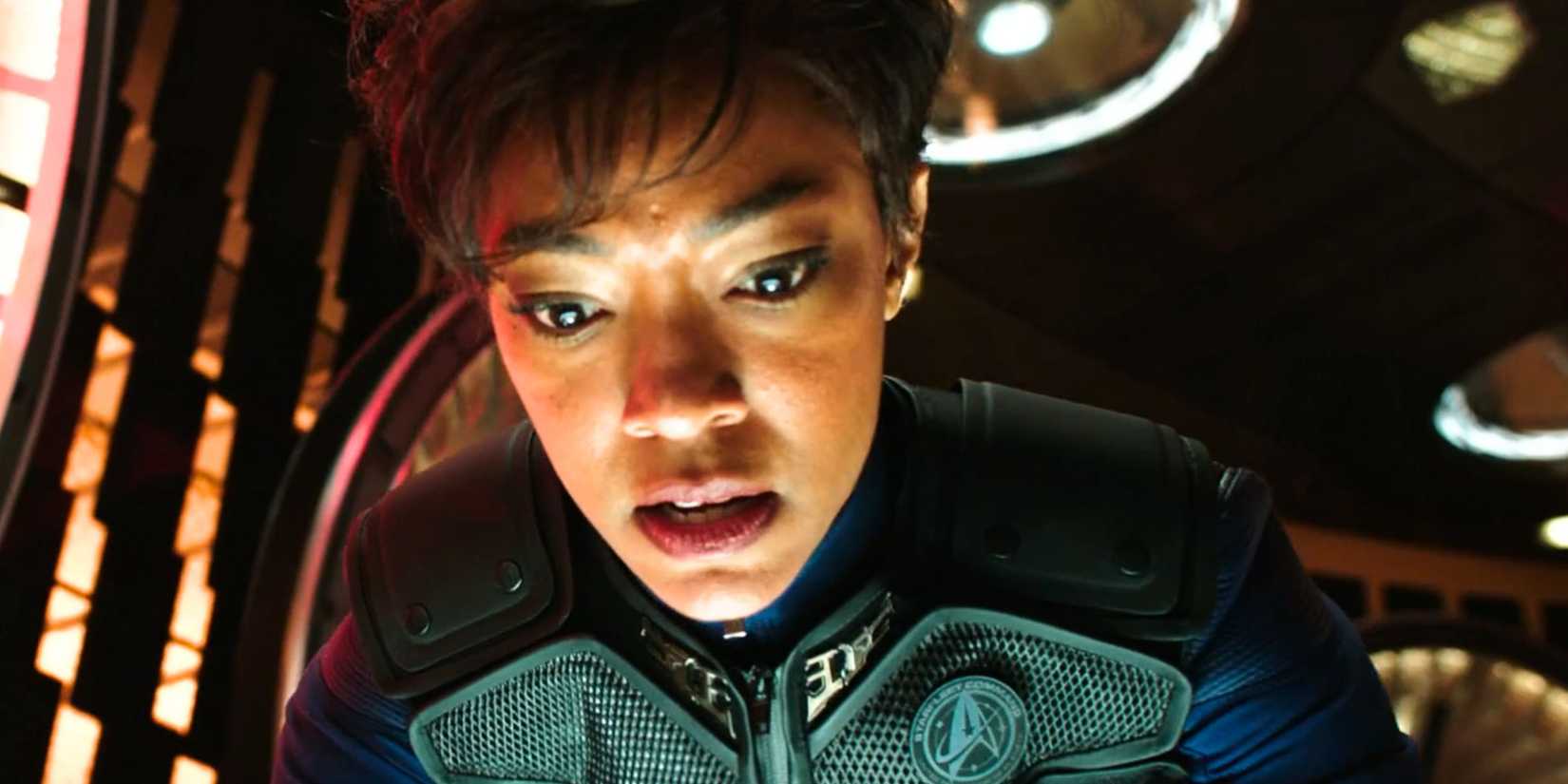
For some fans, Star Trek: Discovery brought urgency and emotional openness to a franchise that needed to evolve. Centering on Michael Burnham (Sonequa Martin-Green), it follows the crew of the U.S.S. Discovery as they navigate a radically unfamiliar future. Its admirers praise its cinematic presentation, inclusive ensemble cast, and insistence that compassion remains meaningful under extreme pressure. Rather than presenting optimism as an uncomplicated starting point like many Star Trek shows, Discovery frequently makes its characters struggle toward it, giving their commitment to cooperation a personal intensity that resonates strongly with its audience.
This intensity is exactly why Star Trek: Discovery is perhaps the most polarizing Star Trek show so far. Its season-long emergencies leave less room for exploratory adventures-of-the-week, while leaning into emotional speeches often interrupts situations that demand immediate action. Burnham’s repeated importance to enormous crises also makes the wider universe feel unusually dependent on a single character, a trait that feels much closer to Star Wars than it does Trek. Essentially, Discovery created intense debates around what a Star Trek series should prioritize, and the discussion still rages on two years after it concluded.
3 Rick & Morty (2013-Present)
Viewers Can’t Decide If They’re Experiencing Philosophical Depth Or Whiney Melodrama

The appeal of Rick & Morty extends beyond increasingly elaborate sci-fi jokes. The adventures of its central duo use grand concepts like multiversal travel as ways to explore deep psychological problems, such as if alternate realities make family members replaceable or if scientific genius justifies rejecting emotional attachment. It’s a series that moves from grotesque sic-if flavored slapstick to existential despair with remarkable speed. Rick & Morty fans see this versatility as its greatest strength. It’s capable of mocking sci-fi’s absurdity while also finding genuine emotional depth in the implications of the genre’s grandest concepts.
The problem for those on the other side of the fence is that Rick & Morty is seen as a series that insists upon itself. For those that hate it, the belching, gore, sexual jokes, and gratuitousness are the series true identity, and capping off an episode with a moment or two of philosophical insight doesn’t change this. Not only that, but the show’s nihilistic approach to narrative consequences makes it impossible to ever truly care about Rick, Morty, or any other character, according to some. Ultimately, Rick & Morty is a show filled with emotional contradictions, and this seems central to both its appeal and the frustration it inspires.
2 The Acolyte (2024)
Reinventing The Jedi Wasn’t A Welcome Change For Many Star Wars Fans

Set roughly a century before The Phantom Menace, The Acolyte had an unusually promising opportunity to explore a relatively untouched period in the Star Wars timeline. An investigation into attacks on Jedi gradually exposes buried wrongdoing and, eventually, some major flaws in the order’s central philosophy. Fans of The Acolyte immediately praised both the distance from the Skywalker saga and the Disney+ Star Wars show’s willingness to question the Jedi’s confidence in their own judgment. However, an intriguing premise does not automatically produce a great sci-fi TV show.
Even beyond those who didn’t appreciate the Jedi being portrayed at their most fallible, plenty of people hated The Acolyte for what they viewed as awkward dialogue, uneven pacing, and difficult-to-understand character decisions. There were plenty of complaints that had nothing to do with the show’s reframing of Jedi history. For The Acolyte’s admirers, its storytelling flaws are easy to look past thanks to it being a worthwhile expansion of the franchise’s moral tapestry. For others, the show is a flawed execution of ideas that are far less complex than they claim to be, leaving a potentially compelling mystery sidelined by an attempt to unnecessarily upend Star Wars canon.
1 Lost (2004-2010)
The Show That’s Either One Of Sci-Fi’s Greatest Hits Or Biggest Letdowns Depending On Who You Ask

While the story that followed became incredibly divisive, it's almost universally agreed that Lost’s central premise of plane crash survivors awakening on an island filled with impossible phenomena is exceptionally solid. It’s what the show does with that idea that makes it one of the most polarizing sci-fi shows ever made. Lost turns its setup into an expansive mystery box drama about damaged people confronting circumstances they cannot explain. Flashbacks give seemingly straightforward conflicts unexpected emotional weight, while the island’s secrets make almost every discovery feel significant. For the first few seasons, this was enough. However, as Lost went on, the cracks in viewer responses started to show.
In many ways, Lost created this problem for itself by inviting viewers to scrutinize every detail. It created expectations about how those details would eventually connect. Those that loved the show were happy with how the dots joined up. Those that didn’t either hate the end result, or simply grew sick of the constant drip-feed of mysteries with comparatively few tangible answers. The finale of Lost crystallized that disagreement by prioritizing emotional reunion over clearly explaining what the island is and how it worked. Over a decade after it concluded, that division remains. For some viewers, Lost is one of the greatest sci-fi shows ever made. For others, it’s a reason to be mad at ABC for hours of viewing they’re never going to get back.





 English (US) ·