7 Psychological Thriller Movies Everyone Should Watch at Least Once
1 week ago
32
Image via Orion Pictures
Published Nov 14, 2026, 1:57 PM EST
Andrea M. Ciriaco is a long-time script reader and former entertainment editor who specializes in classic movies and Hollywood history. She was a student film critic at Kent State University for three years and worked at Warner Bros Studio in Burbank and The Safran Company for several years. Based on her vast taste and range of knowledge, many consider Andrea to be a walking IMDb who knows dozens of underrated movies and is a vital assesst to any trivia night. While movies are her expertise, Andrea is also a diehard fan of iconic shows including The Sopranos, Boardwalk Empire, Rod Serling's The Twilight Zone, Will & Grace and South Park. Some of her favorite filmmakers are Walt Disney,John Huston, Fritz Lang, Alfred Hitchcock, John Ford, Mel Brooks, Quentin Tarantino, Martin Scorsese and Howard Hawks.
Few genres get under the skin the way the psychological thriller does. Where other thrillers rely on chases and shootouts, the great ones work inside your head, turning perception, memory, and trust into unexpected weapons. Unlike other traditional thrillers, there is a collection of perfect psychological thrillers that do something rarer than scare and surprise audiences; they make them complicit in piecing clues together alongside the protagonist, build theories, and trust the wrong person, only to have the floor give way beneath them.
Movies such as Alfred Hitchcock's iconic classic Psycho and David Fincher's gritty crime thriller Se7en are where craft and psychology fuse, delivering performances that reveal a flicker of doubt, direction that holds a shot a beat too long, and screenplays built with precision and patience. Out of all the potential candidates, this list highlights psychological thrillers that don't just play with the audience's nerves but instead leave a permanent mark on them about the thin line between sanity and madness.
1
'Memento' (2000)
Image via Newmarket Films
Christopher Nolan's Memento earns a spot among the greatest psychological thrillers by making its structure the very thing that unsettles audiences. Adapted from a short story written by his brother Jonathan Nolan, the movie follows Guy Pearce as Leonard Shelby, a man with anterograde amnesia who can't form new memories, as he hunts for the person who not only caused him to develop his condition but also killed his wife. To mirror Shelby's condition, Nolan tells the story in reverse, so each scene ends where the previous one began. Audiences never know more than Pearce's character, creating a shared disorientation that is ultimately the film's central trick.
Nolan's script is a model of precision, and the film’s moody, noir-tinged visuals reinforce its sense of paranoia. Memento doesn’t just thrill; it makes you question the reliability of your own mind. That unsettling, intellectually daring quality is exactly why Memento remains a benchmark of the genre. Pearce gives a remarkable performance, conveying confusion, determination, and a creeping dread often within a single scene, while Carrie-Anne Moss and Joe Pantoliano also deliver exceptional performances that add layers of ambiguity, leaving audiences constantly unsure of who is manipulating whom.
2
'Se7en' (1995)
Image via New Line Cinema
David Fincher's hopeless thriller Se7en endures as one of the finest psychological thrillers because it unnerves audiences through dread rather than spectacle and features outstanding performances by an all-star cast. The movie centers around two detectives, William Somerset (Morgan Freeman), a disillusioned veteran close to retirement, and an eager newcomer, David Mills (Brad Pitt), who find themselves in a relentless pursuit of a serial killer who stages his crimes around the seven deadly sins. Initially, the premise sounds a bit outlandish, but Fincher and screenwriter Andrew Kevin Walker use it to build something far more disturbing than anyone could have ever imagined.
Cinematographer Darius Khondji drenches nearly every scene in rain, shadows, and sickly light to create a city that feels suffocating and hopeless, making the film's atmosphere its greatest strength. Fincher rarely shows the violence directly and instead lets the horrific aftermath and the audience's imagination do the work, which proves to be more horrifying than any gore or bloodshed. The infamous final sequence, set in a barren desert, is devastating because it feels inevitable yet still shocks. Fincher refuses to soften it, and that uncompromising choice is why Se7en continues to haunt viewers decades later, leaving a lasting chill that few thrillers have ever matched.
3
'Gaslight' (1944)
Image via Metro-Goldwyn-Mayer
George Cukor’s Academy-Award-winning classic Gaslight deserves its place among the great psychological thrillers because it helped define the genre’s central fear: being driven mad by someone you trust. Ingrid Bergman stars as a young woman, Paula Alquist, who, after her famous aunt is murdered, is sent to Italy, where she eventually meets and marries a charming pianist, Gregory Anton (Charles Boyer). When the newlyweds return to London to live in her aunt's old home, Alquist begins to experience strange occurrences that slowly lead her to believe that she's losing her mind.
The brilliance of Gaslight lies in how intimate its menace is. There are no intense chase scenes or elaborate set pieces, only a marriage that gradually turns into an inescapable prison. Bergman gives an Oscar-winning performance as the fragile but capable Paula, effectively shifting between fits of hysteria and doe-eyed confusion and conveying flickers of defiance with equal conviction. Boyer is just as effective, playing Anton with silky charisma that curdles into something chilling once you recognize it, while a young Angela Lansbury, in her screen debut, adds a colorful sharpness as the insolent maid. Gaslight is a staple of the genre that endures because its terror is psychological, relatable, and timeless, and its payoff in the end is deeply satisfying.
4
'Psycho' (1960)
Alfred Hitchcock's Psycho is a universally loved thriller based on Robert Bloch's novel that rewrote the rules of what audiences expected from a film, then used that shock to explore the darkest corners of the human mind, making it one of the greatest psychological thrillers ever made. Janet Leigh stars as a secretary, Marion Crane, who steals a large amount of money from her employer and quickly skips town with a plan to meet up with her boyfriend later. When a severe storm and exhaustion force Crane to pull over for the night, she checks into a remote hotel where she meets the owner's strange but kind son, Norman Bates (Anthony Perkins), unaware that the young man harbors a dark and terrible secret.
The film’s daring structure is essentially what makes Psychoa legendary piece of classic cinema. By killing off its apparent protagonist barely a third of the way through, The Master of Suspense pulls the rug out from under audiences and leaves them with no safe ground. After that, nothing can be trusted, and the tension never fully lets go. The infamous shower scene, built from rapid cuts and Bernard Herrmann’s now-iconic score, implies far more than it shows, proving that suggestion can be more terrifying than explicit violence. Perkins gives one of cinema’s most memorable performances, portraying his character as sympathetic, nervous, and quietly tragic, which makes the revelation of his fractured psyche all the more disturbing. In short, Psycho earns a place on the list for ultimately shattering conventions and revealing that the scariest horrors are not supernatural but human, as well as its immense influence, which still runs through the genre to this day.
5
'The Silence of the Lambs' (1991)
Image via Orion Pictures
Jonathan Demme’s The Silence of the Lambs stands among the greatest psychological thrillers because it turns conversation into a weapon and understands that the most frightening thing isn't violence itself but a mind that can see straight through you. Adapted from Thomas Harris' 1988 novel of the same name, the story follows Jodie Foster as Clarice Starling, a young FBI trainee who is sent to interview the imprisoned psychiatrist and cannibal Dr. Hannibal Lecter (Anthony Hopkins), hoping he can help her catch a serial killer known as Buffalo Bill (Ted Levine).
The core of the film is built from the relationship between Starling and Lecter. Their exchanges inside his glass-walled cell are electric, built on quid pro quo: he offers insight into the killer, but only in exchange for pieces of her past, adding a sense of unpredictability that ultimately heightens the already intense atmosphere. Foster gives Starling a quiet resilience, showing a woman who is underestimated and constantly watched, yet refuses to be intimidated. Hopkins, with only about 16 minutes of screen time, creates an unforgettable presence through stillness, unblinking eye contact, and a velvety, unnervingly polite voice. The Silence of the Lambs was a massive hit that earned seven Academy Award nominations and went on to become the third film in Oscar history to win in all five major categories.
6
'The Conversation' (1974)
Image via Paramount Pictures
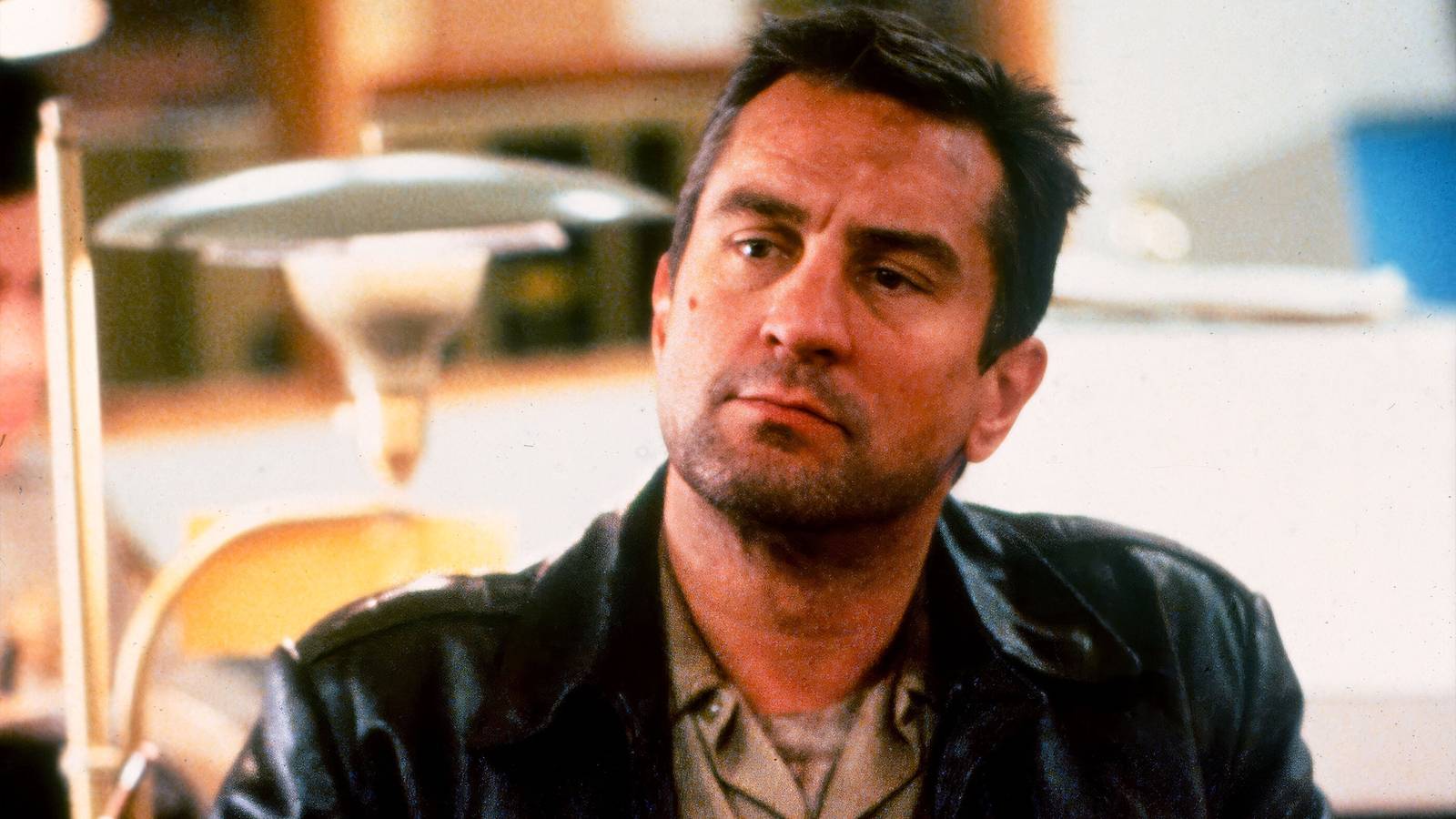
Francis Ford Coppola's neo-noir mystery thriller The Conversation turns surveillance inward and exposes the paranoia and guilt of the man doing the watching, making it one of the finest psychological thrillers of all time. Gene Hackman stars as Harry Caul, a reclusive San Francisco surveillance expert who is hired by a mysterious client to record a couple talking in a crowded public square. When he begins to suspect the recording may lead to the couple's murder, his professional detachment starts to crack, and his guilt from a previous job begins to take hold.
The film’s brilliance lies in its obsessive focus on sound and silence. Caul replays the muffled recording again and again, isolating and cleaning the audio until a single line takes on a different meaning. Sound designer Walter Murch, whose work here became legendary, makes the act of listening itself suspenseful. Coppola directs with cold restraint. The opening shot, a slow zoom over Union Square, establishes the voyeuristic tone, and the story unfolds with deliberate, creeping dread rather than action. Hackman delivers one of his greatest performances, presenting audiences with a curious but disturbing portrait of a man who is trapped by his own isolation, paranoia, and guilt, proving that the most frightening prison is the one inside your own head.
7
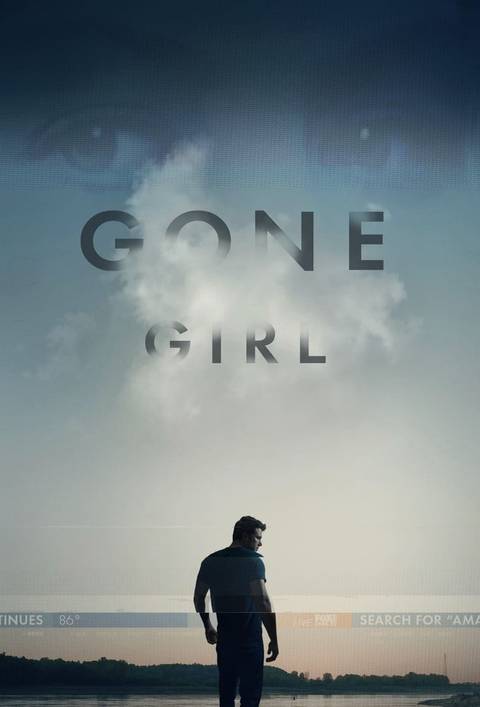
'Gone Girl' (2014)
Image via 20th Century Studios
David Fincher's adaptation of Gillian Flynn's best-selling novel Gone Girl takes the familiar missing-wife mystery and turns it into a savage dissection of marriage, the media, and the masks people wear, rightfully earning a place among the best psychological thrillers. Adapted by Flynn herself, the movie stars Rosamund Pike as Amy Dunne, who, on the morning of her fifth wedding anniversary, mysteriously vanishes from her Missouri home. As news of her disappearance sweeps the country, her husband, Nick (Ben Affleck), quickly becomes the prime suspect, but as the investigation deepens, it's clear that nothing about this couple is what it seems.
Flynn's screenplay alternates between Nick’s present-day ordeal and Amy’s diary entries, feeding the audience a carefully curated version of events, which makes the film's structure its sharpest weapon. Like the best of the genre, Gone Girl makes audiences complicit in believing a story. Pike gives a powerhouse performance as a modern femme fatale, shifting between roles with unsettling ease, from the “Cool Girl” fantasy to the wronged victim to something far more dangerous. What lingers most is the ending, which refuses easy justice. Instead of a clean resolution, the film leaves its central couple trapped in a toxic, mutually assured bond, treating marriage itself as the ultimate psychological battleground, where the scariest question is how well you can ever truly know another person.

 Image via Orion Pictures

 Image via Newmarket Films
 Image via New Line Cinema
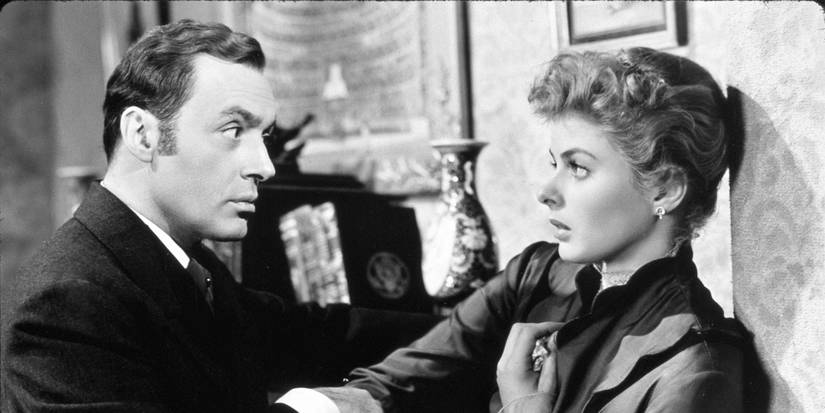 Image via Metro-Goldwyn-Mayer
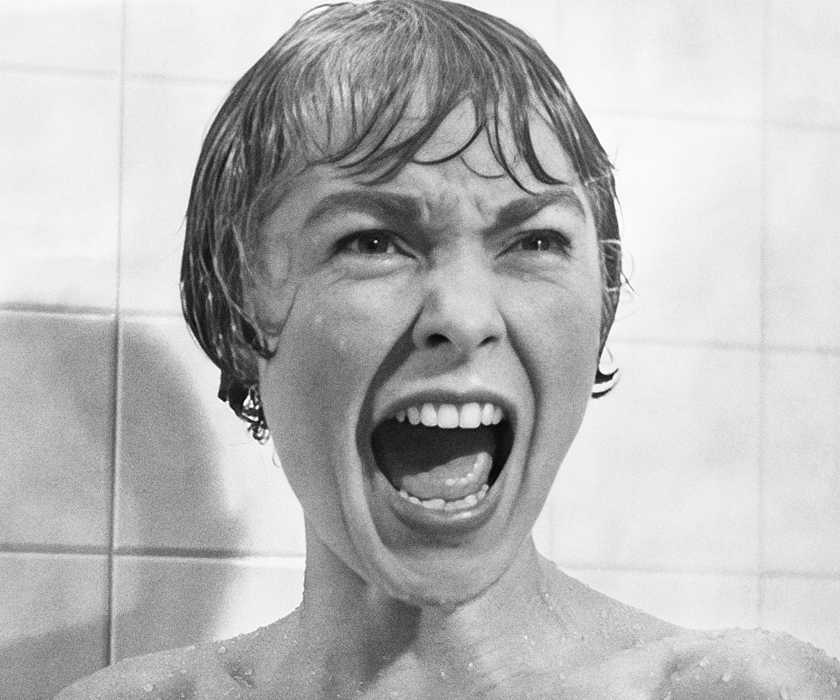
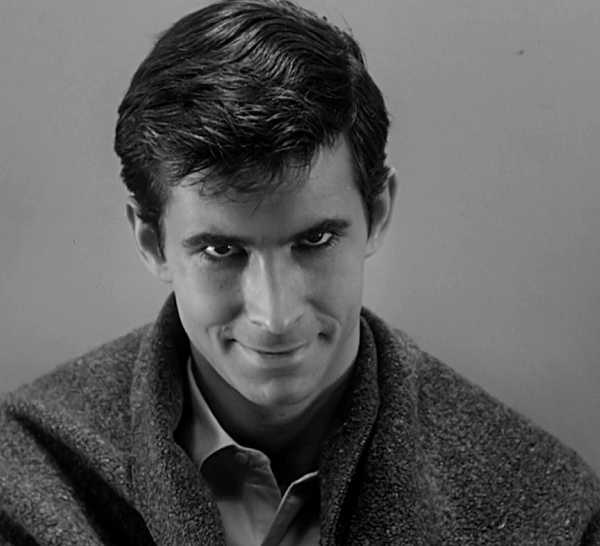
 Image via Orion Pictures
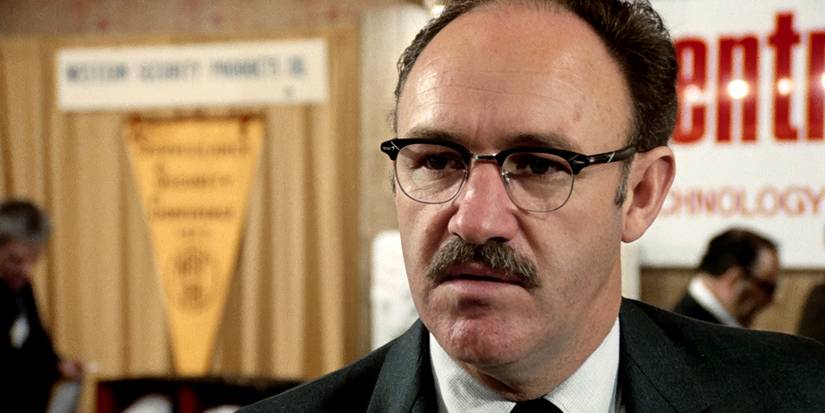 Image via Paramount Pictures
 Image via 20th Century Studios




 English (US) ·