
.jpg?&fit=crop&w=1600&h=900) Image via Lionsgate
Image via Lionsgate

Published Apr 21, 2026, 11:26 PM EDT
Sign in to your Collider account
The films in this list all understand that music can make pain more intimate rather than less. Hope sounds brighter when it is under threat. Romance cuts deeper when the world outside the lovers is already tightening into something cruel. And musicals last when the songs are doing more than decorating the story.
That’s only when I’m unable to sit through a musical and this list here ensures that. The greatest ones turn emotion into movement at the exact point ordinary dialogue would fall short. Longing gets bigger, fear gets stranger, joy gets almost unbearable, and heartbreak finally has the scale it deserves. They kind of drag you into the feeling until your own nerves start moving with the rhythm. At least that’s how it is with me but I understand for some, musicals might be more immersive. Either way, the movies below will sit with you.
7 'La La Land' (2016)
 Image via Lionsgate
La La Land lands hard on people who know what it is like to want two beautiful things that do not fit in the same life. It starts with that traffic-jam blast of color and motion, a city declaring itself as a place where fantasy might still break through routine, then narrows into two people carrying private disappointments like bruises. Mia Dolan (Emma Stone) keeps walking into rooms that measure her and dismiss her. Sebastian Wilder (Ryan Gosling) keeps clinging to an idea of artistic purity that sounds noble until you notice how much loneliness is hiding inside it. Their first meetings have spark, friction, ego, flirtation, all the things that make romance feel like it might actually rearrange a life.
Then the movie deepens. They become each other’s witness. Her one-woman play matters since he believes in it when nobody else does. His club dream stays alive since she treats it like a future instead of a fantasy. That is what hurts later. The film does not wreck them through betrayal and instead lets ambition, timing, compromise, and ordinary adult momentum push them onto different tracks. The final fantasy sequence devastates people since it lays out the whole emotional crime scene in one sweep: the tenderness, the missed version of the future, the knowledge that love can be real and still lose. That is why La La Land became so big after its release and keeps hitting long after the first watch. In fact, no musical since then has come close in fame.
6 'Cabaret' (1972)
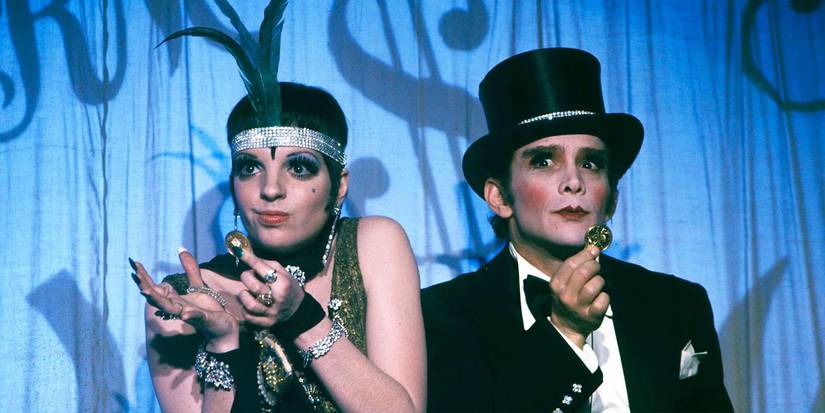 Image via Allied Artists
Cabaret unsettles in a way few musicals even attempt. It pulls you in through seduction first. Berlin feels alive, permissive, nocturnal, full of flirtation and danger that still looks glamorous from across the room. Sally Bowles (Liza Minnelli) sweeps in as pure appetite and performance, someone turning instability into style with such force that people around her start mistaking self-invention for freedom. The Kit Kat Club makes that confusion feel intoxicating. Everything is a show, every desire has lighting, every fear gets dressed up before it walks onstage. That is exactly why the film lingers under the skin. The pleasure is part of the trap.
As the plot keeps moving, the air changes. Brian Roberts (Michael York) brings reserve, Sally brings reckless hunger, and Maximilian von Heune (Helmut Griem) carries the wealth and ease that make the whole arrangement feel more decadent and more doomed. It all starts to feel less like romantic complication and more like people dancing on ground that is quietly giving way beneath them. The songs stop functioning as cheerful release and start behaving like coded warnings, taunts, or mirrors held up to moral collapse. On a macro frame, the movie tears at a very human weakness: our talent for confusing charm with safety. The personal mess and the political nightmare have fused so completely in it that you feel sullied by the glamour you once enjoyed.
5 'Fiddler on the Roof' (1971)
 Image via United Artists
Fiddler on the Roof goes straight into one of the deepest human fears there is: the fear that the world which shaped you will not survive the lives of your children. It’s so weird and discomforting to think about in real life and the movie makes you sit with it. It follows Tevye (Chaim Topol), who is a man anchored by rhythm, routine, prayer, poverty, family, and the fragile dignity of tradition. His opening reflections are warm and funny, though the humor already carries strain. He is trying to hold together a life where structure keeps chaos from swallowing everyone whole.
Then the daughters begin forcing change into the house one choice at a time. One marriage bends custom, another breaks it further, another tears into the deepest boundary of all. The film’s power comes from how carefully it walks Tevye through each emotional stage: pride, shock, bargaining, anger, hurt, helpless love. He keeps trying to negotiate with a world that is no longer interested in slow negotiation. That is why the ending cuts so deep. Exile is not presented as one dramatic blow. It feels like the final removal of whatever was left standing after history, modernity, and private heartbreak had already done their work. Fiddler on the Roof lasts since it understands that tradition can be both shelter and burden, and losing it can feel like losing the grammar of your own life.
4 'The Sound of Music' (1965)
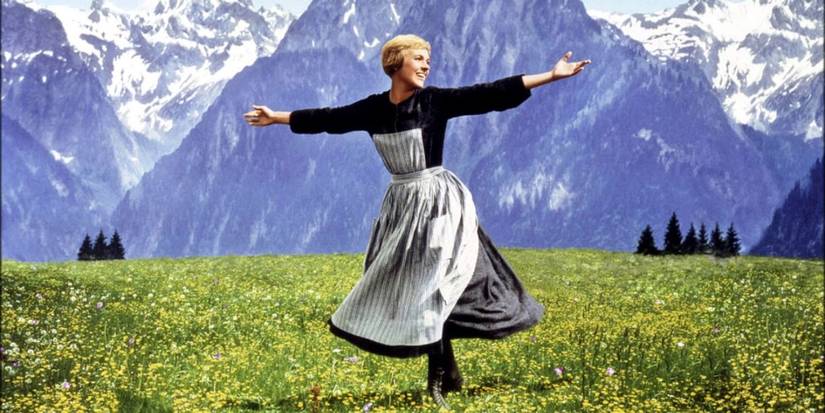 Image via 20th Century Studios
The Sound of Music lives in people’s memory as comfort, and it absolutely is comfort, though that only explains half its hold. The other half comes from how expertly it lets warmth grow in a house that initially feels airless. Maria (Julie Andrews) enters the von Trapp full of energy, clumsiness, uncertainty, and instinctive tenderness. Captain von Trapp (Christopher Plummer), the titular character, on the other hand, has turned grief into order, the children have been disciplined into stiffness, and the whole household moves like a place trying very hard not to feel anything uncontrolled. Then the songs start reopening the windows.
That process is why the film grips generations. The curtain-clothes outing, the singing lessons, the boat scene, the gradual thaw between Maria and the children, then between Maria and the Captain, all of it is paced with enormous emotional intelligence. Joy returns first as play, then as connection, then as love, and finally as resistance. The second half darkens The Sound of Music beautifully. Fascism moves closer, innocence gets cornered, and the family’s music turns into an assertion of identity under threat.
3 'Singin’ in the Rain' (1952)
 Image via MGM
Singin’ in the Rain follows the story of Don Lockwood (Gene Kelly), a silent-film star whose entire image has been manufactured, right down to the fake romantic publicity around him and Lina Lamont (Jean Hagen). Then talking pictures arrive, and suddenly the whole illusion is in danger. Lina has a shrill, grating voice that does not match the glamorous persona audiences have been sold, and the studio’s prestige picture collapses in front of everyone once sound exposes the lie.
That is where Kathy Selden (Debbie Reynolds) matters. She is not just the love interest who softens Don but becomes the actual solution to the movie’s central crisis. She can sing, she can speak properly, and she has the professional ability Lina lacks. When Don falls for her, the romance works since it grows inside a plot where he is finally forced to value substance over image. Then Cosmo Brown (Donald O’Connor) steps in and helps turn disaster into invention by pushing the movie-within-the-movie toward a musical. Singin’ in the Rain is a musical fully locked onto its deepest pleasure: the talented person doing the real work in the shadows finally being revealed in front of the crowd. It’s a lovely film.
2 'West Side Story' (1961)
 Image via United Artists
West Side Story gets people at a gut level since it does not treat the romance as some dreamy idea floating above the plot. Instead, Tony (Richard Beymer) and Maria (Natalie Wood) fall for each other inside an active street war between the Jets and the Sharks, and the film never lets you forget that every tender moment is surrounded by people ready to ruin it. Tony used to run with the Jets and is trying to step away from that life. Maria is Bernardo’s (George Chakiris) sister, which means the relationship is already explosive before it even has time to breathe. Their first connection at the dance is thrilling precisely since the room is full of bodies, noise, rivalry, and watchful hostility.
Then the plot starts tightening around every hope they build. Tony tries to stop the rumble instead of feeding it, but he arrives too late to prevent Bernardo from killing Riff. In panic and grief, Tony kills Bernardo, and from there the film never really lets the lovers recover. Maria still chooses Tony, which is part of why the movie hurts so much. The love remains real even after blood has entered it. There’s more to the story but the point is — West Side Story makes hatred feel like a system ordinary people keep helping to operate even while it destroys the only good thing in front of them.
1 'The Wizard of Oz' (1939)
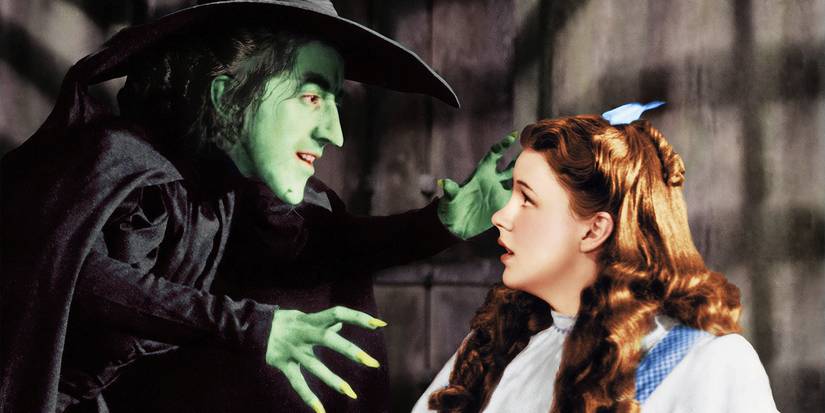 Image via MGM
The Wizard of Oz works so deeply since its fantasy never loses contact with Dorothy Gale (Judy Garland) and her original emotional problem. Dorothy starts in Kansas feeling powerless. Miss Gulch (Margaret Hamilton) can take Toto (Terry), the adults around Dorothy are distracted, and every attempt she makes to explain how upset she is gets brushed aside. When she sings about somewhere over the rainbow, she is a scared girl imagining a place where trouble cannot reach into her life so easily. Then the tornado comes, and the film transforms that wish into a literal journey through a world where every fear and desire gets enlarged into storybook form. Once she lands in Oz, the plot keeps giving Dorothy a clear objective: follow the Yellow Brick Road and ask the Wizard (Frank Morgan) to send her home.
Along the way she meets the Scarecrow (Ray Bolger), the Tin Man (Jack Haley), and the Cowardly Lion (Bert Lahr), each of them convinced they are missing the one thing that would make them complete. The Scarecrow thinks he lacks intelligence, the Tin Man thinks he lacks a heart, and the Lion thinks he lacks courage. The film’s emotional trick is simple and brilliant: every one of them keeps displaying the exact quality they believe they do not possess. Dorothy sees that before they do, which is why the friendship feels so comforting. The Wicked Witch (Margaret Hamilton) then gives the story real menace by turning the journey into something more than a cheerful quest. Dorothy, in the disguise of exploring a magical world, is being hunted through it. By the time the Wizard is exposed as a fraud and Glinda (Billie Burke) tells Dorothy she had the power to return home all along, The Wizard of Oz lands on a truth people never outgrow: we spend so much time chasing authority figures, distant places, or grand solutions, only to realize the thing we needed most was already tied to love, home, and the people who actually see us. That’s simply why this movie is amazing.
Collider Exclusive · Oscar Best Picture Quiz
Which Oscar Best Picture
Is Your Perfect Movie?
Parasite · Everything Everywhere · Oppenheimer · Birdman · No Country
Five Oscar Best Picture winners. Five completely different visions of what cinema can be — and what it can do to you. One of them is the film that was made for the way your mind works. Ten questions will figure out which one.
🪜Parasite
🌀Everything Everywhere
☢️Oppenheimer
🐦Birdman
🪙No Country for Old Men
FIND YOUR FILM →
01
What kind of film experience do you actually want? The best movies don't just entertain — they leave something behind.
ASomething that pulls the rug out — that makes me think I'm watching one kind of film and then reveals I'm watching another entirely. BSomething overwhelming — funny, sad, absurd, and genuinely moving, all at once. CSomething grand and weighty — a film that makes me feel the full scale of what I'm watching. DSomething formally daring — a film that pushes what cinema can even do. ESomething lean and relentless — pure tension with no wasted frame.
NEXT QUESTION →
02
Which idea grabs you most in a film? Great films are driven by a central obsession. What's yours?
AClass, inequality, and what people are willing to do when desperation meets opportunity. BIdentity, family, and the chaos of trying to hold your life together when everything is falling apart. CGenius, moral responsibility, and the catastrophic weight of a decision you can never take back. DEgo, legacy, and the terror of becoming irrelevant while you're still alive to watch it happen. EEvil, chance, and whether moral order actually exists or if we just tell ourselves it does.
NEXT QUESTION →
03
How do you like your story told? Form is content. The way a story is shaped changes what it means.
AGenre-twisting — I want it to start in one lane and migrate into something completely different. BMaximalist and genre-blending — comedy, action, drama, sci-fi, all in one ride. CEpic and non-linear — cutting between timelines, building a mosaic of cause and consequence. DA single unbroken flow — I want to feel like I'm living it in real time, no cuts to safety. ESpare and precise — every scene doing exactly what it needs to do and nothing more.
NEXT QUESTION →
04
What makes a truly great antagonist? The opposition defines the protagonist. What kind of opposition fascinates you?
AA system — invisible, structural, and almost impossible to fight because it has no single face. BThe self — the ways we sabotage, abandon, and fail the people we love most. CHistory — the unstoppable momentum of events that no single person can stop or redirect. DThe industry — the machinery of culture that chews up talent and spits out irrelevance. EPure, implacable evil — a force so certain of itself it becomes almost philosophical.
NEXT QUESTION →
05
What do you want from a film's ending? The final note is the one that lingers. What do you want it to sound like?
AShock and inevitability — a conclusion that recontextualises everything that came before it. BEarned emotion — I want to cry, laugh, and feel genuinely hopeful, even if the world is a mess. CDevastation and grandeur — an ending that makes me sit in silence for a few minutes after. DAmbiguity — something that leaves enough open that I'm still thinking about it days later. EBleakness — an honest refusal to pretend the world is tidier than it actually is.
NEXT QUESTION →
06
Which setting pulls you in most? Where a film takes place shapes everything — mood, stakes, what's even possible.
AA gleaming modern city with a hidden underside — beauty masking rot, wealth masking desperation. BA collapsing suburban life that opens onto something infinite — the multiverse of a single ordinary person. CThe corridors of power and science at a world-historical turning point — where decisions echo for decades. DThe grimy, alive chaos of New York and Hollywood — fame as both destination and trap. EVast, indifferent landscape — desert and highway where violence arrives without warning or reason.
NEXT QUESTION →
07
What cinematic craft impresses you most? Every great film has a signature — a technical or artistic element that makes it unmistakable.
AProduction design and mise-en-scène — every frame composed to carry meaning beneath the surface. BEditing and tonal control — the ability to move between registers without losing the audience. CScore and sound design — music that becomes inseparable from the dread and awe of what you're watching. DCinematography as performance — the camera not recording events but participating in them. ESilence and restraint — what's left unsaid and unshown doing more work than any dialogue could.
NEXT QUESTION →
08
What kind of main character do you root for? The protagonist is the lens. Who you choose to follow says something about you.
ASomeone smart and resourceful who makes increasingly dangerous decisions under pressure. BSomeone overwhelmed and ordinary who turns out to be capable of something extraordinary. CA brilliant, tortured figure whose gifts and flaws are inseparable from each other. DA self-destructive artist whose ego is both their superpower and their undoing. EA quiet, principled person trying to make sense of a world that has stopped making sense.
NEXT QUESTION →
09
How do you feel about a film that takes its time? Pace is a choice. Some films sprint; others let tension accumulate slowly, deliberately.
AI love a slow build when I know the payoff is going to be seismic — patience for a devastating reveal. BGive me relentless momentum — I want to feel breathless and emotionally spent by the end. CEpic runtime doesn't scare me — if the material demands three hours, give me three hours. DI want it to feel propulsive even when nothing is technically happening — restless energy throughout. EDeliberate and unhurried — I want dread to accumulate in the spaces between the action.
NEXT QUESTION →
10
What do you want to feel walking out of the cinema? The best films leave a mark. What kind of mark do you want?
AUnsettled — like I've just seen something I can't fully explain but can't stop thinking about. BMoved and energised — like the film reminded me what actually matters and gave me something to hold onto. CHumbled — like I've been in the presence of something genuinely important and overwhelming. DExhilarated — like I've just seen cinema doing something it's never quite done before. EHaunted — like a cold, quiet dread that stays with me for days.
REVEAL MY FILM →
The Academy Has Decided Your Perfect Film Is…
Your answers have pointed to one Oscar Best Picture winner above all others. This is the film that was made for the way your mind works.
Parasite
You are drawn to films that operate on multiple levels simultaneously — that begin in one genre and quietly, brilliantly migrate into another. Bong Joon-ho's Parasite is a film about class, desire, and the architecture of inequality that manages to be darkly funny, deeply suspenseful, and genuinely shocking across a single extraordinary running time. Your instinct is for cinema that hides its true intentions until the moment it's ready to reveal them. Parasite is exactly that — a film that rewards close attention and punishes assumptions, right up to its devastating final image.
Everything Everywhere All at Once
You want it all — and this film gives you all of it. The Daniels' Everything Everywhere All at Once is one of the most maximalist films ever made: action comedy, multiverse sci-fi, family drama, existential crisis, and a genuinely earned emotional core that sneaks up on you amid the chaos. You are someone who responds to ambition, who doesn't want cinema to choose between being entertaining and being meaningful. This film refuses that choice entirely. It is overwhelming by design, and its overwhelming nature is precisely the point — because the feeling of being crushed by infinite possibility is exactly what it's about.
Oppenheimer
You are drawn to cinema on a grand scale — films that understand history not as a backdrop but as a force, and that place their characters inside that force and watch what happens. Christopher Nolan's Oppenheimer is a film about the terrifying gap between what we can do and what we should do, told with the full weight of one of the most consequential moments in human history behind it. You want your films to feel important without feeling self-important — to earn their ambition through sheer craft and the gravity of their subject. Oppenheimer does exactly that. It is enormous, complicated, and refuses easy comfort.
Birdman
You are drawn to films that foreground their own construction — that make the how of the filmmaking part of the what it's about. Alejandro González Iñárritu's Birdman, shot to appear as a single continuous take, is cinema examining itself through the cracked mirror of a fading actor's ego. You respond to formal daring, to the feeling that a film is doing something that probably shouldn't be possible. Michael Keaton's performance and Emmanuel Lubezki's restless camera create something genuinely unlike anything else — a film that is simultaneously about creativity, relevance, self-destruction, and the impossibility of ever truly knowing if your work means anything at all.
No Country for Old Men
You are drawn to cinema that trusts silence, that refuses to explain itself, and that treats dread as a form of meaning. The Coen Brothers' No Country for Old Men is a film about the arrival of a new kind of evil — implacable, arbitrary, and utterly indifferent to the moral frameworks we use to make sense of the world. It is one of the most formally controlled films ever made, and its controlled restraint is what makes it so terrifying. You want your films to haunt you, not comfort you. You are not interested in resolution if resolution would be dishonest. No Country for Old Men is honest in a way that most cinema never dares to be.
↻ RETAKE THE QUIZ
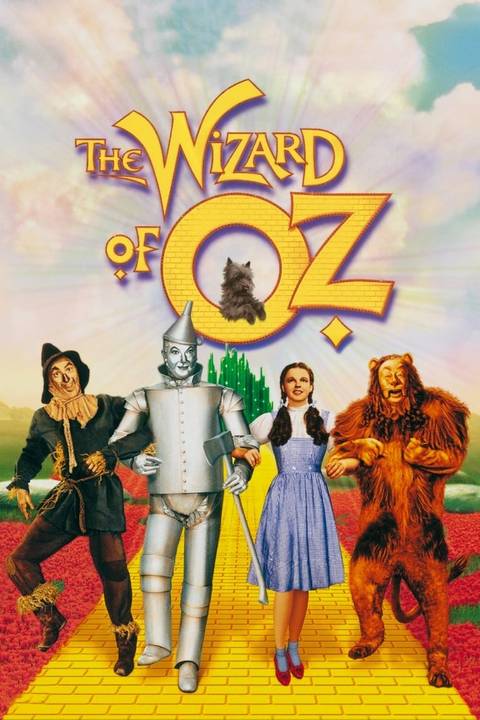
The Wizard of Oz
Release Date August 25, 1939
Runtime 102 minutes
Director Victor Fleming
Writers Edgar Allan Woolf, Florence Ryerson, Noel Langley, L. Frank Baum
-

Judy Garland
Dorothy Gale
-
Ray Bolger
"Hunk" / Scarecrow




 English (US) ·