


Published Feb 7, 2026, 8:30 PM EST
Emedo Ashibeze is a tenured journalist and critic specializing in the entertainment industry. Before joining ScreenRant in 2025. he wrote for several major publications, including GameRant.
Sign in to your ScreenRant account
Anime is filled with myriad series that quietly fade after a strong opening act. A much smaller group manages something far more impressive: genuine, consistent improvement that makes every new season feel like a step upward rather than a side step.
These are the rare titles that refine their craft, deepen their storytelling, sharpen their visuals, and raise emotional and thematic stakes year after year. The longer viewers stay invested, the more rewarding their journey becomes.
This list gathers seven standout examples of series that ride that rare upward curve. Each entry has continued to evolve across multiple seasons through better pacing, more ambitious direction, richer character work, bolder world-building, or simply a clearer understanding of what made the story special in the first place.
7 Mob Psycho 100
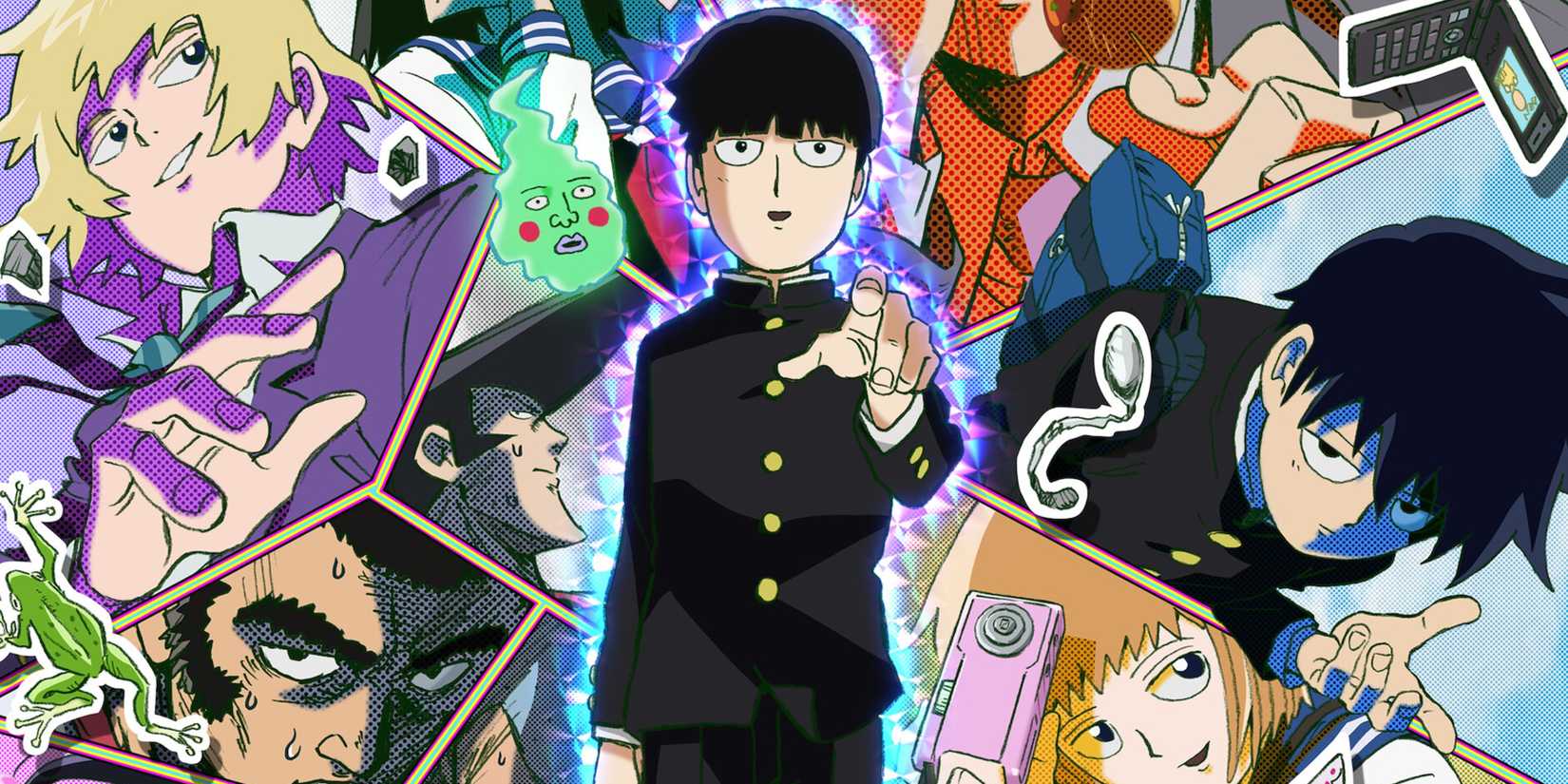
Mob Psycho 100 stands as one of the most compelling recent anime series, improving with each season. The first season, while already excellent in many respects, functions as an introduction: a collection of episodic supernatural cases that establish Shigeo Kageyama’s power, his emotional restraint, and his complex relationship with the charismatic yet fraudulent Reigen Arataka.
Season 2 marked a decisive shift. The comedic tone remained, but the emotional stakes heightened. Confrontations became far more psychologically layered; Mob’s suppressed feelings were no longer merely background motivation but the actual battlefield. The animation soared in creativity, with emotional, symbolic sequences that are visually spectacular and meaningful.
By the third and final season, the series achieves something genuinely rare: a conclusive ending that’s earned, proportionate, and emotionally replete. Every central character thread is addressed, every thematic question is given resolution, and the visual language reaches its most purposeful state. Mob Psycho 100 shows that its improvement is not merely technical, but is character- and theme-driven.
6 Kingdom

Kingdom offers perhaps the most dramatic upward trajectory of any long-running battle anime currently airing. The first season is, by nearly possible consensus, difficult. The early computer-generated animation is stiff, the character models inconsistent, and the overall presentation frequently undermines the ambition of the source material.
Yet the plot has a strength that many viewers found compelling. From season 2 onward, the production quality improves dramatically, and by the third season, the series begins to resemble a monumental work. The large-scale military campaigns are staged with clarity and visual appeal; individual duels carry immense dramatic consequences; the central characters experience a credible, incremental growth.
Subsequent seasons maintain this trajectory. The animation grows more confident, the pacing assured, and the emotional payoffs more cruel. Late arcs such as the Western Zhao Invasion demonstrate a level of narrative and visual command that would have been unthinkable in the opening season. Kingdom is one of the few cases in which later seasons are superior to earlier ones.
5 Haikyuu!!

Haikyuu!! presents as exceptional among sports anime; there’s an absence of repetition. Each season builds meaningfully upon the last, raising both the competitive and emotional stakes while simultaneously refining its visual and dramatic language.
The opening season introduces an appealing underdog and several charismatic personalities, but lays the foundation for what follows. Season 2 begins to reveal the actual depth of Production I.G.’s approach: meticulous attention to volleyball strategy and genuinely earned character development. Season 3 became widely regarded as one of the finest tournament sequences in sports anime history.
Season 4 then takes the bold step of moving beyond high-school nationals, exploring new environments, new rivalries, and personal challenges. Crucially, Haikyuu!! avoids every major trap of long-running sports series: there is no power escalation, new techniques, or repetitive opponent-of-the-week structures. Instead, Haikyuu!! continues to widen its portrayal of teamwork, responsibility, and the long arc of improvement.
4 My Hero Academia

My Hero Academia belongs to the select group of long-running shōnen series that genuinely improve with each season rather than simply sustaining its initial formula. The opening season establishes an immediately appealing world centered on “Quirks,” heroic ideals, and the towering presence of All Might, with Izuku Midoriya as an earnest, determined protagonist.
From season 2 onward, the series carefully reveals its greater ambitions. The Sports Festival arc delivers tournament drama and lasting rivalries; subsequent seasons widen the lens. The Stain arc raises questions about what heroism means; the Paranormal Liberation War arc in seasons 5–6 dramatically tilts the scales, shifting the story from high-school rivalries to full-scale societal collapse and warfare.
Studio Bones’ animation quality improves steadily throughout, with later seasons featuring some of the studio’s most ambitious and expressive fight sequences. Character development becomes increasingly layered and credible. What began as an optimistic coming-of-age story slowly transforms into a mature examination of legacy, systemic injustice, and the burden of carrying hope in a fractured world.
3 JoJo’s Bizarre Adventure
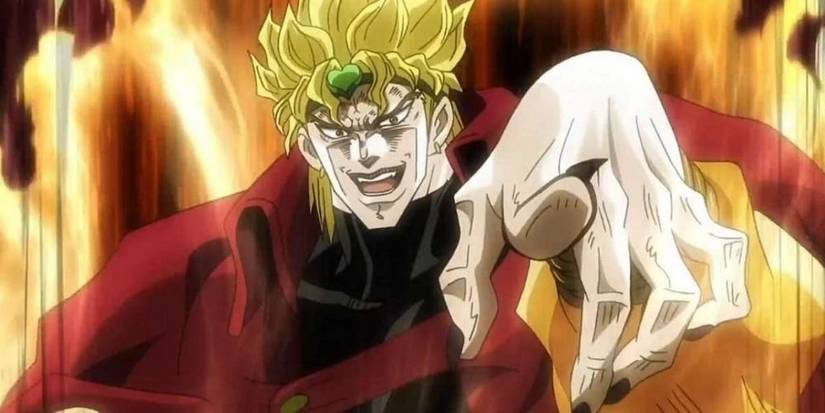
The series is unique among long-running anime in that each major arc or part functions almost as a reinvention of the series itself, and each reinvention tends to be more interesting, more creative, and more accomplished. Part 1 is a gothic, operatic vampire tale that establishes the Joestar family legacy and the tone of melodramatic heroism.
Part 2 introduces far greater wit, inventive problem-solving, and flamboyant energy. Part 3 revolutionizes the series by introducing Stands’ psychic manifestations that enable wildly imaginative, rules-based battles and shifting the structure to a globe-spanning road trip. Part 4 changes the setting, tone, and protagonist entirely, moving to a quieter, mystery-driven slice-of-life horror story set in a single Japanese town.
Part 5 raises the stakes again with organized crime, succession, and some of the most inventive Stand battles ever. Part 6 brings a new emotional intensity and a bold willingness to confront legacy and fate head-on. The series never settles into comfortable repetition; instead, JoJo’s Bizarre Adventure treats each new generation as an opportunity to experiment with tone, genre, and storytelling structure.
2 Attack on Titan

Attack on Titan is perhaps the most dramatic example of an anime that begins as one kind of story evolved through deliberate escalation and revelation into something far more complex, morally ambiguous, and intellectually demanding. Season 1 is an intense survival-horror/action story: titans devour humanity, walls are the only safety, and Eren Yeager vows revenge.
Subsequently, season 2 widens the scope, introducing political machinations and hidden truths within the walls. Season 3 marks the decisive pivot: the story shifts decisively from monster-slaying to human conflict, exposing corruption, genocide, and cycles of vengeance. The final season takes the transformation to its furthest point.
The introduction of Marley, the Eldian/Marleyan conflict, and the perspectives of characters previously viewed only as antagonists force a re-evaluation of every assumption the story once made. Eren’s character arc becomes one of the most polarizing and complex journeys in anime. The series grows bigger, grows deeper, more uncomfortable, and more thematically ambitious with every major revelation.
1 One Piece

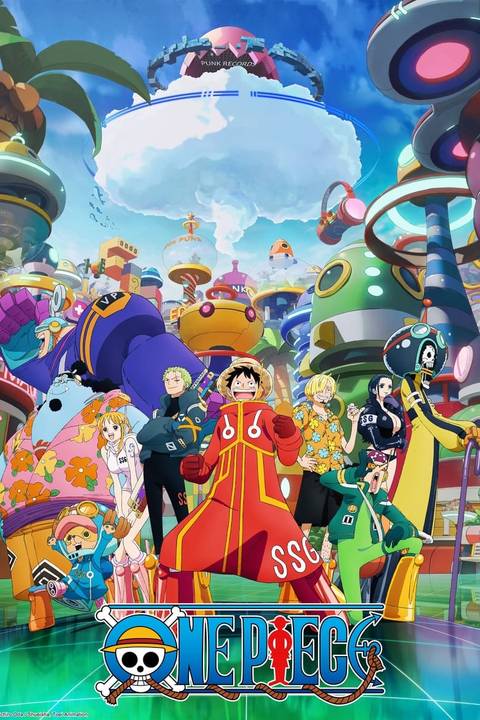
One Piece is the ultimate long-distance runner of anime: a series that has been airing for over twenty-five years and, remarkably, continues to reach new creative and emotional highs rather than decline. The East Blue saga is charming and foundational, but deliberately small in scope.
As the story progresses through Alabasta, Skypiea, Water 7/Enies Lobby, Thriller Bark, Marineford, Fish-Man Island, Dressrosa, Whole Cake Island, Wano, and now Egghead, each major arc tends to surpass the previous one. One Piece consistently expands its emotional weight, world-building density, thematic ambition, and narrative payoff.
The animation has improved: fight choreography is more dynamic, palettes are bolder, and emotional moments are emphasized. What began as a lighthearted adventure gradually transformed into a generational epic. Even after more than 1,000 episodes, the series retains its strongest qualities while also tackling heavier themes with increasing seriousness.
Release Date October 20, 1999
Network Fuji TV
Directors Hiroaki Miyamoto, Konosuke Uda, Junji Shimizu, Satoshi Itō, Munehisa Sakai, Katsumi Tokoro, Yutaka Nakajima, Yoshihiro Ueda, Kenichi Takeshita, Yoko Ikeda, Ryota Nakamura, Hiroyuki Kakudou, Takahiro Imamura, Toshihiro Maeya, Yûji Endô, Nozomu Shishido, Hidehiko Kadota, Sumio Watanabe, Harume Kosaka, Yasuhiro Tanabe, Yukihiko Nakao, Keisuke Onishi, Junichi Fujise, Hiroyuki Satou
Writers Jin Tanaka, Akiko Inoue, Junki Takegami, Shinzo Fujita, Shouji Yonemura, Yoshiyuki Suga, Atsuhiro Tomioka, Hirohiko Uesaka, Michiru Shimada, Isao Murayama, Takuya Masumoto, Yoichi Takahashi, Momoka Toyoda
-

Mayumi Tanaka
Monkey D. Luffy (voice)
-
Kazuya Nakai
Roronoa Zoro (voice)





:quality(85):upscale()/2026/02/02/940/n/1922153/tmp_2bS324_5518251436641b44_Photo_Grid_3_Up_-_Burgundy_Green-2-Photo_Grid_4up_Main_-_Green_Burgundy_1_.jpeg)
 English (US) ·