

Published Apr 5, 2026, 9:00 PM EDT
Nicholas Raymond is an author and journalist based out of Alabama, where he proudly roots for the Alabama Crimson Tide football team. A graduate of the University of Montevallo, he has a degree in mass communication with a concentration in journalism.
When it comes to martial arts movies, the 1970s and 1980s are remembered largely for the action-packed, old-school kung fu films made by the likes of Golden Harvest and Shaw Brothers. But while many of these were serious endeavors focused on settling old grudges and fighting against oppression, there were several that took a more light-hearted approach.
Comedy and martial arts has long been a popular mix, with Jackie Chan largely responsible for the popularity of this particular subgenre. Jackie Chan-led classics such as Drunken Master, The Young Master, and Snake in the Eagle's Shadow made for some entertaining detours from the usual formula of a Hong Kong martial arts flick set in historical China.
While his films were obviously the biggest, he obviously wasn't the only one headlining kung fu comedies. Golden Harvest could also rely on one of Jackie Chan's best-known collaborators, Sammo Hung, who had a history of starring in top-notch martial arts comedies - both with and without Chan.
There's also the matter of Golden Harvest's primary rival in the kung fu movie scene, Shaw Brothers, which had their own stable of actors, some of whom could do both martial arts and comedy. Whether it was intentional or not, actors like Alexander Fu Sheng and Wong Yue served as Shaw Brothers' answer to Jackie Chan in the late 1970s and early 1980s.
And there were other, smaller studios who had success in blending humor with Chinese martial arts. All things considered, the 1970s and 1980s have no shortage of worthwhile martial arts comedies to enjoy.
6 Dance Of The Drunk Mantis

Released in 1979 and directed by the legendary Yuen Woo-ping, Dance of the Drunk Mantis is a follow-up to the extremely influential Drunken Master, which was made by the same director. But rather than focus on Jackie Chan's Wong Fei-hung, the film continues the story of the hero's martial arts master, Sam Seed, with Yuen Siu-tien reprising the role.
While a Drunken Master film without Jackie Chan may sound like a mistake, it doesn't take long for Yuen Woo-ping to prove otherwise, the film - which functions as a spinoff - thrives on the same winning combination of martial arts and comedy, thanks in part to Yuen Siu-tien, who was one of the main reasons why Drunken Master was so fun to watch in the first place.
Just as he did in the first film, Yuen Siu-tien brings a great deal of charm to the role of Sam Seed, the drunken and mischievous beggar whose carefree and lazy lifestyle hides the unrivaled skills of a martial arts master.
His interactions with his new student - played by Yuen Shun-yi - allow for a lot of laughs leading up to the heated showdown with Rubber
Legs, who is portrayed by Hwang Jang Lee, the same actor who played the villain of Drunken Master.
5 The Magnificent Butcher
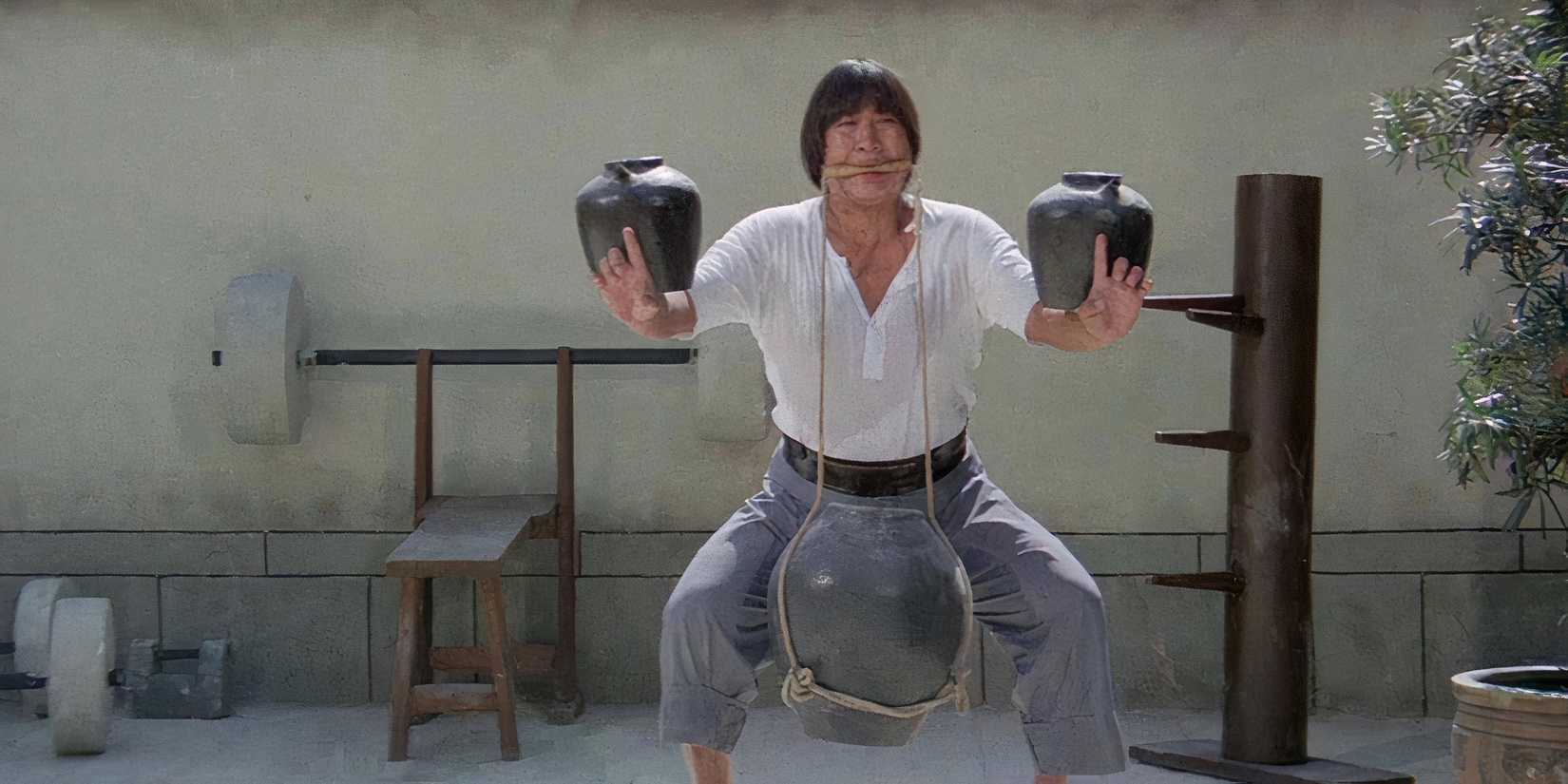
In the same year that Yuen Woo-ping directed Dance of the Drunk Mantis, he helmed another spectacular martial arts comedy in The Magnificent Butcher, which saw future martial arts legend Sammo Hung take a starring role. The Magnificent Butcher sees Hung play a kung fu student who gets framed by members of a rival school.
Despite it being an early comedy for the actor, Sammo Hung's signature comedic style is on full display here, and when combined with Yuen Woo-ping's excellent martial arts choreography, it yields a number of memorable slapstick moments. Sammo Hung and Fan Mei-sheng get their fair share of the fun, with villains getting stepped on, beaten with objects, and outwitted constantly.
The Magnificent Butcher is easily one of Sammo Hung's best martial arts movies.
4 Mad Monkey Kung Fu
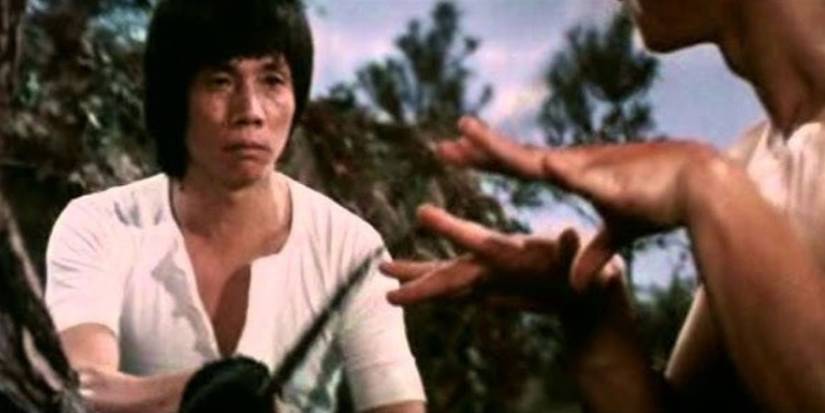
In 1979, Lau Kar-leung directed and co-starred in Mad Monkey Kung Fu, an ambitious project that treaded the line between two different sides of the martial arts genre. Mad Monkey Kung Fu is a revenge film with an abundance of brutal martial arts action, and yet, it's also a comedy.
Trying to do both was a risky choice for director Lau Kar-leung, but the move pays off; Mad Monkey Kung Fu somehow manages to delicately balance its slapstick humor with its action, telling a story about a martial arts master whose life is ruined by his enemy (played by Lo Lieh).
He can't get revenge by traditional methods because of a crippling injury, so he decides to get it by proxy - taking a student and training him to defeat Lo Lieh's character. The back-and-forth banter, the training sequences, and its portrayal of monkey style kung fu, make the 1979 film a must-watch kung fu comedy.
3 The Victim
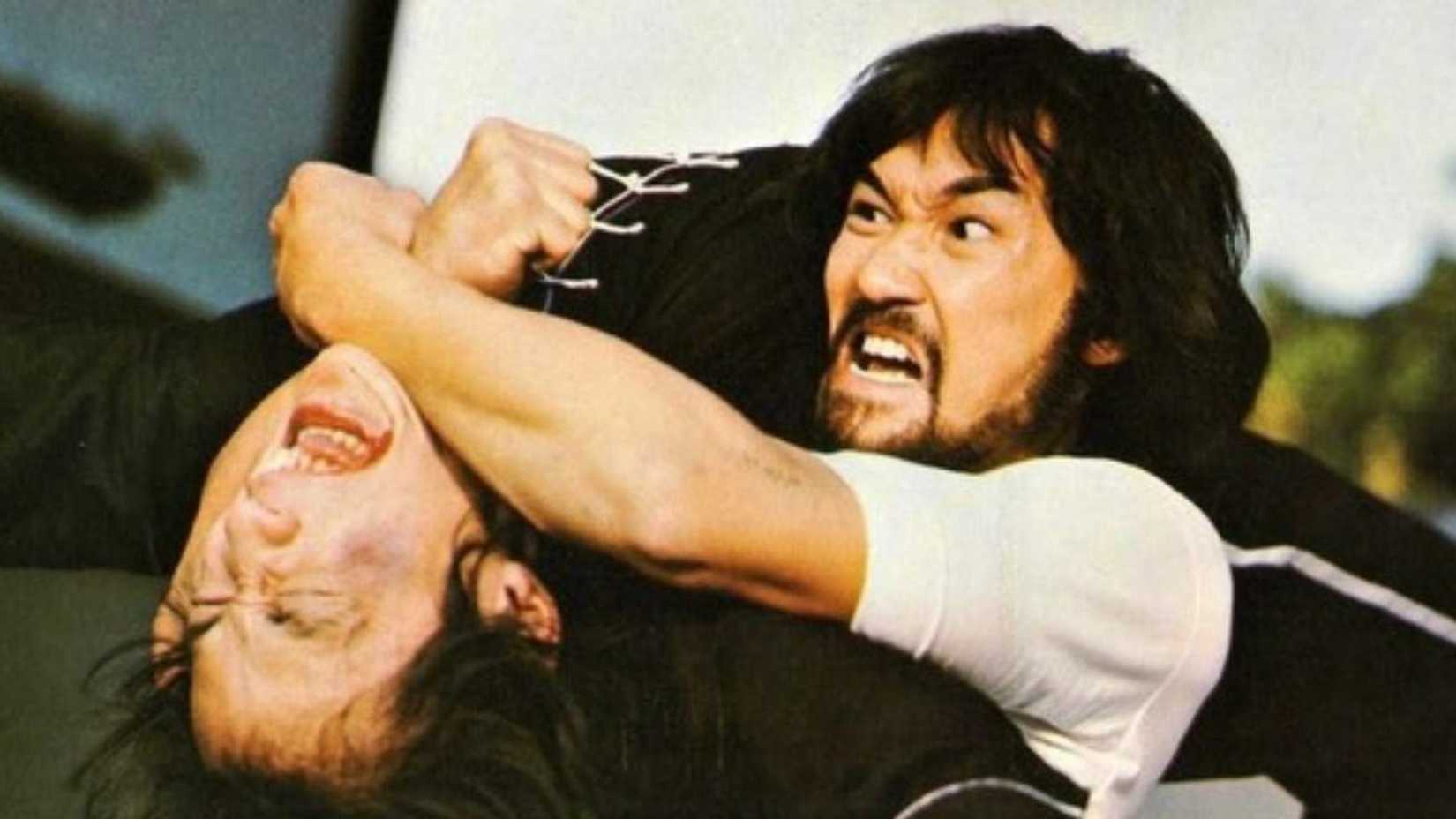
An underrated entry in Sammo Hung's filmography, The Victim notably pairs the actor with Byron "Beardy" Leung, an actor known for playing burly, no-nonsense fighters. The contrast between his image and Sammo Hung's helps make the two a fun duo for The Victim, a 1980s martial arts film about a master and his student's battle with the former's evil adoptive brother.
The involvement of two highly talented martial arts stars, not to mention Sammo Hung's handling of the choreography, naturally provides a a lot of entertainment in the way of action, but the real heart of The Victim is the funny dynamic that forms between Hung and Bryan Leung's characters.
Sammo Hung plays an arrogant and trouble-making martial arts prodigy, whereas Bryan Leung plays a jaded expert trying lay low with his wife, who is being pursued by the villain. The humorous antics of Hung's character hilariously push the older hero to his limits.
2 Shaolin Prince
Ti Lung is not known as a comedic actor, yet he excels in his role as Shaolin Prince's Tao Hing, one of two twins whose parents were murdered when they were infants. Afterward, the two grow up separately, living in two very different worlds while also learning martial arts. Shaolin Prince follows the two twins as adults as they reunite and seek to take revenge the person responsible for their hardships.
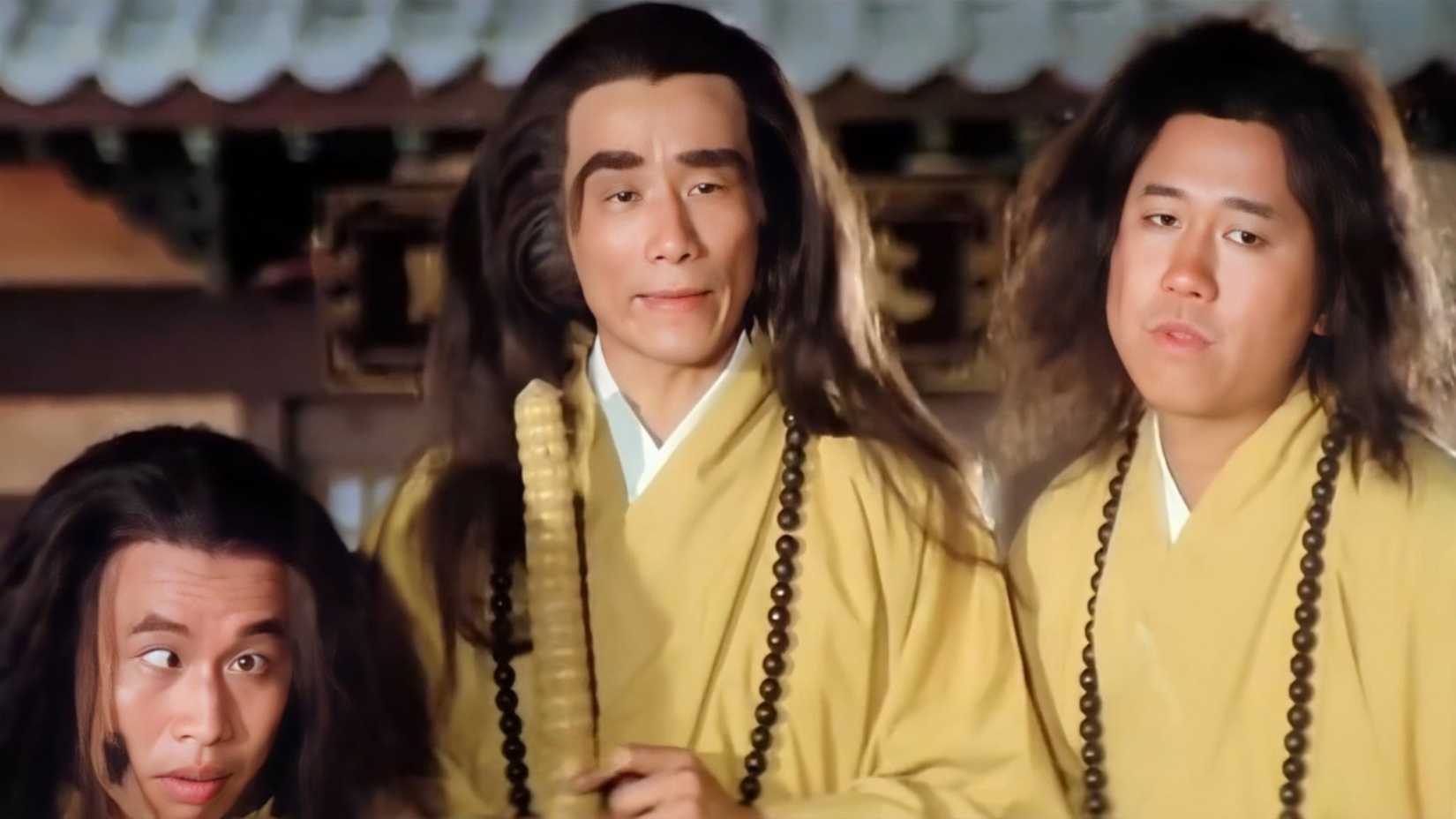
This is a premise shared by dozens - if not hundreds - of old-school kung fu movies from the 1970s and 1980s, but what gives it its own identity is the storyline of Ti Lung's character. Tao Hing is raised in a temple under the tutelage of three outcast Shaolin monks referred to in the film as the Three Holy Fools.
The Three Holy Fools come across as the kung fu movie equivalent of the Three Stooges, and it's a concept that works wonders for Shaolin Prince. Just their facial expressions and mannerisms alone is enough to entertain, with the Holy Fools' unique methods of training Tao Hing only adding to the humor.
Interestingly, the Holy Fools do more than just offer an origin story for one of its two heroes; the movie seems to recognize that they're its best assets, thrusting them in the finale and letting viewers - and the main characters - know that no matter how goofy they may seem, they're the best fighters in the whole film - not even the main villain compares.
1 The Spiritual Boxer
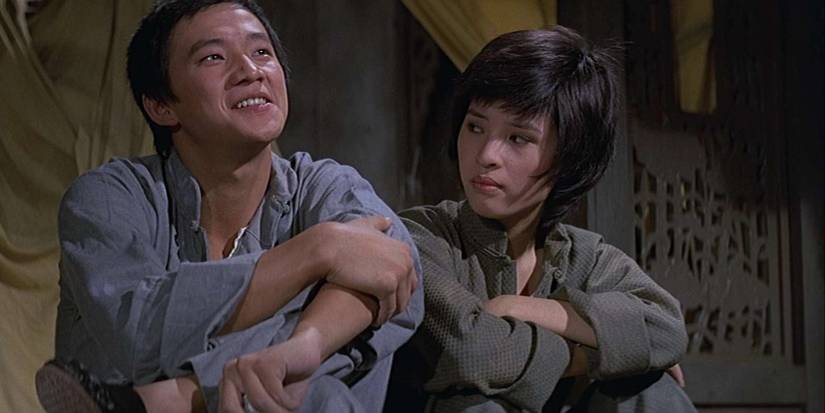
Made by Shaw Brothers in 1975, The Spiritual Boxer was a then-unorthodox martial arts movie about a father-and-son duo who operate as traveling con artists who make a living by pretending to be exorcists. Early on in the film, the son -played by Wong Yue - gets separated from his father, forcing him to carry the family trade on his own.
The Spiritual Boxer is an important film for a handful of reasons, one of which is the fact that it marked the directorial debut of Lau Kar-leung, who is rightfully regarded as one of the greatest martial arts movie directors of all time. At the time, martial arts comedies were somewhat rare, as Jackie Chan was three years away from his breakout roles in Drunken Master and Snake in the Eagle's Shadow.
Four years later, Wong Yue reteamed with Lau Kar-leung for a sequel, The Spiritual Boxer II.
What really makes The Spiritual Boxer such an innovative martial arts film is the genre-bending aspects of the story; it dives into the world of the supernatural by incorporating ghosts and other mystical concepts associated with Chinese folklore.
The Spiritual Boxer has fun with this idea, especially when it gets to a point in the story where Wong Yue's character worries that he may actually be dealing with real ghosts.

 English (US) ·