Harry Potter showed us how magical it feels to grow up alongside characters you love. These six books capture different parts of that experience, from discovering worlds you never knew existed to facing dangers that change who you are. And the worlds themselves are just as inviting.
There's a twelve-year-old criminal mastermind caught in a standoff with fairies, a kingdom trapped in endless winter, and a wardrobe that leads four siblings straight into its troubles. Yet beneath all that magic, the books on this list are filled with friendship, difficult choices, and characters worth caring about, and that is what made Harry Potter so memorable in the first place. Let's get started.
6
‘Artemis Fowl’ (2001)
Image via Hyperion Books
Artemis Fowl begins with a boy who seems impossible to root for, twelve-year-old Artemis kidnaps Holly Short, a fairy officer, and demands ransom to restore his family’s fortune. He already has a plan, a captive, and a price. Then the fairies arrive as an armed, organized, technologically advanced force, unlike the harmless folklore Artemis thinks he can outsmart.
The siege becomes a contest between Artemis’s confidence that everything can be controlled and Holly’s refusal to accept his rules. Butler’s loyalty gives Artemis’s schemes a human cost. At the same time, Holly’s courage forces him to recognize a mind he cannot simply buy. That uneasy change is the book’s real pleasure. Eoin Colfer makes intelligence exciting, then asks what it’s worth if Artemis uses it only to serve himself.
5
‘Nevermoor: The Trials of Morrigan Crow’ (2017)
Image via Orion Children's Books
Morrigan Crow has been blamed for every misfortune around her, and she expects to die on her eleventh birthday. Then Jupiter North takes her to Nevermoor, where she must compete for a place in the Wundrous Society. The challenge is that the trials demand a special talent, and Morrigan is convinced she has none.
That makes the competition more affecting than a string of clever tests. Above all, Morrigan is testing whether Jupiter’s belief in her is real, and if the first person who ever chose her will keep choosing her. The city’s oddities and the Society’s dangerous trials bring plenty of fantasy adventure, but the question underneath them is painfully recognizable, what if everyone else has already decided what you’re worth? Jessica Townsend turns Morrigan’s search for home into the real engine of Nevermoor. It is a brilliant, unforgettable start to the series.
4
‘The Lightning Thief’ (2005)
Image via Hyperion Books
Percy Jackson’s voice is the first reason to read The Lightning Thief. He meets danger with suspicion, jokes, and the particular irritation of a kid who keeps being told that his life is his own fault. When Zeus’s master lightning bolt is stolen and Percy becomes the prime suspect, he travels across the country with Grover and Annabeth to return it before the gods’ conflict becomes a war.
With Rick Riordan at the helm, Greek mythology becomes Percy's immediate reality, where classroom myths suddenly become the rules for surviving monsters, gods, and betrayal. Percy’s friendship with Annabeth grows through shared danger. Then, Luke’s choice gives the ending a sting that lasts beyond the quest. The book is funny, but the jokes never make Percy’s fear or loyalty feel trivial. It’s fast, witty, and every bit as addictive as a trip to King's Cross.
3
‘Northern Lights’ (1995)
Image via Scholastic
Lyra Belacqua lives among the scholars of Jordan College with Pantalaimon, her dæmon, who can change shape. When children begin disappearing, including Lyra’s friend Roger, she follows their trail north. At Bolvangar, she finds the Gobblers’ terrible work as they cut children away from their dæmons. Philip Pullman makes that horror personal by giving the missing children names, friendships, and futures Lyra wants to protect.
Lyra is brave, but she is still a child making choices with incomplete knowledge. That matters most at the end, when Lord Asriel uses Roger’s death to open a passage between worlds. Lyra follows him through it with Pan. It doesn't let you rest easy for a second, abruptly stealing away the comfort of a clean rescue. Pullman gives the reader a victory, a profound loss, and a reason to follow Lyra into the next book.
2
‘A Wizard of Earthsea’ (1968)
Image via Gollancz
In Ursula K. Le Guin’s A Wizard of Earthsea, Ged’s trouble starts because he wants to prove how powerful he is. At the school of wizardry on Roke, he attempts a forbidden spell and brings a shadow-creature into the world. From then on, his education has less to do with winning approval and more to do with accepting responsibility for what he has done.
The book gives its magic rules real moral weight, proving that names matter, power has limits, and trying to dominate what you fear only makes matters worse. Ged spends much of the book fleeing the creature he unleashed. At last, he turns to face it and speaks its name, which happens to be his own. The resolution is startlingly simple and deeply earned. Instead of relying on brute strength, Ged overcomes the shadow by finally understanding what he has been running from and accepting it as part of himself. That is a wizard’s story with real wisdom in it.
1
‘The Lion, the Witch and the Wardrobe’ (1950)
Image via HarperCollins
In The Lion, the Witch and the Wardrobe, Lucy steps through a wardrobe and finds Narnia under the White Witch’s rule, frozen in winter. Edmund’s meeting with the Witch makes the danger personal when he wants her approval and the Turkish delight she offers, betraying his siblings to get both. The novel lets that choice stay ugly. Edmund acts out of genuine selfishness, putting the people he loves at risk.
Then Aslan offers himself in Edmund’s place. The Stone Table, the Witch’s bargain, and Aslan’s return give the book its strongest claim, proving that guilt can be real without making a person impossible to forgive. That moral weight sits beside the pleasure of Lucy meeting Mr. Tumnus, the siblings traveling together, and Narnia changing as the Witch loses control. The story stays remarkably clear throughout. C.S. Lewis made it simple enough to read as a child while still giving an adult plenty to feel.

 Image via Warner Bros.

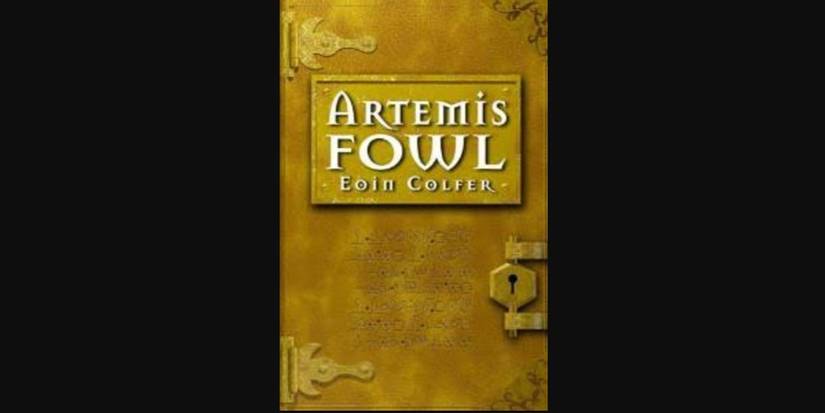 Image via Hyperion Books
 Image via Orion Children's Books
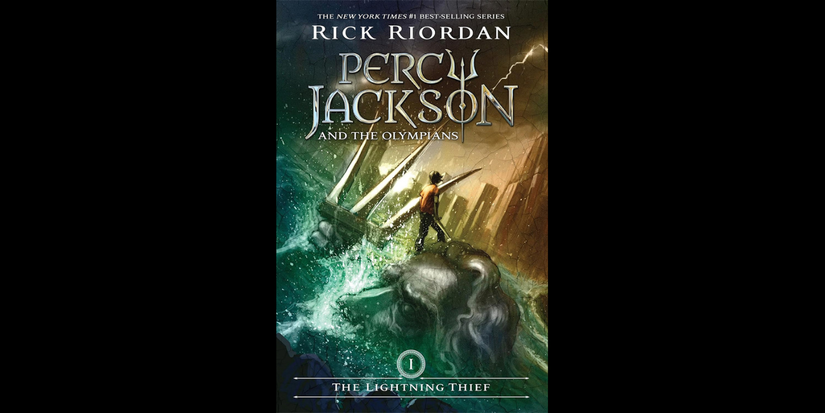 Image via Hyperion Books
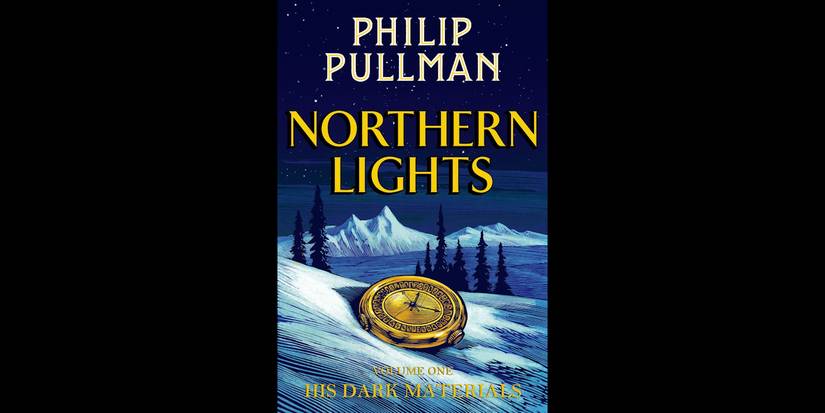 Image via Scholastic
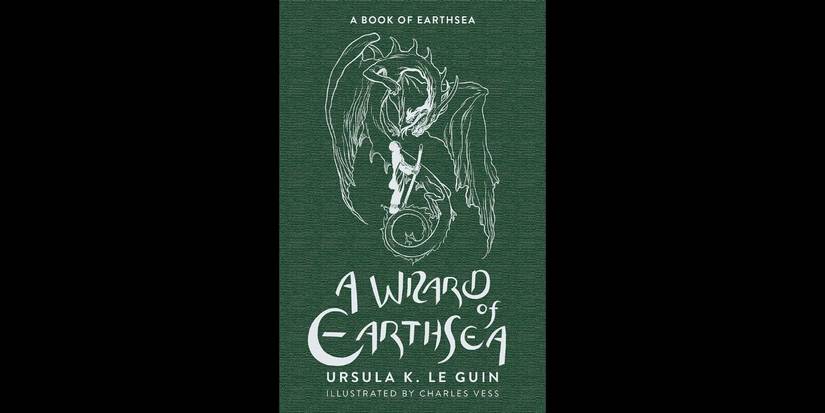 Image via Gollancz
 Image via HarperCollins






 English (US) ·