

Published Feb 25, 2026, 6:00 PM EST
Emedo Ashibeze is a tenured journalist and critic specializing in the entertainment industry. Before joining ScreenRant in 2025. he wrote for several major publications, including GameRant.
The anime industry is tough. Animation studios juggle brutal deadlines, tight budgets, and the tricky task of turning manga, light novels, or original ideas into finished shows without everything falling apart. Most end up with a mix of strong entries and weaker ones, but a few have carved out reputations for staying remarkably solid over the long haul.
Fans gravitate toward these names when they want something they can count on. Their productions reflect solid direction, good-looking animation, and stories that don’t feel thrown together, even if the titles don’t always translate into all-time classics.
Here is a list of six studios that people frequently hold up as examples of that rare, near-flawless consistency. Over years (or even decades) of output, they’ve shown a real knack for thoughtful production values, technical polish, and narratives that treat viewers with respect.
Kyoto Animation

Kyoto Animation started back in 1981, doing cleanup and paint work. The studio didn’t really hit its stride until the early 2000s, when it decided to produce everything and to invest in training young animators and treating staff decently. That choice created a steady crew, and this is evident in the careful, almost gentle quality of the work they put out.
The studio emphasized stories about people rather than flashy action. K-On! nailed that cozy, silly joy of teenagers starting a band; Clannad: After Story quietly broke hearts with its honest look at love, loss, and growing up. Later, Violet Evergarden showed how detailed they can be with emotional shading, with tiny shifts in a face carrying whole chapters.
The 2019 fire was unthinkable, yet they came back. New seasons of Dragon Maid kept the same warm, funny spirit alive. Finally, Kyoto Animation’s most outstanding quality lies in its aversion to keeping up with trends. Every title is carefully weighed and crafted with care. That consistency has ensured elegance and craft for over four decades.
Madhouse

Madhouse was founded by a handful of animators, including Director Osamu Dezaki. Right from the start, they stood out by taking chances on unusual styles and switching genres without apology. Steering clear of safe, cookie-cutter projects, the studio instead chose adaptations that demanded real creative effort. They have a track record that has remained so solid for over 50 years.
The catalog includes standout examples of depth and execution. Death Note turns morality into a tense cat-and-mouse game full of twists. Hunter x Hunter balances surreal direction with a perfect cast. Satoshi Kon’s Perfect Blue broke ground in psychological horror and still echoes in films far beyond Japan. Recently, Frieren: Beyond Journey’s End has become the directive for quiet reflection.
They have a reputation for simple discipline. They focus on doing fewer things well, staying faithful to the source, and keeping direction tight. While every studio runs into rough patches or divisive works like Chaos; Head or lesser-known titles, Madhouse has largely sidestepped outright disasters.
Ufotable
 Custom Image by Hannah Diffey
Ufotable stands out because it handles almost everything in-house, allowing it to maintain an iron grip on its outstanding quality. Its animators still draw the main keyframes by hand for that organic feel, then the digital team carefully adds 3D environments, explosive particle work for fire and sword trails, and lighting that shifts naturally.
With prime attention, every tiny detail is beautifully portrayed. A faint shadow creeping across someone’s expression, or epic backdrops built over precise 3D bases, these choices pull viewers deeper. In projects like Fate/Zero and the Heaven’s Feel movies, they rely on smart camera angles and moody color work to heighten the philosophical undercurrents.
Ufotable picks only a handful of projects and refuses to rush, so the artists get plenty of time to refine, tweak, and perfect every scene. That focused mindset explains why its catalog feels so consistent; there are no obvious duds.
Studio Ghibli

Founded in 1985 by Hayao Miyazaki and Isao Takahata, alongside Toshio Suzuki, Studio Ghibli is behind some of anime’s most enduring titles. Specializing in fantasy that balances themes that actually stick with viewers: loss, growth, and the human condition, with artistic depth, Hayao Miyazaki and the other key directors have maintained the studio’s animation legacy.
Studio Ghibli has retained its global appeal partly because of that hand-drawn texture, and the way the worlds feel fully alive and invented from scratch. For example, Spirited Away; it pulls viewers into this strange, beautiful spirit world, but at heart, it’s really about a scared kid figuring out who she is and finding some backbone along the way.
Then there’s My Neighbor Totoro, a quieter world, full of small, magical moments in the countryside. The sort of story that captures dual traits of childhood mundanity and wonder. Inversely, Princess Mononoke goes much bigger and darker, and that’s the thing about Studio Ghibli. The consideration that follows each project ensures almost guaranteed success.
Bones

Founded some 27 years ago, Bones is one of the few animation studios that can truly do it all, irrespective of genre and whatnot. Add to that an uncanny ability to adapt a manga and put it on screen without taking away what made the original special, and you get a nearly unrivalled catalog, just as Bones has assembled over the years.
Episodes are finely crafted, with everything moving at just the right speed, and the animation has a lively, almost exaggerated expressiveness that pulls viewers right in. A few series really show what they can do. Fullmetal Alchemist: Brotherhood balances huge battles with some genuinely heavy questions about life, sacrifice, and being human.
My Hero Academia takes the tired superhero formula and makes every punch and quirk feel exciting again. Mob Psycho 100 somehow nails both laugh-out-loud comedy and jaw-dropping psychic showdowns in the same breath. The biggest thing about Bones is the trust it has earned through consistency. Year after year, the studio keeps delivering strong stories and great-looking action.
Production I.G.

Production I.G. has quietly built a reputation as one of the most forward-thinking studios out there, especially for sci-fi and anything with real stakes in the action. Its cyberpunk worlds feel lived-in and believable, the fight scenes are crisp and purposeful, and there’s this cool, grown-up tone that runs through almost everything the studio touches.
Through its projects, the studio conveys a sense of maturity that leaves a lasting mark. The original Ghost in the Shell still feels ahead of its time; philosophy wrapped in stunning visuals. Psycho-Pass digs hard into questions of crime, control, and morality. Haikyuu!! turns volleyball into something gripping and heartfelt.
What stands out most is how rarely they miss. Production I.G. delivers polish and depth almost every time, which is why fans trust the name. Its work has helped push anime toward more ambitious ideas and better craftsmanship overall. That steady commitment keeps the whole industry stronger.
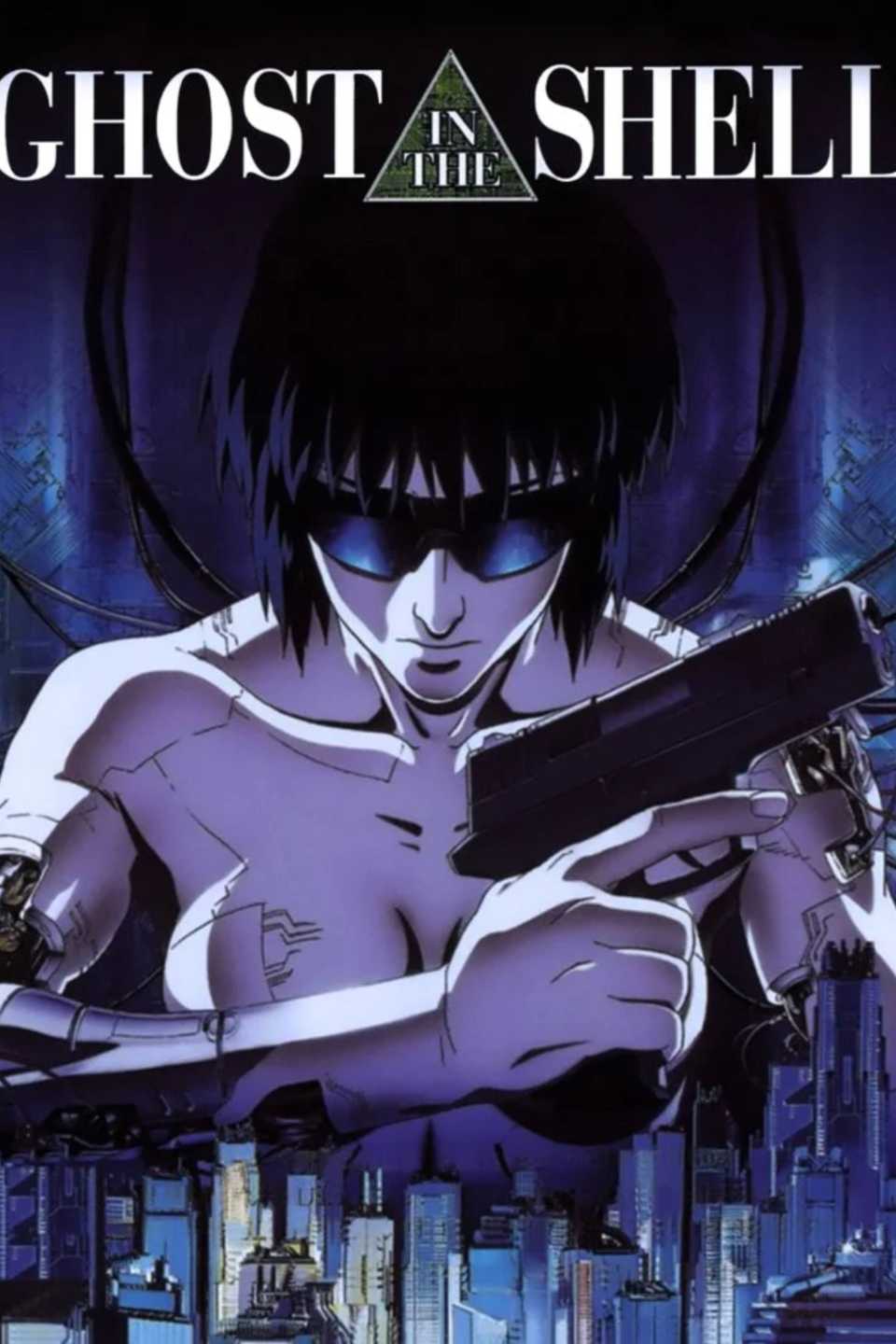
Ghost in the Shell
Release Date December 8, 1995
Runtime 83 Minutes
Director Mizuho Nishikubo, Mamoru Oshii
Writers Shirow Masamune, Kazunori Itô




 English (US) ·